Are Purple Betta Fish Rare
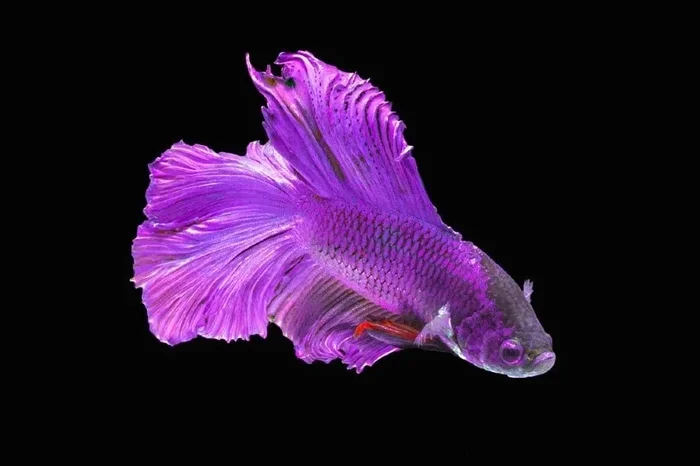
Purple betta fish are a stunning but often misunderstood variety. Many fish keepers wonder if purple betta fish are rare, and the answer depends on genetics, breeding, and color intensity. The truth is that true purple bettas are less common than standard reds and blues, but they are not impossible to find. With the right breeder and care, you can own a beautiful purple betta.
If you have ever wondered are there purple betta fish, you are not alone. Many aquarium hobbyists fall in love with the idea of a shimmering purple betta swimming in their tank. But the question remains: are purple betta fish rare? The answer is not a simple yes or no. It depends on genetics, breeding practices, and what you consider a true purple.
Purple betta fish are among the most sought-after colors in the betta world. Their rich, deep hues can range from soft lavender to intense royal purple. While they are not as common as the classic red or blue bettas, they are not mythical creatures either. With the right knowledge and a bit of patience, you can find and care for a beautiful purple betta.
In this guide, we will explore everything you need to know about purple betta fish. We will look at their genetics, rarity, different shades, how to identify a true purple, and how to care for them. By the end, you will have a clear picture of whether a purple betta is right for you.
Key Takeaways
- True purple betta fish are rare: They require specific genetics and are less common than red or blue varieties.
- Color intensity matters: Not every blue or lavender betta is a true purple.
- Breeding plays a big role: Selective breeding can produce more purple bettas over time.
- Care is similar to other bettas: They need clean water, warm temperatures, and a proper diet.
- Buy from reputable breeders: This ensures you get a genuine purple betta fish and not a scam.
- Purple bettas are not impossible to find: With patience, you can locate a healthy purple betta fish.
📑 Table of Contents
What Makes Purple Betta Fish So Special?
The color of a betta fish comes from layers of skin cells and scales. Purple betta fish get their color from a combination of iridescent cells and pigment. The iridescence creates a shimmer that can look blue or purple depending on the light. True purple bettas have a specific genetic makeup that produces a balanced mix of blue and red pigments. This is why purple betta fish are less common. The genetics are not as straightforward as solid red or solid blue.
The Genetics Behind the Purple Hue
Betta fish color is determined by multiple genes. Some genes control pigment deposition, while others control the structural reflection of light. Purple coloration appears when a fish carries genes for both blue structural color and a red-based pigment that blends together. The result is a perceived purple shade. Breeders must select parent fish that both carry these recessive traits. This makes the purple betta genetics more complex than simpler colors like solid red.
Why Purple Is a Rare Color in Nature
In the wild, most bettas are dull green or brown. Bright colors like purple are rare in nature. Breeders have selectively bred bettas for vibrant colors over many generations. Purple is a newer color achievement in the hobby. It requires careful pairing of fish with the right recessive genes. So when you ask are purple betta fish rare, remember that nature did not design them to be common.
Are Purple Betta Fish Rare?
The short answer is yes, true purple betta fish are relatively rare. But rarity can mean different things. Some purple bettas are more available than others. Let us break down the rarity.
Rarity Compared to Other Betta Colors
To understand the rarity, it helps to compare purple to other colors. Below is a simple comparison table.
| Color | Rarity Level | Availability |
|---|---|---|
| Red | Common | Very easy to find |
| Blue | Common | Widely available |
| Green | Uncommon | Moderate availability |
| Purple | Rare | Harder to find, often from specialty breeders |
| White/Platinum | Uncommon | Moderate availability |
As you can see, purple ranks as rare. This does not mean you cannot find one. It means you may need to look harder. If you want to learn more about betta fish rarity in general, you can read about are betta fish rare on our site.
Why Some Purple Bettas Are More Common
Not all purple bettas are equally rare. Some are lighter shades like lavender. These are more common because the genetics are easier to achieve. A deep, saturated royal purple is much harder to breed. So when people ask are purple betta fish rare, the answer depends on the shade and intensity. A light lavender betta might be easier to find than a true deep purple.
Quick Tip: When shopping for a purple betta, look for even color distribution. Avoid fish with patchy color or faded scales.
Types of Purple Betta Fish
Purple betta fish come in several shades. Each shade has its own charm. To understand the full variety, you can explore are there different kinds of betta fish, which covers many color types.
Lavender and Light Violet Shades
Lavender bettas have a soft, pastel purple hue. They often have a blue base with a slight pink or violet wash. Lavender is the most common purple shade. Many beginners start with a lavender betta because it is easier to find. The color looks beautiful in a planted tank with soft lighting.
Deep Royal and Imperial Purple
Deep royal purple bettas are the holy grail for many collectors. They have a rich, dark purple that shines with iridescence. These fish are truly rare. Breeding them requires selecting parent fish with strong purple genes. The result is a breathtaking fish that stands out in any aquarium.
Purple and White Combinations
Some purple bettas have white patches or a white base with purple fins. This creates a striking contrast. These bicolor patterns are also considered rare. The purple and white combination is highly prized among breeders.
Expert Insight: Breeding for Purple
According to experienced betta breeders, achieving a true purple requires patience. It often takes several generations of selective breeding. Breeders look for fish that show a strong purple iridescence and then pair them carefully. The process is slow but rewarding. If you are serious about owning a purple betta, be prepared to wait for the right fish.
How to Identify a True Purple Betta Fish
Not every blue or violet betta is a true purple. Misidentification is common. Here is how to tell if your fish is genuinely purple.
Color Patterns and Iridescence
A true purple betta fish will show a consistent purple hue across the body. The color should not shift too much into blue or pink. Iridescence is key. When light hits the scales, you should see a shimmer that leans purple. If the fish looks mostly blue with a slight tint, it may be a blue betta, not a purple one. Always view the fish in natural light if possible.
Common Mistakes in Identification
Many people mistake a dark blue betta for purple. Others think a lavender fish is not really purple. The truth is that the line between blue and purple can be thin. Lighting in the store can also affect how the color looks. Always ask the breeder for the specific color type. A reputable seller will be honest about the fish’s genetic background.
Caring for Your Purple Betta Fish
Caring for a purple betta fish is similar to caring for any other betta. They need clean water, warmth, and a good diet. Here are the essentials.
Tank Setup and Water Parameters
A minimum tank size of 5 gallons is recommended. Use a gentle filter to keep the water clean without strong currents. The water temperature should be between 78 and 80 degrees Fahrenheit. pH should be between 6.5 and 7.5. Regular water changes are essential. Purple bettas are not more delicate than other bettas, but they thrive in stable conditions.
- Tank size: 5 gallons or larger
- Temperature: 78–80°F
- pH: 6.5–7.5
- Filter: Gentle sponge filter
- Lighting: Soft, indirect light
Feeding and Health Tips
Feed your purple betta a high-quality diet. Use pellets specifically made for bettas. You can supplement with frozen or live food like brine shrimp. Feed small amounts twice a day. Overfeeding can lead to health problems. Watch for signs of illness like clamped fins or loss of color. Quick action can prevent serious issues.
Common Mistakes to Avoid: One common mistake is keeping the tank too small. Another is using harsh lighting that washes out the purple color. Some people also skip water changes, which can stress the fish. Avoid placing the tank in direct sunlight. This can cause temperature swings and algae growth. A stable environment is the key to a happy purple betta.
Where to Find Purple Betta Fish
If you want to add a purple betta fish to your collection, you need to know where to look. Not all pet stores carry them. You may need to go to a specialty breeder.
Choosing a Reputable Breeder
Look for breeders who specialize in betta fish and have a good reputation. Ask about the genetics of the fish. A good breeder will tell you the color line and parentage. This ensures you are getting a true purple betta fish and not just a blue one marketed as purple. Always ask for photos of the actual fish, not just a generic image.
Avoiding Common Scams
Some sellers may try to pass off a regular blue betta as a rare purple. They might use fancy words like “royal purple” or “imperial purple” to justify a high price. Be skeptical of prices that seem too good to be true. If a seller cannot provide clear photos and genetic information, look elsewhere. Trustworthy sellers are transparent about their fish.
Owning a purple betta fish is a rewarding experience. These fish are not just pets; they are living works of art. By understanding their rarity, genetics, and care needs, you can enjoy a healthy and vibrant purple betta for years to come.
Frequently Asked Questions
Are purple betta fish genetically modified?
No, purple betta fish are not genetically modified. Their color comes from natural selective breeding over many generations. Breeders choose parent fish with the desired purple traits and continue pairing them. The result is a naturally occurring color variation through careful breeding.
Can purple betta fish live with other fish?
Yes, purple betta fish can live with certain peaceful tank mates. However, bettas are generally solitary and can be aggressive. Avoid keeping them with other bettas or flashy, fin-nipping fish. Good companions include snails, shrimp, and peaceful schooling fish that stay in the upper levels. Always monitor their behavior when introducing new tank mates.
Why is my purple betta fish turning blue?
If your purple betta is turning blue, it could be due to stress, poor water quality, or the natural aging process. Some purple bettas have a blue base that becomes more visible when the purple pigment fades. Check your water parameters and ensure the tank is clean. A healthy environment helps maintain vibrant color.
How much do purple betta fish cost?
The cost of a purple betta fish varies widely. Common lavender shades may cost $15 to $30. Deep royal purple bettas from reputable breeders can cost $50 to $150 or more. Rare color combinations like purple and white can command even higher prices. Always buy from a trusted source to ensure you get what you pay for.
Do purple betta fish need special care?
No, purple betta fish do not need special care beyond what other bettas require. They need clean water, warm temperatures, and a balanced diet. The only difference is that their color may be more sensitive to lighting and water quality. Keep the tank clean and avoid harsh direct light to preserve their vibrant purple hue.
Are purple betta fish rare in the wild?
Yes, purple betta fish are extremely rare in the wild. Wild bettas are typically dull-colored for camouflage. The vibrant purple colors we see in pet stores are the result of selective breeding. You will not find a true purple betta in its natural habitat. All pet purple bettas come from breeding programs.