Are Real Plants Better for Fish Tanks

Real plants are generally better for fish tanks than fake ones. They improve water quality, produce oxygen, and create a natural habitat that reduces fish stress. However, they do require more care and the right setup to thrive.
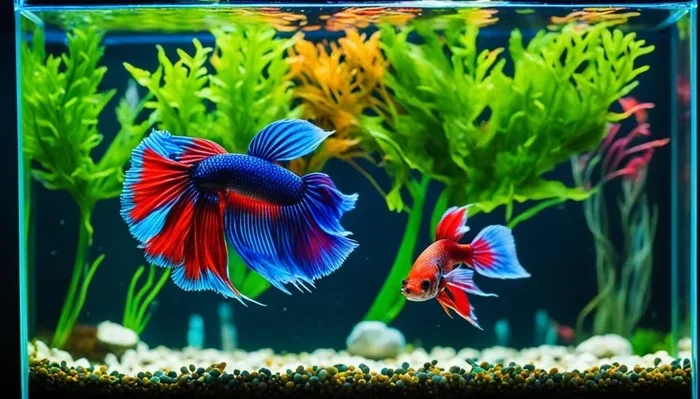
If you have ever stared at your fish tank and thought it looks a bit empty, you are not alone. Adding plants to an aquarium can completely transform the look and feel of the setup. But the big question remains: are real plants better for fish tanks than their artificial counterparts? The short answer is yes, in most cases. Real plants offer benefits that fake ones simply cannot match. They oxygenate the water, absorb harmful chemicals, and give your fish a more natural environment to thrive in.
That said, real plants are not for everyone. They need the right light, nutrients, and care to survive. If you are a busy person or a complete beginner, the extra effort might feel overwhelming. This guide breaks down everything you need to know about choosing between real and fake plants for your fish tank. We will cover the benefits, the downsides, and the best plants to get started with.
By the end, you will know exactly whether real plants are better for fish tanks in your specific situation. Let us dive in.
Key Takeaways
- Real plants oxygenate water: They produce oxygen during daylight hours, which helps fish breathe better and stay active.
- Live plants improve water quality: They absorb nitrates and ammonia, acting as a natural filter in your aquarium.
- Fake plants are low maintenance: They don’t need light, fertilizers, or CO2, making them easier for beginners.
- Not all plants are fish-safe: Some plants can release toxins or decompose quickly, harming your tank environment.
- Start with easy plants: Species like Java Fern and Anubias are forgiving and perfect for new plant keepers.
- Lighting matters: Proper LED lighting is essential for real plants to photosynthesize and stay healthy.
- Balance is key: A mix of real and fake plants can work well if you want the look without the heavy maintenance.
📑 Table of Contents
Why Real Plants Are a Game-Changer for Fish Tanks
There is a reason why planted aquariums have grown so popular in recent years. Real plants do things that fake decorations simply cannot do. They are living organisms that interact with the water, the light, and the fish in meaningful ways.
The Oxygen Boost Your Fish Need
One of the biggest advantages of live aquarium plants is oxygen production. During daylight hours, plants perform photosynthesis. This process takes in carbon dioxide and releases oxygen into the water. More oxygen means happier, healthier fish. You may notice your fish swimming more actively and breathing more easily in a planted tank.
Fake plants do none of this. They sit there looking nice, but they offer zero biological benefit. Over time, this difference can really add up, especially in tanks with higher bioloads or sensitive fish species.
Natural Filtration Benefits
Real plants act as a natural filtration system. They absorb nitrates, ammonia, and phosphates from the water. These are the same compounds that build up and cause cloudy or smelly tank water. By pulling these substances out, plants improve water quality on their own.
This does not mean you can skip water changes or ignore your filter. But real plants do take a lot of work off your plate. They are like a quiet helper working around the clock to keep your tank clean.
Reduced Stress for Fish
Fish in the wild live among plants, rocks, and driftwood. When you add real aquarium greenery to their home, you recreate that natural environment. Fish feel safer and less stressed. This can lead to better coloration, more natural behavior, and even improved breeding rates.
Studies have shown that fish in planted tanks display fewer signs of stress compared to those in bare or artificially decorated tanks. The difference is subtle but real, especially for shy species like bettas and tetras.
Real Plants vs Fake Plants: What Is the Difference?
Before you rush out and buy plants for your tank, it helps to understand what you are actually comparing. Real and fake plants are very different in how they work, how they look, and how much effort they require.
The Look and Feel Factor
Modern fake plants have come a long way. Some look incredibly realistic. But up close, there is no beating the texture, movement, and color variation of real plants. Fake leaves feel smooth and plasticky. Real leaves sway with the current and grow new shoots over time.
If aesthetics matter to you, real plants give you something living to enjoy. They change and grow, which keeps the tank feeling fresh and dynamic. Real plants versus fake ones in a side-by-side comparison almost always favors the real option for visual appeal.
Maintenance Differences
This is where fake plants win easily. You drop them in the water and forget about them. They never wilt, never need trimming, and never turn yellow. Fake plants for fish tanks are the go-to choice for people who want a nice look without the hassle.
Real plants, on the other hand, require attention. You need the right light schedule, sometimes fertilizers, and occasional trimming. Some plants grow fast and need regular pruning to keep them from overtaking the tank. It is a commitment, but most plant lovers say it is worth it.
| Feature | Real Plants | Fake Plants |
|---|---|---|
| Oxygen Production | Yes | No |
| Water Filtration | Yes | No |
| Maintenance Level | Moderate to High | Very Low |
| Natural Look | Excellent | Good (varies) |
| Cost Over Time | Higher | Lower |
| Fish Stress Reduction | High | Low |
| Growth and Change | Yes | No |
Best Real Plants for Your Fish Tank
Not all plants are created equal when it comes to aquariums. Some are hardy and beginner-friendly. Others need advanced care and precise conditions. Here are some of the best options to consider.
Easy-to-Grow Options
If you are new to planted tanks, start with these forgiving species:
- Java Fern: One of the most popular fish-friendly plants. It thrives in low to medium light and does not need CO2 injection.
- Anubias: A slow-growing plant that looks great attached to driftwood or rocks. Very hard to kill.
- Amazon Sword: A larger plant that makes a beautiful centerpiece. It needs more light and nutrients but grows impressive leaves.
- Java Moss: Perfect for covering rocks or creating a lush carpet. It grows in almost any condition.
Plants That Thrive in Low Light
Not everyone has a high-tech lighting setup. The good news is several real plants do well in low-light tanks:
- Cryptocoryne Wendtii: Comes in several colors and handles low light with ease.
- Java Moss: Already mentioned above, but it deserves double mention for low-light resilience.
- Anubias Nana: A compact version of Anubias that works beautifully in smaller tanks.
- Bucephalandra: A newer favorite among hobbyists. It grows slowly and looks stunning on hardscape.
Quick Tip: Before buying any plant, check if it is compatible with your specific fish. Some fish love to uproot or nibble on plants. If you keep bettas, look into whether live plants are safe for betta fish before making your selection.
Common Mistakes When Adding Real Plants
Even experienced fish keepers make mistakes with live plants. Learning from common errors can save you time, money, and frustration.
Overplanting Your Tank
It is tempting to fill every inch of your tank with lush greenery. But overplanting can cause problems. Too many plants compete for light and nutrients. They can also restrict water flow, creating dead spots where debris builds up. Start with a few plants and add more as you gain confidence.
Ignoring Lighting Needs
Real plants need light to survive. Without enough light, they will melt, turn brown, and eventually die. The type of light matters too. Standard LED bulbs designed for aquariums work well for most beginner plants. If you want more demanding species, you may need specialized grow lights.
Skipping Substrate Preparation
Some plants need nutrient-rich substrate to grow properly. Simply placing roots in gravel or sand often does not work. Root tabs or specialized planted tank substrates make a big difference. Do your research on what each plant species needs before you set up your tank.
Choosing the Wrong Plants for Your Fish
Not every plant is safe for every fish. Some fish species tear up plants, eat them, or dig them up. If you are wondering about specific combinations, check guides on what plants work best when putting plants in betta tanks to avoid costly mistakes.
How to Get Started with Live Aquarium Plants
Ready to make the switch? Here is a simple roadmap to help you succeed with your first planted tank.
Choosing the Right Substrate
Start with a quality planted tank substrate or use root tabs with your existing gravel. The substrate provides essential nutrients that plants need to develop strong roots and healthy leaves. Without proper nutrition at the root level, even the easiest plants will struggle.
Lighting and CO2 Basics
Set your lights on a timer for 8 to 10 hours per day. This mimics natural daylight cycles and prevents algae growth. Most beginner plants do not need CO2 injection. However, if you want faster growth and lusher leaves, a basic CO2 system can make a noticeable difference.
Expert Insight: Many hobbyists recommend starting simple. Choose two or three easy plants, get the light and substrate right, and let them grow. You can always add more complexity as you learn. The goal is to enjoy the process, not get overwhelmed by it.
Water Parameters and Plant Health
Keep an eye on your water parameters. Most aquarium plants prefer a pH between 6.5 and 7.5, moderate hardness, and temperatures between 72 and 82 degrees Fahrenheit. Regular water testing helps you catch problems early before they affect your plants or fish.
Quick Tip: Algae is the number one enemy of new plant keepers. To prevent it, avoid overfeeding your fish, keep light hours moderate, and do regular water changes. A clean tank with balanced nutrients gives your plants the best chance to thrive.
Final Thoughts on Real Plants for Fish Tanks
So, are real plants better for fish tanks? The evidence strongly points to yes. They improve water quality, oxygenate the tank, reduce fish stress, and create a more natural and beautiful environment. The benefits go far beyond aesthetics.
That does not mean fake plants have no place. They are useful for beginners, busy fish keepers, or tanks where real plants simply will not thrive. A mix of both can also work well in certain setups. The key is knowing your goals and matching them with the right choice.
If you are willing to put in some effort, real plants will reward you with a healthier, more vibrant aquarium. Start small, learn as you go, and enjoy watching your underwater garden grow. Your fish will thank you for it.
For more ideas on which plants suit your setup, check out our guide on the best plants for betta fish to get started on the right foot.
Frequently Asked Questions
Are real plants better than fake plants for fish tanks?
Yes, in most cases. Real plants produce oxygen, absorb harmful chemicals, and create a more natural habitat that reduces fish stress. Fake plants are easier to maintain but offer none of these biological benefits.
What are the easiest real plants for beginners?
Java Fern, Anubias, Java Moss, and Amazon Sword are among the easiest. They tolerate a range of lighting conditions and require minimal care, making them perfect for first-time plant keepers.
Do real plants need CO2 in fish tanks?
Most beginner-friendly plants do not need CO2 injection. However, if you want faster growth or more demanding species, a basic CO2 system can help. Start without CO2 and add it later if needed.
Can real plants cause algae problems?
Not directly. Algae usually appears due to excess light, overfeeding, or poor water changes. Balanced lighting, regular maintenance, and healthy plants actually help prevent algae by competing for nutrients.
Are fake plants bad for fish?
Fake plants are not bad for fish. They are safe and can provide hiding spots and decoration. However, they do not offer the biological benefits that real plants provide, such as oxygen production and natural filtration.
How many real plants should I add to my fish tank?
Start with a few plants and gradually add more. Overplanting can restrict water flow and cause competition for light. Aim for coverage of about 30 to 50 percent of the tank floor and hardscape for a balanced look.