Are Betta Fish Low Maintenance
Yes, betta fish are considered low maintenance pets, but they still need proper care to thrive. They don’t require huge tanks, expensive equipment, or constant attention. However, skipping water changes or feeding them wrong food can cause serious health problems. This guide covers everything you need to know about keeping bettas happy and healthy with minimal effort.
Are betta fish low maintenance? The short answer is yes, but with a big asterisk. These colorful tropical fish have earned a reputation as easy pets, and for good reason. They don’t need massive tanks, expensive lighting rigs, or round-the-clock care. But calling them “no maintenance” would be misleading and could harm your fish.
If you are a busy person or a beginner fish keeper, a betta might be the perfect fit. They are resilient, beautiful, and surprisingly entertaining to watch. That said, they still depend on you for clean water, proper food, and a safe environment. This guide breaks down everything you need to know about betta fish care without overwhelming you.
Key Takeaways
- Betta fish need at least a 5-gallon tank with a filter and heater to stay healthy long-term.
- Feeding once or twice a day with small amounts is enough — overfeeding is a common mistake.
- Weekly water changes of 25-50% keep the tank clean without much effort.
- Betta fish can live 3-5 years with proper care, making them a rewarding long-term pet.
- They are solitary fish and do best alone or with carefully chosen tank mates.
- Betta fish are hardy but not indestructible — they still need consistent attention to basics.
📑 Table of Contents
- Why Betta Fish Are Considered Low Maintenance
- Setting Up a Betta Tank the Easy Way
- Feeding Your Betta Fish Without Overcomplicating It
- Water Changes and Tank Maintenance
- Common Mistakes That Make Bettas High Maintenance
- How Long Do Betta Fish Live With Proper Care
- Are Betta Fish Good Pets for Beginners
- Final Thoughts
Why Betta Fish Are Considered Low Maintenance
Betta fish, also known as Siamese fighting fish, come from warm, slow-moving waters in Southeast Asia. Over centuries, they have adapted to survive in tough conditions. This natural resilience is why so many people think they are easy to keep. But surviving and thriving are two very different things.
Here is why bettas have a reputation as low maintenance pets:
- Small tank footprint. A betta does not need a 55-gallon aquarium. A 5-gallon tank is the minimum recommended size, and that is manageable for most homes.
- They eat less. Unlike larger fish that need multiple feedings daily, bettas do fine with one or two small meals a day.
- No special lighting needed. Bettas don’t require expensive LED setups or intense grow lights. A basic room light works fine.
- They don’t need lots of tank mates. Bettas are solitary by nature, so you don’t need to build a community tank with complex compatibility rules.
- They are hardy. Bettas can tolerate minor fluctuations in water parameters better than many tropical fish species.
That being said, “low maintenance” does not mean “no maintenance.” Every living creature needs consistent care. The key is understanding what your betta actually needs versus what marketing claims might suggest.
What “Low Maintenance” Really Means for Bettas
When people say bettas are low maintenance, they usually mean the daily effort is small. You are not spending hours cleaning tanks or chasing fish around. A weekly water change, a small feeding session, and a quick visual check take less than 15 minutes. That is genuinely easy to fit into a busy schedule.
But the less frequent tasks matter just as much. Filter maintenance, heater checks, and occasional substrate cleaning should happen every few weeks. Skipping these can lead to ammonia buildup, which is deadly for bettas. Think of it like owning a cat. Cats are low maintenance compared to dogs, but they still need litter box cleaning, feeding, and vet visits.
Setting Up a Betta Tank the Easy Way
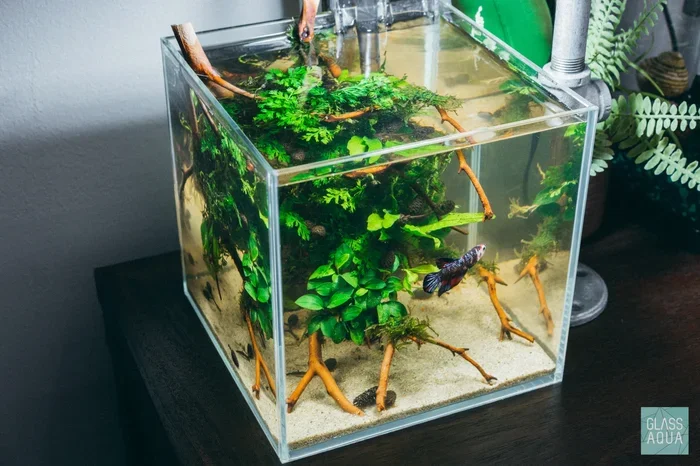
A proper setup makes everything else easier. Get the basics right from the start, and your betta fish tank will stay clean longer with less work. Here is what you need to know.
Tank Size and Shape
The smallest tank a betta should live in is 5 gallons. Some people keep bettas in tiny cups or 1-gallon bowls, but this is not ideal. A 5-gallon tank gives your fish room to swim and stabilizes water parameters much better than a tiny container.
If you have space, a 10-gallon tank is even better. The larger the water volume, the more stable the environment. This means fewer water changes and less day-to-day monitoring. For beginners wondering about are betta fish low maintenance in practice, tank size is the biggest factor.
Filtration and Heating
Betta fish need a filter and a heater, even though some pet store displays skip these. A gentle sponge filter works great because it provides biological filtration without creating too much current. Bettas are slow swimmers and hate strong flows.
A heater set to 78-80°F keeps the water at the right temperature. Bettas are tropical fish, and cold water makes them sluggish and prone to illness. Water filters are necessary for betta fish because they remove harmful toxins and keep the ecosystem balanced.
Substrate and Decor
You do not need fancy gravel or expensive decorations. Plain gravel or sand works perfectly. Add a few plants — live or silk — to give your betta places to explore and rest. Avoid sharp plastic plants that can tear their delicate fins.
A simple setup keeps costs low and cleaning easy. The fewer hiding spots for debris, the less time you spend vacuuming the substrate later.
Feeding Your Betta Fish Without Overcomplicating It
Feeding is one of the easiest parts of betta care, but it is also where most mistakes happen. Overfeeding is the number one killer of pet bettas. These fish have small stomachs, roughly the size of their eye, and they will eat until they make themselves sick if given the chance.
How Often and How Much
Feed your betta once or twice a day. Offer only what they can eat in two to three minutes. If there is food left on the bottom of the tank, you gave too much. Remove uneaten food with a small net to keep the water clean.
High-quality betta pellets should make up the bulk of their diet. You can supplement with frozen or live bloodworms and brine shrimp as occasional treats. Feeding betta fish every day is fine as long as you stick to appropriate portions. Consistency matters more than variety.
Best Foods for Low Effort Care
Here are some simple feeding options that keep things easy:
- Betta pellets. Look for brands with high protein content and minimal fillers. These are the foundation of a healthy diet.
- Frozen bloodworms. A small cube thawed once or twice a week adds variety and nutrition.
- Freeze-dried brine shrimp. These make great occasional treats and are easy to store.
- Betta flakes. Less ideal than pellets because they dissolve quickly and cloud the water, but they work in a pinch.
Avoid feeding your betta human food, bread, or anything processed. Their digestive systems are not designed for it, and it will pollute the water fast.
Water Changes and Tank Maintenance
This is where the “low maintenance” label gets tested. Water changes are non-negotiable, but they do not have to be complicated. A consistent routine keeps your betta healthy and your tank looking great.
The Weekly Routine
Every week, change 25-50% of the tank water. Use a gravel vacuum to suck up debris from the substrate while draining old water. Replace the removed water with dechlorinated water that matches the tank temperature.
This takes about 10-15 minutes once you get the hang of it. The alternative — skipping water changes — leads to ammonia and nitrite spikes. These invisible toxins cause fin rot, infections, and early death. Bettas may look fine for a few days, but the damage is building up.
Monthly Deep Clean
Once a month, take a few extra minutes to rinse the filter media in old tank water (never tap water). Check that the heater is working properly. Wipe down the inside of the glass if algae is building up. These small habits prevent bigger problems later.
Adding snails can also help with algae control, making your tank easier to maintain over time. Just be sure to choose peaceful snail species that won’t bother your betta.
Common Mistakes That Make Bettas High Maintenance
Many people accidentally turn their betta into a high-maintenance fish by making avoidable errors. Here are the most common ones:
- Keeping them in bowls without filters. This forces you to do daily water changes instead of weekly ones. A proper tank with a filter saves enormous time.
- Overfeeding. Excess food rots in the tank and spikes ammonia levels. This leads to more frequent water changes and potential health issues.
- Using cold water. Room temperature water in winter can drop below 74°F, which stresses bettas and weakens their immune system.
- Adding incompatible tank mates. Putting aggressive fish with bettas creates stress and fighting, which requires constant monitoring and separation.
- Ignoring water parameters. A simple liquid test kit takes minutes to use but prevents disasters. Testing weekly helps you catch problems early.
Quick Tips to Keep Maintenance Low
Follow these simple habits to keep your betta care routine easy and consistent:
- Set a weekly reminder on your phone for water changes.
- Buy a water conditioner that removes chlorine and chloramine instantly.
- Keep a small bucket and siphon dedicated to tank maintenance.
- Feed on a regular schedule so your betta knows when to expect food.
- Keep spare filter media on hand so you never have to wait for a replacement.
How Long Do Betta Fish Live With Proper Care
One of the best things about keeping bettas is their lifespan. With proper care, a betta fish can live 3 to 5 years. Some well-cared-for bettas have even reached 7 years. This makes them a meaningful commitment, not just a disposable pet.
The key to a long betta fish lifespan is consistency. Stable water parameters, a balanced diet, and a stress-free environment all contribute. Bettas that live in clean, warm water with gentle filtration stay healthier and more active throughout their lives.
If you want to learn more about how bettas behave when they are not feeling well, check out our guide on do betta fish float when they are dead. Understanding normal betta behavior helps you catch problems early and avoid unnecessary vet visits or fish loss.
Are Betta Fish Good Pets for Beginners
Absolutely. Betta fish are one of the best starter pets for people new to fish keeping. They are forgiving of minor mistakes, visually stunning, and interesting to observe. You can learn the basics of water chemistry, feeding, and tank maintenance without feeling overwhelmed.
Compared to other tropical fish, bettas are relatively forgiving. They tolerate small fluctuations in temperature and water quality that would stress more sensitive species. This resilience is a big part of why they are so popular among first-time fish owners.
That does not mean you should neglect them. Every fish deserves proper care, and bettas are no exception. But the learning curve is gentle, and the rewards are high. Watching a healthy, colorful betta swim gracefully through a well-planted tank is incredibly satisfying.
Final Thoughts
So, are betta fish low maintenance? Yes, they are among the easiest freshwater fish to care for, but they still need your attention. Weekly water changes, proper feeding, and a stable tank environment are all it takes to keep a betta happy and healthy. The effort is small compared to the joy these fish bring into a home.
Do not let the “low maintenance” label fool you into thinking they need nothing. Think of it as low effort, high reward. A little consistency goes a long way with bettas. Set up a simple routine, stick to it, and your fish will thrive for years.
If you are considering adding a betta to your home, start with a proper 5-gallon tank setup and commit to a weekly care schedule. You will be surprised how easy it is once the routine becomes habit. And remember, every moment spent caring for your betta is a moment well spent.
Frequently Asked Questions
Do betta fish need a heater?
Yes, betta fish need a heater to maintain water temperature between 78-80°F. They are tropical fish and cannot survive in cold water for long. A small adjustable heater is inexpensive and essential for their health.
Can I keep a betta fish in a 1-gallon tank?
Technically yes, but it is not recommended. A 1-gallon tank requires frequent water changes and is harder to keep stable. A 5-gallon tank is the minimum for a healthy, low-stress environment for your betta.
How often should I clean my betta fish tank?
Do a 25-50% water change every week. Clean the filter media once a month using old tank water. This routine keeps the tank clean without requiring daily effort.
Can betta fish live with other fish?
Bettas are solitary fish and often do best alone. Some peaceful species like certain snails or shrimp can work as tank mates. Always research compatibility before adding any other fish to a betta tank.
What is the easiest food to feed a betta fish?
High-quality betta pellets are the easiest and most nutritious staple food. They are simple to portion, store, and feed. You can supplement with frozen bloodworms once or twice a week for extra nutrition.
Why is my betta fish not eating?
A betta refusing food can signal stress, poor water quality, or illness. Check your water parameters first, then consider if anything has changed in their environment. If the behavior continues for more than a few days, test the water and do a partial change immediately.