Are Betta Fish Lonely

Are betta fish lonely? The simple answer is no — betta fish are solitary creatures by nature and do not experience loneliness the way humans or social animals do. In the wild, they prefer to live and hunt alone, and keeping them in a properly sized tank alone actually mirrors their natural habitat and behavior. Understanding your betta’s social needs and environment is the best way to keep them healthy, stress-free, and thriving.
Key Takeaways
- Betta fish are solitary creatures and do not need tank companions to thrive.
- An enriched tank with plants and caves keeps your betta mentally stimulated.
- Watch for boredom signs like lethargy, faded colors, or repetitive behavior.
- Choose tank mates carefully to avoid fin-nipping and aggressive encounters.
- A 5-gallon tank minimum provides space for a healthy, happy betta.
- Interactive enrichment such as floating plants reduces stress and boosts activity.
- Each betta has a unique personality and responds differently to their environment.
📑 Table of Contents
- What Does It Mean When Betta Fish Are Lonely?
- Understanding Betta Fish Behavior and Loneliness
- Signs Your Betta Fish Might Be Lonely or Bored
- Can Betta Fish Live Alone Happily?
- How to Keep Your Betta Fish Entertained and Happy
- Should You Get a Tank Mate for Your Betta Fish?
- Final Thoughts: Keeping Your Betta Fish Happy
What Does It Mean When Betta Fish Are Lonely?
If you have a betta fish swimming alone in its tank, you might have wondered at some point whether your little finned friend feels lonely. It is a fair question. After all, we are social creatures, and we tend to project our feelings onto our pets. But do betta fish actually get lonely? The short answer is: betta fish loneliness is more nuanced than you might think.
Betta fish are solitary creatures by nature. In the wild, they do not school or swim in groups like some other fish species. They claim a territory and mind their own business. So the idea of a betta fish feeling lonely in the way a dog or a parrot might feel lonely is a bit misleading. That said, betta fish social needs are still important to understand. They can feel bored, stressed, or unstimulated if their betta fish environment is not right.
In this article, we will break down everything you need to know about are betta fish lonely. We will look at the signs, the causes, and what you can do to keep your betta happy and entertained. Whether you are a new betta owner or a seasoned hobbyist, this guide has something for you.
Understanding Betta Fish Behavior and Loneliness
To really understand whether betta fish can be lonely, you need to understand their natural behavior. Bettas come from the warm, shallow waters of Southeast Asia. They are used to living alone, defending their space, and hunting for food on their own terms.
Are Betta Fish Naturally Solitary?
Yes, betta fish are naturally solitary. Unlike goldfish or tetras, bettas do not need companions to thrive. In fact, keeping two male bettas together often leads to betta fish aggression and even injury. Female bettas can sometimes live in groups, but that is a different story entirely.
So when we talk about betta fish loneliness, we are not talking about them missing a companion the way a social animal would. Instead, we are talking about a lack of betta fish stimulation and enrichment. A bored betta is an unhappy betta.
How Betta Fish Show Their Feelings
Betta fish communicate through their body language. They may flare their fins, change color, or become less active. These behaviors can tell you a lot about their emotional state. Some bettas become shy or hide when they are stressed. Others become restless and swim frantically around the tank.
Understanding these signals is key to preventing betta fish stress and making sure your fish is living its best life. For more on betta behavior, check out our article on do betta fish ever get lonely.
Signs Your Betta Fish Might Be Lonely or Bored
Even though betta fish do not experience loneliness the same way we do, they can still show signs of betta fish boredom and under-stimulation. Here are some common signs to watch out for.
1. Lethargy and Inactivity
If your betta fish is spending most of its time hiding or lying on the bottom of the tank, it might be a sign of boredom or stress. Healthy bettas are curious and active. They explore their betta fish tank, swim near the surface, and show interest in what is going on around them.
2. Flaring at Everything
Some bettas flare at their own reflection, at passing fish, or even at air bubbles. While a little flaring is normal, constant flaring can signal betta fish stress. Your fish might feel threatened or overstimulated, which is just as bad as being understimulated.
3. Losing Interest in Food
A healthy betta is an hungry betta. If your fish stops eating or shows little interest in betta fish feeding time, something might be off. Stress and boredom can reduce appetite, which can lead to other health problems down the line.
4. Glass Surfing
This is when your betta constantly swims along the glass walls of the tank. It often means they are looking for something more interesting. A barren tank with no decorations or hiding spots can lead to this frustrating behavior for both you and your fish.
5. Aggression Without Reason
Sometimes a bored or stressed betta will act out aggressively. This might mean attacking decorations, flaring at invisible threats, or being unusually territorial. Understanding why are some betta fish shy while others are aggressive can help you address the root cause.
Can Betta Fish Live Alone Happily?
The short answer is yes. Betta fish can live alone happily as long as their basic and enrichment needs are met. A well-set-up tank with plenty of features can keep a single betta entertained and content for years.
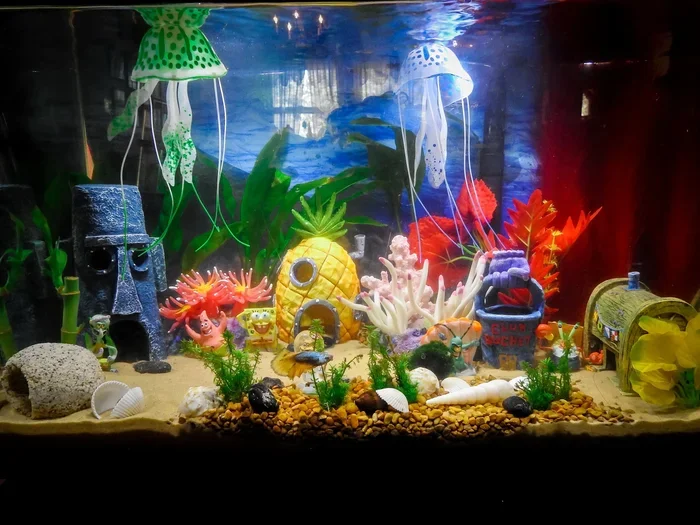
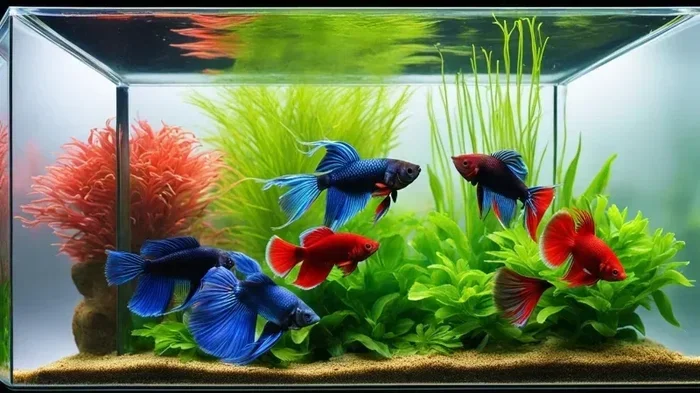
Setting Up the Perfect Tank for a Solo Betta
Here are some essentials for making sure your solo betta thrives:
- A tank that is at least 5 gallons. Smaller bowls restrict movement and limit enrichment.
- Plants, real or silk, that provide hiding spots and exploration opportunities.
- A gentle filter that does not create too strong a current. You can learn more about this in our guide on are water filters necessary for betta fish.
- A heater to keep the water at a stable 78 to 80 degrees Fahrenheit.
- Decorations like caves, driftwood, and floating logs for betta fish enrichment.
A good setup makes a world of difference. Your betta will have plenty to explore and interact with, which reduces the chance of betta fish boredom.
How Long Can a Betta Fish Be Alone?
Betta fish can live alone their entire lives without any issues. They do not need a companion to survive. Many bettas live 3 to 5 years in captivity, living rich and full lives as the only fish in their tank. As long as you provide a stimulating environment, your betta will not feel betta fish lonely in a negative way.
However, it is important to note that each betta has its own personality. Some are more curious and active, while others are more laid back. Some bettas are naturally lazy, and that is just who they are. For more on this, read our article on are some betta fish lazy.
How to Keep Your Betta Fish Entertained and Happy
Even though betta fish do not need friends, they do need betta fish interaction and mental stimulation. Here are some great ways to keep your betta engaged.
Add Enrichment to the Tank
Tank enrichment is one of the best ways to prevent boredom. You can try the following:
- Floating logs or tunnels for your betta to swim through.
- Live or silk plants that create a natural feel.
- Mirrors placed briefly outside the tank to trigger natural flaring behavior (but do not leave them on too long).
- Pellets or freeze-dried food that encourage natural hunting behavior.
These small additions make a big impact. Your betta will spend more time exploring and less time staring at the same corner of the tank all day.
Train Your Betta Fish
Yes, you can actually train a betta fish! Bettas are smart. They can learn to follow your finger, eat from your hand, or even navigate small obstacle courses. This kind of betta fish play is a great bonding activity and keeps their minds sharp.
Spend Time Watching and Interacting
Simply sitting near the tank and watching your betta can be a form of interaction. Talk to your fish gently. Move your hand along the outside of the glass. Your betta will notice and respond. This low-effort approach to betta fish companionship works surprisingly well.
Quick Tips for a Happy Betta
- Feed a varied diet including pellets, freeze-dried, and frozen foods.
- Do partial water changes weekly to keep the tank clean and fresh.
- Avoid placing the tank in a high-traffic area where your betta might feel stressed.
- Add new decorations occasionally to keep the environment fresh and interesting.
Should You Get a Tank Mate for Your Betta Fish?
This is one of the most common questions betta owners ask. If you are worried about are betta fish lonely, getting a companion might seem like a natural solution. But it is not always the best choice.
Tank Mates That Can Work
Some fish and creatures can coexist peacefully with bettas. Here is a quick comparison table to help you decide:
| Tank Mate | Compatibility | Notes |
|---|---|---|
| Snails | High | Great cleaners, usually ignored by bettas |
| Shrimp | Moderate | Can work if the betta is not too aggressive |
| Female Guppies | Moderate | Need plenty of hiding spots |
| Other Betta Fish | Low | Only female sororities; males must be solo |
| Corydoras Catfish | Moderate | Stay at the bottom, rarely interact with bettas |
Before adding any tank mate, make sure to research thoroughly. You can read more about compatible companions in our articles on are shrimp good with betta fish and are snails good with betta fish.
When Not to Add a Tank Mate
There are times when a tank mate is not a good idea:
- If your betta is highly territorial or aggressive.
- If the tank is too small to support multiple creatures comfortably.
- If you are a beginner and not yet experienced in managing group tanks.
Sometimes, the best way to keep your betta happy is to focus on improving their solo setup rather than introducing a companion. A well-enriched single tank is far better than a crowded or stressful community tank.
Final Thoughts: Keeping Your Betta Fish Happy
So, are betta fish lonely? Not in the traditional sense. Bettas are built to live alone and do not need companionship to survive or be happy. However, they do need betta fish enrichment, a clean and comfortable betta fish environment, and a little bit of interaction from you.
The key takeaway is this: a happy betta fish is a stimulated betta fish. Focus on creating a rich, engaging tank setup. Watch for signs of boredom or stress. And spend a little time each day enjoying your betta’s company. You do not need to add another fish to keep your betta content.
Your betta fish is lucky to have someone who cares enough to ask questions about its well-being. With the right setup and a little love, your solo betta will live a full, happy, and healthy life. No companion needed.
Frequently Asked Questions
Are betta fish lonely on their own?
No, betta fish are not naturally social creatures and do not get lonely the way humans or some other pets do. They are solitary by nature and prefer to live alone in their territory. In fact, keeping them solo is actually the safest and most common setup for their well-being.
Do betta fish need a companion fish to be happy?
Betta fish do not need a companion to feel happy or fulfilled. They are perfectly content living alone and often do better without another fish around. Adding a companion can actually cause stress, especially if the tank is too small or the tank mates are not compatible.
Can betta fish get bored in an empty tank?
While betta fish are not lonely, they can still get bored if their environment lacks stimulation. Providing plants, hiding spots, and gentle water flow helps keep them mentally engaged. A well-decorated tank mimics their natural habitat and encourages natural behaviors like exploring and nest building.
What happens if you put two betta fish together?
Housing two male betta fish together is strongly discouraged because they are highly territorial and will often fight aggressively. Even two females can show aggression, though they tend to do better in groups called sororities. Keeping betta fish alone in their own tank is the safest choice for their health and happiness.
How do you tell if your betta fish is stressed or lonely?
Signs of stress in betta fish include faded colors, clamped fins, loss of appetite, and lethargy. These behaviors usually point to poor water conditions or an uncomfortable environment rather than loneliness. Ensuring a clean tank with proper temperature and enrichment is the best way to keep your betta thriving.
Are betta fish happier with more space even if they live alone?
Yes, betta fish are much happier in a larger tank with plenty of room to swim and explore. A tank of at least 5 gallons gives them the space they need to feel secure and active. Even though they are solitary creatures, a well-set-up environment makes all the difference in their overall quality of life.