Are Betta Fish Good with Other Fish

So, are betta fish good with other fish? The answer depends on your betta’s personality, tank size, and the species you choose. While some bettas enjoy betta tank mates, others are too aggressive or territorial to share space. In this guide, you will learn which fish species for betta tanks work best and how to keep everyone safe.
Key Takeaways
- Not all bettas are the same: Some bettas are peaceful, while others are highly aggressive. Their temperament determines whether they can live with other species.
- Tank size matters a lot: A minimum of 20 gallons is recommended for a community tank with a betta to reduce territorial behavior.
- Snails and shrimp make great betta buddies: These creatures are peaceful, help clean the tank, and rarely trigger aggression.
- Avoid fin-nippers and bright fish: Species like tiger barbs, guppies, and common goldfish can stress or provoke your betta.
- Slow introductions work best: Adding tank mates gradually helps your betta adjust without feeling overwhelmed or threatened.
- Decorations create safe zones: Plants, caves, and hiding spots give both your betta and tank mates places to escape if needed.
- Monitor behavior closely: Even with the best planning, watch your fish daily for signs of stress or fighting after adding new companions.
📑 Table of Contents
- Are Betta Fish Good with Other Fish?
- Understanding Betta Fish Behavior
- The Best Tank Mates for Betta Fish
- Fish and Creatures to Avoid with Bettas
- How to Introduce New Tank Mates to Your Betta
- Setting Up a Community Tank for Betta Fish
- Common Mistakes When Keeping Bettas with Other Fish
- Expert Tips for a Successful Betta Community
- Conclusion: Are Betta Fish Good with Other Fish?
Are Betta Fish Good with Other Fish?
If you love betta fish, you have probably wondered whether your colorful little buddy can share a tank with other creatures. The short answer is: it depends. Some bettas live happily in community tanks. Others prefer to be the only fish in the house. Understanding betta compatibility is the first step toward building a happy, healthy tank.
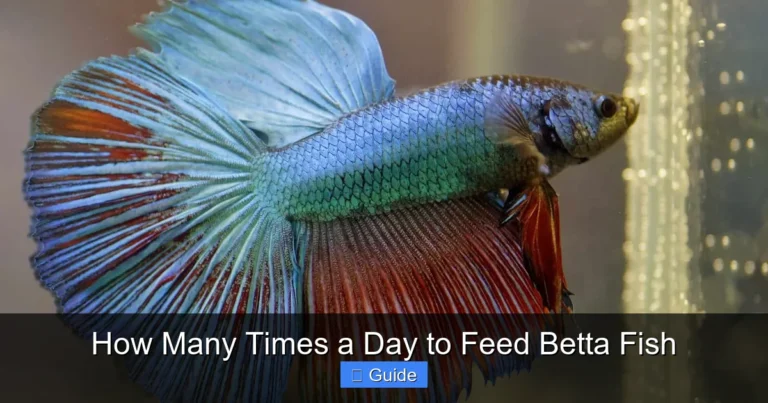
Betta fish (Betta splendens) are popular for a reason. They are stunning, full of personality, and relatively easy to care for. But they also have a reputation for being feisty. Their wild ancestors, the betta fighting fish, were bred for aggression. Even though today’s pet bettas are less aggressive, that instinct is still there. This affects whether they get along with other species.
In this guide, we will break down everything you need to know. You will learn about betta behavior, the best and worst tank mates, and how to introduce new friends safely. Whether you are a first-time owner or a seasoned hobbyist, this article has you covered.
Why Betta Compatibility Matters
Putting the wrong fish together can lead to stress, injury, or even death. A stressed betta stops eating, fades in color, and becomes sick more easily. On the other hand, the right betta tank mates can keep your betta active and engaged. A well-planned community tank can be a beautiful, entertaining setup for both you and your fish.
Keep in mind that every betta has a unique betta temperament. One betta might tolerate a shy shrimp. Another betta might attack anything that moves. This is why observation and patience are so important.
Understanding Betta Fish Behavior
Before adding any fish species for betta tanks, you need to understand how bettas behave. Bettas are territorial by nature. They claim a space and defend it. In the wild, they live alone in shallow puddles, rice paddies, and slow-moving streams. They do not naturally form schools or groups.
Here are some key behaviors to watch for:
- Flaring: Your betta spreads its gills and fins when it feels threatened. This is a warning sign.
- Chasing: A betta that chases other fish constantly is not happy about their presence.
- Fin nipping by others: If other fish nip at your betta’s long fins, it will cause stress and injury.
- Hiding: A betta that hides all the time may feel unsafe. This is a sign the tank setup needs adjustment.
- Bubble nests: Male bettas build bubble nests when they feel secure. This can be a good sign of a healthy, relaxed fish.
Male vs. Female Betta Temperament
Male bettas are typically more aggressive than females. Males are the ones with the big, flowing fins that most people recognize. They are highly territorial and usually cannot share a tank with other male bettas. Female bettas tend to be less aggressive. They can sometimes live together in groups called “sororities.” However, even females can have personality differences.
If you are wondering, are male betta fish compatible with other fish, the answer is often no. Males do best as the sole fish in their tank unless you choose very careful and peaceful companions.
Betta Aggression Levels
Not every betta is the same. Some are what hobbyists call “peaceful bettas.” These fish may ignore tank mates entirely. Others are “fighters” who attack anything nearby. You will not always know your betta’s aggression level until you try introducing another creature. That is why slow, careful introductions are so important. Always have a backup plan, like a separate tank, if things go wrong.
The Best Tank Mates for Betta Fish
Now let us talk about the good news. There are plenty of peaceful fish and creatures that can coexist with bettas. The key is choosing species that occupy different areas of the tank and do not provoke your betta’s territorial instincts.
Snails as Betta Tank Mates
Snails are one of the safest choices for a betta tank. They are slow, stay near the bottom, and do not bother your betta at all. They also help keep the tank clean by eating leftover food and algae. Popular choices include:
- Mystery snails: These are hardy, colorful, and very easy to care for.
- Nerite snails: Excellent algae eaters that stay small and stay put.
- Amano snails: Great cleaners that do not reproduce in freshwater, so they won’t overpopulate your tank.
If you are curious about snail compatibility, check out our detailed guide on are snails good with betta fish for more tips.
Shrimp as Betta Companions
Shrimp can be excellent betta buddies. They are small, peaceful, and stay mostly hidden among plants. The most popular options include:
- Cherry shrimp: Bright red and very hardy. They are a favorite among betta owners.
- Ghost shrimp: Translucent and low-cost. They make easy targets for hungry bettas, though, so watch carefully.
- Amano shrimp: Larger and faster than cherry shrimp, making them slightly safer from betta attacks.
For a full breakdown, read our article on are shrimp good with betta fish.
Other Peaceful Fish That Work Well
Some fish species can thrive alongside bettas when the setup is right. Here are a few that many hobbyists have success with:
- Corydoras catfish: These bottom-dwellers are peaceful and stay out of the betta’s way. They prefer groups of four or more.
- Kuhli loaches: Secretive, nocturnal fish that stay near the bottom and rarely interact with bettas.
- Harlequin rasboras: Small, calm schooling fish that stay in the upper and middle parts of the tank.
- Ember tetras: Tiny, peaceful fish with a warm orange color that complements a betta’s palette.
Keep in mind that success with these fish depends on tank size, decorations, and your betta’s individual personality. Always research before adding any new species.
Can Betta Fish Live with Other Betta Fish?
This is a common question. The answer is generally no for males. Two male bettas placed in the same tank will almost always fight. Females can sometimes live together, but it takes careful planning and a large enough tank. For more on this topic, see our article on do betta fish get along with each other.
Fish and Creatures to Avoid with Bettas
Just as important as knowing what works is knowing what does not. Some fish and creatures are a bad match for bettas. Avoid these common mistakes:
Fin-Nippers
Any fish that nips at fins is a terrible choice. Bettas have long, flowing fins that look like an invitation to aggressive species. Common fin-nippers to avoid include:
- Tiger barbs: These are notorious fin-nippers. They will attack a betta relentlessly.
- Serpae tetras: Another aggressive schooling fish that causes stress and injury.
- Certain danios: Some danios are too fast and nippy for a betta to handle.
Bright or Colorful Fish
Bettas are visually territorial. Fish that are brightly colored or have long fins can trigger jealousy or aggression. Avoid fish like guppies, male endlers, and other bettas with similar color patterns. These fish may cause your betta to flare and chase constantly.
Overly Active or Fast Fish
Fast-swimming fish like common tetras and danios can stress a betta by constantly darting around. This makes the betta feel threatened and unable to rest. Stick to slower, calmer species that share the same pace as your betta.
Large or Aggressive Fish
Common goldfish, angelfish, and cichlids are all too large or aggressive for a betta community. They will outcompete your betta for food and may even eat it. Even some seemingly peaceful fish like common plecos can grow too large for a standard betta tank setup.
Invertebrates to Watch Out For
Not all invertebrates are safe. Large crayfish, for example, can be aggressive and may harm a betta. Always research any creature before adding it to a betta tank.
How to Introduce New Tank Mates to Your Betta
Once you have chosen the right betta tank mates, the introduction process is critical. Rushing this step is the most common mistake new fish owners make. A slow, methodical approach gives the best chance of success.
Step 1: Prepare the Tank First
Make sure your tank is properly set up before adding anyone. The tank should have plenty of plants, caves, and hiding spots. A good rule is at least 20 gallons for a community setup. The tank should also be cycled and stable in terms of water parameters. Bettas prefer warm water between 76°F and 82°F (24°C to 28°C).
Step 2: Introduce Tank Mates Before the Betta
This may sound surprising, but adding the new companions first can help. It gives them time to settle in and establish hiding spots. Your betta will then enter a space that already feels “lived in.” This reduces the sense of invasion for the new arrivals.
Step 3: Use a Clear Divider
If you have a divider or a separate container, you can place your betta where it can see and smell the new tank mates without direct contact. Let your betta observe them for a day or two. Watch for excessive flaring or stress. If the betta stays calm, you can move to the next step.
Step 4: Supervised Face-to-Face Meetings
Remove the divider and watch closely for the first few hours. Signs of a good interaction include curiosity without aggression. Signs of a bad interaction include chasing, biting, and hiding. If your betta becomes aggressive, separate the fish immediately and try again in a few days. Some bettas simply need multiple attempts before they accept new companions.
Step 5: Monitor Daily After Introduction
For the first two weeks, watch your tank daily. Look for signs of stress in all fish, including clamped fins, loss of color, and hiding. Feed the tank in a way that gives everyone access to food. A stressed or hungry betta is more likely to become aggressive.
Setting Up a Community Tank for Betta Fish
If you want to create a community tank with a betta, the setup makes all the difference. A well-designed tank reduces territorial behavior and gives every creature a safe space. Here are the most important elements to focus on.
Tank Size and Layout
A 20-gallon tank is the minimum for a betta community. A larger tank is always better because it gives more space and reduces territorial tension. Divide the tank into zones:
- Top zone: Betta fish often claim the upper part of the tank. Leave open swimming space here.
- Middle zone: Schooling fish like rasboras or tetras stay here.
- Bottom zone: Corydoras, kuhli loaches, and snails live on the substrate.
Plants and Decorations
Live or fake plants are your best friend in a betta community tank. Plants provide cover and break lines of sight. This reduces aggression. Some great plant choices include:
- Java fern: Easy to grow and hard to uproot.
- Amazon sword: Provides large areas of cover.
- Anubias: Low-light plant that grows on decorations.
- Hornwort: Fast-growing floating plant that shades the tank.
Add caves, driftwood, and rock formations, too. These create escape routes and territories for all fish.
Water Conditions
All tank mates should share similar water parameter needs. Bettas prefer slightly warm, slightly acidic to neutral water. Make sure any fish or shrimp you add tolerate the same range. A stable temperature and consistent pH are essential for everyone’s health.
Feeding in a Community Tank
Feeding time can trigger aggression if not managed properly. Bettas are slow eaters. Fast fish may steal their food. Use a feeding ring or target-feed your betta with a pipette to make sure it gets enough. Feed small amounts multiple times a day rather than one large feeding. This keeps everyone well-fed and reduces competition.
Quick Comparison: Good vs. Bad Betta Tank Mates
| Category | Good Tank Mates | Bad Tank Mates |
|---|---|---|
| Behavior | Peaceful, slow, bottom-dwelling | Aggressive, fast, fin-nipping |
| Appearance | Muted colors, small fins | Bright colors, long flowing fins |
| Size | Small to medium, non-threatening | Large, dominant, or territorial |
| Examples | Snails, cherry shrimp, corydoras, kuhli loaches | Tiger barbs, guppies, goldfish, angelfish |
Common Mistakes When Keeping Bettas with Other Fish
Even experienced hobbyists can make mistakes. Here are the most common ones to avoid:
- Too small a tank: A 5-gallon tank is fine for a single betta. It is not enough for a community. Always go bigger when adding tank mates.
- Too many fish: Overcrowding leads to stress and aggression. Add fish slowly, one or two at a time.
- Ignoring signs of stress: Clamped fins, faded colors, and constant hiding are all red flags. Do not ignore them.
- Adding incompatible species: Just because a fish is “peaceful” does not mean it works with a betta. Always research each species.
- Skipping quarantine: New fish should be quarantined for at least two weeks. This prevents disease from spreading to your main tank.
- Wrong water temperature: Cold water weakens a betta’s immune system. Use a heater to keep the water in the ideal range.
Expert Tips for a Successful Betta Community
Here are some bonus tips from experienced betta keepers:
- Start with a betta that has a calm temperament. Some pet stores label bettas as “aggressive” or “friendly.” Friendly bettas are easier to integrate.
- Use a tank with a lot of visual breaks. The less your betta can see other fish clearly, the less likely it is to react aggressively.
- Consider a betta cube or a divided tank if you are unsure. These allow your betta to see other fish without full contact.
- Never place two male bettas in the same tank, even with dividers. They will fight through the barrier and both can be injured.
- Keep a backup tank or bucket ready. If an introduction fails, you need a safe place to put the aggressive fish immediately.
- Talk to your local fish store about compatibility. Staff often have hands-on experience with specific species combinations.
Conclusion: Are Betta Fish Good with Other Fish?
So, are betta fish good with other fish? Yes, they can be, but it is not guaranteed. Success depends on your betta’s personality, the species you choose, and the quality of your tank setup. A 20-gallon community tank with plenty of plants, the right tank mates, and careful introductions can work beautifully. Snails, shrimp, and peaceful bottom-dwellers are some of the safest choices. Avoid fin-nippers, aggressive species, and overcrowding at all costs.
Every betta is an individual. What works for one betta may not work for another. Be patient, observe closely, and always prioritize your fish’s well-being. With the right planning, a betta community tank can be one of the most rewarding setups in the hobby. Take your time, do your research, and enjoy the process. Your betta deserves a happy, healthy home.
Frequently Asked Questions
Can I keep a betta fish with guppies?
It is generally not recommended. Guppies are bright, colorful, and have flowing tails that can provoke a betta’s territorial instincts. They are also fast swimmers that may stress your betta. There are much better options for a community tank with a betta.
What is the best snail for a betta tank?
Mystery snails and nerite snails are excellent choices. They are peaceful, stay near the bottom, and help keep the tank clean. They rarely interact with your betta and pose no threat to each other. For more details, read our guide on whether snails are good with betta fish.
Can female bettas live with other fish?
Yes, female bettas are generally less aggressive than males and can sometimes live with peaceful tank mates. They can even be kept in groups called sororities. However, each female betta has a different personality, so careful observation is still necessary.
How big should my tank be for a betta community?
A minimum of 20 gallons is recommended for a community tank with a betta. A larger tank gives more space, reduces territorial behavior, and allows different species to occupy separate zones. Never try a betta community in a tank smaller than 10 gallons.
Are betta fish aggressive toward other fish?
Bettas can be aggressive, especially males. Their wild ancestors were bred for fighting, so territorial behavior is instinctual. However, many pet bettas have been bred for calmer temperaments. Aggression levels vary from fish to fish, so always test with slow introductions.
Can shrimp and bettas live together safely?
Yes, cherry shrimp and amano shrimp can live safely with bettas in most cases. These shrimp stay small, move slowly, and spend time on plants and the bottom. Ghost shrimp are more vulnerable because bettas may see them as food. Provide plenty of hiding spots to keep shrimp safe.