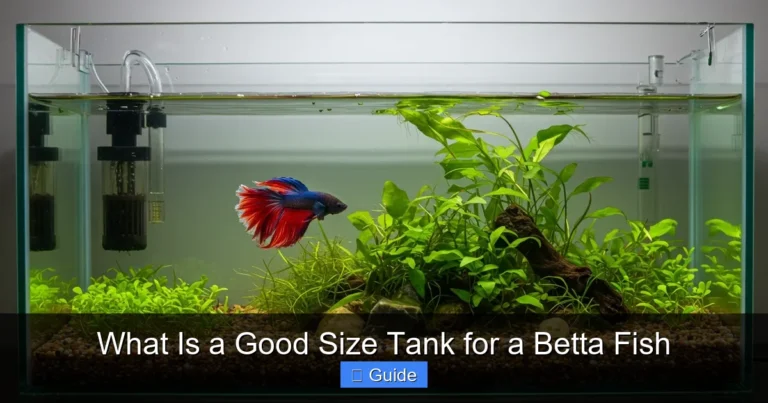
Are Betta Fish Cold Water

Are betta fish cold water animals? No, they are not. Betta fish are tropical freshwater fish that need warm water temperature between 76-82°F to stay healthy. Cold water can cause temperature shock, weaken their immune system, and even be deadly. In this guide, you will learn the ideal betta fish habitat, how to maintain proper warmth, and common mistakes to avoid.
Key Takeaways
- Betta fish are not cold water fish: They are tropical species that require consistently warm water to thrive and maintain good health.
- Cold water is dangerous: Exposing bettas to cold water can lead to temperature shock, sluggish behavior, and serious health problems.
- Optimal temperature range: The ideal water temperature for betta fish is between 76°F and 82°F (24-28°C).
- Use an aquarium heater: A reliable heater is the best way to maintain stable warm water conditions in your betta fish tank.
- Monitor regularly: Frequent temperature checks help prevent sudden fluctuations that can stress your betta and affect water quality.
📑 Table of Contents
- What Are Betta Fish and Why Temperature Matters
- Are Betta Fish Cold Water Fish?
- The Dangers of Cold Water for Betta Fish
- Optimal Temperature for Betta Fish
- How to Keep Your Betta Fish Tank at the Right Temperature
- Common Mistakes Bettas Owners Make with Temperature
- How Temperature Affects Betta Fish Behavior and Lifespan
- Expert Insights on Betta Fish Temperature
- Conclusion
What Are Betta Fish and Why Temperature Matters
Betta fish, also known as Siamese fighting fish, are one of the most popular freshwater fish in the world. They are famous for their bright colors, flowing fins, and unique personalities. But despite their tough reputation, bettas are actually quite sensitive. One of the biggest factors that affect their health is water temperature.
Many people assume that betta fish can live in any water conditions. After all, they are sold in small cups at pet stores, right? But here is the truth. Bettas are tropical fish. They come from warm, stagnant waters in Southeast Asia. Their entire body and immune system are built for warm water temperature. Putting them in cold water is one of the fastest ways to harm your fish.
Understanding your betta fish habitat is the first step toward great betta fish care. Temperature affects everything. It changes how your fish breathes, moves, eats, and even how long it lives. Let us dig deeper into why warm water is so important.
Are Betta Fish Cold Water Fish?
The short answer is no. Are betta fish cold water creatures? Absolutely not. Betta fish are tropical, warm-water fish. They need a stable and warm environment to survive. While they are more hardy than many other tropical species, they cannot handle prolonged exposure to cold conditions.
Some people confuse bettas with cold water fish like goldfish. Goldfish are built for cooler temperatures. Bettas are not. They are a betta fish species that naturally lives in warm climates. Their cold water tolerance is very low. Even a brief dip into cold water can cause stress and discomfort.
If you have ever wondered whether you can skip the heater, the answer is no. Most homes where the temperature drops below 70°F at night are too cold for bettas. Without a heater, your fish is essentially living in an uncomfortable environment every single day. To learn more about this topic, you can check out our detailed guide on whether betta fish are cold water fish for a deeper breakdown.
Where Do Betta Fish Come From?
Wild bettas live in rice paddies, ponds, and slow-moving streams in countries like Thailand, Malaysia, and Indonesia. These waters are warm, often sitting in tropical sunlight all day. The natural optimal temperature in these habitats ranges from 75°F to 86°F.
Because of this origin, bettas evolved to love warmth. Their metabolism, coloring, and activity levels all depend on it. Moving them to a cold environment goes completely against what nature intended for them.
The Dangers of Cold Water for Betta Fish
So what actually happens when your betta fish is kept in cold water? The dangers are real and serious. Cold water affects nearly every part of your fish’s life. Let us break it down.
Temperature Shock
Temperature shock is one of the most immediate risks. This happens when the water temperature drops quickly. Your betta’s body cannot adjust fast enough. Signs of shock include gasping at the surface, hiding, and loss of color. In severe cases, it can be fatal within hours.
Even a drop of just a few degrees can bother your fish. Bettas are not able to regulate their body heat like mammals can. They are cold-blooded, which means they rely entirely on the water around them. That is why stable water conditions are so important.
Weakened Immune System
Cold water slowly weakens your betta’s immune system. A fish that lives in water that is too cold for long periods becomes more vulnerable to diseases. Common problems include fin rot, ich, and bacterial infections. Good betta fish health starts with keeping the water warm enough.
Many fish keepers notice their bettas getting sick after a cold snap in their home. The heater may have been off for just a few days, but that is enough time to do damage. To understand the full risks, read our article on can water be too cold for betta fish and learn the warning signs to watch for.
Slowed Metabolism and Behavior
Cold water slows down a betta’s metabolism. This means your fish will eat less, move less, and sleep more. You might notice your betta becoming very lazy. This is not just a personality change. It is a health concern. Over time, a slow metabolism leads to poor digestion, weight loss, and a shorter betta fish lifespan.
Some owners ask, can cold water make betta fish slow? The answer is yes, and it is one of the first signs that something is wrong with the water temperature.
Can Betta Fish Die in Cold Water?
Yes. Prolonged exposure to cold water can kill a betta fish. While they may survive a brief cool dip, staying in cold water for days is extremely dangerous. To learn more about this serious risk, check out our detailed article on whether betta fish can die in cold water. We cover the exact temperature thresholds and what to do in an emergency.
Optimal Temperature for Betta Fish
So what is the perfect betta fish temperature? Let us lay it out clearly.
- Ideal range: 76°F to 82°F (24°C to 28°C)
- Sweet spot: 78°F (25.5°C)
- Minimum safe temperature: 72°F (22°C) for short periods only
- Danger zone: Below 70°F (21°C)
Most experienced hobbyists agree that 78°F is the best single target. At this temperature, your betta is active, eats well, and stays healthy. It also supports good fish comfort and natural betta fish behavior.
Why Consistency Matters More Than the Exact Number
A steady 77°F is better than a fluctuating 79°F. Why? Because sudden changes cause stress. Your betta does not care about hitting the perfect number. It cares about stability. Rapid swings in water temperature can cause just as much harm as a slightly low reading.
This is why a good aquarium heater with a built-in thermostat is so important. It keeps the temperature steady around the clock. Water quality and temperature go hand in hand. Both need to be stable for your fish to truly thrive.
How to Keep Your Betta Fish Tank at the Right Temperature
Now that you know the ideal numbers, let us talk about how to actually achieve them. Keeping a betta fish habitat warm and stable is not hard, but it does require the right tools and habits.
Use a Reliable Aquarium Heater
The single best investment you can make is a quality heater. Small tanks need small heaters, but they still need one. Look for a submersible heater that is rated for your tank size. A 25-watt heater works well for 2.5 to 5 gallons. Larger tanks may need 50 to 100 watts.
Place the heater near the filter outflow. This helps distribute warm water evenly throughout the fish tank. Avoid placing it directly next to the thermometer, as that can give you a false reading.
Get a Good Thermometer
You cannot manage what you do not measure. A simple stick-on thermometer or a digital probe will work. Check the temperature at least once a day. Some advanced heaters come with built-in displays, but a separate thermometer is always a smart backup.
Watch for Seasonal Changes
If you live in a place with cold winters, your room temperature can drop a lot. This affects your tank more than you might think. Even a room that goes from 72°F to 65°F at night can pull the tank temperature down. Keep your tank away from windows, doors, and drafty areas. Betta fish care includes protecting them from these environmental shifts.
Quick Tips for Maintaining Warm Water
- Always use a heater, even in summer if your room temperature drops at night.
- Keep the tank away from air conditioning vents and cold drafts.
- Do small, frequent water changes instead of large, infrequent ones to avoid temperature swings.
- Use a lid to reduce evaporation and heat loss.
- Consider a heater with an automatic shut-off to prevent overheating.
Common Mistakes Bettas Owners Make with Temperature
Even well-meaning owners make mistakes. Here are the most common ones. Avoiding these will keep your betta much happier and healthier.
Skipping the Heater
This is the number one mistake. Many people think their home is warm enough. But room temperature and tank temperature are not the same. A glass tank loses heat fast, especially at night. Without a heater, your betta is at risk every single day. To understand why bettas really need warm water, read our guide on are betta fish warm water for a complete explanation.
Using the Wrong Heater Size
A heater that is too small will struggle to keep up. A heater that is too large can overheat the tank. Always match your heater wattage to your tank size. When in doubt, go slightly larger but use a thermostat to control it.
Ignoring Temperature Changes
Some owners only check the temperature when something seems wrong. By then, it may be too late. Make daily checks a habit. Set a reminder on your phone if you need to. Your betta fish cannot tell you the water is getting cold. You have to be their advocate.
Putting the Tank in a Bad Spot
Where you place your tank matters a lot. Direct sunlight may seem warm, but it causes wild temperature swings and algae growth. A spot near a vent or drafty window is also bad. Find a stable, shaded area in your home for the best results.
Not Acclimating New Fish Properly
When you bring a new betta home, the water in the bag may be a different temperature than your tank. Dropping the fish straight in causes temperature shock. Always float the bag in the tank for 15 to 20 minutes. Then slowly mix small amounts of tank water into the bag before releasing your fish. This gentle approach makes a big difference.
How Temperature Affects Betta Fish Behavior and Lifespan
Temperature does more than just keep your betta alive. It shapes how your fish lives day to day. Let us look at the connection between warmth and your betta’s overall quality of life.
Activity Levels
A betta in warm water is active, curious, and engaged. It swims around the tank, builds bubble nests, and shows off its colors. A betta in cold water hides, sleeps, and barely moves. If you want to see your fish at its best, warm water is the key.
Eating Habits
Cold water slows digestion. Your betta may refuse food or eat very little. This leads to nutrient deficiencies over time. At the right temperature, your fish will eagerly accept meals and digest them properly. Good water quality paired with proper warmth leads to a much healthier fish.
Breeding and Bubble Nests
Male bettas build bubble nests when they feel comfortable and safe. Warm water encourages this natural behavior. If your betta never builds a nest, the temperature might be too low. It could also signal other problems, but temperature is always a good place to start.
Lifespan
The average betta fish lifespan is 2 to 5 years. But this range assumes proper care. A betta kept in cold water will likely live closer to the low end of that range. A betta in a well-maintained warm tank can live a full and healthy life. The difference is entirely in your hands.
Expert Insights on Betta Fish Temperature
Professional aquarists and fish veterinarians agree on one thing. Temperature management is the single most important factor in betta fish keeping. Dr. Joana Pinto, a veterinary aquatic specialist, once noted that most health issues in tropical fish are tied to poor temperature control. She stresses that a simple heater and thermometer combo can prevent the majority of common problems.
The takeaway is clear. Do not underestimate the power of warm, stable water. It is the foundation of everything else in your betta’s life. From color to appetite to immunity, it all starts with the right optimal temperature.
Conclusion
So, are betta fish cold water? No, they are not. Betta fish are warm-water tropical creatures that need consistent heat to live a full, healthy life. Cold water causes stress, illness, and even death. The ideal range is 76°F to 82°F, with 78°F being the sweet spot.
Investing in a good heater, checking the temperature daily, and avoiding common mistakes will set your betta up for success. These simple steps protect your fish and give it the best chance at a long, vibrant life. Your betta depends on you for everything. Give it the warm, stable betta fish habitat it deserves.
Apply what you have learned today. Check your heater. Check your thermometer. And make sure your little friend is living in the right conditions. A few small changes now can make a huge difference for your betta fish tomorrow.
Frequently Asked Questions
Can betta fish survive in cold water temporarily?
Betta fish can survive brief exposure to slightly cool water, but it should not last more than a few hours. Even short dips below 72°F can stress your fish and trigger health issues. Always use a heater to maintain a stable warm environment.
What is the minimum temperature a betta fish can handle?
The minimum safe temperature for a betta fish is around 72°F (22°C). Going below 70°F is considered dangerous and can lead to temperature shock. At these low temperatures, your betta’s immune system weakens rapidly and behavior becomes very sluggish.
Do betta fish need a heater even in summer?
Yes, in most cases betta fish need a heater year-round. Even during summer, room temperatures can drop at night or in air-conditioned rooms. A heater keeps the water stable at the ideal 76-82°F range, which is essential for your betta’s health and comfort.
Can I use a blanket or insulator to warm my betta tank instead of a heater?
No, a blanket or insulator is not a reliable substitute for a proper aquarium heater. These methods do not provide consistent warmth and can create uneven hot spots. A dedicated heater with a thermostat is the safest and most effective way to maintain the right water temperature for your betta.
How do I know if my betta fish is too cold?
Common signs that your betta is too cold include hiding, clamped fins, loss of color, staying near the surface, and reduced activity. If you notice these behaviors, check your water temperature immediately. A drop below 74°F is usually the cause and needs to be corrected quickly.
What happens if I put a betta fish in water that is too cold?
Placing a betta in water that is too cold can cause temperature shock, stress, and a weakened immune system. In severe cases, it can lead to death. Always acclimate your betta slowly and ensure the water is within the 76-82°F range before adding your fish to the tank.