Are Betta Fish and Guppies Compatible
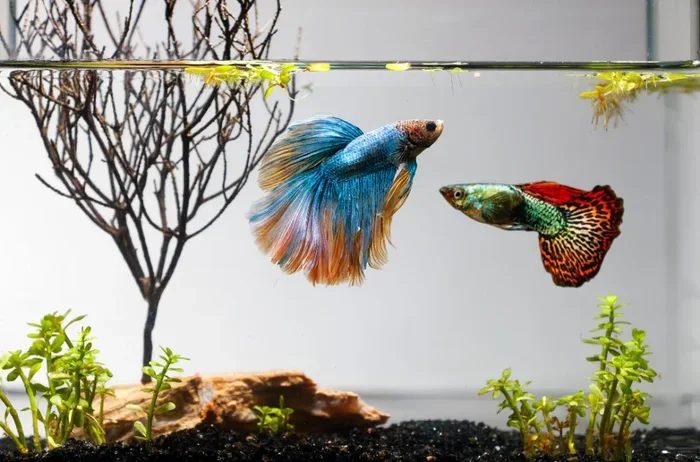
So, are betta fish and guppies compatible? The short answer is: it depends. Betta fish and guppies can live together under the right conditions, but their success hinges on tank setup, personality, and careful planning. This guide covers everything you need to know about keeping these two species in harmony.
Keeping a community aquarium is one of the most rewarding hobbies out there. You get to watch different fish species interact, swim together, and create a living masterpiece right in your living room. But when you start mixing species, one big question always comes up: will they get along?
If you are reading this, you probably already know that betta fish and guppies are two of the most popular tropical fish in the hobby. They are colorful, active, and widely available at almost every pet store. But can they live together peacefully? That is what we are going to explore in depth today. By the end of this guide, you will have a clear answer on whether betta fish and guppies are compatible and exactly what you need to do to make it work.
Key Takeaways
- Compatibility is possible: Betta fish and guppies can coexist if you set up the tank correctly and choose the right individual fish.
- Tank size matters a lot: A minimum of 10 gallons helps reduce aggression and territorial behavior.
- Betta personality is unpredictable: Some bettas are calm, while others are highly aggressive — always monitor their behavior closely.
- Guppy color and fin length can trigger aggression: Bright, long-finned guppies may look like rival bettas and provoke attacks.
- Plenty of hiding spots help: Plants, caves, and decorations break lines of sight and reduce stress for both species.
- Watch for fin nipping and chasing: These are early warning signs that the two species may not be a good match.
📑 Table of Contents
Understanding Betta Fish and Guppies
Before we dive into compatibility, let us talk about each species individually. Understanding their natural behaviors and needs gives you a huge advantage when planning a shared tank.
What Makes Betta Fish Tick
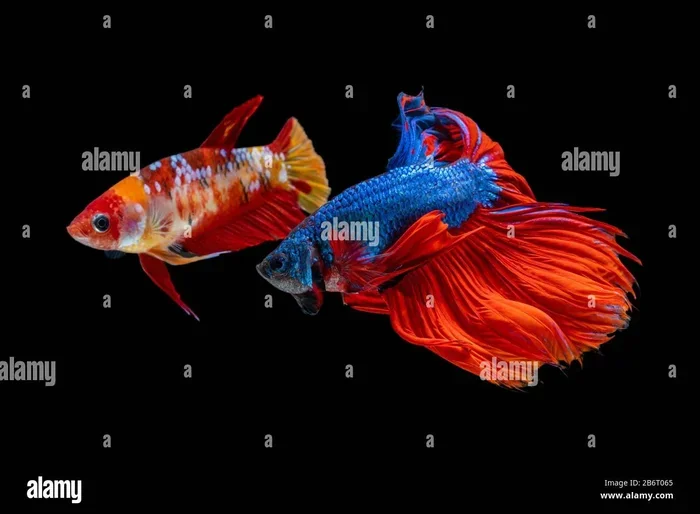
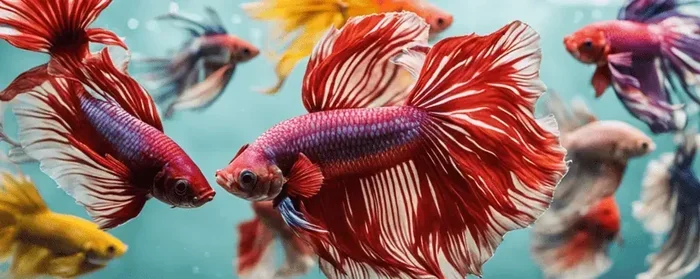
Betta fish, also known as Siamese fighting fish, are native to the warm, slow-moving waters of Southeast Asia. They are known for their long, flowing fins and vibrant colors. Male bettas are especially territorial. In the wild, they defend small patches of territory from other males. This instinct does not disappear in captivity.
Here are some key traits of betta fish:
- Territorial by nature: Males will flare and attack fish that look similar or have long fins.
- Solitary creatures: In most cases, male bettas do best kept alone.
- Labyrinth organ: They can breathe atmospheric air, which means they can survive in low-oxygen water.
- Variable temperament: Some bettas are docile, while others are extremely aggressive.
Understanding these traits is essential when you ask, are betta fish and guppies compatible. The answer starts with knowing what drives your betta’s behavior.
What Makes Guppies Special
Guppies are small, colorful livebearers from South America. They are beloved for their ease of care and endless color variations. Guppies are peaceful by nature and tend to mind their own business. They are also prolific breeders, which means their population can grow fast if you are not careful.
Here is what you should know about guppies:
- Peaceful temperament: Guppies rarely bother other fish.
- Active swimmers: They move quickly and constantly explore the tank.
- Livebearers: They give birth to live fry rather than laying eggs.
- Varied appearances: Some guppies have long, flowing tails that can trigger betta aggression.
Because guppies are so peaceful, many fish keepers assume they are perfect tank mates for bettas. But that is not always the case, as we will see below.
Are Betta Fish and Guppies Compatible?
The honest answer is: sometimes. There is no one-size-fits-all answer. Whether betta fish and guppies can live together depends on several factors, including the individual betta’s personality, tank setup, and the type of guppy you choose.
Many experienced fish keepers have successfully housed these two species together. But just as many have learned the hard way that it does not always work. The key is to go in with your eyes open and be prepared to make changes if needed.
Why Compatibility Is Tricky
The main issue is the betta’s territorial nature. Guppies are small, brightly colored, and often have flowing tails. To a betta, a male guppy might look like another male betta invading its space. This can trigger chasing, flaring, and even fin nipping.
On the other hand, guppies are fast and tend to stay in the upper and middle parts of the tank. Bettas often patrol the middle and upper levels too. This overlap in swimming zones increases the chances of conflict.
If you want a deeper dive into this topic, check out our full guide on can guppies and betta fish live in the same tank for more detailed advice.
When It Works Well
There are definitely situations where these two species thrive together. Here are the conditions that give you the best chance of success:
- A large enough tank: At least 10 gallons, ideally 15 to 20 gallons.
- Heavy planting: Live plants break up lines of sight and provide hiding spots.
- A calm betta: Some individual bettas are simply more laid-back than others.
- Female or plain-colored guppies: Less flashy guppies are less likely to trigger aggression.
- Proper feeding: Both species get enough food, reducing competition and stress.
Many keepers report that female bettas tend to be less aggressive than males. If you are set on keeping both species, you might want to explore whether a female betta would be a better fit. You can learn more about this in our article on are male and female betta fish compatible.
Setting Up the Right Tank
If you decide to move forward, your tank setup will make or break the experiment. A well-planned aquarium gives both species the space and comfort they need to coexist.
Tank Size Requirements
A 5-gallon tank is too small for this combination. Bettas need stable water conditions, and guppies produce waste quickly in small volumes. Aim for at least a 10-gallon tank. A 20-gallon long tank is even better because it provides more horizontal swimming space.
Here is a quick comparison of tank sizes:
- 5 gallons: Too small. High stress, poor water quality. Not recommended.
- 10 gallons: Minimum acceptable size. Requires diligent maintenance.
- 15-20 gallons: Ideal range. More room for decoration and swimming.
- 20+ gallons: Best option. Easier to maintain stable parameters.
Plants and Decorations
Live plants are your best friend in a mixed betta-guppy tank. They serve multiple purposes:
- Break lines of sight: Fish cannot see each other constantly, which reduces tension.
- Provide hiding spots: Both species need places to retreat when feeling threatened.
- Improve water quality: Plants absorb nitrates and produce oxygen.
- Create a natural feel: This reduces stress for all inhabitants.
Good plant choices include java fern, anubias, amazon sword, and floating plants like frogbit or water lettuce. Add caves, driftwood, and smooth rocks to create more hiding places.
Water Parameters
Both bettas and guppies thrive in similar water conditions, which is one reason they are often considered as potential tank mates. Here are the ideal ranges:
- Temperature: 76-82°F (24-28°C)
- pH: 6.5-7.5
- Ammonia: 0 ppm
- Nitrite: 0 ppm
- Nitrate: Below 20 ppm
Invest in a good aquarium thermometer and a reliable test kit. Stable water parameters are the foundation of a healthy tank. If you want tips on maintaining water quality, our article on are betta fish good to keep with guppies covers this topic in more detail.
Signs of Incompatibility
Even with the best setup, things can go wrong. Knowing the warning signs helps you act quickly and protect both your betta and your guppies.
Chasing and Flaring
If your betta constantly chases guppies around the tank or flares at them every time they swim by, that is a red flag. Occasional flaring is normal. Constant, aggressive chasing is not. It means the betta sees the guppies as a threat.
Fin Nipping and Torn Fins
Watch for torn or ragged fins on your guppies. Bettas may nip at the long fins of fancy guppy varieties. Guppies may also nip at betta fins, though this is less common. Torn fins can lead to infections and stress, which weakens the immune system of both species.
If you notice persistent aggression, you need to separate the fish immediately. Our guide on do betta fish fight with guppies goes deeper into understanding and preventing these conflicts.
Loss of Appetite
A stressed fish stops eating. If your betta or guppies suddenly lose interest in food, something in the tank is wrong. Stress from constant confrontation is a common cause. Monitor feeding times closely and make sure all fish are getting enough to eat.
Best Practices for Success
Want to give this combination the best shot? Follow these proven tips from experienced aquarists.
- Start with a calm betta: If possible, choose a betta with a known peaceful temperament. Ask the store staff about the fish’s behavior.
- Choose plain guppies: Avoid the most colorful, long-finned varieties. Standard or wild-type guppies are less likely to trigger aggression.
- Introduce guppies first: Let the guppies settle in before adding the betta. This prevents the betta from claiming the entire tank as its territory from day one.
- Feed separately if needed: Use a feeding ring or target feeding to make sure the betta gets its food without guppies gobbling it all up.
- Observe daily: Spend a few minutes each day watching how the fish interact. Early detection of problems saves lives.
- Have a backup plan: Keep a separate tank ready in case you need to rehome one of the species.
Expert Insight: Many seasoned aquarists recommend starting with a female betta when mixing with guppies. Female bettas tend to be less territorial and more social than their male counterparts. This simple switch can dramatically improve your chances of a peaceful community tank.
Common Mistakes to Avoid
Even well-meaning fish keepers make mistakes. Here are the most common ones when pairing bettas with guppies:
- Using too small a tank: A cramped tank amplifies aggression and raises stress levels for everyone.
- Ignoring hiding spots: Without plants and decorations, fish have nowhere to escape confrontation.
- Overcrowding: Too many fish in one tank leads to competition, waste buildup, and conflict.
- Skipping quarantine: New fish can introduce diseases. Always quarantine new arrivals for at least two weeks.
- Assuming all bettas are the same: Every betta has a unique personality. What works for one fish may not work for another.
Avoiding these mistakes gives both your betta and your guppies a much better chance at a happy, healthy life together.
Alternative Tank Mates for Each Species
If you find that bettas and guppies simply do not work out in your tank, do not worry. There are plenty of other options for both species.
For bettas, consider peaceful bottom-dwellers like corydoras catfish, kuhli loaches, or small shrimp species like ghost shrimp and amano shrimp. These fish occupy different levels of the tank and are less likely to provoke aggression.
For guppies, consider peaceful community fish like neon tetras, ember tetras, or corydoras. These species share similar water parameter needs and gentle temperaments.
Want a broader list of options? Check out our guide on which fish are compatible with betta fish for more ideas.
Conclusion
So, are betta fish and guppies compatible? The answer is a cautious yes. With the right tank size, plenty of plants and hiding spots, and careful observation, these two species can live together. But it is not guaranteed. Every betta has its own personality, and sometimes the chemistry just does not work out.
The most important thing is to be prepared. Set up your tank properly, choose your fish carefully, and watch their behavior closely. If things are not working, be willing to separate the species. The well-being of your fish always comes first.
Keeping a mixed-species tank is a learning experience. Every tank teaches you something new about fish behavior and aquarium management. Whether bettas and guppies work out in your setup or not, you will grow as a fish keeper and gain valuable knowledge for future projects.
Frequently Asked Questions
Can male betta fish live with guppies?
Male bettas can live with guppies, but it is risky. Male bettas are highly territorial and may view the colorful guppies as rivals. Success depends on the individual betta’s temperament, tank size, and the presence of plenty of hiding spots. Always monitor their behavior closely, especially in the first few weeks.
What is the best tank size for bettas and guppies together?
A minimum of 10 gallons is recommended, but 15 to 20 gallons is ideal. A larger tank reduces territorial behavior by giving each fish more space to claim. It also makes water parameters easier to stabilize, which benefits both species.
Why do bettas chase guppies?
Bettas chase guppies because they perceive them as a threat. Bright colors and long fins on guppies can trigger the betta’s territorial instincts. Stress, overcrowding, and insufficient hiding spots can make chasing worse. If chasing is constant, you need to separate the fish.
Are female bettas better tank mates for guppies?
Female bettas are generally less aggressive than males and tend to be better tank mates for guppies. They are also more social and can coexist with other peaceful fish more easily. However, individual personality still plays a big role, so observation is key.
Can guppies harm betta fish?
Guppies rarely harm bettas directly. However, guppies are fast swimmers and may nip at betta fins in rare cases. The bigger concern is that guppies breed rapidly, which can lead to overcrowding and poor water quality. Overcrowding stresses the betta and can lead to health problems.
What should I do if my betta and guppies are fighting?
If fighting occurs, separate the fish immediately. Use a divider or move one species to a different tank. Reassess your tank setup — add more plants, increase tank size, or rehome one of the species. Not every combination works, and that is okay. Fish welfare always comes first.
=== CONCLUSION ===
Are betta fish and guppies compatible? Yes, but with conditions. The right tank setup, careful fish selection, and ongoing monitoring are all essential. Keep the water clean, provide plenty of hiding spots, and never ignore signs of stress or aggression. With patience and attention, you can create a beautiful community tank that showcases both of these stunning species. Start small, learn from the experience, and enjoy the journey of building a thriving aquarium.