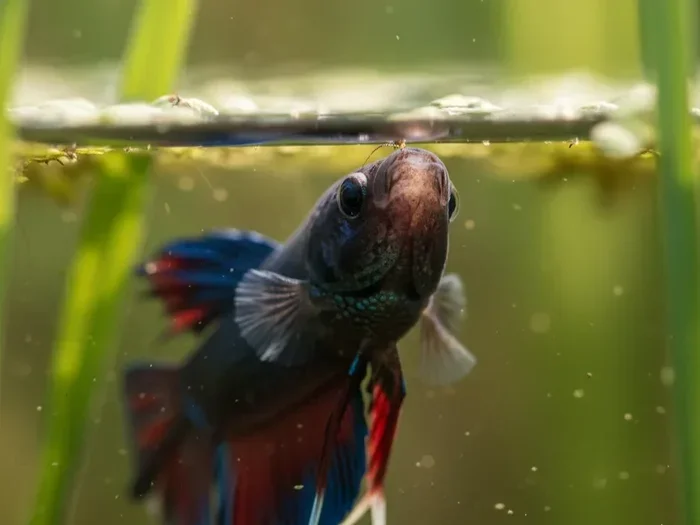
Are Betta Fish Aggressive Towards Humans

Are betta fish aggressive towards humans? Generally, no. Most betta fish are peaceful around their owners and show curiosity rather than hostility. However, betta fish aggression can surface due to stress, poor betta fish water conditions, or mishandling. Understanding their betta fish behavior is the key to a happy, safe relationship.
Key Takeaways
- Betta fish are not naturally aggressive towards humans: Their reputation comes from fin-nipping and tank fights, not hostility to people.
- Stress is the main trigger: Poor water quality, small tanks, and loud noises can make your betta react defensively.
- Hand washing matters: Always rinse your hands before reaching into the tank to avoid transferring irritants.
- Slow movements build trust: Quick hand movements near the tank can spook your betta and trigger a defensive betta fish reaction.
- Bites are rare and harmless: A betta fish bite is more surprising than painful and usually happens by accident.
- Bonding is possible: With patience, your betta fish pet can recognize you and even interact positively.
📑 Table of Contents
- Are Betta Fish Aggressive Towards Humans?
- Understanding Betta Fish Temperament
- Common Triggers for Defensive Behavior
- How to Tell If Your Betta Fish Is Stressed
- How to Handle Your Betta Fish Safely
- Building Trust and Bonding With Your Betta
- Common Mistakes That Increase Betta Aggression Toward Humans
- Quick Tips for a Calm and Happy Betta
- Conclusion: Are Betta Fish Aggressive Towards Humans?
Are Betta Fish Aggressive Towards Humans?
If you own a betta fish or plan to get one, you might wonder about their temperament. Specifically, are betta fish aggressive towards humans? The short answer is: not really. Bettas are known for their vivid colors and bold personalities, but their aggression is mostly directed at other fish, not at you.
That said, betta fish behavior can change depending on their environment, mood, and how you interact with them. A stressed betta might flash its fins or hide behind decorations when you approach the tank. This is not outright aggression. It is a betta fish stress response. Understanding the difference is important for any betta fish owner.
In this guide, we will break down everything you need to know. We will cover what triggers defensive reactions, how to handle your betta safely, and how to build a real bond. We will also touch on whether can betta fish see humans and can betta fish hear humans, since these senses play a big role in how they respond to you. By the end, you will feel confident about interacting with your colorful companion.
Understanding Betta Fish Temperament
To answer the question are betta fish aggressive towards humans, you first need to understand their natural betta fish temperament. Bettas are solitary creatures by nature. In the wild, they defend their betta fish territory against other male bettas. This is why they are called “Siamese fighting fish.” But this fighting instinct is aimed at other fish, not at people.
A betta fish species like the one living in your home aquarium is a curious animal. They watch their surroundings closely. Many owners notice their bettas following their fingers along the glass or “begging” for food. These are signs of interest, not aggression. They actually can betta fish see humans quite well, and they recognize movement and shapes outside the tank.
Here is a quick comparison of how bettas typically react to different situations:
| Situation | Typical Betta Reaction | Aggression Level |
|---|---|---|
| Owner approaches tank | Curious, swims closer, watches | None |
| Hand enters the tank slowly | Observes, may flare fins briefly | Low |
| Sudden hand movement near tank | Hiding, darting away | Defensive, not aggressive |
| Tank is very small or dirty | Restless, fin-flaring, lethargic | Stress-driven |
| Another fish is nearby | Flaring, chasing, attacking | High (toward fish, not humans) |
As you can see, most reactions are either curiosity or stress. True betta fish aggression toward a person is extremely rare. Their bold display of flaring is usually a self-defense mechanism. They are trying to look big and scary to protect themselves. It is not an attack on you.
Common Triggers for Defensive Behavior
Even though bettas are not out to get you, certain things can cause a defensive betta fish reaction. Knowing these triggers helps you avoid putting your fish in a stressful situation. This is a core part of responsible betta fish care.
Poor Water Conditions
One of the biggest mistakes new owners make is ignoring water quality. Dirty water, high ammonia levels, or wrong temperature can make your betta feel constantly threatened. If are water filters necessary for betta fish is a question you have had, the answer is yes. Clean, warm water (around 78-80°F) keeps your betta comfortable and less reactive. Poor betta fish water conditions directly lead to stress and erratic behavior.
Small or Empty Tanks
A tiny bowl might look cute, but it is bad for your fish. A small space limits swimming room and makes the betta feel trapped. When they feel trapped, they become defensive. A minimum 5-gallon tank is recommended. Adding plants, caves, and decorations gives them places to explore and hide. This lowers their overall stress and reduces any chance of seeing are betta fish aggressive towards humans as a real issue.
Loud Noises and Sudden Movements
Bettas are sensitive to vibrations and sound. Loud music near the tank, banging on the glass, or quickly slamming a door nearby can startle them. You might wonder, can betta fish hear humans? They can detect low-frequency vibrations and pressure changes in the water. So while your voice will not scare them, a sudden loud crash might. Keep the area around your tank calm and quiet.
Mirrors and Reflections
Some owners use mirrors to trigger fin-flaring for photos or entertainment. This is actually stressful for your fish. Every time they see their own reflection, they think a rival has invaded their betta fish territory. Repeated mirror exposure can lead to chronic stress and a weakened immune system. Avoid this practice entirely.
Overhandling or Rough Handling
If you reach into the tank too quickly or grab your betta with a net carelessly, they will defend themselves. A betta fish bite is uncommon but can happen when the fish feels cornered. Always move slowly and be gentle. This applies to netting, transferring, or any direct betta fish handling.
How to Tell If Your Betta Fish Is Stressed
Reading your betta’s body language is an essential skill. A stressed betta will show clear signs before anything escalates. Here are the most common stress indicators to watch for:
- Hiding constantly: Your betta stays behind plants or decorations and refuses to come out.
- Clamped fins: Fins held close to the body signal discomfort or illness.
- Rapid breathing: Fast gill movement suggests poor water quality or stress.
- Color fading: A healthy betta is vibrant. Dull colors often mean something is wrong.
- Erratic swimming: Darting around the tank randomly is a sign of anxiety.
- Refusing food: A healthy betta fish diet schedule means they should eat eagerly. Skipping meals is a red flag.
- Flaring at reflections: Seeing their own shape repeatedly triggers a stress response.
If you notice several of these signs together, act fast. Test your water parameters first. Check the temperature. Make sure the tank is not placed in a high-traffic or noisy area. Addressing these issues early prevents long-term health problems and keeps your betta fish personality bright and active.
Also, consider whether are betta fish more aggressive to larger fish might be playing a role. If you keep other fish, your betta might be stressed by tank-mates that are too large or territorial. Sometimes the aggression is actually coming from the other direction. Always research compatible tank-mates before adding them.
How to Handle Your Betta Fish Safely
Direct betta fish handling is not something you need to do often. In fact, most experts recommend keeping your hands out of the tank as much as possible. But sometimes you need to clean the tank, move decorations, or check for injury. Here is how to do it safely.
Step 1: Wash Your Hands Thoroughly
This is the most important step. Your hands may carry soap residue, lotion, bacteria, or chemicals that are harmful to fish. Always rinse your hands with clean, dechlorinated water before reaching into the tank. This protects your betta from can humans contract bacterial infections from betta fish in reverse. It also protects you from any potential pathogens the fish might carry.
Step 2: Move Slowly and Predictably
Quick hand movements can spook your fish. They have good vision and can betta fish see humans clearly, so they will notice your hand entering the water. Slide your hand in slowly. Let your betta see you are not a threat. Give them time to react and adjust.
Step 3: Avoid Grabbing the Fish
Never grab a betta with your bare hands or a rough net. Use a soft, fine-mesh net if you need to move them. Scoop gently from below. Hold the net in the water so the fish does not feel exposed. A stressed betta in an air-filled net can injure itself by thrashing against the mesh.
Step 4: Keep Sessions Short
If you are doing tank maintenance, try to keep your hand in the water for as short a time as possible. Long, intrusive sessions wear on your betta’s nerves. A quick five-minute cleaning session is plenty. Let your fish settle back into its routine before you remove your hands.
Quick Tip: If your betta flares at your hand the first time you reach in, do not panic. This is a normal betta fish reaction. Wait a few seconds. Most bettas calm down quickly and resume their normal activity. Over time, they get used to your hand being present.
Building Trust and Bonding With Your Betta
One of the most rewarding parts of owning a betta is forming a connection. Many owners want to know if can betta fish bond with humans. The answer is yes. Bettas can recognize their owners. They learn your face, your hand movements, and even your routine. Some bettas will swim to the front of the tank when their owner approaches. This is a clear sign of recognition and positive association.
Use Feeding Time as a Bonding Opportunity
Feeding is the best way to build trust. Use your hands to drop food into the tank (after washing them, of course). Your betta will begin to associate your presence with food and positive experiences. You can also use feeding rings or target feeding with a pipette to create interaction. This kind of betta fish training is simple and effective.
Talk Softly to Your Fish
While can betta fish hear humans is limited to low-frequency vibrations, many owners report that their bettas respond to a calm, consistent voice. Talking softly near the tank helps your fish get used to your presence. It creates a soothing environment. Avoid yelling or slamming words near the water, as sudden loud sounds can startle them.
Add Interactive Decorations
Stimulating your betta’s environment reduces boredom and stress. Add floating plants, tunnels, and mirrors (used sparingly and temporarily). A bored betta is a stressed betta. Enrichment keeps their betta fish mood positive and gives them something to explore besides watching your every move.
Expert Insight: “Bettas are more intelligent than most people give them credit for,” says Dr. Michael Davenport, a fish behavior researcher. “They can learn simple tasks, recognize their owners, and show distinct preferences for certain people. Building trust takes patience, but the reward is a fish that actively seeks interaction.”
Be Patient and Consistent
Trust is not built overnight. Some bettas warm up in a few days. Others take weeks. Do not force interaction. Let your betta come to you on its own terms. If your fish hides every time you approach, give it space. Eventually, curiosity will win over fear. Consistency in your daily routine helps them feel secure and reduces any betta fish aggression toward you.
Also explore: What Fish Live Well With a Betta and Can Betta Fish Bond With Their Owners for more tips on creating a peaceful community and strengthening your bond.
Common Mistakes That Increase Betta Aggression Toward Humans
Even well-meaning owners can accidentally trigger defensive behavior. Here are the most common mistakes to avoid:
- Using a harsh net: Rough nets injure fins and cause fear. Switch to a soft mesh net.
- Ignoring water changes: Dirty water causes chronic stress. Perform weekly partial water changes of 25-30%.
- Overcrowding the tank: Too many fish or too much decoration restricts swimming space. Keep the tank simple and open.
- tapping the glass: This irritates your fish and can cause them to flare defensively. Do not tap the glass.
- placing the tank in direct sunlight: Excess heat and light stress bettas. Use indirect lighting and a stable room temperature.
- skipping water conditioning: Tap water contains chlorine that burns fish skin and causes stress. Always use a water conditioner before adding water to the tank.
Avoiding these simple errors goes a long way. Your betta fish pet will be happier, healthier, and much less likely to show any defensive reactions around you.
Quick Tips for a Calm and Happy Betta
- Keep the tank at 78-80°F (25-27°C) at all times.
- Use a gentle filter with low flow. Bettas hate strong currents.
- Feed a varied betta fish diet with high-quality pellets and occasional frozen or live food.
- Add live or silk plants for hiding spots and comfort.
- Spend a few minutes daily observing your fish and interacting gently.
- Test water parameters weekly to catch problems early.
- Avoid placing the tank near speakers, doors, or high-traffic areas.
Conclusion: Are Betta Fish Aggressive Towards Humans?
So, are betta fish aggressive towards humans? The answer is overwhelmingly no. Bettas are naturally peaceful toward their owners. Their aggressive reputation comes from their interactions with other fish, especially rival males. When a betta flares at your hand, it is almost always a stress response or a momentary defensive reaction, not true hostility.
By providing clean water, a spacious tank, proper diet, and gentle handling, you can keep your betta calm and friendly. Building trust takes time. Be patient. Use slow movements. Wash your hands before every interaction. Pay attention to your fish’s body language. Over time, you will likely have a betta that greets you at the glass and seems genuinely happy to see you.
Remember, every betta fish personality is different. Some are bold and curious. Others are shy and reserved. Both types can thrive with the right care. Now that you understand their behavior and know how to handle them safely, you are ready to enjoy a wonderful relationship with your betta. Apply these tips today and watch your fish transform from a stressed stranger into a trusting companion.
Frequently Asked Questions
Can a betta fish actually bite a human?
Yes, but it is very rare. A betta might bite if it mistakes your finger for food or feels cornered. Their bite is not harmful. It feels more like a small tug or peck. Most owners are surprised more than hurt. To prevent this, avoid putting fingers directly into the tank and always wash your hands before handling.
Why does my betta fish flare at me when I approach the tank?
Fin-flaring is a self-defense behavior. Your betta sees you as a large unknown presence and is trying to look bigger and more intimidating. This is completely normal, especially in new fish. Over time, as your betta recognizes you and associates you with food and safety, the flaring will stop. You can learn more about this in our article on do betta fish attack humans.
Do betta fish recognize their owners?
Yes, many betta fish owners report that their fish recognize them. Bettas can distinguish between different faces and body shapes. They often swim eagerly to the front of the tank when their owner walks by. This recognition develops through daily interaction, consistent feeding routines, and gentle presence near the tank. If you want to strengthen this bond, check out our guide on can betta fish bond with their owners.
Is it safe to let my betta fish swim in a bowl with me?
It is not recommended. Bowls do not provide adequate space, filtration, or temperature control for a betta. They are not safe for the fish. If you want your betta out of the tank briefly, use a clean container filled with tank water. Never place your betta in a small, open bowl near sinks, buckets, or areas where it could be accidentally spilled or harmed.
Can betta fish feel emotions like fear or happiness?
Bettas experience basic emotional states like stress, comfort, and curiosity. A healthy, active betta with bright colors and open fins is likely content. A hiding, lethargic, or clamped-finned betta is likely stressed. While fish do not experience complex emotions like humans do, they absolutely respond to their environment and can feel fear, comfort, and contentment. Good betta fish care ensures they live in a state of positive well-being.
What should I do if my betta fish keeps hiding every time I approach?
Do not worry. This is a common issue, especially with newly acquired bettas. Give your fish time to adjust. Avoid reaching into the tank too often at first. Make sure the water conditions are optimal. Add plenty of hiding spots like plants and caves. Speak softly near the tank and move slowly. Eventually, your betta will become curious again. If hiding persists for more than a week, check water temperature and parameters to rule out underlying health or environmental problems.