What Fish Can You Put in with a Betta
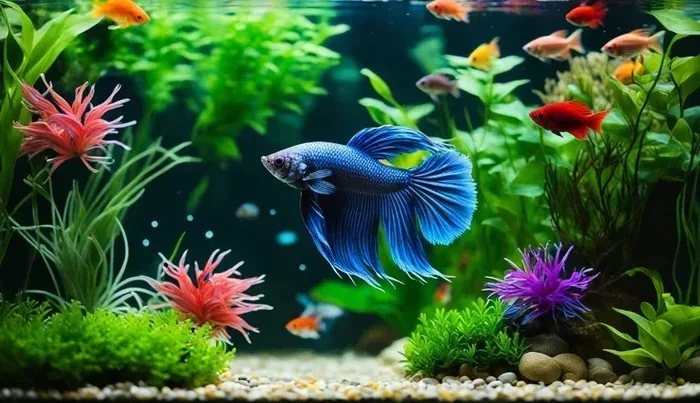
Knowing what fish can you put in with a betta is the key to a happy, healthy aquarium. Bettas are beautiful but can be territorial, so choosing the right tank mates matters a lot. This guide covers the best companions, fish to avoid, and practical tips for a peaceful community tank. You will learn exactly how to pick compatible fish and set up your tank for success.
So you have a gorgeous betta fish swimming around your tank, and you want to add some friends. That is a great idea! But here is the thing — not every fish gets along with a betta. What fish can you put in with a betta is one of the most common questions new aquarium owners ask. The answer is not as simple as just picking any fish and dropping them in. Bettas can be territorial, especially males, and some fish species will trigger aggression or stress. In this guide, we walk you through everything you need to know about choosing the right betta tank mates. You will learn which fish work best, which ones to avoid, and how to set up your tank for a peaceful community.
Adding tank mates to a betta tank can be super rewarding. Watching your betta interact with other fish brings a whole new level of enjoyment to your aquarium. But it takes the right setup and the right choices. Compatible fish for bettas share similar water conditions, temperament, and swimming space needs. When you get it right, your tank becomes a lively, colorful ecosystem. When you get it wrong, your betta may become stressed, aggressive, or even injured. That is why this guide exists — to help you make informed decisions every step of the way.
Key Takeaways
- Choose peaceful, non-aggressive fish: Fish like corydoras, kuhli loaches, and neon tetras make excellent betta tank mates.
- Avoid bright, fin-nipping species: Guppies, angelfish, and goldfish can stress or harm your betta.
- Consider snails and shrimp: Mystery snails and ghost shrimp are great low-risk companions for bettas.
- Tank size matters: A minimum 10-gallon tank gives your betta and tank mates enough space to coexist.
- Monitor behavior closely: Watch for signs of stress or aggression when introducing new fish to your betta.
- Set up the tank properly first: Add hiding spots, plants, and enough territory before introducing new fish.
- Female bettas are more social: They often do better with tank mates than male bettas.
📑 Table of Contents
Understanding Betta Fish Temperament
Before you add any fish to your betta tank, you need to understand how bettas behave. Bettas are also called Siamese fighting fish, and for good reason. Males in particular are known for their aggressive nature. In the wild, bettas defend small territories, and they will often fight other bettas or fish that look similar.
Why Bettas Can Be Aggressive
Betta aggression comes from their natural instincts. Male bettas have long, flowing fins and bright colors. These traits make them look threatening to other fish. Even if your betta seems calm most of the time, it can become territorial when a new fish enters the tank. Here are some key reasons bettas show aggression:
- Territorial behavior: Bettas see other fish as intruders, especially those with bright colors or long fins.
- Stress triggers: Small tanks, poor water quality, and lack of hiding spots increase aggression.
- Breeding instincts: Male bettas become more aggressive during breeding seasons.
- Personality differences: Some bettas are naturally more aggressive than others.
Understanding your betta’s personality is the first step in choosing the right betta fish companions. Watch your fish closely for a few days before introducing anyone new. A calm betta in a well-set-up tank is more likely to accept tank mates than a stressed one.
Best Fish Tank Mates for Bettas
Now for the fun part — picking out friends for your betta! The best betta tank mates are peaceful fish that stay out of your betta’s way. They should not nip at fins, compete for the same food, or invade your betta’s territory. Here are some top choices that work well in a community tank with bettas.
Corydoras Catfish
Corydoras, or corys, are small bottom-dwelling fish that are peaceful and social. They stick to the lower parts of the tank, which means they rarely bother your betta. Corys are also fun to watch as they scavenge the substrate for food. A small group of corys makes a great addition to a betta tank.
Kuhli Loaches
Kuhli loaches are eel-like fish that stay mostly hidden during the day. They are peaceful, quirky, and keep to themselves. These fish are nocturnal, so they are most active at night when your betta is resting. Kuhlis are excellent community tank with betta candidates because they rarely compete for the same space.
Neon Tetras
Neon tetras are small, colorful schooling fish that add a lot of movement to a tank. They stay in the middle and upper levels of the tank, which is different from where bettas like to hang out. A school of neon tetras can create a beautiful display. Just make sure the tank is large enough to accommodate both species comfortably.
Harlequin Rasboras
Harlequin rasboras are another great schooling fish. They are hardy, peaceful, and have a subtle copper color that complements a betta’s vibrant hues. Rasboras swim in groups, so they keep each other company and stay away from your betta’s territory.
Mystery Snails
If you want low-maintenance companions, mystery snails are hard to beat. They clean algae off the tank walls and do not interact with your betta much. Snails as betta companions are one of the safest options because they stay out of your betta’s way and do not provoke aggression. Plus, they are fascinating to watch.
Ghost Shrimp
Ghost shrimp are tiny, transparent crustaceans that add a unique look to any aquarium. They are peaceful and stay hidden a lot of the time. Most bettas ignore ghost shrimp, but some may try to hunt them. If you have a well-fed betta, the risk is low. Ghost shrimp also help keep the tank clean by eating leftover food.
Fish to Avoid With Bettas
Just as important as knowing what to add is knowing what to keep out. Some fish species are a bad match for bettas and can cause serious problems. Here is a list of fish you should avoid putting in a betta tank.
Goldfish
Goldfish might seem like an easy choice, but they are a terrible match for bettas. Goldfish produce a lot of waste, which spikes ammonia levels in the water. They also grow very large and need cold water temperatures, while bettas need warm water. Keeping other fish with bettas like goldfish is a recipe for disaster for both species.
Angelfish
Angelfish are beautiful but can be aggressive and territorial. They have long fins that may trigger your betta’s fin-nipping instincts. Angelfish also grow quite large and need more space than a typical betta tank provides.
Guppies
Guppies are small and colorful, which sounds like a good match on paper. But guppies have long, flowing tails that can trigger your betta’s aggression. Male guppies also have bright colors that your betta may see as a threat. Many aquarists report that bettas chase and nip at guppies constantly.
Other Male Bettas
This one might seem obvious, but it needs saying — never put two male bettas in the same tank. They will fight, and the results can be fatal. Even two females can sometimes be aggressive toward each other, so female bettas need careful introduction and plenty of space.
Setting Up a Compatible Community Tank
Picking the right fish is only half the battle. You also need to set up your tank properly to give every fish enough space and resources. A well-planned tank reduces stress and aggression for all inhabitants.
Tank Size Requirements
A single betta needs at least a 5-gallon tank. If you want to add tank mates, go for a 10-gallon tank or larger. More space means less territory to defend, which keeps your betta calmer. Smaller tanks concentrate waste and increase the chances of conflict between fish.
Plants and Hiding Spots
Live plants are your best friend when building a community tank with betta. Plants create natural barriers that break up lines of sight between fish. Your betta feels more secure, and other fish have places to hide if needed. Some great plant choices include java fern, anubias, and amazon sword. You can also add caves, driftwood, and other decorations to create hiding spots.
Adding plants also improves water quality by absorbing nitrates and producing oxygen. If you are wondering about which plants work well, check out our guide on what plants can go in with betta fish for more ideas.
Water Parameters
Betta fish need warm water between 76 and 82 degrees Fahrenheit. The best tank mates for bettas share similar water parameter requirements. Before adding any fish, make sure the species you choose thrives in the same temperature and pH range. Here is a quick comparison of popular tank mates and their water needs:
- Corydoras: 72-78°F, pH 6.0-7.0
- Neon Tetras: 70-81°F, pH 5.5-7.0
- Kuhli Loaches: 73-86°F, pH 5.5-6.5
- Mystery Snails: 76-84°F, pH 7.0-7.5
- Ghost Shrimp: 72-82°F, pH 6.5-8.0
As you can see, most of these species overlap with betta water preferences. Always test your water regularly and keep parameters stable to keep all your fish healthy.
Feeding Considerations
Bettas are carnivores and need a protein-rich diet. Many community fish are omnivores and eat different foods. Make sure all fish in the tank get enough to eat. You may need to target-feed your betta with pellets or frozen bloodworms while other fish eat flakes or sinking wafers. Uneaten food can dirty the water quickly, so remove any leftovers after a few minutes.
Tips for Introducing New Fish to Your Betta
Adding a new fish to your betta tank should be done carefully. A rushed introduction can lead to stress, fighting, and even injury. Follow these steps to make the process as smooth as possible.
- Quarantine new fish first: Keep new fish in a separate tank for 2 to 3 weeks. This helps you spot any diseases or parasites before they reach your betta.
- Rearrange the tank: When you add the new fish, rearrange the decorations slightly. This breaks up your betta’s established territory and reduces the chance of aggression.
- Feed your betta well beforehand: A full betta is less likely to be aggressive toward newcomers. Give your betta a good meal before introducing the new fish.
- Watch closely for the first few hours: Monitor the tank for signs of chasing, flaring, or nipping. Some mild chasing is normal, but sustained aggression means you need to separate the fish.
- Have a backup plan: Keep a separate container or small tank ready in case you need to remove a fish quickly.
Patience is key during the introduction process. It can take a few days for all the fish to settle in. Give them time to adjust and establish a new hierarchy.
Common Mistakes When Choosing Betta Tank Mates
Even experienced fish keepers make mistakes when selecting tank mates for their bettas. Here are some common pitfalls to avoid.
Choosing Fish Based on Looks Alone
It is tempting to pick fish that look similar to your betta or complement its colors. But appearance should never be the deciding factor. A beautiful fish that is aggressive or incompatible will cause more harm than good. Always prioritize temperament and water parameter compatibility over looks.
Overcrowding the Tank
Too many fish in a small tank creates stress for everyone. Overcrowding leads to poor water quality, increased aggression, and disease outbreaks. Stick to the recommended tank sizes and fish counts. A good rule of thumb is one inch of fish per gallon of water, but bettas need extra space regardless of this guideline.
Ignoring Behavioral Signs
Many fish owners add new tank mates and then ignore warning signs. If your betta is flaring constantly, chasing other fish, or refusing to eat, something is wrong. Address the issue early by removing the problem fish or rearranging the tank. Ignoring these signs can lead to serious injury or death.
For more information on what you can safely add to your betta tank, check out our complete guide on what can you put in a betta fish tank.
Expert Insights on Betta Compatibility
We asked experienced aquarists about their favorite betta tank mates, and here is what they had to say. Most experts agree that starting with a larger tank and plenty of plants gives you the best chance of success. Female bettas, known as sororities, can sometimes live together in groups of four to six, but this requires a tank of at least 20 gallons with lots of hiding spots.
Experts also recommend looking for fish that occupy different levels of the tank. A bottom-dweller like a corydoras, a mid-level swimmer like a neon tetra, and a top-level swimmer like a ghost shrimp create a balanced community. This reduces competition and gives every fish its own space.
One aquarist shared, “I have had my betta with kuhli loaches for six months now, and they are perfectly peaceful. My betta barely notices them, and the kuhlis add a lot of character to the tank.” Another added, “Mystery snails are the easiest companions. They clean the glass, they do not bother my betta, and they are just fun to watch.”
These real-world experiences show that with the right choices, what fish can you put in with a betta has many wonderful answers. The key is research, patience, and close observation.
Final Thoughts on Betta Tank Mates
Choosing the right fish for your betta tank is one of the most satisfying parts of fish keeping. When you find the perfect companions, your aquarium comes alive with color, movement, and interesting interactions. Remember that every betta is different, and what works for one fish may not work for another. Pay attention to your betta’s behavior, start with peaceful species, and always prioritize tank setup and water quality.
The best betta fish tank mates are fish and creatures that share similar needs and do not trigger your betta’s territorial instincts. From corydoras and kuhli loaches to mystery snails and ghost shrimp, there are plenty of great options to choose from. Avoid aggressive or flashy species, and always introduce new fish slowly and carefully.
If you are just getting started, focus on one or two tank mates at first. Once you feel confident and your betta is comfortable, you can gradually add more fish. The journey of building a community tank is just as rewarding as the result. Enjoy the process, learn from your experiences, and most importantly, have fun with it!
For a deeper dive into keeping different species together, explore our article on what other fish can live with bettas and discover more about creating the perfect aquatic community.
Frequently Asked Questions
Can you put a betta fish in with other fish?
Yes, you can put a betta fish in with other fish, but you need to choose carefully. Peaceful, non-aggressive species that share similar water parameters work best. Always research any fish before adding it to a betta tank.
What is the best fish to put with a betta?
Some of the best fish for a betta tank include corydoras catfish, kuhli loaches, neon tetras, and harlequin rasboras. These fish are peaceful, stay in different parts of the tank, and do not trigger betta aggression.
Can bettas live with snails?
Yes, bettas can live with snails like mystery snails and nerite snails. Snails are peaceful, do not bother bettas, and help keep the tank clean by eating algae and leftover food.
What fish should you never put with a betta?
You should never put goldfish, angelfish, guppies, or other male bettas with a betta. These fish either compete for the same resources, trigger aggression, or require completely different water conditions.
How many fish can you have with a betta?
The number depends on tank size. In a 10-gallon tank, you can add a small group of 3 to 5 peaceful fish like tetras or corydoras. Always ensure there is enough space and hiding spots for every fish.
Do female bettas get along better with tank mates?
Female bettas are generally less aggressive than males and can do well with tank mates. They can even live in groups called sororities in larger tanks. However, each female betta has its own personality, so monitoring is still important.