How to Tell If Your Betta Fish Is Dead
Knowing how to tell if your betta fish is dead is important for every fish owner. This guide covers the key signs like no movement, still gills, and fading colors. You will also learn what to check before making a final decision and how to handle the situation with care.
Finding your betta fish motionless in the tank can be a scary moment. Every betta fish owner hopes their colorful companion stays healthy and active. But sometimes, things go wrong, and you need to know what is happening. How to tell if your betta fish is dead is a question many fish keepers face at some point. This guide will walk you through the clear signs, the checks you should do, and what steps to take next. You will also learn how to prevent future loss and keep your tank environment healthy for years to come.
The first thing to understand is that betta fish can show signs of life even when they appear lifeless. A betta fish that is very sick might look dead but could still be alive. This is why careful observation matters. You do not want to rush to conclusions. At the same time, you do not want to wait too long if your fish has truly passed on. Knowing the difference helps you respond the right way and protect your other tank mates from any potential issues.
In this article, we cover everything you need to know about betta fish death signs. We look at physical changes, behavior shifts, and simple tests you can do at home. By the end, you will feel more confident about what you are seeing. Let us get started with the most important signs to watch for.
Key Takeaways
- Look for no movement or response: A dead betta fish will not react to touch, food, or any stimuli at all.
- Check the gills carefully: Completely still gills and mouth are strong indicators that your fish has passed away.
- Notice body changes: Sunken eyes, faded colors, and a limp body are common physical signs of death.
- Rule out illness first: Some signs of death overlap with severe illness, so always check water quality and conditions before concluding.
- Act quickly after a loss: Remove the body, test your water, and clean the tank to protect your other fish.
- Prevent future loss: Regular water changes, proper temperature, and a balanced diet keep your betta healthy and thriving.
📑 Table of Contents
Signs That Your Betta Fish May Have Passed Away
When you suspect your fish may be gone, there are several clear signs to look for. These signs help you understand what is happening in the tank. Let us break them down one by one so you can assess the situation clearly.
No Movement or Response
A living betta fish will always respond to its surroundings in some way. Even a sleeping betta will show slight fin movements or gill activity. If your fish is completely still and does not react when you tap the glass or drop food nearby, that is a serious warning sign. Betta fish not moving for an extended period is one of the first things owners notice. A healthy betta may rest on a leaf or the bottom of the tank, but it should still breathe and shift slightly. Total stillness with no response is a red flag.
Gills That Are Not Moving
Check the gills carefully. Living betta fish breathe through their gills, which should move rhythmically and steadily. If the gills are completely still, your fish may have passed away. You can also look at the mouth area. A living betta will open and close its mouth as part of the breathing process. When both the gills and mouth are completely motionless, this is a strong indicator that your betta has died. Take a moment to watch closely before drawing your final conclusion.
Body Color Changes and Fading
Healthy betta fish display vibrant colors like bright blue, green, red, or purple. When a betta is dying or has died, the colors often fade significantly. The body may turn pale, white, or gray. Some fish also develop a whitish film over their scales. This color loss happens because blood flow stops and the body begins to break down. If you notice sudden and dramatic fading, it is time to check for other signs alongside the color change.
Sunken Eyes and Limp Body
A dead or dying betta fish often shows physical changes in its body shape. The eyes may appear sunken or cloudy. The body might become limp and lose its usual firmness. Healthy betta fish have a slightly rounded, firm body. When the body becomes soft and hangs limply, especially combined with other signs, it is a clear indication that something is very wrong. A fish that lies on its side and cannot right itself is also showing serious distress.
What to Check Before You Make a Final Decision
Before you conclude that your fish has died, there are a few checks you should perform. Some conditions can mimic death, and you want to be sure. This section helps you be thorough and avoid mistakes that any fish owner would want to avoid.
The Float Test
A dead betta fish often floats to the surface. However, a living betta can also float if it has swim bladder issues or is very sick. The key difference is response. If your fish floats but does not respond to food or touch, it may be dead. If it floats but shows some movement when you approach, it is likely still alive and needs help. Betta fish floating is not always a death sentence, so check for other signs too before assuming the worst.
Check the Water Parameters
Sometimes the problem is not the fish but the water. Poor tank water quality can make a betta fish appear dead. High ammonia, nitrite, or nitrate levels can cause a betta to become lethargic and unresponsive. Test your water with a reliable aquarium test kit. If the parameters are off, a water change might revive your fish. This is a common and fixable issue that many beginners overlook. Always test the water first before assuming your fish is gone.
Look for Breathing Signs
Watch the mouth and gill area closely for at least two full minutes. A living betta fish will show regular breathing movements. The gills will open and close, and the mouth may move slightly. If you see no breathing at all after careful observation, your fish has likely passed away. Betta fish breathing rate slows down significantly before death, so even shallow or very slow breathing means your fish may still be alive. Give it plenty of time and watch patiently.
Temperature and Environment Check
Betta fish are tropical and need warm water to survive. If the tank temperature drops too low, your fish can become extremely lethargic. In cold water, a betta may appear dead but could still be revived with gradual warming. Check the betta fish body temperature of the water. The ideal range is between 78 and 80 degrees Fahrenheit. If the water is too cold, warm it up slowly and wait to see if your fish responds. Sudden temperature changes can shock your fish, so always adjust gradually.
Common Reasons Betta Fish Die
Understanding why betta fish die can help you prevent it from happening. Many common causes are related to tank conditions and care practices. Let us look at the most frequent reasons so you can protect your fish.
Poor Water Quality
This is the number one cause of betta fish death. Ammonia and nitrite buildup in the tank can poison your fish quickly. Even small amounts of these chemicals are deadly to bettas. Regular water changes and proper filtration are essential. If you skip maintenance, the water becomes toxic. Your fish may show betta fish illness symptoms like lethargy, loss of appetite, and clamped fins before it dies. Testing your water weekly is one of the simplest ways to prevent this tragedy.
Incorrect Temperature
Betta fish need warm, stable water temperatures to stay healthy. Cold water weakens their immune system and slows their metabolism. Hot water holds less oxygen, which can also be dangerous. Sudden temperature swings are especially harmful. Use a reliable heater and thermometer to maintain consistent conditions. This simple step goes a long way in keeping your fish healthy and alive for years.
Overfeeding and Diet Issues
Overfeeding is a common mistake among new betta owners. Excess food rots in the tank and pollutes the water. It can also cause digestive problems and bloating in your fish. Feed your betta small amounts two times a day. Remove any uneaten food after a few minutes. A balanced diet of high-quality pellets and occasional treats keeps your fish strong, colorful, and full of energy.
Stress and Poor Tank Conditions
Stress weakens a betta fish immune system and makes it vulnerable to disease. Common stressors include crowded tanks, aggressive tank mates, lack of hiding spots, and bright lights. A stressed fish may stop eating, hide constantly, or develop faded colors. Over time, chronic stress can lead to death. Providing a calm, well-decorated tank with proper hiding spots helps your fish stay relaxed and healthy. You can also learn how to make your betta fish happy with simple enrichment ideas that add joy to your fish’s daily life.
How to Tell If Your Betta Fish Is Dying vs Already Dead
There is an important difference between a dying betta and a dead one. A dying fish may still show faint signs of life, while a dead fish shows none at all. Understanding this difference helps you decide on the right action quickly and confidently.
Comparison Table: Dying Betta vs Dead Betta
| Sign | Dying Betta | Dead Betta |
|---|---|---|
| Movement | Minimal but some response | No response at all |
| Gills | Slow but moving | Completely still |
| Breathing | Shallow but present | None |
| Body | Limp but slightly firm | Completely limp |
| Color | Fading | Pale, white, or gray |
| Response to Food | May show slight interest | No interest whatsoever |
Signs Your Betta Is Dying
A dying betta fish often shows specific warning signs before passing away. These include extreme lethargy, refusal to eat, labored breathing, and staying at the bottom of the tank. The colors may fade, and the body might become thin and bony. Some dying fish lie on their side or curl up at the bottom. If you notice these signs, immediate action may still help. Check the water quality, adjust the temperature, and consider helping a sick betta fish with proper care steps. Quick intervention can sometimes make a real difference.
If you want to understand more about the dying process, you can read about how can you tell if a betta fish is dying for detailed guidance on recognizing late-stage symptoms. Being informed helps you provide the best possible care during difficult moments.
Signs Your Betta Has Already Passed Away
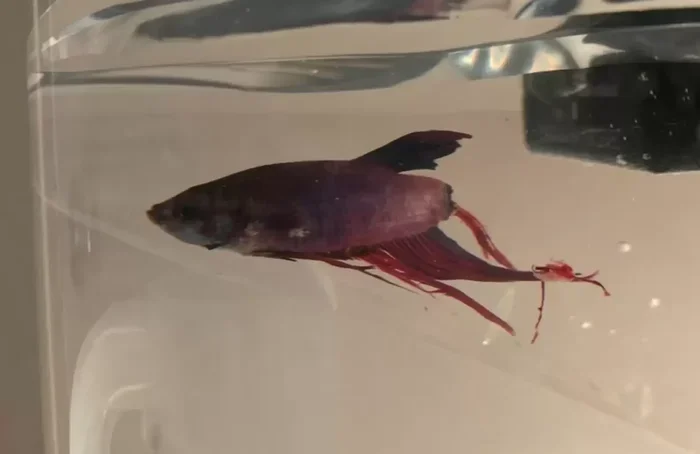
A betta fish that has fully passed away shows clear and unmistakable signs. The body is completely limp with no response to any stimuli. The gills and mouth show no movement at all. The eyes become cloudy and sunken. The body may start to float or sink, depending on gas buildup. A strong, unpleasant odor may develop within hours. If you observe all of these signs together, your fish has most likely died. At this point, it is important to act quickly and follow the proper steps for removal and tank care.
When to Rule Out Illness Instead
Sometimes what looks like death is actually a severe illness. Bettas can become very still when they are extremely sick. Conditions like fin rot, velvet disease, and internal parasites can cause a betta to appear lifeless. If you are unsure, isolate the fish in a quarantine tank and monitor it closely. Look for any signs of breathing or response. If there is none after careful observation, the fish has likely passed. You can also learn how to tell if your betta fish is sick to better understand the difference between severe illness and death. Always trust your observations and act accordingly.
What to Do After Your Betta Fish Has Died
Losing a pet fish is never easy. But there are important steps you should take to handle the situation properly. These steps protect your other fish and keep your tank healthy for the future.
Remove the Fish From the Tank
If your betta has died, remove the body from the tank as soon as possible. A dead fish releases harmful substances into the water as it decomposes. These substances can raise ammonia levels and harm your other fish. Use a small net or container to remove the body gently. Do not leave it in the tank, even for a short time. The sooner you remove it, the better it is for your tank environment.
Dispose of the Body Properly
There are several respectful ways to dispose of a dead fish. You can bury it in soil outdoors, wrap it in tissue and place it in the trash, or flush it down the toilet if you prefer. Avoid leaving the body in the trash can for days, as it will create a foul smell. Some owners choose to cremate their fish through specialized pet services. Choose the method that feels right for you and your family. A respectful goodbye helps with the grieving process.
Check Your Tank and Water Quality
After losing a fish, test your water parameters immediately. A death in the tank can signal an underlying water quality problem. Test for ammonia, nitrite, nitrate, and pH levels. Perform a partial water change of about 25 to 30 percent. Clean any filter media gently in old tank water. This helps maintain a healthy environment for your remaining fish and prevents further losses. Regular maintenance is your best defense against future problems.
Consider a Necropsy if the Cause Is Unclear
If your betta died suddenly and you are not sure why, consider a necropsy. This is an examination of the body done by a veterinarian or fish health specialist. It can reveal the cause of death, whether it was disease, poisoning, or environmental factors. Knowing the cause helps you prevent the same problem from affecting your other fish in the future. It is a valuable step, especially if you have other fish in the same tank.
How to Prevent Future Loss and Keep Your Betta Healthy
The best way to deal with a dead betta fish is to prevent it from happening in the first place. Good care practices go a long way in keeping your fish healthy and thriving for years. The average betta fish lifespan is three to five years with proper care. Here are the most important steps to follow to give your fish the best life possible.
Maintain Clean Water Regularly
Regular water changes are the foundation of good betta care. Change 25 to 30 percent of the water every week. Use a gravel vacuum to remove debris from the substrate. Always treat new water with a water conditioner to remove chlorine and chloramine. Clean water means a healthy, happy fish that is less likely to get sick or die prematurely. This single habit can add years to your fish’s life.
Keep the Tank at the Right Temperature
Use a reliable aquarium heater to maintain a steady temperature between 78 and 80 degrees Fahrenheit. Avoid placing the tank near windows, drafts, or heat sources that cause temperature fluctuations. A stable temperature supports your betta’s immune system, digestion, and overall well-being. How to keep your betta fish warm is one of the simplest yet most effective care steps you can take. A consistent environment reduces stress and promotes longevity.
Feed a Balanced and Appropriate Diet
Offer your betta high-quality pellets designed for betta fish. Supplement with frozen or live foods like bloodworms and brine shrimp a few times a week. Do not overfeed. Remove any uneaten food within a few minutes. A proper diet keeps your fish strong, colorful, and full of energy. It also reduces waste in the tank and keeps the water cleaner for longer periods between water changes.
Provide a Suitable Tank Setup
Betta fish need at least a 5-gallon tank with a filter and heater. Add plants, caves, and hiding spots to create a natural and comfortable environment. Avoid sharp decorations that can damage your fish’s long fins. A well-set-up tank reduces stress and promotes natural behavior. Your fish will explore, rest, and thrive in a properly decorated space. A happy fish is a healthy fish.
Monitor Your Fish Daily
Spend a few minutes each day watching your betta. Look for changes in behavior, appetite, color, and movement. Early detection of problems makes a huge difference. If you notice anything unusual, test the water and check for signs of illness. Quick action can often save a fish that is in trouble. Building a daily routine helps you catch problems before they become serious. Your attention and care are the greatest gifts you can give your betta.
Remember, a healthy betta fish is a happy betta fish. When you provide proper care, clean water, and a stress-free environment, your fish will thrive. Enjoy the beauty and personality of your betta every single day. Your effort and love make all the difference in the world.
Learning how to tell if your betta fish is dead is not something any fish owner wants to go through. But being prepared and knowing what to look for makes a difficult situation easier to handle. Check for no movement, still gills, faded colors, and a limp body. Rule out illness and poor water conditions before making a final decision. Take proper steps to remove and dispose of the body, and then focus on maintaining a healthy tank for your remaining fish. With good care and attention, you can give your next betta fish the best possible life. Your effort and love make all the difference.
Frequently Asked Questions
How long does it take for a betta fish to die?
The timeline varies depending on the cause. A betta fish may die within hours if exposed to toxic water conditions. Illness-related death can take days or even weeks. Poor water quality and sudden temperature changes are among the fastest causes. Regular tank maintenance helps prevent rapid decline.
Can a betta fish play dead?
Yes, betta fish can sometimes appear motionless as a defense mechanism or when they are extremely stressed. This is rare but does happen. If your fish is not responding but still shows slight gill movement, it may be playing dead or in deep shock. Observe carefully before assuming the worst.
What does a dead betta fish look like?
A dead betta fish typically appears pale or white, with sunken eyes and a completely limp body. The colors fade significantly, and the fish will not respond to any stimuli. The gills and mouth show no movement at all. A foul odor may develop within a few hours of death.
Should I remove a dead betta fish immediately?
Yes, you should remove a dead betta fish from the tank as soon as you confirm it has passed. A decomposing body releases harmful substances that can raise ammonia levels and endanger your other fish. Use a small net to remove the body gently and dispose of it properly.
How can I tell the difference between a sleeping betta and a dead one?
A sleeping betta will still show slight movements, like slow gill beats or fin twitches. A dead betta shows absolutely no movement. Shine a light near the fish and watch for a response. A sleeping betta may slowly adjust its position or show minor breathing movements.
What should I do with my dead betta fish?
You can bury the fish in soil outdoors, wrap it in tissue and place it in the trash, or flush it down the toilet. Choose the method that feels most respectful to you. Clean the tank and test the water parameters after removal to protect your other fish from any potential issues.