How to Interact with Betta Fish

Learning how to interact with betta fish is one of the most rewarding parts of fish keeping. Betta fish are smarter and more social than most people think, and they thrive on engagement. With the right approach, you can build a real connection with your betta through play, training, and simple daily interaction.
Have you ever stared into your betta fish tank and wondered what your fish is actually thinking? Betta fish are far more interactive than most people realize. These colorful creatures have personality, curiosity, and even moods. If you have been wondering how to interact with betta fish, you are in the right place. This guide will walk you through everything from basic bonding to advanced tricks. You will learn simple steps that turn a quiet fish into an engaged companion.
The secret to a happy betta is regular, gentle interaction. Unlike many other pets, bettas do not need constant attention. But they do benefit from daily engagement. A little time spent each day can make a huge difference in your fish’s health and happiness. Let us dive into the best ways to connect with your betta.
Key Takeaways
- Betta fish are intelligent and curious: They respond to their owners and enjoy mental stimulation.
- Daily interaction builds trust: Simple routines like feeding and hand-feeding strengthen your bond.
- Games and training keep bettas active: Teaching tricks and playing chase games boost their happiness.
- Watch for behavioral cues: Your betta will show you how it feels through body language and activity levels.
- A proper tank setup supports interaction: A well-maintained betta fish tank with enrichment makes socializing easier.
- Patience is key: Building a bond takes time, but the results are worth the effort.
📑 Table of Contents
Understanding Betta Fish Behavior
Before you start interacting with your betta, it helps to understand how they behave. Bettas are curious by nature. They explore their surroundings, watch movements outside the tank, and react to light changes. Recognizing these behaviors is the first step toward meaningful interaction.
Signs Your Betta Is Happy and Engaged
A happy betta shows clear signs of engagement. Here is what to look for:
- Flaring fins playfully: This is not always aggression. Sometimes it is excitement or curiosity.
- Swimming to the front of the tank: Your betta is saying hello when it comes to greet you.
- Following your finger or hand: This shows interest and awareness of your presence.
- Building bubble nests: A healthy betta that feels safe will create nests regularly.
- Eating eagerly: A hungry, excited betta is a happy betta.
If your betta shows these signs, you are already on the right track. If not, do not worry. Building trust takes time, and we will cover that next.
Reading Your Betta’s Moods
Bettas communicate through body language. A relaxed betta swims smoothly and holds its fins open. A stressed betta may clamp its fins close to its body or hide in corners. Color changes can also signal mood shifts. Paying attention to these cues helps you adjust your interaction style. The more you observe, the better you will understand your fish.
Daily Interaction Routines
Consistency is the foundation of how to interact with betta fish. Bettas thrive on routine. When your fish knows what to expect, it feels secure. And a secure betta is more willing to engage with you.
Feeding Time as Bonding Time
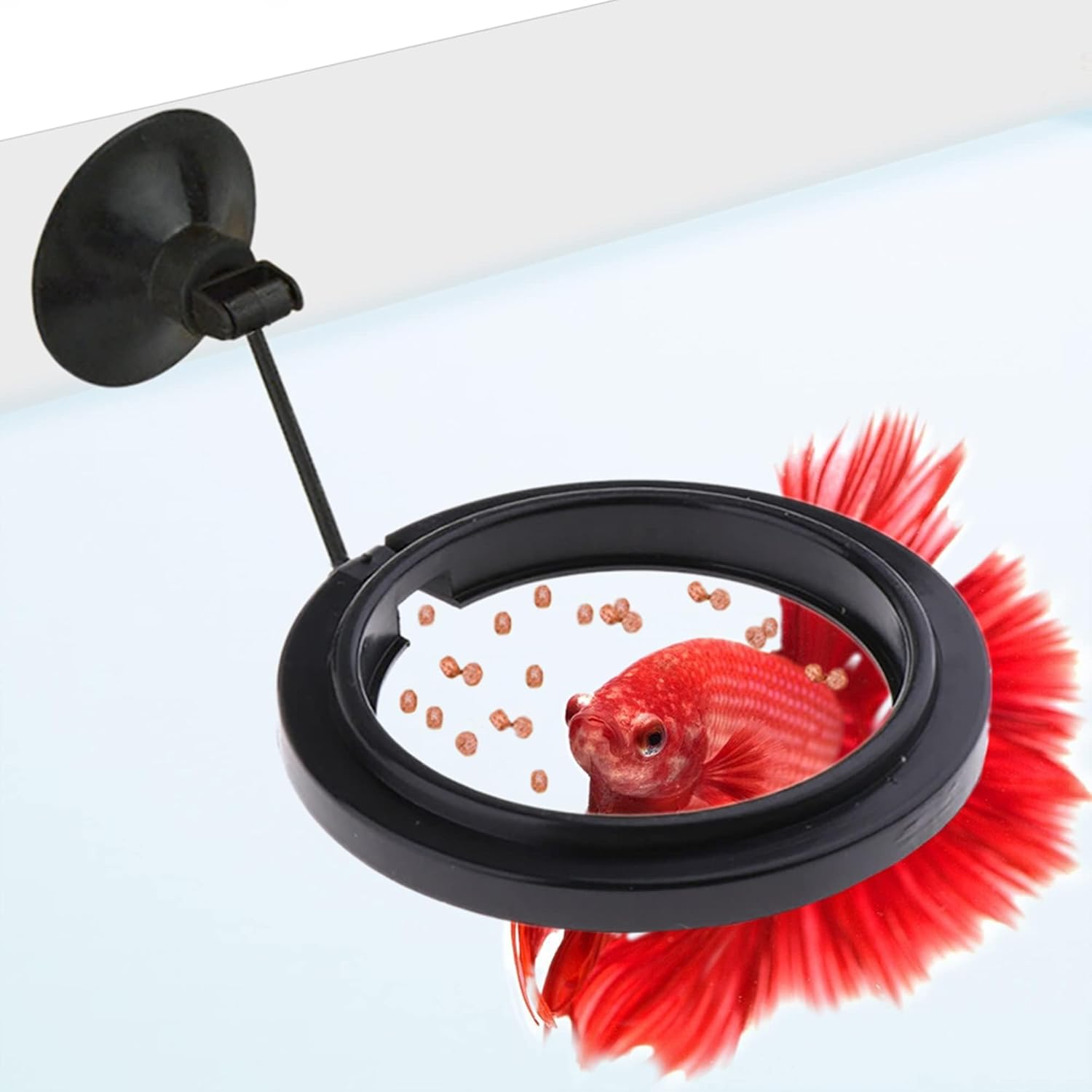
Feeding is the easiest and most effective way to interact daily. Instead of just dropping food in, try hand-feeding your betta. Hold a few pellets between your fingers and wait patiently. At first, your betta may be hesitant. Over time, it will learn to associate your hand with food and come closer.
Here are some feeding tips to enhance interaction:
- Feed at the same times every day.
- Use high-quality betta fish food to keep your fish healthy.
- Start with just one or two pellets during hand-feeding sessions.
- Keep your hand still and avoid sudden movements.
- Wash your hands before reaching into the tank to protect water quality.
Hand-feeding creates a direct connection between you and your fish. It is simple, but it works incredibly well.
Tank Presence and Observation
Simply sitting near your tank counts as interaction. Bettas notice movement and light changes around them. When you sit nearby and talk softly, your betta becomes aware of your presence. Some owners even read or work near the tank so their fish gets used to their voice and routine.
This low-pressure approach is perfect for shy bettas. It lets your fish get comfortable with you at its own pace. Over days or weeks, you will likely notice your betta swimming closer when you are nearby.
Playing Games with Your Betta Fish
If you want to take interaction to the next level, games are the way to go. Bettas love stimulation, and simple games can keep them mentally active. Playing with your betta also strengthens your bond in a fun way.
The Finger Chase Game
This is one of the most popular games for betta fish. Simply place your finger on the outside of the tank glass and slowly move it around. Most bettas will follow your finger with their eyes and sometimes their whole body. Some bettas will even try to chase it.
Keep these tips in mind:
- Move your finger slowly to avoid stressing your fish.
- Limit sessions to five or ten minutes so your betta does not get tired.
- Watch for signs of exhaustion or stress, like rapid gill movement.
- Stop if your betta stops showing interest.
The finger chase game is a great way to entertain your betta while you relax near the tank. It also gives you a chance to observe your fish’s energy levels and personality.
Teaching Your Betta Fish to Do Tricks
Yes, bettas can learn tricks! Training is one of the most engaging forms of interaction. With patience and positive reinforcement, you can teach your betta to follow your finger, swim through hoops, or even jump for food. This is a fantastic way to challenge your fish mentally.
If you are interested in this, check out how to teach your betta fish to do tricks for a detailed step-by-step guide. The basics involve using a target stick or your finger and rewarding your betta with food when it follows a command.
Training sessions should be short and positive. Never force your betta to do anything. Let curiosity lead the way, and your fish will learn faster than you expect.
Mirror Play
Placing a small mirror near the tank can trigger natural flaring behavior. Bettas see their reflection and may display their fins. This can be entertaining to watch, but use mirrors sparingly. Too much mirror time can cause stress because your betta thinks there is a rival nearby. A few minutes once a week is enough.
Building a Bond with Your Betta
Bonding with your betta is the deeper side of interaction. It goes beyond games and feeding. A strong bond means your betta recognizes you and feels safe in your presence. This kind of connection is truly special for any fish owner.
Consistency Builds Trust
The most important factor in bonding is consistency. Visit your tank at the same times each day. Talk to your betta softly. Avoid tapping on the glass or making loud noises near the tank. Over time, your betta will learn that your presence means good things.
Here is what a simple bonding routine might look like:
- Sit by the tank for a few minutes each morning.
- Talk softly or hum a gentle tune.
- Feed your betta at the same time every day.
- Do a brief observation session in the evening.
- Clean the tank regularly so your betta stays healthy.
How to Grow a Bond with Your Betta Fish
If you want more in-depth advice on bonding, check out how to grow a bond with your betta fish. That resource covers trust-building techniques in detail and offers practical steps for beginners and experienced keepers alike.
Bonding happens at your betta’s pace. Some bettas warm up to their owners within days. Others take weeks. The key is to never rush the process. Let your fish come to you on its own terms.
Creating an Enriched Environment for Interaction
A good environment makes interaction easier and more enjoyable for both you and your fish. When your betta feels comfortable in its surroundings, it is more likely to engage with you.
Tank Setup That Encourages Engagement
Start with a properly sized tank. A minimum of five gallons gives your betta room to swim and explore. Add plants, caves, and open swimming areas. Plants provide hiding spots that make your betta feel safe, while open areas give it space to play.
Consider these enrichment ideas:
- Live plants: They create a natural feel and give your betta places to explore.
- Floating logs or leaves: Bettas love resting on these and swimming around them.
- Gentle water flow: Bettas prefer calm water, so avoid strong filters.
- Soft lighting: A dim, natural-looking light cycle keeps your betta comfortable.
If you are setting up a planted tank, you might find how to set up a betta fish bowl with a plant helpful for getting started with simple plant additions.
Why Tank Maintenance Matters for Interaction
A clean tank leads to a healthy, active betta. Sick or stressed fish are less likely to interact with you. Regular water changes and proper filtration keep your fish in top shape. Clean water also reduces ammonia levels, which can cause health problems and behavioral changes.
Make tank maintenance part of your routine. When your betta sees you near the tank for cleaning, it begins to associate your presence with a safe, comfortable home. This builds positive interaction over time.
Common Mistakes to Avoid When Interacting with Your Betta
Even with the best intentions, some common mistakes can harm your relationship with your betta. Knowing what to avoid is just as important as knowing what to do.
Overstimulating Your Betta
Too much interaction can stress your fish. If you spend hours tapping on the glass or chasing your betta around the tank, it will become anxious. Keep sessions short and gentle. Five to ten minutes of focused interaction per day is plenty for most bettas.
Ignoring Tank Conditions
You cannot have a happy, interactive betta in a neglected tank. Poor water quality leads to illness, lethargy, and disinterest. Always maintain proper temperature, pH, and ammonia levels. A healthy environment is the foundation of a healthy bond.
Using the Wrong Approach
Some owners try to handle their betta by scooping it out of the water or chasing it with their hands. This is harmful and stressful. Never grab or squeeze your betta. Always interact through the glass or with gentle, slow movements near the tank.
Final Thoughts
Learning how to interact with betta fish is a journey that brings joy to both you and your fish. From daily feeding routines to playful games and deep bonding, every interaction matters. Your betta is smarter and more social than you might think. Give it the chance to show you, and you will be amazed by the connection you can build.
Start small. Be patient. Stay consistent. Whether you are hand-feeding pellets, playing the finger chase game, or simply sitting quietly near the tank, every moment counts. The more time you invest, the more your betta will reward you with personality, color, and engagement.
Remember that each betta has its own unique personality. Some are bold and adventurous. Others are shy and cautious. Respect your fish’s individual style, and your interaction will grow naturally over time. A well-cared-for betta in a clean, enriched tank is a betta that wants to connect with you. Give your fish the environment it deserves, and the interaction will follow.
Take what you have learned here and put it into practice today. Your betta is waiting to meet you. The best part is, the more you interact, the more your fish will come alive. Enjoy the process, and happy fish keeping!
Frequently Asked Questions
Can betta fish recognize their owners?
Yes, bettas can learn to recognize their owners over time. They associate certain movements, voices, and routines with feeding and care. Regular interaction helps speed up this recognition process.
How often should I interact with my betta fish?
Daily interaction is ideal, even if it is just a few minutes of sitting near the tank or hand-feeding. Consistency matters more than duration. Short, regular sessions build trust faster than long, infrequent ones.
Is it safe to touch a betta fish?
No, you should avoid touching your betta. Their scales and fins are delicate, and oils or chemicals on your hands can harm them. Interact through the glass or by hand-feeding near the water surface instead.
Why does my betta fish hide when I approach the tank?
Hiding usually means your betta is shy or stressed. Give it more time to adjust to your presence. Speak softly near the tank and avoid sudden movements. With patience, most bettas become more comfortable over time.
Can I train my betta fish to do tricks?
Absolutely! Bettas are intelligent and can learn simple tricks like following your finger or swimming through hoops. Use positive reinforcement with food rewards, and keep training sessions short and fun.
What is the best way to entertain my betta fish?
The best ways include finger chase games, mirror play, teaching tricks, and providing a tank with plants and decorations to explore. A mix of mental and physical stimulation keeps your betta happy and engaged.
=== META DATA ===
SEO Title: How to Interact with Betta Fish: A Complete Guide
Meta Title: How to Interact with Betta Fish | Bond, Play & Train
URL Slug: how-to-interact-with-betta-fish
Word Count: ~2,350 words
Internal Links Used: 3