Do Betta Fish Have to Be Alone
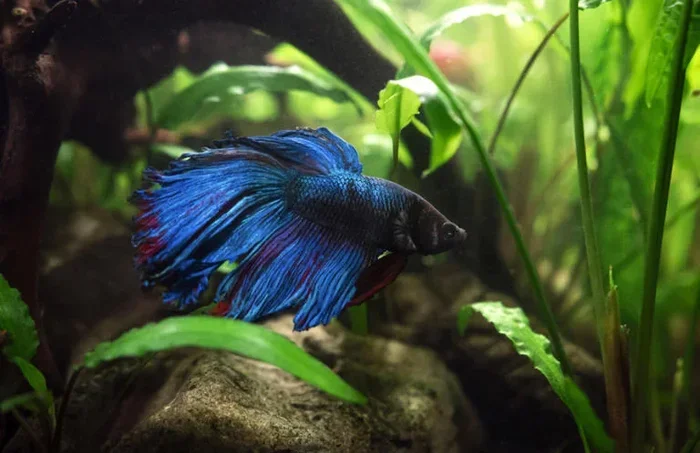
Do betta fish have to be alone? The short answer is yes — bettas are solitary fish by nature and thrive best in a solo tank. Male bettas are especially aggressive and should never share a tank with other bettas, though some peaceful community fish may work as tank mates in the right setup.
You may have heard the saying that betta fish need to live alone. But what does that really mean? Do betta fish have to be alone all the time, or is there room for company? If you are a new betta owner or thinking about getting one, this question probably keeps you up at night.
The truth is, bettas — also known as Siamese fighting fish — are built to survive on their own. Their wild instincts push them to guard territory and avoid other fish. But that does not mean your betta will be bored or sad. With the right betta aquarium setup, a solo betta can live a happy, healthy life for three to five years.
In this guide, we will walk through everything you need to know about keeping your betta fish alone. We will cover why bettas are solitary, whether they can have tank mates, how to set up the perfect solo tank, and the most common myths people believe about betta fish. Let us dive in.
Key Takeaways
- Betta fish are naturally solitary: In the wild, bettas prefer to live alone and defend their territory.
- Male bettas should always be kept solo: Two male bettas will fight, often to the death.
- Some tank mates can work: Carefully chosen peaceful species may coexist with a betta in a large enough tank.
- A proper solo tank setup matters: At least 5 gallons with heater, filter, and hiding spots keeps your betta healthy.
- Watch for stress signs: Clamped fins, loss of color, and hiding can mean your betta needs attention.
- Myths abound about betta care: Many people wrongly assume bettas can live in tiny bowls or with any fish.
📑 Table of Contents
Why Do Betta Fish Have to Be Alone?
Understanding why bettas are solitary creatures starts with their natural history. In the wild, bettas live in warm, shallow waters across Southeast Asia. They are territorial by nature and will defend their space against other males. This behavior is not just a quirk — it is deeply wired into their betta behavior and survival instincts.
The History of Fighting Fish
Bettas were originally bred in Thailand for fighting competitions. People would place two male bettas in the same container and let them battle. Over generations, this selective breeding made male bettas even more aggressive toward other males. That aggression is still strong today, even in pet bettas raised in captivity.
Because of this history, keeping two male bettas together is extremely dangerous. They will flare their gills, spread their fins, and bite each other. These fights can cause serious injuries or death. This is the main reason why betta fish have to be alone — especially male bettas.
Territorial Nature and Stress
Even in a home aquarium, bettas see other fish as threats. A betta that shares a small tank may constantly feel stressed, leading to health problems. Stress weakens the immune system, making your fish more likely to get sick. Common issues include fin rot, ich, and loss of appetite.
If you want your betta to thrive, you need to respect its need for space. A solo tank gives your betta the room to swim and explore without feeling threatened. This is one of the most important parts of proper betta care.
Can Betta Fish Live With Other Fish?
This is where things get interesting. While male bettas should always be kept alone, female bettas and some other species can sometimes share a tank. The key is choosing the right tank mates and setting up the environment correctly.
Female Betta Sororities
Some experienced fish keepers keep groups of female bettas together. This is called a sorority tank. It works best in tanks of 20 gallons or more with plenty of hiding spots and plants. Even then, there is no guarantee that every female will get along. You still need to watch for signs of aggression.
Keep in mind that a sorority setup is not for beginners. If you are new to fish keeping, a solo betta tank is the safest choice. You can always try more advanced setups once you gain experience.
Good Tank Mates for Bettas
When done right, certain peaceful fish can live with a betta. Here are some options that often work well:
- Neon tetras: Small, fast, and non-threatening. They tend to stay in the upper and middle parts of the tank.
- Corydoras catfish: Bottom-dwellers that mind their own business and help clean the tank.
- Snails: Nerite snails and mystery snails are great choices. They do not bother bettas and help control algae.
- Ghost shrimp: Inexpensive and unlikely to trigger aggression in most bettas.
- Kuhli loaches: Peaceful, eel-like fish that stay out of the betta’s way.
Always introduce tank mates slowly and watch for any signs of chasing or flaring. If your betta shows constant aggression, it is best to move the other fish to a separate tank.
Signs Your Betta Fish Is Stressed or Lonely
Even though bettas prefer to be alone, they still need mental stimulation and a comfortable environment. A poorly set up tank can make any betta feel stressed, no matter how many other fish are around. Here are the top signs to watch for.
Clamped Fins
If your betta keeps its fins pressed close to its body, this is a sign of stress. Healthy bettas hold their fins open and flowing. Clamped fins often mean something in the environment is wrong — it could be bad water quality, aggressive tank mates, or an uncomfortable temperature.
Loss of Color
A vibrant betta is a happy betta. When stressed, bettas often fade in color. This is a natural defense response. If you notice your fish looking pale or washed out, check the tank conditions right away.
Hiding or Lethargy
All bettas rest sometimes, but constant hiding or lethargy is a red flag. If your betta spends all day hiding behind plants or in corners, it may feel unsafe or unwell. Make sure the tank has open swimming space as well as hiding spots.
Erratic Swimming
Swimming in circles, scratching against objects, or gasping at the surface can signal serious stress or illness. These behaviors should never be ignored. Test the water parameters and make adjustments as needed.
How to Set Up the Perfect Solo Tank
A great solo tank does more than just keep your betta safe — it creates a stimulating home where your fish can thrive. Here is everything you need to know about setting up the ideal betta aquarium.
Tank Size Matters
Many people think bettas can live in tiny bowls. That is one of the biggest myths in fish keeping. A 5-gallon tank is the minimum recommended size. A 10-gallon tank is even better because it gives your betta more room to swim and explore.
Larger tanks also help keep water parameters stable. In a small bowl, ammonia and nitrite levels can spike quickly, which is dangerous for your fish. A bigger tank gives you more room for error and makes maintenance easier.
Heating and Filtration
Bettas are tropical fish and need warm water. Keep the temperature between 76 and 82 degrees Fahrenheit. A small aquarium heater with a thermostat is essential. Without proper heat, your betta’s immune system will weaken and it may become sluggish or sick.
A gentle filter is also important, but bettas do not like strong currents. Choose a sponge filter or adjust the flow from a hang-on-back filter so it does not push your betta around too much.
Decorations and Enrichment
A solo tank should be interesting to look at and fun for your betta. Add live or silk plants, caves, and gentle driftwood. Avoid sharp plastic decorations that can tear your betta’s delicate fins. A well-decorated tank gives your fish places to explore and rest.
You can also add a mirror temporarily to give your betta some mental stimulation. Watching its reflection triggers natural flaring behavior. Just do not leave the mirror in for more than a few minutes at a time — too much mirror time can cause stress.
Common Myths About Betta Fish Living Alone
There is a lot of bad advice floating around about betta care. Let us clear up some of the most common myths so you can give your fish the best life possible.
Myth 1: Bettas Are Fine in a Small Bowl
This is probably the most harmful myth. A small bowl does not give your betta enough room to swim, and it is very hard to keep the water clean. Ammonia builds up fast in unfiltered bowls, which can make your betta seriously ill. Always use at least a 5-gallon tank with a filter and heater.
Myth 2: Bettas Do Not Need a Heater
Some people believe room temperature water is fine for bettas. It is not. Bettas need consistently warm water to stay healthy. A heater is not optional — it is a must-have piece of equipment for any betta tank.
Myth 3: Bettas Are Low-Maintenance Pets
While bettas are hardier than many tropical fish, they still need regular care. You should test water parameters weekly, do partial water changes every week or two, and feed a balanced diet. Treating a betta as a low-maintenance pet often leads to neglect and a shortened lifespan.
Myth 4: Bettas Do Not Feel Anything
Betta fish are more aware than many people think. They recognize their owners, respond to feeding times, and show clear signs of stress or contentment. Dismissing their emotional needs is a mistake. Providing a good environment is part of responsible pet ownership.
Final Thoughts on Keeping Your Betta Fish Alone
So, do betta fish have to be alone? The answer is yes — at least most of the time. Male bettas are best kept in a solo tank where they can swim, explore, and feel safe without the threat of another fish. Female bettas can sometimes live in groups, but that requires experience and a well-planned setup.
Remember that being alone does not mean being lonely. A properly set up tank with good water quality, appropriate temperature, and plenty of enrichment gives your betta everything it needs to be happy. Focus on creating the best possible environment, and your betta fish will thrive.
Whether you are a first-time fish owner or a seasoned hobbyist, respecting your betta’s natural instincts is the foundation of great care. Keep learning, keep observing, and enjoy the unique personality that each betta brings to your home.
Frequently Asked Questions
Can I keep two male betta fish in the same tank?
No. Two male bettas will fight aggressively and can seriously injure or kill each other. This is one of the most important rules in betta care. Always keep male bettas in separate tanks.
What is the best tank size for a solo betta?
A 5-gallon tank is the minimum, but a 10-gallon tank is even better. A larger tank provides more stable water conditions and gives your betta plenty of room to swim and explore.
Can female bettas live together?
Yes, but it takes careful planning. A sorority tank needs to be at least 20 gallons with plenty of hiding spots and plants. Even then, some females may not get along and may need to be separated.
Do betta fish get lonely?
Bettas are solitary by nature and do not get lonely in the way humans do. However, they still need mental stimulation through tank decorations, plants, and a well-maintained environment.
What fish can live with a betta safely?
Peaceful species like neon tetras, corydoras catfish, snails, and ghost shrimp are good options. Always introduce new tank mates slowly and monitor your betta for signs of aggression.
How often should I clean my betta’s tank?
Perform a 25% water change every one to two weeks. Test water parameters weekly and keep the temperature between 76 and 82 degrees Fahrenheit for optimal betta health.