Can Betta Fish Be in the Dark

Yes, betta fish can be in the dark, but they need a balance of light and darkness to thrive. Betta fish sleep at night and need darkness to rest properly. Leaving them in total darkness for too long can cause stress and health problems. Understanding your betta’s light needs is key to keeping them happy and healthy.
Key Takeaways
- Betta fish need darkness to sleep: A natural day-night cycle keeps their body clock healthy.
- Total darkness for too long is harmful: Prolonged light deprivation can stress your fish and weaken their immune system.
- Betta fish can see in the dark: Their eyes adapt somewhat, but they rely on other senses too.
- Aquarium lighting should mimic natural conditions: Aim for 8-12 hours of light per day.
- Too much light is just as bad as too little: Excess light causes algae growth and disrupts sleep patterns.
- Live plants help regulate tank light: They absorb excess light and create a more natural environment.
- Watch for signs of light-related stress: Clamped fins, loss of color, and erratic behavior are warning signs.
📑 Table of Contents
Can Betta Fish Be in the Dark?
If you own a betta fish, you have probably wondered about their lighting needs. The short answer is yes, betta fish can be in the dark. But there is much more to it than a simple yes or no. Your betta needs a balance of light and darkness to stay healthy and happy.
Think about it this way. Humans need sunlight during the day and darkness at night. Betta fish work the same way. Their bodies follow a natural rhythm called the circadian cycle. This cycle controls their sleep, feeding, and energy levels. When you disrupt this cycle, your fish can get stressed. And stressed fish get sick more easily.
So, can you leave your betta in a dark room? Yes, for short periods. But making darkness their permanent reality is a bad idea. Let us dig deeper into why this matters and how you can create the best environment for your finned friend.
Why Darkness Matters for Betta Fish
Betta fish need darkness to sleep. Unlike humans, bettas do not have a fixed bedtime. But they do need a period of darkness to rest. In their natural habitat in Southeast Asia, bettas experience sunrise and sunset every day. This natural light cycle tells their body when to wake up and when to wind down.
When your betta is in the dark, several important things happen:
- Melatonin production increases: This hormone helps regulate sleep.
- Energy stores replenish: Rest allows the body to recover from the day.
- Stress hormones decrease: Darkness signals safety and calm.
- The immune system strengthens: Proper rest fights off illness.
Without enough darkness, your betta may become restless. You might notice them swimming erratically or hiding more than usual. Over time, this can lead to serious health issues like fin rot or loss of appetite.
Can Betta Fish See in the Dark?
Many fish owners ask, can betta fish see in the dark? The answer is interesting. Betta fish have decent vision, but it is not great in complete darkness. Their eyes can adjust somewhat to low light conditions. This is because their eyes contain both cones and rods, similar to human eyes.
However, bettas rely on more than just their eyes. They have a special organ called the labyrinth organ. This helps them detect changes in their environment. They also use their lateral line system to sense movement and vibrations in the water. So even when they cannot see well, they can still navigate their tank.
If you have ever noticed your betta swimming around at night, this is why. They are not completely blind in the dark. But they do prefer some dim light or no light at all during nighttime hours. Leaving a bright light on at night will disrupt their rest and confuse their natural rhythm.
How Betta Fish Navigate in Low Light
Betta fish use several methods to find their way around the tank when it is dark:
- Vibrations: They sense movement in the water through their lateral line.
- Memory: Bettas are smart fish. They remember the layout of their tank.
- Smell: Their sense of smell helps them locate food and avoid obstacles.
- Labyrinth organ: This unique organ helps them process environmental cues.
So even though your betta can see in the dark to some extent, they do not need bright light to move around. In fact, dim or dark conditions make them feel safer and more comfortable.
What Happens When Betta Fish Stay in the Dark Too Long?
While bettas need darkness to sleep, too much of it can be harmful. Can betta fish survive in the dark for days or weeks? Technically yes, but it is not ideal. Prolonged darkness causes a range of problems that affect their overall well-being.
Here are the main risks of keeping your betta in the dark for too long:
- Loss of color: Bettas lose their vibrant colors when they do not get proper light.
- Increased stress: Complete darkness for extended periods makes fish anxious.
- Weakened immune system: Without a proper light cycle, the body struggles to stay healthy.
- Algae imbalance: Even bad things can happen without any light. Beneficial bacteria still need some balance.
- Disrupted eating habits: Bettas may stop eating or eat at the wrong times.
The key is balance. Your betta needs periods of light and periods of darkness. Think of it as a daily schedule. Just like you have a routine, your fish does too.
Signs Your Betta Is Not Getting Enough Light
Watch for these warning signs that your betta needs more light:
- Faded colors: Their bright blues and reds start looking dull.
- Lethargy: They swim less and seem uninterested in food.
- Hiding constantly: Bettas are naturally curious. Hiding all the time is not normal.
- Erratic swimming: Darting around or floating listlessly are red flags.
- Fin clamping: Holding their fins close to their body shows stress.
If you notice any of these signs, check your tank lighting. A simple adjustment can make a huge difference in your betta’s health and happiness.
The Best Lighting Setup for Your Betta Tank
Now that you know betta fish need both light and darkness, let us talk about the best way to set up your tank. The goal is to mimic their natural environment as closely as possible.
A good rule of thumb is to provide 8 to 12 hours of light per day. This gives your betta time to be active and eat during the day, while still getting plenty of rest at night. You can use a simple timer to automate this process. Timers are inexpensive and take the guesswork out of the equation.
Types of Aquarium Lighting
Not all lights are created equal. Here are the most common options for betta tanks:
- LED lights: Energy-efficient and long-lasting. They produce less heat, which is great for betta tanks.
- Fluorescent lights: A classic choice. They provide even lighting across the tank.
- Incandescent lights: Not recommended. They produce too much heat and can raise the water temperature.
- Natural sunlight: Nice but tricky. Direct sunlight can overheat the tank and cause algae blooms.
LED lights are the best choice for most betta owners. They are easy to adjust and come with dimming features. You can set the brightness to match your betta’s comfort level.
Quick Tips for Perfect Tank Lighting
- Use a timer to keep the light schedule consistent.
- Avoid placing the tank in direct sunlight.
- Keep lights dim or off at night.
- If you have live plants, they will benefit from the same light schedule.
- Do not leave the tank light on 24/7. Ever.
Can Betta Fish Sleep in the Dark?
Yes, betta fish sleep in the dark. In fact, darkness is essential for their sleep cycle. When the lights go off, your betta will start to slow down. They may find a quiet spot to rest, like behind a plant or inside a cave decoration.
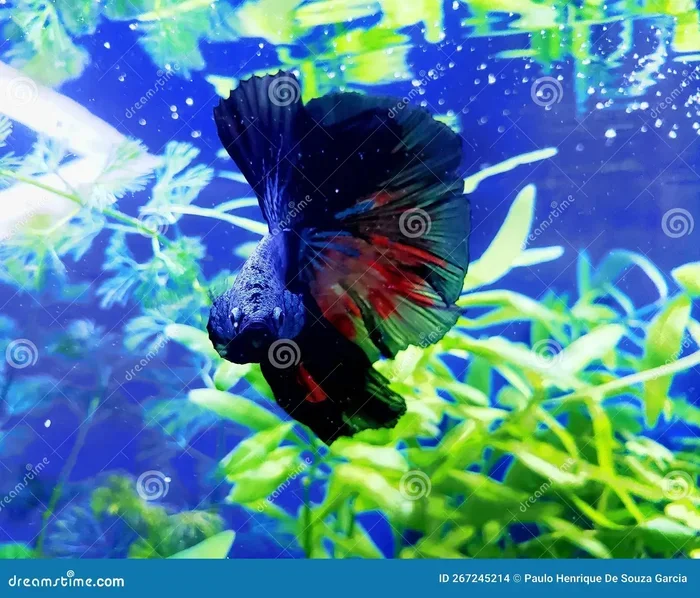
Betta fish do not sleep the same way humans do. They do not close their eyes because they do not have eyelids. Instead, they become less active and their colors may fade slightly. This is completely normal. Do not be alarmed if your betta looks pale at night.
Some bettas even float near the surface while sleeping. Others rest on the bottom of the tank. Both behaviors are perfectly fine as long as your fish is breathing steadily and responsive during the day.
If you want to learn more about how darkness affects your betta, check out our guide on can betta fish see in the dark. It covers their vision and behavior in low-light conditions in detail.
Creating the Perfect Sleep Environment
To help your betta get quality rest, follow these simple steps:
- Turn off all tank lights at the same time each night.
- Keep the room quiet and dim.
- Avoid tapping on the glass or making loud noises near the tank at night.
- Make sure the water temperature stays stable during nighttime hours.
- Give your betta at least 8 hours of uninterrupted darkness.
Your betta will thank you with brighter colors and more energetic swimming during the day. A well-rested betta is a happy betta.
Common Mistakes Bettas Owners Make With Lighting
Even the best fish owners make mistakes. Here are the most common lighting errors that affect betta fish health:
| Mistake | Why It Is Bad | How to Fix It |
|---|---|---|
| Leaving lights on 24/7 | Disrupts sleep cycle and causes stress | Use a timer for consistent on/off schedule |
| No light at all | Leads to loss of color and lethargy | Provide 8-12 hours of light daily |
| Using bright lights at night | Prevents proper rest and sleep | Keep lights off or use dim night lights only |
| Placing tank in direct sunlight | Causes overheating and algae growth | Use artificial LED lights instead |
| Changing the light schedule often | Confuses the fish’s internal clock | Stick to a consistent daily routine |
Avoiding these mistakes will go a long way in keeping your betta healthy. Small changes in lighting can have a big impact on your fish’s quality of life.
How Light Affects Betta Fish Behavior
Light does more than just help your betta see. It directly influences their behavior. Bettas are more active during daylight hours. They explore their tank, interact with you, and hunt for food when the lights are on. At night, they naturally become calm and restful.
If you notice your betta being unusually aggressive or hiding all the time, check the lighting first. Sometimes a simple adjustment solves behavior problems that seem complicated at first glance. A well-lit tank during the day and a dark tank at night is the golden rule for betta care.
Final Thoughts on Betta Fish and Darkness
So, can betta fish be in the dark? Yes, they can and they should. But darkness should be part of a balanced light-dark cycle, not a permanent state. Your betta fish needs darkness to sleep, rest, and recover. Without it, their health will decline over time.
On the other hand, complete darkness all the time is just as harmful. Your fish needs light to maintain their vibrant colors and healthy body functions. The sweet spot is a consistent schedule that mimics their natural habitat.
If you are ever unsure about your betta’s lighting needs, start simple. Use a basic LED light on a timer. Keep it on for 8 to 12 hours a day. Turn it off at night. Watch your fish. Adjust as needed. Your betta will thrive in an environment that respects their natural rhythms.
For more information about betta fish care, explore our article on can betta fish be in the sun to understand how light and heat from sunlight affect your fish. And if you are curious about your betta’s vision, read more about can betta fish see in the dark to learn how their eyes work in different conditions.
Remember, a happy betta is a well-rested betta. Give them the light they need and the darkness they deserve. Your fish will reward you with years of vibrant, joyful companionship.
Frequently Asked Questions
Can I leave my betta fish in a dark room?
Yes, you can leave your betta fish in a dark room for short periods. They need darkness to sleep and rest. However, keeping them in complete darkness for days on end can cause stress and health problems. Always provide a balanced light-dark cycle.
How many hours of darkness do betta fish need?
Betta fish need at least 8 to 12 hours of darkness each night. This allows them to rest and recover from the day’s activities. Use a timer to keep the light schedule consistent every day.
Do betta fish need light at night?
No, betta fish do not need light at night. In fact, keeping lights on at night disrupts their sleep cycle. A dark environment at night helps them feel safe and rest properly.
What happens if a betta fish stays in the dark too long?
If a betta stays in the dark for too long, they may lose their vibrant colors and become lethargic. Prolonged darkness weakens their immune system and increases stress levels. Always provide a healthy balance of light and darkness.
Can betta fish see their food in the dark?
Betta fish have limited vision in the dark but can still locate food using their senses. They rely on their labyrinth organ and lateral line system to detect movement and vibrations in the water. Feeding them during daylight hours is always best.
Is it okay to use a night light in a betta tank?
A dim night light is generally fine and will not harm your betta fish. It allows you to observe your fish without fully disrupting their sleep. Just make sure the light is very dim and does not shine directly into the tank.