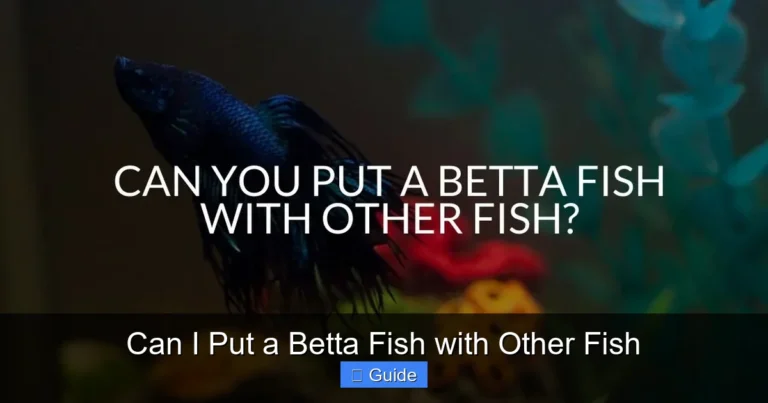
What Snails Are Good for Betta Fish

Not all snails are created equal when it comes to living with betta fish. Some species, like mystery snails and nerite snails, make excellent tank mates that help keep your aquarium clean. In this guide, you will learn which snails are safe for bettas, which to avoid, and how to set up a harmonious betta fish tank with the right snail companion.
Key Takeaways
- Mystery snails and nerite snails are two of the best snail choices for betta fish tanks due to their peaceful nature and hard shells.
- Betta compatibility depends on the snail species, tank size, and how you introduce them to each other.
- Avoid fast-breeding snails like bladder snails, as they can overpopulate your tank quickly.
- Always provide hiding spots and proper water parameters to keep both your betta and snails healthy.
- Snails help with aquarium cleanup by eating leftover food and algae, making them valuable additions to your betta fish habitat.
- Watch for signs of stress in your betta when introducing new freshwater snails, and separate them if needed.
📑 Table of Contents
- What Snails Are Good for Betta Fish
- Why Add Snails to Your Betta Tank?
- Best Snail Species for Betta Fish
- Snails to Avoid with Betta Fish
- How to Introduce Snails to a Betta Tank
- Setting Up the Perfect Tank for Bettas and Snails
- Comparison Table: Best Snails for Betta Tanks
- Common Mistakes When Keeping Snails with Bettas
- Expert Insights: Tips from Experienced Keepers
- Conclusion: Finding the Right Snail for Your Betta
What Snails Are Good for Betta Fish
Adding a snail for betta fish tanks is one of the easiest ways to improve your aquarium. These little helpers eat leftover food, scrape off algae, and add a lot of charm to your setup. But here is the catch. Not every snail species gets along with bettas. Some are too small. Some breed too fast. And some just do not mix well with a feisty betta.
So which snails actually work? That is exactly what we are going to break down in this guide. You will learn about the best snail species for betta tanks, what makes them compatible, and how to introduce them the right way. Whether you are a new betta owner or a seasoned hobbyist, this guide has something for you.
We will also cover common mistakes to avoid and share expert tips to keep your betta fish tank looking and feeling its best. Let us dive in.
Why Add Snails to Your Betta Tank?
Before we get into the specific species, let us talk about why snails are worth the effort. Many betta owners add snails for practical reasons. Others just think they look cool. Either way, snails bring real benefits to a betta fish habitat.
Natural Aquarium Cleanup
One of the biggest reasons to add snails is their cleanup power. Snails eat algae, leftover fish food, and even dead plant leaves. This keeps your tank cleaner and helps maintain better water parameters. A cleaner tank means a healthier betta. It is that simple.
Snails are not a replacement for regular water changes. But they do help between maintenance sessions. Think of them as your tank’s part-time cleaning crew.
Adding Life and Movement
Bettas are beautiful, but they are not the only interesting creature in the tank. Snails add a different kind of entertainment. Watching them crawl across glass, graze on rocks, and explore every corner is genuinely fun. It gives your betta fish care routine more depth and variety.
Plus, snails are generally slow and peaceful. They do not bother your betta or trigger aggression. At least, the right species do not. We will talk about that more below.
They Are Low Maintenance
Most snails require very little special care. They do not need heated tanks or fancy setups. As long as your betta tank setup is solid, most snail species will thrive. That makes them a great choice for beginners and busy fish keepers alike.
Best Snail Species for Betta Fish
Now let us get to the good stuff. Not all snails are equal when it comes to betta compatibility. Some species are perfect. Others should be avoided. Here are the top snail choices that work well with bettas.
1. Mystery Snails
Mystery snails are hands down one of the most popular choices for betta tanks. They are colorful, peaceful, and have a hard shell that protects them from curious bettas. You can find them in blue, purple, gold, and even black.
Mystery snails are relatively large, which is actually a good thing. Your betta is unlikely to harm them because they are too big to swallow. They also stay around the top of the tank often, which reduces the chance of conflict. If you want to add a peaceful snail that looks great and stays safe, mystery snails are your best bet. To learn more about their compatibility, check out our article on Are Mystery Snails Ok With Betta Fish.
Quick Tips for Mystery Snails:
- Keep the water temperature between 68-82 F for best health.
- They need a secure lid. Mystery snails are known to climb and can escape.
- Feed them sinking pellets, blanched vegetables, or algae wafers.
- A 5-gallon tank or larger works well for one mystery snail with a betta.
2. Nerite Snails
Nerite snails are another excellent choice. They are small, tough, and absolutely love algae. Many betta owners swear by nerites for keeping glass and decorations spotless. They come in beautiful patterns, including zebra, tiger, and olive colors.
One big advantage of nerite snails is that they do not reproduce in freshwater. That means you will never have a snail overpopulation problem. They stay small enough that your betta is unlikely to see them as food. Their hard shells also offer protection. For more on how snails and bettas get along, read our guide on Are Snails Compatible With Betta Fish.
Quick Tips for Nerite Snails:
- They prefer slightly salty water, so a small amount of aquarium salt can help.
- Nerites need calcium for their shells. Cuttlebone works great.
- They are top-notch algae eaters but may need extra food if the tank is clean.
- They do well in tanks of 5 gallons or more.
3. Malaysian Trumpet Snails
Malaysian trumpet snails (MTS) are a solid choice if you want a helpful bottom-dweller. They burrow into the substrate, which helps aerate it. This is great for live plants and keeps the tank floor tidy. They eat detritus and leftover food that settles to the bottom.
MTS are small and usually stay under 2 inches. They reproduce quickly, but their population is often controlled by predators and food availability. Bettas typically ignore them because they stay low and move fast. They make a great addition to your betta fish tank size setup, especially in planted tanks.
Quick Tips for Malaysian Trumpet Snails:
- They do well in most water conditions, making them very adaptable.
- Avoid overfeeding. Uneaten food can cause their population to explode.
- They are excellent for planted tanks because they aerate the soil.
- Start with a small number and let the population balance naturally.
4. Rabbit Snails
Rabbit snails are a bit less common but still worth considering. They have a unique elongated shell and a gentle personality. They grow to about 2-3 inches, which makes them too large for most bettas to bother with. Rabbit snails eat algae, vegetables, and detritus.
They reproduce slowly, which is a big plus. You will not wake up to a tank full of baby snails. Their calm demeanor and interesting appearance make them a fun addition. However, they do prefer warmer water, so make sure your betta fish habitat meets their needs too.
Snails to Avoid with Betta Fish
Not every snail species is a good fit. Some can cause problems for your betta or your tank. Here is a quick look at snails you should think twice about adding.
Bladder Snails
Bladder snails are notorious for breeding like crazy. They can hitchhike into your tank on plants or decorations and take over within weeks. Bettas may eat them, but that does not solve the problem. You will just have a cycle of breeding and eating that stresses everyone out.
Trumpet Snails (Overbreeding Risk)
While Malaysian trumpet snails can work, other trumpet snail species may overpopulate faster. If you are not careful with feeding and tank maintenance, they can become a nuisance. Always research the specific species before adding them.
Small, Soft-Shelled Snails
Any snail that is small or has a soft shell is risky. Bettas are curious predators. A tiny snail with no real defense is an easy target. This can lead to a stressed betta or dead snails. Stick to species with hard shells and a decent size for safety.
How to Introduce Snails to a Betta Tank
Adding a new snail to a tank with a betta is not as simple as dropping it in. The process matters. A bad introduction can lead to chasing, stress, or even fin-nipping. Here is how to do it right.
Step 1: Quarantine the Snail First
Keep the snail in a separate container for 1-2 weeks. This lets you check for parasites or disease. You do not want to introduce something harmful to your freshwater snails and betta community. During quarantine, make sure the snail is eating well and active.
Step 2: Prepare the Tank
Before adding the snail, make sure your tank is ready. Add plenty of tank decoration like caves, driftwood, and plants. These create hiding spots and break lines of sight between your betta and the snail. This reduces territorial behavior significantly.
If you are looking for plant ideas, our article on What Plants Are Good For Betta Fish has great options that work well alongside snails.
Step 3: Add the Snail at Night
Snails are more active at night. Adding them during this time gives them a head start to explore without a curious betta hovering overhead. Drop the snail near the far side of the tank away from your betta’s favorite spot.
Step 4: Monitor Behavior
Watch both your betta and snail closely for the first 48 hours. A little chasing is normal. But if your betta is constantly harassing the snail, you may need to separate them. Not every pairing works out, and that is okay.
Setting Up the Perfect Tank for Bettas and Snails
A successful betta fish tank with snails depends on proper setup. Both creatures need the right environment to thrive together. Here are the essentials.
Tank Size Matters
A 5-gallon tank is the minimum for a betta and one snail. A 10-gallon tank gives even more room and makes it easier to manage water parameters. Bigger tanks are always better when mixing species. It gives everyone space to establish their own territory.
Water Conditions
Bettas and most compatible snails prefer similar conditions. Aim for these ranges:
- Temperature: 72-78 F (22-26 C)
- pH: 6.5-7.5
- Ammonia and Nitrite: 0 ppm
- Nitrate: Below 20 ppm
Stable water conditions are key. Snails are sensitive to sudden changes. A good filter and regular water testing go a long way. If you are unsure about filtration, our article on Are Water Filters Necessary For Betta Fish covers this in detail.
Hiding Spots and Decor
Both bettas and snails appreciate hiding places. Dense plants, driftwood, and rocks give them security. Snails especially like areas with biofilm and algae to graze on. Spread food across the tank so both your betta and snail can eat without competing directly.
Comparison Table: Best Snails for Betta Tanks
Here is a quick comparison to help you decide which snail is right for your setup.
| Feature | Mystery Snail | Nerite Snail | Malaysian Trumpet Snail | Rabbit Snail |
|---|---|---|---|---|
| Size | 1.5-2 inches | 0.5-1 inch | 1-2 inches | 2-3 inches |
| Shell Hardness | Hard | Very Hard | Hard | Hard |
| Breeding | Moderate | No freshwater breeding | Fast | Slow |
| Algae Eating | Good | Excellent | Moderate | Good |
| Betta Compatibility | High | High | Moderate to High | High |
| Price Range | $2-$5 | $2-$6 | $1-$3 | $3-$7 |
Common Mistakes When Keeping Snails with Bettas
Even experienced keepers can slip up. Here are some common mistakes to watch out for.
Overfeeding
Extra food does not just disappear. It feeds snails, raises ammonia, and fouls the water. Feed your betta and snails only what they can finish in 2-3 minutes. Remove any leftovers. This keeps water parameters stable and everyone healthy.
Ignoring Snail Health
Snails can get sick too. Shell erosion, lethargy, and refusing food are warning signs. Check for parasites and make sure your snail has access to calcium. A healthy snail is an active snail.
Skipping the Quarantine
Some snails carry parasites that can harm your betta. Always quarantine new arrivals for at least one week. This small step can save you a lot of trouble down the road.
Choosing the Wrong Snail
Do not add a snail just because it looks cool. Research the species first. Some snails are too small, too aggressive, or too prolific for a betta tank. Stick with proven tank mates for betta fish that have a track record of success.
Expert Insights: Tips from Experienced Keepers
Here are some pro tips that experienced hobbyists swear by.
- Start with one snail. Adding multiple snails at once can overwhelm your betta. Introduce one and see how things go before adding more.
- Watch your betta’s body language. Flaring, constant chasing, or refusing to eat may mean your betta is stressed. Give it time to adjust, or consider a separate tank.
- Use cuttlebone. This cheap aquarium supply provides calcium that snails need for strong shells. Drop a piece in every few weeks.
- Add snails before bettas in new tanks. If you are setting up a new tank, add snails first. Let them establish themselves before introducing your betta. This reduces territorial conflict.
- Consider a species-only tank for difficult snails. Some snails just do not work with bettas. If that happens, do not force it. Give both creatures the best environment possible by separating them.
Conclusion: Finding the Right Snail for Your Betta
Choosing the right snail for betta fish tanks is a rewarding decision. The best snails add beauty, help with cleanup, and live peacefully alongside your betta. Mystery snails and nerite snails stand out as top choices for most setups. Malaysian trumpet snails and rabbit snails are also solid options depending on your goals.
Remember to always consider tank size, water conditions, and your betta’s personality. Not every betta will accept a roommate, and that is perfectly fine. But with the right approach, snails and bettas can coexist beautifully. Use this guide to make an informed choice and enjoy watching your betta fish tank thrive with a new addition.
Start small, observe closely, and give your aquatic pets the space they need. A well-planned betta fish habitat with the right snail companion is one of the most satisfying setups in the hobby. Happy fish keeping!
Frequently Asked Questions
Can mystery snails and betta fish live together?
Yes, mystery snails are one of the best tank mates for betta fish. Their hard shells and size make them safe from betta attacks. They are peaceful and help keep the tank clean. Just make sure your tank is at least 5 gallons and has plenty of hiding spots.
Do nerite snails eat algae in betta tanks?
Yes, nerite snails are some of the best algae eaters available. They will scrape algae off glass, rocks, and decorations in your betta tank. They work great in community setups and do not overpopulate because they cannot reproduce in freshwater.
Are snail eggs dangerous for betta fish?
Snail eggs themselves are not dangerous. However, large clusters of eggs can hatch many baby snails at once, which may overpopulate your tank. Mystery snails lay eggs above the waterline, while other species drop eggs into the water. Remove egg clusters if you do not want more snails.
What is the easiest snail to keep with a betta?
Mystery snails are widely considered the easiest. They are hardy, colorful, peaceful, and have a hard shell that protects them. They adapt well to standard betta water conditions and are simple to feed with sinking pellets or vegetables.
How many snails can I put in a 5-gallon betta tank?
For a 5-gallon tank, one snail is the safe choice. This gives your betta enough space and prevents overcrowding. If you want more snails, consider upgrading to a 10-gallon tank. Always monitor water quality when adding any new creatures.
Will betta fish attack snails?
Some bettas may chase or flare at snails, especially when first introduced. However, most bettas leave snails alone once they realize they cannot harm them. Choosing large-shelled species like mystery or nerite snails reduces the risk. Always watch their behavior closely during the first few days.