How to Transfer Betta Fish into Tank
Transferring your betta fish into a new tank doesn’t have to be stressful—for you or your fish. This guide walks you through every step, from preparing the new tank to safely acclimating your betta. You’ll learn simple methods, common mistakes to avoid, and pro tips that make the process smooth and safe.
Moving your betta fish into a new tank is one of those tasks that seems simple on the surface but can go wrong fast if you don’t know what you’re doing. Whether you’re upgrading to a bigger aquarium or setting up a fresh home for your colorful friend, the transfer process matters a lot. A rushed move can cause stress, illness, or even death in betta fish. That’s exactly why this guide exists—to walk you through every step with confidence and clarity.
In this article, you’ll learn the safest ways to transfer betta fish into tank setups, what to prepare ahead of time, and how to keep your fish calm throughout the process. We’ll cover the drip method, the cup method, and other practical approaches. You’ll also find real tips from experienced fish keepers and a list of mistakes that trip up beginners. By the end, you’ll feel ready to make the move without worry.
Key Takeaways
- Prep the new tank first: Make sure water parameters, temperature, and décor are ready before moving your betta.
- Acclimate slowly: Gradual adjustment to new water conditions prevents shock and keeps your betta healthy.
- Use the drip method: This is the safest and most recommended way to transfer betta fish into a new tank.
- Avoid common mistakes: Don’t skip water testing, rush the process, or transfer during stressful times.
- Monitor after the move: Watch for signs of stress in the first 48 hours and act quickly if needed.
- Keep it simple: You don’t need fancy equipment—just patience and attention to detail.
📑 Table of Contents
- Why Proper Transfer Matters for Betta Fish
- Preparing the New Tank Before the Transfer
- Methods for Transferring Betta Fish into a New Tank
- Common Mistakes to Avoid When Transferring Betta Fish
- What to Do After the Transfer
- Expert Tips for a Stress-Free Betta Transfer
- Final Thoughts on Transferring Your Betta Fish
Why Proper Transfer Matters for Betta Fish
Betta fish are sensitive creatures. They respond to changes in water temperature, pH levels, and chemical balance. When you move a betta fish to a new tank, you’re essentially asking them to adapt to an entirely new environment in a short time. Without proper care during the transition, your fish can experience shock, which weakens their immune system and opens the door to disease.
Think of it like moving houses. If someone threw all your belongings into boxes without labeling them and dropped you off at a new place with no time to adjust, you’d feel overwhelmed. The same thing happens to betta fish. Taking it slow and steady makes a huge difference. A well-planned transfer also helps your betta settle in faster, start eating normally, and display its full vibrant colors sooner.
The Science Behind Fish Stress During Transfer
When betta fish experience sudden environmental changes, their bodies release cortisol—the stress hormone. Elevated cortisol levels suppress appetite, reduce energy, and make fish more vulnerable to infections. This is why experienced aquarists never just dump a betta from one container into another. The goal is to minimize the gap between the old environment and the new one as much as possible.
Factors like water temperature differences, ammonia spikes, and unfamiliar tank mates all contribute to stress. Even the noise and vibrations from moving equipment around the tank can unsettle a betta. Understanding these triggers helps you plan a smoother, safer betta fish tank transfer every single time.
Preparing the New Tank Before the Transfer
Before you even touch your betta, the new tank needs to be ready. This is the most overlooked step, and it causes the most problems. A tank that isn’t fully prepared can undo all your careful planning in seconds.
Step 1: Cycle the Tank First
A cycled tank has beneficial bacteria that break down harmful ammonia and nitrite. If you’re moving your betta into a brand-new tank, make sure it has been cycling for at least 4 to 6 weeks. You can speed this up with bottled bacteria supplements, but patience is still key. Testing the water with a reliable kit should show zero ammonia, zero nitrite, and low nitrate levels before you introduce your fish.
If you’re unsure about the cycling process, check out our guide on how to cycle a betta fish tank for a detailed walkthrough. A properly cycled tank is the foundation of a healthy home for your betta.
Step 2: Match Water Parameters
Betta fish thrive in warm, slightly acidic to neutral water. Aim for a temperature between 78°F and 80°F (25°C to 27°C). The pH should sit between 6.5 and 7.5. Test both the old tank water and the new tank water to make sure they’re close in these readings. A large gap in parameters is one of the fastest ways to shock your fish.
Use a water conditioner to remove chlorine and chloramine from tap water. These chemicals are harmless to humans but toxic to fish. Let the new tank water sit for at least 24 hours before the transfer, or treat it with a conditioner right away.
Step 3: Set Up Décor and Hiding Spots
Betta fish feel safer in tanks with plenty of cover. Add plants, caves, or driftwood before the transfer. This gives your betta places to hide and explore, which reduces stress during and after the move. Live plants are especially helpful because they naturally filter the water and create a more natural feel.
For decoration ideas and inspiration, take a look at our guide on how to decorate a betta fish tank. A well-decorated tank makes the transition easier for your fish and looks beautiful too.
Methods for Transferring Betta Fish into a New Tank
There are several ways to transfer a betta fish into a tank, and each has its pros and cons. The method you choose depends on your setup, how far apart the tanks are, and how stressed your fish already is. Here are the three most reliable approaches.
Method 1: The Drip Acclimation Method
The drip method is widely considered the gold standard for transferring betta fish into a new tank. It works by slowly dripping water from the new tank into the container your betta is currently in. This lets your fish gradually adjust to the new water chemistry over 30 to 60 minutes.
Here’s how to do it:
- Place your betta in a clean container or bag with water from the old tank.
- Set up a airline tube and create a slow drip from the new tank into the container.
- Double the volume of water in the container over 30 to 60 minutes.
- Use a net to gently transfer the betta into the new tank. Do not pour the old water into the new tank.
This method is gentle and effective. It works especially well when the water parameters between the two tanks are slightly different.
Method 2: The Cup Transfer Method
The cup method is simpler and works best when both tanks have very similar water conditions. You simply scoop your betta into a clean cup along with some of its original water, then carefully pour the cup into the new tank. This method is faster but offers less control over the acclimation process.
Use the cup method only when you’re confident the water temperatures and parameters match closely. It’s a good option for quick moves between tanks in the same room.
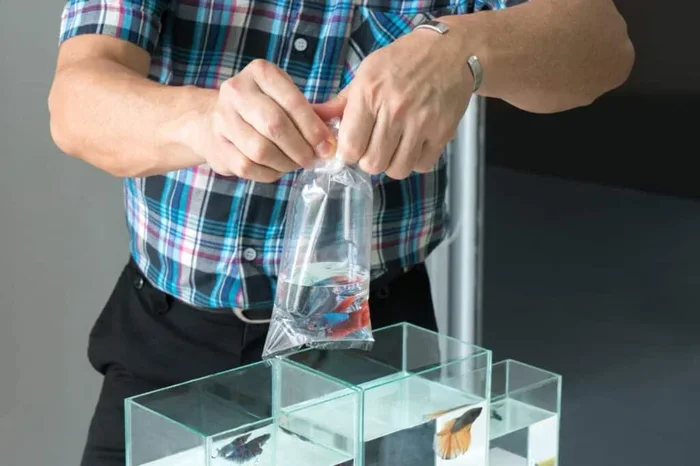
Method 3: The Bag Transfer Method
If you bought your betta from a store, you probably already have experience with the bag method. Float the sealed bag in the new tank for 15 to 20 minutes to equalize the temperature. Then, gradually add small amounts of tank water to the bag over another 15 to 20 minutes. Finally, use a net to release the betta into the tank.
Never pour the bag water into your new tank. Store water can carry diseases or contaminants that harm your established aquarium.
Common Mistakes to Avoid When Transferring Betta Fish
Even experienced fish keepers make mistakes during transfers. Knowing what to avoid saves you time, money, and heartbreak. Here are the most common errors people make when they move a betta fish to a new tank.
Skipping Water Testing
Many beginners skip testing the new tank water before the transfer. This is a big mistake. Without testing, you have no idea if ammonia, nitrite, or nitrate levels are safe. Even a small ammonia spike can harm or kill a betta fish within hours. Always test the water first and adjust if needed.
Rushing the Acclimation Process
Patience is everything when you’re transferring betta fish into tank setups. Some people try to speed things up by dumping the fish directly into the new tank. This shock can cause immediate stress and long-term health problems. Give your betta at least 30 minutes of gradual acclimation. It’s a small time investment that pays off big.
Forgetting to Turn Off the Lights
Bright lights can overwhelm a betta that’s already stressed from the move. Turn off the tank lights for the first few hours after the transfer. This gives your fish time to explore the new environment without the added pressure of glare and visibility. Dim lighting also helps reduce shock and encourages your betta to settle in faster.
Not Quarantining New Additions
If your new tank setup includes other fish, always quarantine new arrivals first. A separate quarantine tank for 2 to 4 weeks lets you observe your betta for signs of illness before introducing it to the main tank. This protects all your fish and keeps your aquarium healthy.
What to Do After the Transfer
The job isn’t done once your betta is in the new tank. The first 48 hours are critical. Here’s what you should do to make sure the transition goes smoothly.
Monitor Water Parameters Daily
Test the water every day for the first week. Look for any spikes in ammonia or nitrite. These can appear if the beneficial bacteria haven’t fully adjusted to the new biological load. If you notice any changes, do a small water change (around 20%) and retest.
Watch for Signs of Stress
A stressed betta may clamped its fins, hide constantly, refuse food, or breathe rapidly at the surface. These are normal reactions in the first day or two. But if the behavior continues past 48 hours, check your water parameters and look for potential causes. Adding a stress coat water conditioner can also help your betta recover faster.
Feed Lightly for the First Few Days
Don’t overfeed your betta right after a move. Offer small amounts of food once or twice a day. Overfeeding can dirty the water quickly, which adds stress to an already adjusting fish. Once your betta starts eating normally, you can return to a regular feeding schedule.
For more tips on maintaining a clean and healthy environment, see our article on how to clean your betta fish tank. Regular maintenance keeps the new tank stable and your betta happy.
Expert Tips for a Stress-Free Betta Transfer
Here are some bonus tips from experienced betta keepers that make the whole process easier and safer.
- Transfer during the evening: Betta fish are less active at night, so moving them in the evening gives them time to adjust while you sleep.
- Use a turkey baster: A turkey baster helps you remove debris and old water from the container without disturbing your betta too much.
- Keep a log: Write down the water parameters, transfer date, and any observations. This helps you track patterns and catch problems early.
- Stay calm: Your betta can sense your energy. Move slowly and deliberately, and your fish will stay calmer throughout the process.
- Don’t clean the old tank right away: If you’re keeping the old tank, leave it as-is for a few days in case you need to return your betta temporarily.
For more detailed guidance on setting up the perfect environment, you might want to read our article on how to set up a fish tank for betta fish. It covers everything from equipment choices to ideal water conditions.
Final Thoughts on Transferring Your Betta Fish
Transferring betta fish into a new tank is a process that rewards patience and preparation. You don’t need expensive equipment or advanced skills—just a little know-how and the willingness to take things slow. Follow the steps in this guide, avoid the common mistakes, and your betta will settle into its new home with ease.
Remember, every betta fish is different. Some adapt quickly, while others need a little extra time. What matters most is that you give your fish the care and attention it deserves during this transition. With the right approach, you’ll build trust with your betta and create a thriving aquarium that you both can enjoy for years to come.
Whether you’re setting up a brand-new tank or simply moving your betta to a fresh environment, the principles stay the same. Prepare the tank, match the water conditions, acclimate slowly, and monitor closely. These four steps are all you need to make any betta fish transfer a success.
Frequently Asked Questions
How long does it take to transfer a betta fish into a new tank?
The entire process, including acclimation, usually takes between 30 minutes and 2 hours depending on the method you use. The drip method takes longer but is the safest. Plan for at least an hour to give your betta time to adjust without rushing.
Can I transfer my betta fish directly without acclimation?
You can, but it’s not recommended. Direct transfers shock your betta’s system and can lead to stress, illness, or death. Always take the time to acclimate your fish gradually, even if the water parameters seem similar between the two tanks.
Should I feed my betta before or after transferring it?
Avoid feeding your betta for 4 to 6 hours before the transfer. A full stomach makes the fish more bloated and stressed during the move. Wait until the next day to offer food in the new tank, and keep the portion small.
What water temperature is best for transferring betta fish?
The ideal temperature range is between 78°F and 80°F (25°C to 27°C). Make sure the water temperature in both the old and new tanks are as close as possible to each other to minimize thermal shock during the transfer.
Do I need to turn off the filter when transferring my betta?
You don’t need to turn off the filter, but you may want to reduce the flow if it’s strong. Betta fish prefer gentle water movement. If the filter output creates a strong current, point it away from where your betta will be placed in the new tank.
How do I know if my betta is stressed after the transfer?
Signs of stress include clamped fins, hiding constantly, refusing food, rapid breathing, or staying at the bottom of the tank. Most of these behaviors are normal for the first 24 to 48 hours. If they persist beyond that, test your water parameters and check for other potential causes.