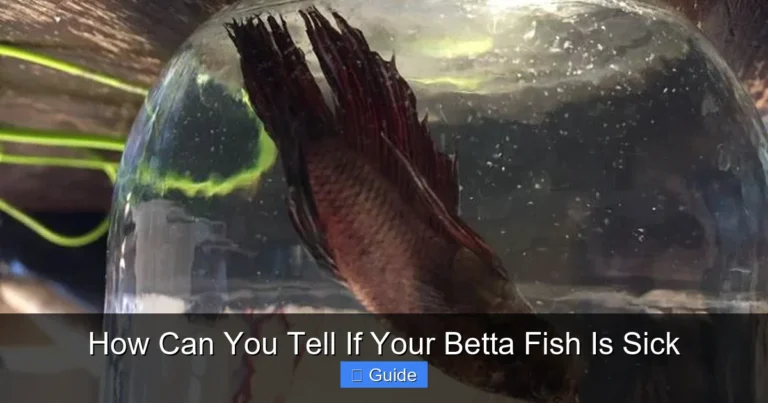
How to Tell If Betta Fish Is Happy

Knowing how to tell if betta fish is happy comes down to watching a few key signs. A happy betta fish shows bright colors, a healthy appetite, and active swimming patterns. When you understand these betta fish behavior clues, you can make sure your fish friend lives a long and joyful life.
Have you ever wondered if your betta fish is truly happy? It is not always easy to tell. These beautiful creatures have their own way of showing how they feel. When you learn to read their betta fish behavior, you unlock a whole new level of care. This guide walks you through every sign that shows your fish is thriving.
Whether you are a new betta owner or have had fish for years, understanding how to tell if betta fish is happy matters. A happy fish is a healthy fish. And a healthy fish can live up to five years or more with the right care. Let us dive into the signs you need to watch for.
Key Takeaways
- Vibrant colors and flowing fins are the top signs of a happy betta fish.
- A healthy appetite and active swimming show your betta is feeling great.
- Bubble nests and curious exploration mean your betta is comfortable and content.
- Recognizing stress signals early helps you fix problems before they worsen.
- A proper tank setup and regular care are the foundation of betta fish happiness.
- If you notice changes in behavior, check for illness or environmental issues right away.
- Simple daily habits like clean water and the right food go a long way.
📑 Table of Contents
Why Betta Fish Happiness Matters
Many people think betta fish are simple pets. They are not. These fish have personalities, preferences, and emotional responses to their environment. A happy betta fish will show bright colors, move with energy, and interact with its surroundings. An unhappy or stressed betta, on the other hand, may fade in color, hide, or stop eating.
The betta fish happiness of your pet directly affects its immune system. Stressed fish get sick more easily. They are also more prone to fin rot, ich, and other common issues. By keeping your betta happy, you are also keeping it safe from disease. This is why learning the signs matters so much.
The Connection Between Environment and Mood
Your betta fish tank setup plays a huge role in how your fish feels. A cramped bowl with cold water will make any betta miserable. But a properly heated tank with gentle filtration and places to explore? That is where bettas truly shine. Think of it like this — you would not feel happy in a tiny, cold room either.
When you invest time in the right betta fish tank environment, you set the stage for happiness. Plants, hiding spots, and open swimming space all matter. A well-set-up tank gives your fish the confidence to be active and curious. That is exactly what you want to see.
Top Signs Your Betta Fish Is Happy
Now let us get into the fun part. How do you actually know if your betta fish is happy? There are several clear signs that any owner can look for. Each one tells you something important about your fish’s well-being.
1. Vibrant, Bright Colors
A happy betta fish displays rich, vivid colors. Think deep blues, bright reds, and lush greens. When a betta is stressed or sick, those colors fade. The fish may look pale or washed out. But when your betta is content, its colors pop.
This is one of the easiest happy betta fish signs to spot. If your fish looks like it is glowing, that is a great indicator. Keep in mind that some color changes happen naturally with age or during breeding. But sudden fading is a red flag worth investigating.
2. Active and Curious Swimming
A happy betta fish loves to move around. You will see it glide smoothly through the water, explore every corner of the tank, and check out new things. This betta fish activity level shows that your fish feels safe and interested in the world around it.
Watch for smooth, graceful movements. A happy betta does not twitch or jerk. It flows through the water with ease. If you notice your fish darting around frantically or rubbing against objects, that could signal stress or irritation instead.
3. Healthy Appetite
Food is a big deal for bettas. A happy, healthy betta will get excited at feeding time. It will swim up eagerly and eat with enthusiasm. A betta fish appetite like this shows that everything is right in its world.
On the flip side, if your fish ignores food or spits it out, something may be wrong. Check the water temperature and quality first. Then consider whether your betta might be bored with its current betta fish food. Variety helps — try frozen or live foods as a treat alongside pellets.
4. Bubble Nest Building
Here is a really cool sign. Male bettas build bubble nests when they feel safe and happy. These are little clusters of bubbles on the surface of the water. It is a natural behavior that shows your fish is in a good mood and ready to potentially breed.
Even if you do not plan to breed your fish, a bubble nest is a wonderful sign. It means your betta fish environment is comfortable enough for your fish to feel like building a family. Not all bettas build nests, but when they do, it is a great indicator of contentment.
5. Flared Fins and Relaxed Body
A happy betta holds its fins open and flowing. The fins may flare occasionally, especially when your fish sees you or another fish nearby. This is normal and shows confidence. A relaxed body posture — neither stiff nor curled — tells you your fish is at ease.
Compare this to a stressed betta, which may clamp its fins tightly against its body. Clamped fins are a warning sign. If you see this, check the water parameters and look for other symptoms of betta fish health issues.
6. Exploring and Interacting
Bettas are curious creatures. A happy one will swim up to the glass, investigate new decorations, and seem interested in what is happening around it. Some bettas even learn to recognize their owners and swim to the front when they approach the tank.
This kind of betta fish body language is heartwarming and reassuring. It means your fish trusts its surroundings and feels secure. You can encourage this by talking softly near the tank and offering gentle interaction during feeding time.
What Makes a Betta Fish Happy?
Now that you know the signs, let us talk about what you can do to keep your betta happy. The factors below all play a role in your fish’s overall well-being.
Tank Size and Setup
A lot of people keep bettas in tiny bowls, and that is not ideal. A happy betta fish needs at least a 5-gallon tank. Larger is even better. The tank should have a heater to keep the water between 78 and 80 degrees Fahrenheit. A gentle filter helps maintain clean water without creating too much current.
Add some live or silk plants for hiding spots and exploration. A few smooth rocks or decorations give your betta places to investigate. Avoid sharp plastic plants that can tear delicate fins. Every detail in the betta fish tank setup counts toward your fish’s happiness.
Water Quality and Maintenance
Clean water is non-negotiable. Test your water regularly for ammonia, nitrite, and nitrate levels. Perform partial water changes of about 25 percent every week. Use tap water conditioner to remove chlorine and chloramine before adding water to the tank.
Stable parameters make a huge difference. Bettas do not like sudden changes in temperature or pH. Keep conditions consistent, and your fish will reward you with vibrant colors and energetic behavior. If you ever need to treat an issue, learn how to use tetracycline for betta fish or other treatments safely.
Proper Feeding Routine
Feed your betta once or twice a day with a small amount of high-quality pellets. Soak the pellets before feeding to prevent bloating. As a treat, offer frozen or live foods like brine shrimp or bloodworms once or twice a week.
Overfeeding is one of the most common mistakes betta owners make. Excess food pollutes the water and can make your fish sick. If your betta fish won’t eat, do not panic. Check the water quality first, then consider whether the food type or temperature might be the issue.
Mental Stimulation and Enrichment
Bettas get bored just like any other pet. You can keep your fish mentally stimulated by rearranging decorations occasionally or adding new elements to the tank. Some owners even use a mirror briefly to let their betta flare, which provides natural exercise.
You can also try teaching your betta fish to do tricks. Yes, bettas can learn! Use food as motivation and be patient. This kind of enrichment strengthens the bond between you and your fish and keeps your betta engaged and curious.
Common Signs Your Betta Fish Is Not Happy
Just as important as knowing the happy signs is recognizing when something is wrong. A stressed betta fish will show clear warning signals. Here are the most common ones to watch for.
Faded or dull colors often appear first. If your once-vibrant fish starts looking pale, something is off. Clamped fins — where the fish holds its fins close to its body — signal stress or discomfort. Loss of appetite is another major red flag. If your betta refuses food for more than two days, take action.
Other signs include rapid breathing, hiding at the bottom of the tank, rubbing against gravel or decorations, and lethargy. If you notice any combination of these symptoms, how to tell if my betta fish is sick should become your next search. Early detection of illness makes treatment much more effective.
Sometimes unhappiness comes from tank mates. Bettas are solitary fish and do not always get along with others. If your betta seems stressed, consider whether other fish in the tank might be causing the problem. Learning how to tell a female betta fish from a male can also help you avoid housing conflicts.
Quick Tips to Keep Your Betta Fish Happy
Want a simple checklist for daily betta fish care? Here it is:
- Check the temperature — make sure it stays between 78 and 80 degrees Fahrenheit.
- Feed appropriately — small amounts once or twice a day, no leftovers.
- Observe behavior — spend a few minutes watching your fish each day.
- Perform weekly water changes — replace about 25 percent of the water.
- Test water parameters — keep ammonia and nitrite at zero.
- Add variety — alternate between pellets, frozen, and live foods.
- Keep the tank clean — vacuum the gravel during water changes.
Following these steps consistently will go a long way. If you ever want to go deeper, check out how to make betta fish happy for even more detailed strategies.
When to Seek Help for Your Betta Fish
Even with the best care, your betta can sometimes fall ill. Knowing how to tell if your betta fish is sick is just as important as knowing the happiness signs. Common betta illnesses include fin rot, ich, velvet, and constipation.
If you notice white spots on the fins or body, rapid gill movement, or visible damage to the fins, it is time to take action. Research treatment options like how to treat ich on a betta fish or how to treat betta fish fin loss. Quarantine any sick fish to prevent the spread of disease to tank mates.
Sometimes a visit to a fish-savvy veterinarian is the best option. Do not wait too long hoping the problem will fix itself. The sooner you address betta fish health concerns, the better the outcome for your fish.
Also, remember that age plays a role. If you are curious about how old your fish might be, you can learn how to tell how old a betta fish is by looking at color intensity, fin condition, and activity level. Older fish may slow down, and that is perfectly normal.
Key Takeaways
- Vibrant colors and flowing fins are the top signs of a happy betta fish.
- A healthy appetite and active swimming show your betta is feeling great.
- Bubble nests and curious exploration mean your betta is comfortable and content.
- Recognizing stress signals early helps you fix problems before they worsen.
- A proper tank setup and regular care are the foundation of betta fish happiness.
- If you notice changes in behavior, check for illness or environmental issues right away.
- Simple daily habits like clean water and the right food go a long way.
Frequently Asked Questions
How can I tell if my betta fish is happy at home?
A happy betta fish at home will show bright colors, swim actively, and eat eagerly. It will explore the tank and may even build a bubble nest. These behaviors tell you that the environment is comfortable and your fish feels safe. Spend time observing your fish daily to catch these positive signs consistently.
What does a stressed betta fish look like?
A stressed betta may fade in color, clamp its fins against its body, or hide at the bottom of the tank. Rapid breathing, loss of appetite, and rubbing against decorations are also common stress signals. If you notice these signs, check your water parameters and look for potential causes like poor water quality or aggressive tank mates.
Can betta fish get lonely?
Bettas are solitary fish by nature and generally do not need companions. However, they can still experience boredom in a bare or unstimulating tank. Adding plants, decorations, and enrichment activities helps keep your betta mentally engaged. If you are interested in tank mates, learn how to tell a female betta fish from a male before adding any other fish to the tank.
How often should I feed my betta fish?
Feed your betta once or twice a day with a small amount of food. Soak pellets before feeding to prevent digestive issues. Overfeeding is a common mistake that can lead to bloating and poor water quality. If your fish stops eating, investigate water conditions and food type before assuming the worst.
What tank size is best for a betta fish?
A minimum of 5 gallons is recommended for a single betta fish. Larger tanks provide more swimming space and better water stability. A 10-gallon tank is an excellent choice for a happy and healthy betta. Always include a heater and gentle filter to maintain ideal conditions.
How do I know if my betta fish is sick?
Signs of a sick betta include white spots, torn fins, lethargy, loss of appetite, and unusual swimming patterns. If you notice any of these symptoms, test your water quality and research appropriate treatments. Learning how to tell if my betta fish is sick early can make a big difference in recovery. For specific conditions, look up treatments like how to treat ich on a betta fish or consult a fish veterinarian.
Conclusion
Understanding how to tell if betta fish is happy is one of the most rewarding parts of fish ownership. When you pay attention to your betta’s colors, behavior, appetite, and overall energy, you gain real insight into how it feels. A happy betta fish is a joy to watch and a testament to your care and dedication.
Remember that every fish is different. Some bettas are more active and playful, while others are calm and relaxed. The key is to know what is normal for your individual fish and to watch for any changes. Keep the water clean, the temperature stable, and the tank enriched. Feed well, observe often, and respond quickly to any warning signs.
If you ever want to go deeper into caring for your betta, explore resources on how to make your betta fish happy and proper how to take care of a betta male fish. The more you learn, the better equipped you are to give your fish the best life possible. Your betta is lucky to have an owner who cares enough to ask these questions. Keep up the great work, and enjoy every moment with your beautiful fish.