Does Betta Fish Need Oxygen

So, does betta fish need oxygen? Yes, but not the way most fish do. Bettas have a special organ called the labyrinth organ that lets them breathe air directly from the surface. This means they can survive in low-oxygen water better than many other fish. However, they still need proper oxygen levels in their tank to thrive and stay healthy long-term.
When you first bring home a betta fish, one of the first questions that comes up is whether they need extra oxygen. It is a common concern for new fish owners. After all, bettas look delicate with their flowing fins and vibrant colors. You might wonder if they need special equipment like an air pump or oxygen tank to survive. The answer is more interesting than you might think.
Betta fish are truly fascinating creatures. They have evolved unique adaptations that set them apart from most other tropical fish. Understanding how they breathe and what they need is the first step toward being a great fish owner. This guide covers everything you need to know about does betta fish need oxygen, from their special breathing organs to simple tank setup tips.
## How Betta Fish Breathe
### The Labyrinth Organ: A Built-In Survival Tool
Here is something amazing about bettas. They have a special organ called the labyrinth organ. This organ sits near their gills and works like a tiny lung. It allows bettas to absorb oxygen directly from the air at the water’s surface.
Most fish rely solely on their gills to extract dissolved oxygen from water. Bettas can do that too, but they also have this extra breathing method. This is why you often see your betta floating near the top of the tank, taking quick gulps of air.
This adaptation comes from their natural habitat. Bettas originally live in shallow, slow-moving waters in Southeast Asia. These environments often have low oxygen levels. Over thousands of years, bettas developed the labyrinth organ to survive in these conditions.
### Gills Still Play an Important Role
Even though bettas can breathe air, their gills still do important work. The gills extract dissolved oxygen from the water. Think of the gills as the primary breathing tool and the labyrinth organ as a backup system.
Both systems need to work well for your fish to stay healthy. If the water has very low dissolved oxygen, the gills struggle. And if the fish cannot reach the surface for air, the labyrinth organ cannot help. This is why balance matters in your tank setup.
## Does Betta Fish Need Oxygen?
### The Short Answer
Yes, betta fish need oxygen. But the way they get it is different from many other fish. They do not need a fancy oxygen tank or a loud air pump running all day. What they do need is a tank environment that supports natural gas exchange at the water’s surface.
When we talk about oxygen for fish, we mean dissolved oxygen in the water. This is the oxygen that fish absorb through their gills. Bettas also need access to the surface for air gulping. Both forms of oxygen matter.
### Why Bettas Are More Forgiving Than Other Fish
Because of their labyrinth organ, bettas tolerate lower oxygen levels better than goldfish or tetras. This does not mean they thrive in poor conditions. It just means they have a wider survival range. A betta in a well-maintained tank with good water flow will be much happier and healthier than one in a stagnant bowl.
Think of it this way. A betta can survive on a bicycle, but it still performs best with a car. You want to give your fish the best conditions possible, not just the minimum to keep them alive.
## Do Bettas Need an Air Pump or Oxygen Pump?
### The Truth About Air Pumps
One of the most common questions is whether you need an oxygen pump for betta fish. The short answer is usually no. Most betta tanks do not need an air pump. In fact, strong water movement from an air pump can stress bettas. They prefer calm, gentle water flow.
Air pumps create surface agitation, which does help with gas exchange. But there are quieter and more effective ways to achieve the same result. A good filter with adjustable flow can do the job without making noise or creating strong currents.
### When an Air Pump Might Help
There are a few situations where extra surface agitation helps. If your tank is very warm, warm water holds less dissolved oxygen. During hot summer days, a small air pump can temporarily boost oxygen levels. Also, if you have a heavily planted tank with many fish, more oxygen circulation helps.
But for a standard single betta tank, most owners find that a gentle filter is enough. If you are unsure about your setup, check out our guide on does betta fish need an oxygen pump for more detailed advice.
## How to Maintain Good Oxygen Levels in Your Betta Tank
### Choose the Right Tank Size
Tank size plays a big role in oxygen levels. A larger water surface area means more gas exchange. A bigger tank also stabilizes water parameters better. For a single betta, a tank of at least 5 gallons is recommended. The wider the tank, the better the surface area for oxygen exchange.
Small bowls and vases look pretty but limit oxygen levels. They also make it harder to maintain stable water conditions. Your betta will be much healthier in a properly sized aquarium. If you are wondering about space requirements, check out our article on how much space does a betta fish really need.
### Use a Gentle Filter
Filtration does more than keep water clean. It also helps circulate oxygen throughout the tank. A sponge filter is an excellent choice for bettas. It provides gentle flow and good biological filtration without creating strong currents.
Avoid powerful hang-on-back filters that create a torrent of water movement. Bettas are not strong swimmers. They prefer calm water with just enough flow to keep things clean. Adjust your filter output so the water moves softly but steadily.
### Add Live Plants
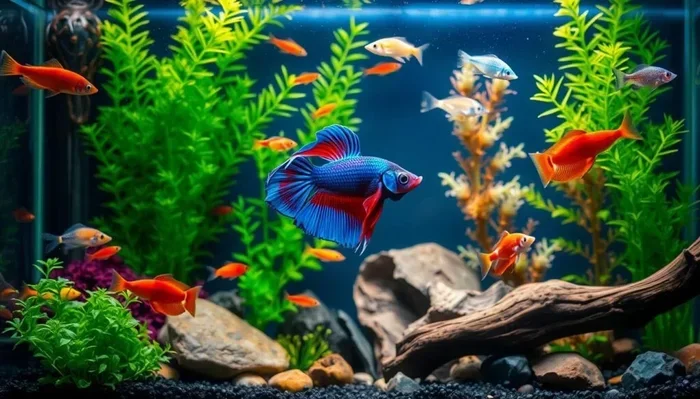
Live plants are one of the best natural ways to boost oxygen in your tank. During daylight hours, plants absorb carbon dioxide and release oxygen through photosynthesis. This creates a healthier environment for your betta.
Some great low-light plants for betta tanks include:
- Java moss
- Anubias
- Java fern
- Amazon sword
- Water wisteria
Plants also provide hiding spots and make the tank look beautiful. They are a win-win for both you and your fish.
### Keep the Water Surface Clear
Gas exchange happens at the water’s surface. If the surface is blocked by decorations, plants, or debris, oxygen exchange slows down. Make sure there is plenty of open surface area for your betta to breathe from.
This is also where your betta will come up to gulp air. If the surface is cluttered, the fish has to work harder to reach the top. Keep the water surface mostly clear for the best results.
## Signs Your Betta Fish Needs More Oxygen
### Watch for These Warning Signs
Betta fish show clear signs when oxygen levels drop too low. Catching these early can save your fish’s life. Here are the most common symptoms to watch for:
- Gasping at the surface: Your betta stays at the top and takes frequent, rapid gulps of air.
- Lethargy: The fish becomes unusually still and shows little interest in food or movement.
- Rapid gill movement: The gills open and close quickly even when the fish is resting.
- Swimming near the surface: Instead of exploring the whole tank, the fish stays at the top.
- Loss of color: A healthy betta has vibrant colors. Dull or faded colors can signal stress.
If you notice these signs, test your water parameters right away. Low oxygen often goes hand in hand with high ammonia or nitrate levels, which can be dangerous.
### Common Causes of Low Oxygen
Several factors can reduce oxygen in a betta tank. Understanding these causes helps you prevent problems before they start.
- High water temperature: Warm water holds less dissolved oxygen. This is the most common cause during summer months.
- Overcrowding: Too many fish in a small tank uses up oxygen faster than it can be replaced.
- Poor water circulation: Stagnant water limits gas exchange at the surface.
- Excess waste: Decomposing waste consumes oxygen and releases harmful chemicals.
- Overfeeding: Uneaten food breaks down and reduces water quality, which affects oxygen levels.
## What Else Does a Betta Fish Need?
### Water Quality and Temperature
Oxygen is just one piece of the puzzle. Betta fish need clean, warm water to thrive. The ideal temperature range is between 76 and 82 degrees Fahrenheit. Use a reliable heater to maintain a stable temperature. Cold water stresses bettas and weakens their immune system.
Water quality is equally important. Regular water changes and proper filtration keep ammonia and nitrite levels at zero. Test your water weekly with a simple aquarium test kit. If you want a complete guide on water requirements, read our article on what does a betta fish need.
### The Right Tank Setup
A good betta tank setup goes beyond just oxygen. You need a comfortable environment with hiding spots, soft lighting, and gentle water flow. Bettas also appreciate some plants and décor to explore. A well-set-up tank reduces stress and promotes natural behavior.
Keep the tank lid slightly open or use a hood with gaps. Bettas need access to the surface for air. A fully sealed tank can trap carbon dioxide and push oxygen levels down. Simple adjustments like this make a big difference.
## Common Mistakes to Avoid
### Using a Tiny Bowl as a Permanent Home
Many people keep bettas in small bowls without filters or heaters. While a betta can survive in a small container for a while, it is not a good long-term setup. Small volumes of water change temperature and chemistry quickly. Oxygen levels fluctuate more in tiny tanks too.
Upgrade to at least a 5-gallon tank. Your betta will live longer, show better colors, and display more natural behavior. It is one of the best investments you can make as a fish owner.
### Overcomplicating the Setup
Some new owners buy expensive equipment thinking their betta needs it. They purchase air pumps, ozone generators, and complex filtration systems. In reality, bettas do best with simple, gentle setups. A sponge filter, a heater, and a few plants are all you need.
Keep things simple. Focus on water quality, stable temperature, and gentle flow. Your betta will thank you with vibrant colors and an active, healthy life.
## Expert Insights
Veterinarians and experienced fish keepers agree on a few key points about betta oxygen needs. First, the labyrinth organ is a remarkable adaptation, but it is not a magic solution. Bettas still need clean, well-oxygenated water to stay healthy over the long term.
Second, surface agitation is more important than deep water circulation. Gas exchange happens where the water meets the air. A gentle filter that creates a small ripple on the surface is usually all you need.
Third, live plants are underrated. They not only boost oxygen but also absorb harmful nitrates. A planted betta tank is one of the healthiest environments you can create for your fish.
## Conclusion
So, does betta fish need oxygen? Yes, absolutely. But bettas have a unique advantage that most fish do not. Their labyrinth organ allows them to breathe air, giving them more flexibility in low-oxygen environments. This does not mean you can skip proper tank maintenance.
The key is balance. Provide a tank of at least 5 gallons, use a gentle filter, maintain stable water temperature, and keep the water surface clear. Add live plants for natural oxygen boost. Watch your fish for signs of distress and act quickly if something seems off.
With the right setup, your betta fish will thrive. You will enjoy watching their colorful fins and playful behavior for years to come. A well-oxygenated tank is the foundation of a happy, healthy betta. Start with these basics and build from there. Your fish will live a long, vibrant life because of the care you put in.
Key Takeaways
- Bettas have a labyrinth organ: This unique breathing adaptation allows them to gulp air from the surface, making them different from most tropical fish.
- Oxygen is still essential: Even with their special organ, bettas need adequate dissolved oxygen in the water for long-term health.
- An air pump is usually unnecessary: Most betta tanks do not need a separate oxygen pump or air stone to maintain good oxygen levels.
- Tank size and water flow matter: A properly sized tank with gentle filtration helps maintain healthy oxygen levels naturally.
- Signs of low oxygen are visible: Labored breathing, staying near the surface, and lethargy are clear warning signs your fish needs attention.
- Live plants help boost oxygen: Adding live aquarium plants is a natural and effective way to increase oxygen in your betta’s environment.
Frequently Asked Questions
Can betta fish survive without any dissolved oxygen in the water?
No, bettas still need some dissolved oxygen in the water even though they can breathe air. Their gills extract oxygen from the water, and the labyrinth organ is a supplement, not a replacement. Without any dissolved oxygen, the gills cannot function properly and the fish will struggle.
How do I know if my betta tank has enough oxygen?
Watch your fish’s behavior. A healthy betta moves freely around the tank and only comes to the surface occasionally for air gulps. If your betta is gasping at the surface constantly or staying near the top, oxygen levels may be too low. You can also test dissolved oxygen with an aquarium test kit.
Is an air stone good for betta fish tanks?
An air stone is not necessary for most betta tanks. The strong bubbles and water movement can stress bettas who prefer calm water. If you want extra oxygen, a gentle sponge filter or live plants are better options. Use an air stone only if you notice low oxygen levels and other methods are not enough.
Does water temperature affect oxygen levels in a betta tank?
Yes, warmer water holds less dissolved oxygen than cooler water. This is why betta tanks should stay between 76 and 82 degrees Fahrenheit. During hot weather, check oxygen levels more often and consider adding a small air pump temporarily to boost oxygen if needed.
Do betta fish need a filter for oxygen?
A filter helps maintain oxygen levels by creating surface agitation and circulating water. However, bettas do not need a powerful filter. A gentle sponge filter works perfectly well. The filter also keeps the water clean, which supports healthy oxygen levels indirectly by reducing waste that consumes oxygen.
Can live plants replace an air pump in a betta tank?
Live plants can significantly boost oxygen levels through photosynthesis, especially in well-lit tanks. They are a natural and effective way to support oxygen without extra equipment. However, plants alone may not be enough in larger tanks or warmer water. A gentle filter combined with plants creates the best environment for your betta.