How Many Times Betta Fish Eats
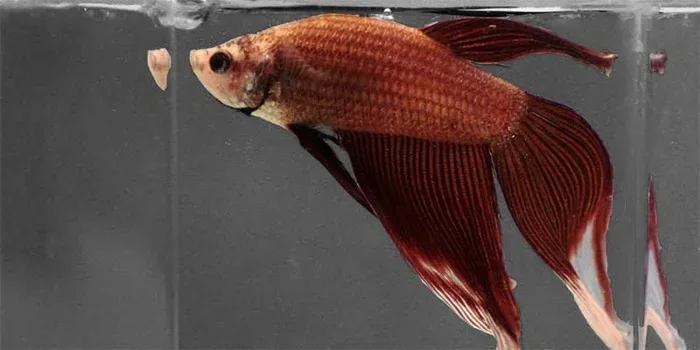
So how many times betta fish eats? The answer is simple: feed your betta fish 1 to 2 times a day with small portions each time. A proper feeding routine keeps your betta healthy, active, and full of color without the risks of overfeeding or underfeeding.
Every betta fish owner wants their colorful companion to thrive. One of the biggest questions beginners ask is how many times betta fish eats each day. The answer might surprise you. It is less than most people think.
Feeding your betta the right way goes far beyond just tossing food into the tank. It is about timing, portion size, food type, and understanding your fish’s unique needs. In this guide, we will walk through everything you need to know about betta fish feeding frequency, what to feed, and how to avoid the most common mistakes. Whether you are a new betta parent or have had fish for years, these tips will help you keep your betta happy and healthy.
Key Takeaways
- Feed 1–2 times daily: This is the ideal frequency for most adult betta fish to stay healthy and energized.
- Small portions matter: Only give what your betta can eat in 2 minutes to prevent overfeeding and water pollution.
- Variety is key: Rotate between pellets, flakes, and frozen foods to provide complete nutrition.
- Watch for hunger cues: A hungry betta will show begging behavior, but this doesn’t always mean it needs more food.
- Skipping a day can help: One fasting day per week helps digestion and prevents bloating in betta fish.
- Consistency beats quantity: A steady feeding routine matters more than giving large meals infrequently.
📑 Table of Contents
- How Many Times Should You Feed a Betta Fish?
- What Should You Feed Your Betta Fish?
- Signs You Are Overfeeding Your Betta
- Signs You Are Underfeeding Your Betta
- How Does Age Affect Betta Fish Feeding?
- How Long Can Betta Fish Go Without Food?
- Quick Tips for Perfect Betta Feeding
- Common Mistakes Bettas Owners Make With Feeding
- Conclusion
How Many Times Should You Feed a Betta Fish?
The short answer is one to two times per day. Most experts agree that feeding your betta fish twice a day is the sweet spot. Some owners prefer once a day, and that works too, especially if portions are a bit larger. But feeding more than twice a day can cause serious problems.
Here is a simple daily feeding schedule you can follow:
- Morning feeding: Give a small portion of pellets or flakes once the tank light turns on.
- Evening feeding: Offer another small portion about 8 to 10 hours later.
- One fasting day: Skip feeding once a week, ideally on a day you do not normally feed.
This routine mimics what betta fish would experience in their natural habitat. They do not have access to food all day long. Their bodies are built for small, frequent meals rather than large ones. Sticking to this schedule supports healthy digestion and keeps waste production low, which means cleaner water for your fish.
Why Twice a Day Works Best
Betta fish have very small stomachs. Their stomach is roughly the size of their eye. That means they cannot handle large meals. Feeding twice a day with small portions prevents food from sitting undigested in the tank. Undigested food breaks down and releases ammonia, which is toxic to fish.
Feeding too often also leads to obesity in bettas. An overweight betta will look swollen and may develop health issues like swim bladder disease. Keeping the feeding schedule tight and portions small is one of the best things you can do for your fish.
What Should You Feed Your Betta Fish?
Not all fish food is created equal. Bettas are carnivorous by nature. They need a diet rich in protein. Understanding betta fish diet options helps you choose the right food and keep your fish thriving.
Best Food Types for Bettas
Here are the most common and effective food options for betta fish:
- Betta pellets: These are specifically formulated for bettas. They sink slowly and are easy to portion. How many pellets to feed betta fish daily depends on the brand and size, but generally 2 to 3 pellets per feeding is a good starting point.
- Betta flakes: Flakes work well but tend to dissolve quickly. How many fish flakes per betta should be limited to a small pinch per meal to avoid mess.
- Frozen or live foods: Bloodworms, brine shrimp, and daphnia are excellent treats. They mimic what bettas eat in the wild and are packed with protein.
- Freeze-dried foods: These are convenient and last a long time. Soak them before feeding to prevent digestive issues.
How to Create a Balanced Feeding Routine
A great way to ensure nutrition is to rotate food types. For example, feed pellets in the morning and frozen bloodworms in the evening. This variety keeps your betta interested in food and provides a broader range of nutrients. If you only feed one type of food, your betta may develop nutritional gaps over time.
A betta fish feeding schedule should also include occasional treats. However, treats should make up no more than 10 to 15 percent of the total diet. Pellets or a quality betta formula should remain the staple of every meal.
Signs You Are Overfeeding Your Betta
Overfeeding is the number one mistake betta fish owners make. It is easy to do because bettas act hungry every time you approach the tank. But hunger behavior does not always mean your fish needs food.
Common Signs of Overfeeding
- Uneaten food sinking to the bottom: If food sits in the tank for more than a few minutes, you are giving too much.
- Cloudy water: Excess food decays quickly and clouds the tank water.
- Swollen or bloated belly: A betta that looks permanently full may be constipated or overweight.
- Lethargy after eating: A healthy betta should be active, not sluggish, after meals.
- Increased algae growth: Extra nutrients from uneaten food fuel algae blooms in the tank.
What to Do If You Overfed
If you accidentally give too much food, remove the uneaten portions with a small net or siphon. Do not wait for it to dissolve. The faster you remove excess food, the better your water quality stays. If your betta shows signs of bloating, consider skipping the next meal to let its digestive system reset.
Signs You Are Underfeeding Your Betta
While overfeeding is more common, underfeeding can also happen. This usually occurs when owners are too cautious about portions. A betta that is not getting enough food will show clear warning signs.
Common Signs of Underfeeding
- Weight loss: Your betta may look thin or its body shape may become pointed on the sides.
- Loss of color: A well-fed betta displays vibrant colors. A malnourished betta will look faded.
- Lethargy and inactivity: If your betta spends most of its time hiding or resting at the bottom, it may not be getting enough energy.
- Aggressive behavior: Some bettas become more aggressive when hungry, flaring at tank mates or decorations.
How to Adjust Portions
If you suspect you are underfeeding, gradually increase the portion size. Add one extra pellet or a small pinch of flakes per feeding. Watch your betta’s response over a week. A healthy betta should eat eagerly and maintain a rounded, full body shape. Remember that how many times betta fish eats matters just as much as how much you give at each meal.
For more details on portion sizes, check out our guide on how many pellets betta fish need per day based on their size and activity level.
How Does Age Affect Betta Fish Feeding?
The feeding needs of a betta fish change as it grows. A baby betta has different nutritional requirements than an adult betta. Understanding these changes helps you adjust the feeding routine over time.
Feeding Baby Bettas (Fry)
Young betta fish need to eat more frequently than adults. Baby bettas should be fed 3 to 4 times a day with very small portions. Their stomachs are tiny, and they need constant fuel for growth. Betta fry food should be finely crushed pellets or live baby brine shrimp. Frequent small meals help fry develop strong bones and vibrant color early on.
Feeding Adult Bettas
Adult bettas do well with one to two feedings per day. As your betta reaches full maturity, you can reduce feeding frequency. The focus shifts from growth to maintenance. An adult betta needs a balanced diet that supports energy, immune health, and bright coloration without excess calories.
Feeding Senior Bettas
Older bettas may become less active and have slower digestion. If your betta is over 2 years old, watch for signs of decreased appetite. You might need to soften pellets by soaking them before feeding. Some senior bettas do better with smaller, more frequent meals rather than two large ones.
How Long Can Betta Fish Go Without Food?
It is natural to worry when you are away from home. Bettas are resilient fish, but they still need regular nutrition. Understanding how long your fish can safely go without food helps you plan trips and manage your schedule with confidence.
An adult betta can go without food for 10 to 14 days in some cases. However, this should not be a regular practice. Going too long without food can weaken the immune system and lead to nutritional deficiencies. Most experts recommend not going more than 3 days without feeding unless absolutely necessary.
If you are planning a short trip, an automatic fish feeder or a slow-release food block can help. For longer trips, ask a trusted friend or neighbor to feed your betta using the proper portion sizes. You can learn more about how long bettas can survive without food in our detailed article on how many days betta fish can live without food.
Quick Tips for Perfect Betta Feeding
Here are some fast, practical tips to improve your daily feeding routine:
- Feed at the same times every day. Bettas thrive on routine. Consistent timing helps regulate their metabolism and reduces stress.
- Use a small measuring tool. A tiny scoop or tweezers helps you control portion sizes accurately.
- Soak pellets before feeding. Dry pellets can expand in your betta’s stomach and cause bloating. A quick soak prevents this.
- Remove uneaten food within 5 minutes. This keeps the tank clean and prevents ammonia buildup.
- Vary the diet weekly. Rotate between pellets, flakes, frozen foods, and occasional treats for complete nutrition.
- Watch your betta during feeding. Observe how quickly and eagerly your fish eats. This tells you a lot about its health and appetite.
Common Mistakes Bettas Owners Make With Feeding
Even experienced fish keepers sometimes make feeding mistakes. Here are the most common errors to avoid:
- Feeding too much at once: More food does not mean a healthier fish. Stick to small portions and feed more often if needed.
- Using the wrong food type: Tropical flakes designed for community tanks lack the protein bettas need. Always choose betta-specific food.
- Ignoring the fasting day: Skipping one day of feeding per week is not cruel. It actually benefits digestion and helps prevent constipation.
- Feeding based on begging behavior: Bettas learn to beg for food. This does not mean they are still hungry. Stick to your schedule.
- Changing food too suddenly: If you switch food brands or types, do it gradually over a week to avoid stomach upset.
Conclusion
Getting the feeding routine right is one of the most important parts of betta fish care. Now you know the answer to how many times betta fish eats and much more. Feed your betta 1 to 2 times a day with small, protein-rich portions. Watch for signs of overfeeding or underfeeding, and adjust as needed. A consistent routine, varied diet, and proper portion control will keep your betta fish healthy, colorful, and active for years to come. Start applying these tips today, and you will see a real difference in your fish’s energy and appearance.
Frequently Asked Questions
How many times a day should I feed my betta fish?
Feed your betta fish 1 to 2 times per day with small portions. This frequency supports healthy digestion and prevents overfeeding. If you feed twice a day, give only what your betta can finish in about 2 minutes per meal.
Can I feed my betta fish once a day instead of twice?
Yes, feeding once a day works fine as long as the portion is appropriate. Some betta owners prefer once-daily feeding because it is simpler and reduces the risk of overfeeding. Just make sure the single meal is enough to satisfy your fish’s nutritional needs.
What happens if I overfeed my betta fish?
Overfeeding causes bloating, constipation, and poor water quality. Uneaten food decays in the tank and raises ammonia levels, which can make your betta sick. Always remove any food your fish does not eat within a few minutes.
How do I know if my betta fish is still hungry?
Bettas often beg for food by swimming near the surface or following your hand. However, this behavior is a learned habit and does not always mean they are hungry. Stick to your scheduled portions and do not give in to begging between meals.
Is it okay to skip feeding my betta fish for a day?
Yes, skipping one feeding day per week is actually beneficial. It gives your betta’s digestive system a rest and helps prevent constipation and bloating. Healthy adult bettas can easily handle a day without food.
Can I leave food in the tank all day for my betta?
No, you should not leave food in the tank all day. Betta fish eat small portions and will not finish food left out for hours. Uneaten food decays quickly and pollutes the water, leading to health problems for your fish.