How Many Hours Does Betta Fish Sleep
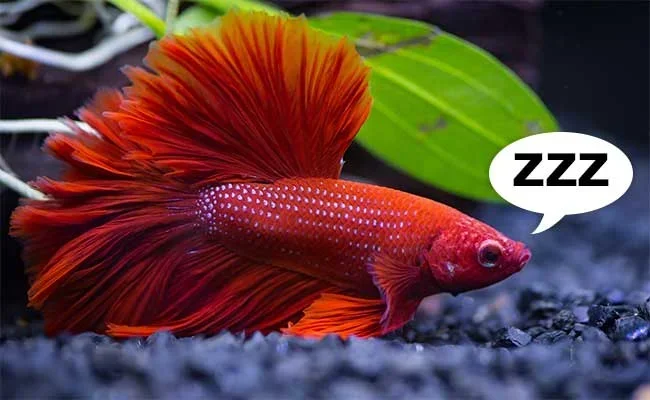
Betta fish sleep for about 12 to 14 hours each day, often in short bursts throughout the day and night. Understanding how many hours does betta fish sleep helps you create the ideal tank environment and recognize healthy rest patterns. These colorful fish need darkness and calm conditions to get quality rest, so dimming the lights at night is essential for their well-being.
Key Takeaways
- Betta fish sleep 12–16 hours daily for peak health.
- Darkness triggers their sleep cycle, so keep lights off at night.
- They rest near the bottom or hide in plants when drowsy.
- Lack of sleep causes stress and weakens their immune system.
- Provide floating plants for hiding to help them feel secure while sleeping.
- Sudden movements disturb their rest, so avoid tapping the tank glass.
- A consistent schedule supports healthy sleep patterns for your betta.
📑 Table of Contents
- How Many Hours Does Betta Fish Sleep: A Complete Guide to Understanding Your Betta’s Rest
- How Many Hours Does Betta Fish Sleep and Why It Matters
- How to Tell If Your Betta Fish Is Sleeping
- Factors That Affect How Long Betta Fish Sleep
- Betta Fish Sleep Schedule and Nighttime Behavior
- How to Create the Perfect Sleep Environment for Your Betta Fish
- Common Mistakes That Disrupt Betta Fish Sleep
- Expert Insights on Betta Fish Sleep and Long-Term Health
- Key Takeaways on Betta Fish Sleep
How Many Hours Does Betta Fish Sleep: A Complete Guide to Understanding Your Betta’s Rest
If you’re a betta fish owner, you’ve probably caught your little buddy doing some pretty funny things at night. Floating near the surface, lying on its side, or tucking itself under a leaf — it can be surprising if you didn’t know your fish actually sleeps. So, how many hours does betta fish sleep exactly? On average, betta fish get about 12 to 14 hours of sleep every day. This includes their nighttime rest and short naps during the day.
Understanding your betta’s sleep cycle is more important than most people think. It directly affects their betta fish health, energy levels, and overall happiness. A well-rested betta is an active, colorful, and playful betta. On the flip side, a fish that doesn’t get enough rest can become sluggish and even get sick.
In this guide, you’ll learn everything about betta fish sleeping habits. We’ll cover how to spot when your betta is asleep, what affects their rest, and how to set up the perfect environment for healthy betta fish rest. Whether you’re a new owner or a long-time hobbyist, this article has something valuable for you. Let’s dive right in.
For more details on how bettas naturally rest, check out our article on how does a betta fish sleep. It dives deep into their unique resting behaviors.
How Many Hours Does Betta Fish Sleep and Why It Matters
So, how many hours does betta fish sleep in a typical day? Most bettas sleep for around 12 to 14 hours over a 24-hour period. This might sound like a lot, but remember — bettas are diurnal creatures. That means they’re active during the day and rest at night, just like humans.
Their sleep isn’t always one long block. Betta fish take short rest periods throughout the day too. These little naps help them recharge. Think of it like how you might take a quick break between work sessions. Your betta does the same thing in its own way.
Sleep is essential for your betta’s betta fish wellness. During rest, their body repairs cells, balances hormones, and strengthens the immune system. Without enough quality sleep, your betta can face serious health issues over time. Let’s look at what normal betta fish behavior looks like when they’re well-rested versus when they’re not.
What Healthy Sleep Looks Like
A healthy betta that gets enough sleep will show these signs:
- Bright, vibrant colors during active hours
- Eager appetite during feeding times
- Active swimming and exploring the tank
- Responsive to your presence near the tank
- Consistent daytime and nighttime patterns
When your betta gets proper betta fish rest, you’ll notice a big difference in their personality. They’ll be curious, energetic, and full of character. That’s the betta you fell in love with.
How to Tell If Your Betta Fish Is Sleeping
One of the biggest surprises for new betta owners is realizing their fish actually sleeps. Unlike mammals, bettas don’t close their eyes. They don’t have eyelids. So how do you know when your betta is sleeping versus just resting or being inactive?
There are several clear signs of betta fish sleeping that you can watch for. Once you learn them, you’ll never second-guess your fish’s behavior again.
Common Sleeping Positions
Betta fish sleep in some really interesting positions. Here are the most common ones:
- Lying on their side — This is the most classic sleeping position. Your betta may float gently near the surface or rest midway in the water.
- Curled up in a ball — Some bettas tuck themselves into a tight shape, often near plants or decorations.
- Resting at the bottom — A betta lying still on the substrate isn’t necessarily dead. They might just be taking a nap.
- Tucked under leaves — Bettas love to find natural cover. A leaf or hammock becomes their personal bed.
If your betta stays in one position for a while and doesn’t react to food or movement, they’re likely sleeping. It’s like watching someone peacefully napping on a cozy afternoon. You might also want to read our detailed guide on why does my betta fish sleep so much for deeper insights into excessive sleeping behaviors.
How to Gently Test If Your Betta Is Asleep
Want to confirm your betta is sleeping? Try these simple tests:
- Gently tap the glass near your betta. A sleeping betta will slowly wake up and investigate.
- Drop a tiny food particle nearby. A resting betta may not respond right away, but a sleeping betta won’t respond at all.
- Watch for slow, gentle movements. Active bettas dart around. Sleeping bettas barely move.
Remember, bettas are light sleepers. They respond to changes in aquarium lighting and sound quickly. That’s actually a good sign — it means their instincts are sharp.
Factors That Affect How Long Betta Fish Sleep
Not all bettas sleep the same amount. Several factors influence how many hours does betta fish sleep each day. Understanding these factors helps you create better conditions for your pet. Some things you can control, and others you’ll just need to monitor.
Lighting Schedule and Aquarium Environment
Aquarium lighting plays a huge role in your betta’s betta fish sleep cycle. Bettas follow a natural day-night rhythm. When the lights are on, they’re active. When it’s dark, they rest.
Here’s a simple comparison of how different lighting schedules affect your betta’s sleep:
| Lighting Schedule | Daytime Activity | Sleep Duration | Overall Health |
|---|---|---|---|
| 8-10 hours light | High energy | 12-14 hours | Excellent |
| 12+ hours light | Reduced activity | 6-8 hours | Poor |
| 6 hours light | Lethargic | 14-16 hours | Fair |
| Natural light cycle | Natural behavior | 12-14 hours | Optimal |
As you can see, keeping things natural works best. Avoid leaving tank lights on too long. Your betta needs darkness to get quality rest periods. A consistent lighting schedule of about 8 to 10 hours of light per day is ideal.
Water Temperature and Quality
Water temperature directly impacts how well your betta sleeps. Bettas thrive in water between 76°F and 82°F (24°C to 28°C). When the water is too cold, your betta becomes sluggish and may sleep more. When it’s too hot, they become stressed and restless.
Here are some key betta fish care tips for maintaining good water conditions:
- Keep the temperature stable. Sudden changes cause stress and disrupt sleep.
- Test water parameters weekly. Ammonia and nitrite spikes harm your betta’s betta fish health.
- Do regular partial water changes. Fresh, clean water promotes better rest.
- Use a heater in cooler rooms. A stable temperature helps your betta feel secure.
When your betta lives in comfortable water, they sleep better and live longer. For more on how sleep connects to their lifespan, check out our article on how long does a betta fish live. It covers all the factors that influence longevity.
Tank Size and Tank Mates
Believe it or not, your betta fish tank setup affects sleep too. A cramped tank limits your betta’s ability to swim and explore. This leads to stress, which then disrupts their betta fish patterns.
Tank mates can also be a factor. If your betta feels threatened or constantly chased, they won’t rest properly. A peaceful environment with plenty of hiding spots makes for much better betta fish comfort.
Betta Fish Sleep Schedule and Nighttime Behavior
Understanding your betta’s nighttime behavior helps you plan their day better. As we mentioned, bettas are diurnal. They follow a natural rhythm tied to light and dark cycles. Let’s break down what a typical day looks like for a well-rested betta.
A Day in the Life of Your Betta
Here’s what a healthy betta fish sleep schedule typically looks like:
- Morning (6 AM – 9 AM): Your betta wakes up and starts exploring. They swim around the tank, check their territory, and look for breakfast.
- Midday (9 AM – 12 PM): After some activity, your betta might take a short nap. This is a normal rest period.
- Afternoon (12 PM – 5 PM): Peak activity time. Your betta swims, plays, and interacts with their environment.
- Evening (5 PM – 8 PM): Activity slows down. Your betta starts looking for a cozy spot to rest.
- Night (8 PM – 6 AM): Deep sleep time. Your betta rests for about 10 to 12 hours overnight.
This schedule can shift slightly depending on your home’s lighting and routine. The key is consistency. Bettas love routine. When their day follows a predictable pattern, their betta fish sleep cycle stays healthy and strong.
Some owners wonder if bettas are nocturnal. They’re not. Bettas are definitely daytime creatures. If you notice your betta being active at night, it might be a sign of stress or an disrupted schedule. For more on this topic, our article on how does betta fish sleep covers nighttime behaviors in detail.
How to Create the Perfect Sleep Environment for Your Betta Fish
Now that you know how many hours does betta fish sleep, let’s talk about how to make sure they get quality rest. A good sleep environment makes a world of difference. It’s not just about quantity — the quality of sleep matters just as much.
Setting Up the Tank for Restful Sleep
Here are some practical steps to improve your betta’s sleeping conditions:
- Add live or silk plants. Betta fish love to rest near plants. They feel safe and hidden. Avoid plastic plants with rough edges that can tear fins.
- Include a hammock or rest area. There are betta-specific hammocks you can attach to the tank glass. Your betta will love lounging there.
- Keep the tank clean. Regular maintenance prevents harmful bacteria and keeps your betta comfortable. Follow a guide on how many times to change water for betta fish for a proper maintenance routine.
- Reduce water flow. Strong filters can keep your betta awake and struggling. Use a gentle filter or baffle the output.
- Provide hiding spots. Caves, driftwood, and decorations give your betta private spaces to nap peacefully.
These small changes can dramatically improve your betta’s betta fish comfort. You’ll see a noticeable difference in their energy and color within days.
Quick Tips for Better Betta Sleep
Here are some fast, actionable tips you can start tonight:
- Set a timer for your tank lights. Keep them on 8 to 10 hours max.
- Avoid loud noises near the tank at night. Bettas are sensitive to vibrations.
- Don’t tap the glass to “wake up” your sleeping betta. Let them rest naturally.
- Feed your betta earlier in the day. Late feeding can cause restless nights.
- Keep the room temperature steady. Avoid cold drafts near the tank.
Following these tips consistently will help your betta develop a strong, healthy betta fish sleep cycle. Think of it like building a bedtime routine for a child — consistency is everything.
Common Mistakes That Disrupt Betta Fish Sleep
Even experienced betta owners sometimes make mistakes that harm their fish’s rest. These errors are easy to fix once you know what to look for. Let’s go over the most common ones so you can avoid them.
Too Much Light Exposure
This is the number one mistake. Leaving tank lights on overnight or for too long during the day completely throws off your betta’s betta fish sleep cycle. Some owners forget to turn off the lights. Others leave them on to see their fish at night.
Prolonged light exposure can cause sleep deprivation in bettas. Signs include:
- Loss of vibrant color
- Reduced appetite
- Erratic swimming patterns
- Increased hiding or lethargy
- Weakened immune system
The fix is simple. Use a timer. Turn off the lights at night. If you want to view your betta after dark, use a small blue LED that doesn’t disturb their rest. It’s gentle and won’t disrupt their betta fish behavior.
Overfeeding and Poor Diet Timing
Feeding your betta too close to bedtime can cause discomfort. An overly full betta may struggle to rest. Uneaten food also fouls the water, which affects betta fish health over time. For guidance on proper feeding amounts, our article on how many pellets to feed betta fish daily is a great resource.
A good feeding schedule looks like this:
- Feed 2 to 3 small meals per day
- Space meals evenly throughout waking hours
- Skip the last meal at least 2 to 3 hours before lights out
- Remove any uneaten food after 5 minutes
Ignoring Stress Signals
Stress is a silent killer when it comes to betta fish rest. Common stressors include aggressive tank mates, dirty water, lack of hiding spots, and sudden changes in routine. If your betta seems restless or sleeps way too much, stress could be the reason.
Take time to observe your betta daily. Notice any changes in their betta fish patterns. Early intervention prevents bigger problems down the line. Your betta depends on you to notice when something’s off.
Expert Insights on Betta Fish Sleep and Long-Term Health
Understanding how many hours does betta fish sleep is just one piece of the puzzle. Let’s look at what experts say about betta sleep and how it connects to their overall betta fish wellness.
Aquarium specialists agree that a consistent light-dark cycle is the single most important factor in promoting healthy sleep. They also stress the value of enrichment. Live plants, varied tank decorations, and occasional tank rearrangements keep your betta mentally stimulated. A stimulated betta sleeps better at night because they’ve had a fulfilling day.
Veterinarians who specialize in fish health also point to the connection between sleep and immune function. A sleep-deprived betta is far more vulnerable to common illnesses like fin rot, ich, and bacterial infections. Protecting your betta’s rest is one of the best forms of preventive care you can offer.
For those interested in learning more about betta sleep patterns and how they compare across different conditions, our detailed resource on how long does betta fish sleep offers additional research-backed insights.
Key Takeaways on Betta Fish Sleep
Let’s wrap up the most important points about how many hours does betta fish sleep:
- Most bettas need 12 to 14 hours of sleep per day
- Betta fish are diurnal — active during the day, rest at night
- They don’t close their eyes, but their stillness and position reveal when they’re asleep
- Lighting schedule, water temperature, and tank environment directly affect sleep quality
- Consistent routines and clean water promote better betta fish rest
- Overfeeding, excess light, and stress are the top sleep disruptors to avoid
Your betta fish depends on you to create the right conditions for healthy sleep. By following the tips in this guide, you’ll help your betta live a longer, happier, and more vibrant life. Pay attention to their betta fish behavior, keep their environment comfortable, and never underestimate the power of a good night’s rest.
A well-rested betta is a happy betta. And a happy betta makes for an incredible pet. Start applying these tips today, and watch your fish thrive in ways you never expected. Sweet dreams to your little finned friend.
Frequently Asked Questions
How Many Hours Does a Betta Fish Sleep?
Betta fish typically sleep around 12 to 14 hours a day. They often rest at night and may also take short naps during the day. Their sleep patterns can vary based on their environment and daily routine.
Do Betta Fish Sleep at Night?
Yes, betta fish are most active during the day and tend to sleep at night. They need a dark, quiet environment to rest properly. Keeping their tank lights off at night helps them maintain a healthy sleep cycle.
Why Is My Betta Fish Sleeping So Much?
If your betta fish sleeps more than usual, it could be due to boredom, stress, or low water temperature. Bettas also sleep more as they age or when they feel safe in their tank. Checking water conditions and tank setup can help address excessive sleeping.
Where Do Betta Fish Like to Sleep?
Betta fish often sleep near the bottom of the tank or rest on plant leaves. Some bettas prefer hiding spots like caves or decorations where they feel secure. They may also float near the surface while resting.
How Can You Tell if Your Betta Fish Is Sleeping or Dead?
A sleeping betta fish will still breathe slowly and may respond to movement near the tank. Their colors might look slightly faded while resting, which is completely normal. A dead betta will not respond at all and may appear stiff or discolored.
Do Betta Fish Need Darkness to Sleep?
Yes, betta fish sleep better in a dark and calm environment. Too much light can disrupt their rest and cause stress. Providing 8 to 12 hours of darkness each night supports their natural sleep habits.