How Many Gallons Should a Betta Fish Be In

Your betta fish needs at least a 5-gallon tank to thrive. Many people mistakenly keep bettas in tiny bowls, but proper tank size directly impacts health, lifespan, and happiness. This guide covers everything you need to know about choosing the right gallons for your betta.
Choosing the right tank size for your betta fish is one of the most important decisions you will make as a fish owner. Many new betta keepers start with a tiny bowl or a cramped tank, not realizing how much space these beautiful creatures actually need. A properly sized aquarium can mean the difference between a happy, healthy betta and a stressed, sick one.
If you have ever wondered how many gallons a betta fish should be in, you are not alone. This is one of the most common questions among new betta owners. The answer is not as simple as “one gallon per inch of fish.” Bettas need room to swim, explore, and feel safe. In this guide, we will break down everything you need to know about betta fish tank size, from the minimum requirements to the ideal setup.
Whether you are setting up your first betta fish habitat or looking to upgrade your current tank, this article will give you clear, practical advice. Let us dive in and make sure your betta has the best home possible.
Key Takeaways
- Minimum 5 gallons: A 5-gallon tank is the smallest recommended size for a single betta fish.
- Bigger is better: Larger tanks (10+ gallons) offer more stable water conditions and room to explore.
- Small bowls are harmful: Keeping a betta in under 2 gallons leads to stress, illness, and a shorter life.
- Tank size affects lifespan: Bettas in properly sized tanks live longer and show more natural behavior.
- Filtration and heating matter: A bigger tank makes maintaining temperature and water quality much easier.
- Avoid common mistakes: Don’t overcrowd the tank or use a tank that’s too small for your betta to swim freely.
📑 Table of Contents
The Minimum Tank Size for a Betta Fish
The short answer is 5 gallons. This is the minimum tank size that most betta experts and experienced fish keepers recommend. A 5-gallon tank gives your betta enough room to swim around, explore, and establish a comfortable territory. It also makes it much easier to keep the water clean and stable.
But why not less? Can betta fish be in a 2 gallon unfiltered tank? Technically, yes. Many pet stores sell tiny cups and bowls for bettas. But just because it is possible does not mean it is a good idea. A tank under 5 gallons is very hard to maintain. Waste builds up fast, temperatures swing wildly, and your betta will feel cramped and stressed.
Here is a quick look at common tank sizes and what they mean for your betta:
- 1-2 gallons: Too small. Only acceptable for temporary holding or quarantine. Not suitable for a permanent home.
- 3 gallons: Still too small. Water parameters fluctuate too quickly for a betta to stay healthy.
- 5 gallons: The minimum. This is the smallest tank that can support a healthy, happy betta fish.
- 10 gallons: Ideal for most setups. More room, more stable water, and space for gentle plants or decorations.
- 20+ gallons: Excellent for experienced keepers. Allows for community setups and more elaborate aquascapes.
Remember, how many gallons for a betta fish depends on whether you plan to keep your betta alone or with tank mates. A single betta does well in 5 gallons. If you want to add companions, you will need more space.
Why 5 Gallons Is the Sweet Spot
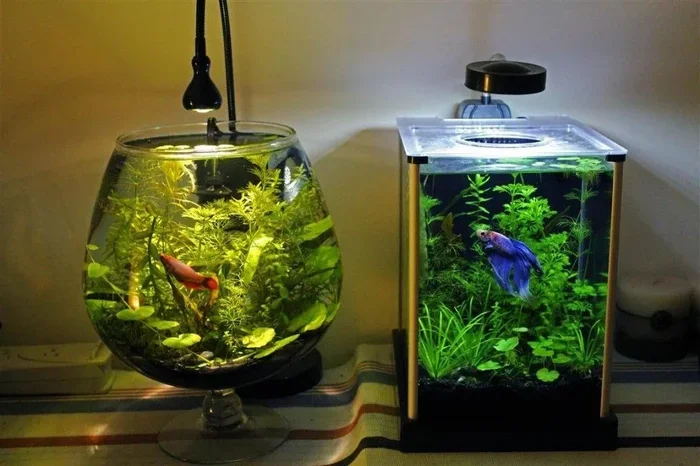
A 5-gallon tank strikes a great balance between manageability and space. It is large enough to hold a filter and a small heater without taking up too much room. It is also small enough to fit on a desk or nightstand. For most betta owners, 5 gallons is the perfect starting point.
In a 5-gallon tank, you can add a gentle sponge filter, a small heater, some live plants, and a few decorations. This gives your betta plenty of places to explore and rest. The water volume also dilutes toxins more effectively than a tiny bowl, which means fewer water changes and less work for you.
Why Tank Size Matters for Betta Health
Tank size directly affects your betta’s health and well-being. A fish kept in a too-small environment will experience chronic stress. Over time, this stress weakens the immune system and makes your betta vulnerable to diseases like fin rot, ich, and fungal infections.
When you give your betta enough space, you are giving it the chance to display natural behaviors. Bettas love to swim, explore, and patrol their territory. In a tiny bowl, they simply cannot do any of this. A larger tank allows them to move freely and feel more secure.
Water Quality and Stability
One of the biggest reasons tank size matters for betta fish is water quality. In a small tank, ammonia and nitrite levels can spike dangerously fast. Even with regular water changes, keeping a 1- or 2-gallon tank stable is very challenging.
A larger tank, on the other hand, provides a buffer. The more water you have, the more diluted toxins become. This gives you more time to catch problems before they become serious. A 10-gallon tank is even easier to maintain than a 5-gallon tank because the water parameters stay more consistent.
Temperature Stability
Bettas are tropical fish and need warm water, typically between 76 and 82 degrees Fahrenheit. In a tiny bowl, the temperature can change rapidly with room temperature shifts. A properly sized tank with a heater maintains a steady temperature much more effectively.
If you want to learn more about the ideal temperature range, check out our guide on what temperature should a betta fish tank be in Celsius.
Common Mistakes About Betta Tank Size
Many betta keepers make mistakes when it comes to choosing a tank. Here are the most common ones to avoid:
Mistake 1: Keeping Your Betta in a Bowl
The classic betta bowl looks pretty, but it is one of the worst homes you can provide. Bowls are usually under 1 gallon, have no filtration, and offer almost no swimming space. Your betta may survive in a bowl for a while, but it will not thrive. Bettas deserve more than a tiny glass bowl.
Mistake 2: Believing Bettas Prefer Small Spaces
Some people think bettas like small tanks because they come from shallow rice paddies. While wild bettas do live in shallow water, these habitats are actually quite large in surface area. A small tank does not replicate this environment. Your betta will appreciate the extra room to swim and explore.
Mistake 3: Overcrowding the Tank
Adding too many fish or too many decorations to a small tank is a common mistake. Overcrowding leads to poor water quality, aggression, and stress. Keep decorations minimal and give your betta plenty of open swimming space.
If you are unsure about the right setup, our article on how big does a betta fish tank need to be goes deeper into tank size recommendations.
Setting Up the Perfect Betta Tank
Now that you know the right size, let us talk about how to set up the perfect betta fish tank. A good setup goes beyond just the gallons. You need the right equipment, decorations, and water conditions to keep your betta happy.
Essential Equipment for a 5-Gallon Tank
- Filter: A small sponge filter or hang-on-back filter rated for 5-10 gallons. Make sure the intake is gentle so your betta does not get sucked in.
- Heater: A 25-50 watt adjustable heater to maintain a stable temperature between 76 and 82 degrees Fahrenheit.
- Thermometer: A simple stick-on or digital thermometer to monitor the water temperature.
- Substrate: Fine gravel or sand. Avoid rough substrates that could damage your betta’s fins.
- Plants: Live or silk plants. Live plants like java fern and anubias are great choices for betta tanks.
- Decorations: Caves, driftwood, or smooth rocks. These give your betta places to hide and explore.
The Cycling Process
Before you add your betta, you need to cycle the tank. Cycling means establishing beneficial bacteria that break down harmful toxins. This process takes about 4 to 6 weeks. You can speed it up with bottled bacteria starters, but patience is key.
Learn more about cycling your tank in our article on how to do a fish in cycle with betta.
Water Changes and Maintenance
Even with a filter, regular water changes are essential. For a 5-gallon tank, aim for a 25 to 30 percent water change every week. For a 10-gallon tank, a 20 percent change weekly works well. Always use a water conditioner to remove chlorine and chloramine from tap water before adding it to the tank.
How Tank Size Affects Betta Lifespan
One of the most compelling reasons to choose the right tank size is the impact on your betta’s lifespan. Bettas in small, poorly maintained tanks often live only 2 to 3 years. Bettas in properly sized tanks with good care can live 5 years or more, and some even reach 7 or 8 years.
If you want to learn more about how tank size affects how long your betta lives, check out our article on how long do betta fish live in a 5 gallon tank.
The science behind this is straightforward. A stable environment with clean water, proper temperature, and enough space reduces stress. A less stressed fish has a stronger immune system, eats better, and is more active. All of these factors contribute to a longer, healthier life.
Signs Your Betta’s Tank Is Too Small
Watch for these warning signs that your betta needs a bigger tank:
- Lethargy: Your betta barely moves and stays at the bottom of the tank.
- Loss of color: A healthy betta should be vibrant. Dull colors often signal stress.
- Fin clamping: When a betta holds its fins close to its body, it is usually stressed or unwell.
- Frequent illness: Repeated bouts of disease suggest the tank environment is not supporting good health.
- Aggression: A cramped betta may become territorial and flare at anything it sees.
If you notice any of these signs, consider upgrading to a larger tank. Even moving from a 2-gallon to a 5-gallon tank can make a dramatic difference in your betta’s behavior and overall health.
Finding the Right Tank for Your Space
One of the great things about betta fish is that they do not need a massive aquarium. You can keep a happy, healthy betta in a tank that fits on a desk, a bookshelf, or a small stand. The key is choosing a tank that gives your betta enough room while fitting your living space.
Here are some popular options for betta tanks:
- 5-gallon tank: Compact and perfect for a single betta. Fits almost anywhere.
- 10-gallon tank: The ideal size for most betta setups. Room for plants, decorations, and a heater.
- 20-gallon long tank: Great for a betta with gentle tank mates or a more elaborate aquascape.
When choosing a tank, think about where you will place it. Make sure the surface is level and can support the weight. A full 5-gallon tank weighs about 60 pounds, and a 10-gallon tank weighs about 100 pounds. Plan accordingly.
If you are wondering whether a betta can live in a larger tank, the answer is yes. Bettas can absolutely thrive in bigger aquariums. In fact, a 10-gallon tank is often considered the sweet spot for a single betta. If you want more ideas about tank setups, you can read our article on can betta fish be in a 10 gallon tank.
Final Thoughts on Betta Tank Size
Choosing the right gallons for your betta fish is one of the simplest yet most impactful things you can do for your pet. A 5-gallon tank is the minimum, but a 10-gallon tank is even better. The more space your betta has, the happier and healthier it will be.
Remember, your betta is a living creature with needs. It deserves a home that lets it swim, explore, and feel safe. Skip the tiny bowls and cups. Invest in a proper tank with a filter and a heater. Your betta will thank you with vibrant colors, active swimming, and a longer life.
Take the time to set up the right betta fish tank size from the start. Your fish will live a better life, and you will enjoy the experience more too. A happy betta makes for a happy fish keeper.
Frequently Asked Questions
What is the minimum tank size for a betta fish?
The minimum recommended tank size for a betta fish is 5 gallons. Anything smaller, such as a 1- or 2-gallon bowl, does not provide enough space or water stability for your betta to thrive long-term.
Can a betta fish live in a 1-gallon bowl?
While a betta can physically survive in a 1-gallon bowl, it is not a healthy or humane long-term home. Small bowls lead to rapid toxin buildup, temperature swings, and chronic stress. A 5-gallon tank is the smallest acceptable size.
Is a 10-gallon tank too big for a betta fish?
No, a 10-gallon tank is actually ideal for most betta setups. It provides more stable water parameters, room for decorations and plants, and enough swimming space for a happy, healthy betta.
Does tank size affect how long a betta fish lives?
Yes, tank size has a direct impact on lifespan. Bettas in properly sized tanks with stable water conditions live significantly longer than those kept in small bowls or cramped tanks. A good tank size supports better health and a stronger immune system.
Do betta fish need a heater and filter in their tank?
Yes, bettas are tropical fish and need a heater to maintain warm water temperatures between 76 and 82 degrees Fahrenheit. A gentle filter is also important to keep the water clean and free of harmful toxins.
Can I keep my betta in a filtered 2-gallon tank?
A filtered 2-gallon tank is better than an unfiltered one, but it is still too small for a betta to truly thrive. Even with a filter and heater, a 2-gallon tank has limited water stability. Aim for at least 5 gallons for the best results.