How Many Food Pellets per Betta Fish
how many food pellets per betta fish is an essential topic that provides valuable insights.
Key Takeaways
- Understanding how many food pellets per betta fish: Provides essential knowledge
📑 Table of Contents
Understanding Betta Fish Pellets
Betta fish pellets are a staple food for captive bettas. They are specially designed to meet the nutritional needs of bettas. Unlike generic fish food, quality betta pellets contain the right protein levels and nutrients.
What Makes Pellets Different from Other Foods
Pellets sink slowly, which is perfect for bettas since they feed near the surface. Flakes, on the other hand, dissolve quickly and can make a mess. If you have ever wondered about flakes, check out our guide on fish flakes per betta. Pellets also hold their shape longer, giving your fish time to eat properly.
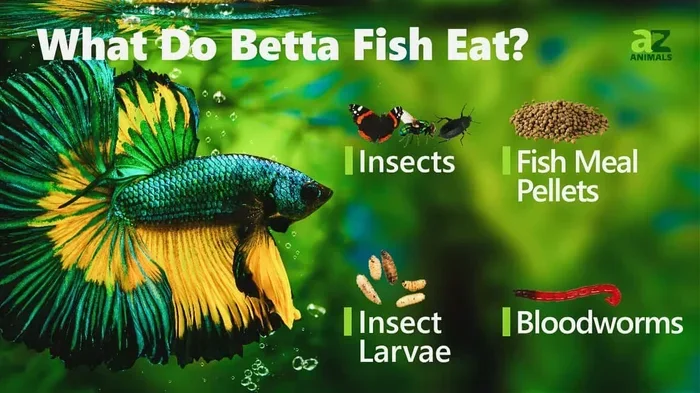
Most commercial betta pellets are made from shrimp meal, fish meal, and plant matter. The best pellets float briefly before sinking, which mimics how bettas hunt in the wild. This makes feeding time more natural and enjoyable for your fish.
How Many Food Pellets per Betta Fish
This is the core question every betta owner needs answered. The right number of pellets depends on several factors, but there is a clear starting point.
The General Rule of Thumb
The standard recommendation is 2 to 3 pellets per feeding. This applies to most adult bettas eating standard-sized pellets. You should feed your betta twice a day, morning and evening. That means about 4 to 6 pellets total per day.
However, pellet size varies by brand. Some pellets are tiny, while others are quite large. Always check the size of the pellets you are using. A large pellet may equal two small pellets in volume.
Adjusting Based on Pellet Size
If you use small pellets, you may need to give 3 to 4 per feeding. For large pellets, stick to 2 per feeding. The goal is to give your fish a portion about the size of its eyeball. This is a helpful visual trick that works every time.
Our daily feeding guide goes deeper into pellet counts for different brands. It is worth a quick read if you want to fine-tune portions even more.
Pellet Feeding Comparison Table
| Pellet Size | Pellets Per Feeding | Feedings Per Day | Daily Total |
|---|---|---|---|
| Small Pellets | 3 – 4 | 2 | 6 – 8 |
| Medium Pellets | 2 – 3 | 2 | 4 – 6 |
| Large Pellets | 1 – 2 | 2 | 2 – 4 |
| Micro Pellets | 5 – 6 | 2 | 10 – 12 |
How Often Should You Feed Pellets
Frequency matters just as much as portion size. Feeding your betta on a consistent schedule helps with digestion and overall health.
Creating a Betta Feeding Schedule
Feed your betta twice a day. Once in the morning and once in the evening works best. Space the feedings about 8 to 12 hours apart. This mimics the natural eating patterns of wild bettas.
Some owners like to skip one feeding day per week. This gives the digestive system a break and helps prevent constipation. You can read more about feeding frequency in our detailed guide. It covers why less can sometimes be more.
Best Times to Feed Your Betta
Morning feeding should happen when the lights turn on. Evening feeding works best right before you turn the tank lights off. Betta fish are most active during daylight hours, so they will be eager to eat at these times.
- Morning: Feed within 30 minutes of turning on the lights
- Evening: Feed about 2 hours before lights out
- Skip day: Once a week, give no food at all
Signs You Are Feeding Too Much or Too Little
Watching your betta during feeding time tells you a lot. Your fish’s body language and behavior will show if the portions are right.
Overfeeding Warning Signs
Overfeeding is the most common mistake betta owners make. It can lead to serious health issues quickly. Watch for these red flags:
- Uneaten pellets sitting on the bottom of the tank
- Cloudy water that gets dirty faster than usual
- A swollen belly that looks bloated after eating
- Lethargy where your betta stays at the bottom of the tank
- Constipation or difficulty swimming normally
Overfeeding can also spike ammonia levels in the tank. This harms your betta and makes the water unsafe. If you notice any of these signs, reduce the pellet count immediately.
Underfeeding Warning Signs
Underfeeding is less common but still a concern. Your betta needs enough nutrition to stay vibrant and active. Look out for these signs:
- Weight loss or a thin, narrow body shape
- Loss of color where the fins look dull
- Constant begging at the water surface between meals
- Low energy and less swimming activity
- Fin clamping where fins stay closed against the body
If you see these signs, slowly increase the pellet amount over several days. Do not add a large extra portion all at once. Gradual changes are safer for your fish’s digestive system.
Pellets vs. Other Food Types
Pellets are great, but variety in diet keeps bettas healthy and interested in food. Different food types offer different benefits.
When to Mix Up Their Diet
A varied diet prevents nutritional gaps. You can offer pellets as the main food and supplement with other options 2 to 3 times per week. Good alternatives include frozen bloodworms, brine shrimp, and daphnia.
Making homemade betta food is another great option for owners who want full control over ingredients. Just make sure any homemade food is free from harmful additives.
How Pellets Fit into a Balanced Diet
Pellets should make up about 70 to 80 percent of your betta’s diet. The remaining 20 to 30 percent can come from treats and supplements. This balance ensures your fish gets enough protein without missing other nutrients.
Our food portion guide covers how much food a betta needs overall, including both pellets and treats. It is a helpful resource for building a complete feeding plan.
Best Practices for Feeding Betta Fish Pellets
Following a few simple habits makes a big difference in your betta’s health and lifespan. These tips come from experienced betta keepers and veterinarians.
Quick Tips for Perfect Portions
- Pre-soak large pellets for a few seconds before dropping them in. This prevents them from expanding in your fish’s stomach.
- Remove uneaten pellets after 5 minutes. Leftover food fouls the water fast.
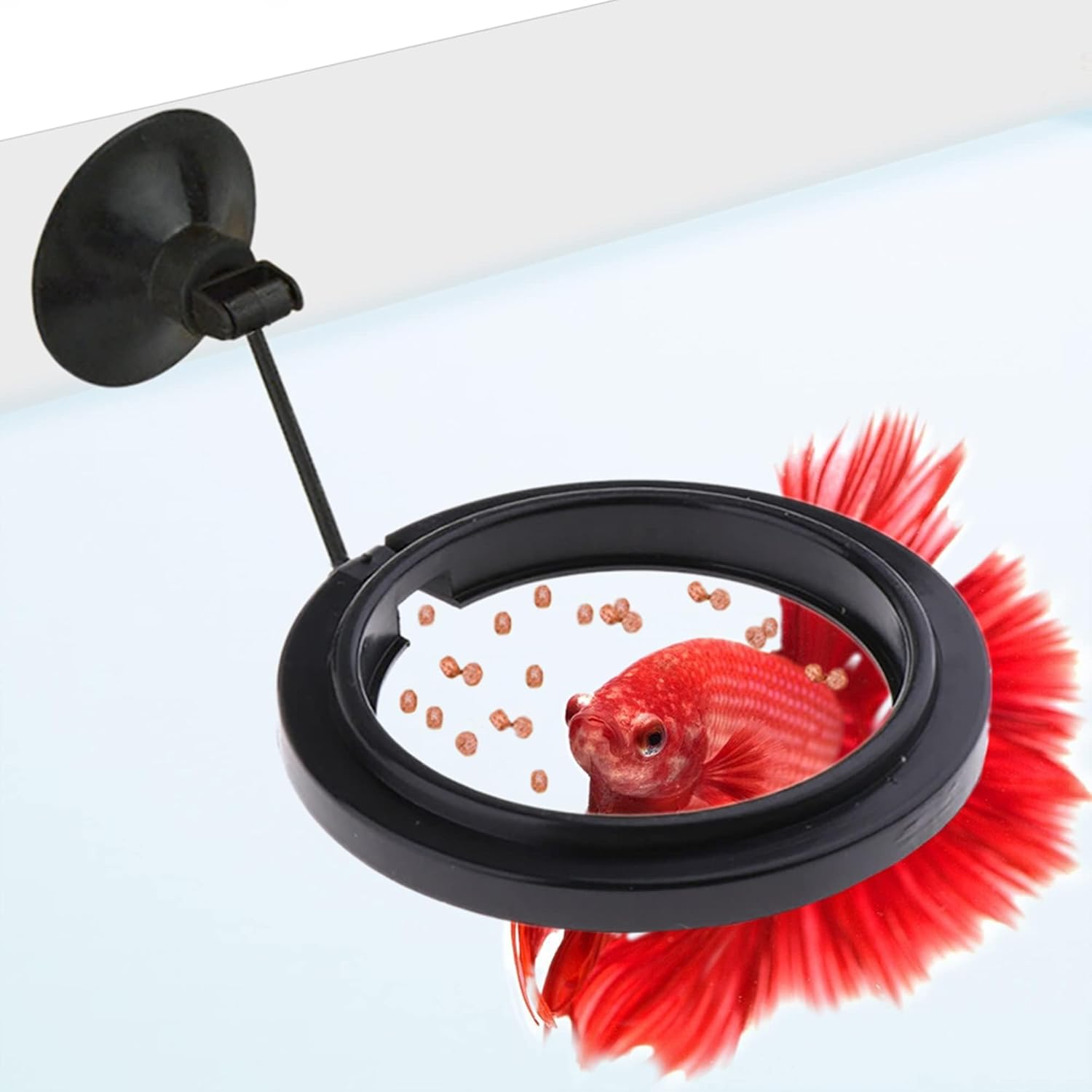
- Use a feeding ring to keep pellets in one spot. This makes it easier to track how much your betta eats.
- Watch your fish eat every time. This helps you spot changes in appetite early.
- Store pellets properly in a sealed container away from light and moisture.
Expert Insight on Betta Nutrition
Veterinarians who specialize in fish health recommend looking for pellets with at least 30 to 40 percent protein content. The first ingredient should be a named protein source like fish meal or shrimp meal. Avoid pellets filled with fillers like wheat flour or corn starch.
Betta fish are carnivores by nature. Their digestive systems are built for a high-protein diet. Pellets that match this natural diet lead to better color, more energy, and a longer lifespan. Investing in quality pellets pays off in the long run.
Common Mistakes to Avoid
Even experienced betta owners sometimes make feeding errors. Knowing what to avoid saves your fish from unnecessary stress.
- Feeding too many pellets at once: This is the number one mistake. Stick to the recommended amount.
- Skipping scheduled feedings: Inconsistency confuses your fish’s metabolism.
- Using expired pellets: Old food loses nutritional value and can harbor bacteria.
- Switching foods too quickly: Always transition gradually over several days.
- Ignoring your fish’s appetite: Some days your betta may eat less, and that is normal.
Key Takeaways
- Feed 2 to 3 pellets per meal for standard-sized pellets, twice a day. This is the sweet spot for most adult bettas.
- Adjust the count based on pellet size. Small pellets need more pieces; large pellets need fewer.
- The eyeball test works perfectly. A portion the size of your betta’s eye is about right.
- Remove uneaten pellets within 5 minutes. This keeps the tank clean and water quality stable.
- Watch for overfeeding and underfeeding signs. Your fish’s body and behavior will tell you if portions need adjusting.
- Combine pellets with occasional treats. A varied diet supports long-term betta health and vibrant colors.
Frequently Asked Questions
Can I feed my betta fish pellets every day?
Yes, feeding pellets every day is perfectly fine and actually recommended. Just stick to the right portion size of 2 to 3 pellets per feeding. You can also skip one feeding day per week to give the digestive system a rest.
What happens if I give my betta too many pellets?
Overfeeding causes bloating, constipation, and poor water quality. Uneaten pellets decay quickly and raise ammonia levels. This can lead to serious health problems or even death. Always measure portions carefully.
How do I know if my betta is still hungry after eating pellets?
A healthy betta should stop eating when full. If your fish keeps begging at the surface, wait 10 minutes before adding more. Often, they just want to explore the food, not eat more. If hunger persists daily, slowly increase the portion by one pellet.
Can betta fish eat pellets and flakes together?
Yes, you can mix pellets and flakes occasionally. Flakes can be a nice dietary variation. Just be mindful of the total amount so you do not overfeed. Pellets should still make up the majority of the diet.
How long can uneaten pellets stay in the tank?
Uneaten pellets should be removed within 5 minutes of feeding. They start to break down quickly and release ammonia into the water. Clean water is essential for betta health, so always err on the side of removing leftovers.
Are sinking pellets or floating pellets better for bettas?
Both work well, but floating pellets are often preferred. Bettas naturally feed at the surface, and floating pellets let them eat in their natural position. Sinking pellets are fine too, but watch that your betta notices them and eats them promptly.
=== CONCLUSION ===
Getting the right how many food pellets per betta fish amount is simple once you know the basics. Feed 2 to 3 pellets twice a day, adjust for pellet size, and always remove uneaten food. These small habits make a huge difference in your betta’s health and happiness.
Remember that every betta is unique. Age, size, and activity level all play a role in how much food your fish needs. Pay attention to your fish’s body language and adjust portions as needed. With the right feeding routine, your betta will thrive for years to come.
Start applying these tips today. Your betta fish will thank you with bright colors, active swimming, and a healthy appetite. Happy feeding!