How Many Eggs Do a Betta Fish Lay
A female betta fish can lay anywhere from 10 to 500 eggs per spawning cycle, with most healthy females producing around 100 to 200 eggs at a time. The exact number depends on factors like age, health, tank conditions, and breeding experience. Understanding the betta fish egg laying process helps you support your fish through breeding and ensure the best possible outcomes for both the parent fish and the betta fry.
Key Takeaways
- Egg Count Varies: A healthy female betta fish typically lays between 10 and 500 eggs per spawning session, depending on several key factors.
- Breeding Conditions Matter: Proper water temperature, tank setup, and a healthy diet all influence how many eggs a betta fish will produce.
- The Bubble Nest Is Crucial: Male betta fish build bubble nests to hold fertilized eggs, and this behavior signals readiness for breeding.
- Egg Fertilization Happens Quickly: The male fertilizes the eggs immediately after the female releases them during the spawning process.
- Egg Health Requires Attention: Unfertilized or fungus-infected eggs need to be removed to protect the remaining healthy eggs and fry.
- Breeding Takes Patience: Successful betta fish reproduction requires careful monitoring, proper tank conditions, and knowledge of the entire process.
📑 Table of Contents
How Many Eggs Do a Betta Fish Lay
If you have ever wondered how many eggs do a betta fish lay, you are not alone. This is one of the most common questions among betta fish keepers, especially those interested in breeding. The answer might surprise you. A single female betta fish can release anywhere from 10 to 500 eggs in one spawning session. That is a wide range, and the actual number depends on several important factors.
Understanding the betta fish egg laying process is essential whether you are a beginner or an experienced fish keeper. In this guide, we will walk through everything you need to know. From how eggs are produced to what happens after spawning, we cover it all. By the end, you will have a clear picture of what to expect and how to support your betta fish every step of the way.
Betta fish reproduction is fascinating to watch. Unlike some fish that give live birth, bettas lay eggs. The male then fertilizes them and cares for them until they hatch. This process is called spawning, and it is a natural behavior when conditions are right. Let us dive deeper into how it all works.
The Betta Fish Egg Laying Process
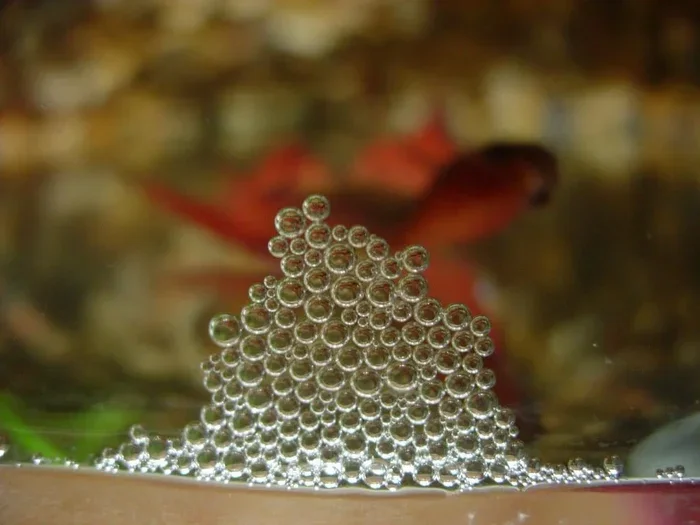
The process of betta fish laying eggs is called spawning. It begins when a male and female betta are introduced into a breeding tank. The male first builds a bubble nest at the surface of the water. This nest is made of tiny air bubbles coated with saliva. It serves as a safe place for the eggs once they are released.
Once the bubble nest is ready, the male courts the female. He flares his fins and wraps his body around hers. This triggers the female to release her eggs. As she releases them, the male immediately fertilizes them. He then carefully collects the eggs in his mouth and places them gently into the bubble nest.
This entire process can take several hours. The female may release eggs in batches. Each batch can contain anywhere from 10 to 30 eggs. A healthy, well-fed female can produce multiple batches in a single spawning session. The total egg count per spawning varies widely based on the fish’s age, size, and overall health.
Fun fact: If you want to learn more about what happens after the eggs are laid, check out our guide on how many days it takes for betta fish eggs to hatch. It is a great follow-up read.
Factors That Affect How Many Eggs a Betta Fish Lays
Not all betta fish produce the same number of eggs. Several factors play a role in determining the egg count per spawn. Let us look at the most important ones.
Age and Size of the Female
A younger, larger female betta fish tends to produce more eggs than an older or smaller one. Females between 4 and 12 months old are typically at their peak breeding age. At this stage, their bodies are fully developed and ready to produce healthy eggs in larger quantities.
Health and Diet
A well-fed betta fish produces better quality eggs. Feeding the female a nutritious diet rich in protein helps boost egg production. Foods like bloodworms, brine shrimp, and high-quality betta pellets work wonders. Poor nutrition can lead to fewer eggs or even unhealthy eggs that will not develop properly.
Water Conditions
Clean water with the right temperature and pH levels is critical. The ideal breeding temperature is around 78 to 80 degrees Fahrenheit. Dirty or cold water can stress the fish and reduce egg production. Regular water changes and proper filtration help keep the breeding environment stable.
Breeding Experience
Experienced breeding pairs often produce more eggs over time. The female becomes more comfortable with the process, and the male becomes more efficient at building nests and collecting eggs. If you are new to breeding, do not be discouraged if the first spawn produces fewer eggs.
How to Tell if Your Betta Fish Is Ready to Lay Eggs
Knowing the signs of a pregnant betta fish is important for any breeder. A female ready to lay eggs shows several clear physical and behavioral changes.
Physical Signs
- White spot on the belly: This is called the ovipositor. It looks like a tiny white tube near the back of the belly.
- Swollen or rounded belly: The female’s body fills out as eggs develop inside.
- Vertical breeding stripes: Dark lines appear on the body, signaling readiness to breed.
- Increased appetite: A ready-to-breed female often eats more than usual.
Behavioral Signs
- She becomes more active and may swim near the surface more often.
- She may show interest in the male’s bubble nest.
- She might flare at the male in a non-aggressive way, signaling receptiveness.
If you notice these signs, it is time to prepare the breeding tank. You can also read our article on how to tell the sex of a betta fish to make sure you have a female ready for breeding.
What Happens After Betta Fish Lay Eggs
Once the eggs are in the bubble nest, the male takes over. He watches over them constantly, picking up any eggs that fall and placing them back in the nest. This is a critical period that lasts about 24 to 72 hours before the eggs begin to hatch.
Egg Fertilization and Development
Not all eggs will be fertilized. The male fertilizes them as they are released, but some may not take. Unfertilized eggs turn white and should be removed to prevent fungus from spreading. You can learn more about this in our article on do betta fish ever lay unfertilized eggs.
The Hatching Process
Healthy fertilized eggs typically hatch within 24 to 72 hours. The temperature of the water plays a big role. Warmer water speeds up development, while cooler water slows it down. Once hatched, the fry (baby bettas) stay attached to the bubble nest for another day or two. They absorb their yolk sac for nutrition during this time.
After the yolk sac is absorbed, the fry become free-swimming. At this point, the male should be removed from the tank. He may eat the fry if left in the same water. For more details on how many babies you can expect, see our guide on how many babies do betta fish have.
Caring for Newborn Betta Fry
Newly hatched fry need very small food. Infusoria or liquid fry food works best in the first few days. As they grow, you can introduce baby brine shrimp and finely crushed flakes. Keeping the water clean and warm is essential for their survival.
Common Problems With Betta Fish Egg Laying
Breeding betta fish is not always smooth sailing. Several common issues can arise during the egg-laying process. Being prepared helps you handle them better.
Unfertilized Eggs
This is the most common issue. Sometimes the male does not fertilize all the eggs, or the female releases eggs before the male is ready. Unfertilized eggs turn white and can develop fungus. Remove them promptly with a small turkey baster to keep the nest clean.
Fungus on Eggs
Fungus appears as a white, fuzzy coating on the eggs. It spreads quickly and can destroy an entire clutch. Poor water quality is usually the cause. Regular water changes and maintaining clean conditions help prevent this problem.
Male Abandoning the Nest
Sometimes the male stops caring for the nest. This can happen if he is stressed, sick, or disturbed too often. Keep the breeding tank in a quiet location and avoid unnecessary visits during the critical hatching period.
Female Harming the Male
During breeding, the female may become aggressive. She can injure the male with her sharp fins. Always monitor the pair closely and be ready to separate them if things get too rough.
If you are dealing with a sick fish during this process, our article on how do you cure a sick betta fish can help you identify and treat common illnesses.
Tips for Successfully Breeding Betta Fish
Breeding betta fish successfully takes preparation and patience. Here are some practical tips to increase your chances of a successful spawn.
1. Set Up a Proper Breeding Tank
Use a tank of at least 10 gallons. Keep the water temperature steady at 78 to 80 degrees Fahrenheit. Add floating plants or a spawning mop to give the male material to build his bubble nest on. A gentle filter or sponge filter keeps the water clean without creating too much current.
2. Condition the Fish Before Breeding
Feed both the male and female high-protein foods for 1 to 2 weeks before introducing them. This prepares their bodies for the energy demands of breeding and egg production.
3. Introduce the Pair Gradually
Place the male and female in separate tanks divided by a clear divider for a few days. This allows them to get used to each other’s presence without the risk of injury. After a few days, remove the divider and observe their interaction.
4. Monitor the Spawning Closely
Watch the pair during spawning. Remove the female immediately after she releases all her eggs. The male can become aggressive toward the female after spawning. Leaving her in the tank can result in injury.
5. Maintain Water Quality
Perform small water changes daily during the incubation period. Use water that matches the tank temperature and parameters. Clean water reduces the risk of fungus and keeps the eggs healthy.
6. Be Patient
Not every spawn will be perfect. Even experienced breeders sometimes have low egg counts or unfertilized eggs. Each spawn is a learning experience. Over time, you will develop a feel for what works best with your fish.
How Many Eggs Do Betta Fish Lay Compared to Other Fish
To put things in perspective, let us compare the egg-laying capacity of betta fish with some other popular freshwater fish. This helps you understand where bettas fall on the spectrum.
| Fish Species | Eggs Per Spawn | Egg Laying Frequency |
|---|---|---|
| Betta Fish | 10 to 500 | Every 2 to 4 weeks |
| Guppy Fish | 20 to 100 live fry | Every 4 to 6 weeks |
| Angelfish | 100 to 1,000 | Every 2 to 4 weeks |
| Neon Tetra | 60 to 130 | Every 2 weeks |
| Molly Fish | 40 to 100 live fry | Every 4 to 6 weeks |
As you can see, betta fish fall somewhere in the middle. They do not produce as many eggs as angelfish, but they produce more than guppies and mollies. What makes bettas unique is that the male takes an active role in caring for the eggs, which is not common in all fish species.
For a deeper dive into betta fish reproduction and how it compares to live-bearing fish, check out our article on do betta fish lay eggs or have live birth.
How Many Fry Can You Expect From a Single Spawn
While a female may release up to 500 eggs, not all of them will hatch. In a well-maintained breeding tank with a attentive male, you can expect around 50 to 75 percent of the eggs to hatch successfully. This means from a spawn of 200 eggs, you might end up with 100 to 150 healthy fry.
Several factors influence the hatch rate. Water quality, temperature stability, and the health of the parent fish all play a role. Removing unfertilized and fungus-infected eggs quickly also improves the overall success rate.
For more information on the survival and growth of betta fry, visit our guide on how many fry do betta fish have. It covers everything from feeding schedules to growth milestones.
Expert Insights on Betta Fish Egg Production
Experienced breeders often share one common piece of advice: the health of the female betta fish is the single biggest factor in egg production. A stressed, underweight, or sick female will produce fewer eggs, and those eggs may not be viable.
Professional aquarists also emphasize the importance of the male’s bubble nest. A strong, well-built nest indicates a healthy, motivated male. If the male is not building a nest, it may be a sign that conditions are not right for breeding. Check the water temperature, reduce noise and light disturbances, and make sure the male is well-fed.
Quick Tip: Never breed betta fish younger than 4 months old. Both males and females need to be fully mature before breeding. Breeding too early can lead to health problems and poor egg quality.
Quick Tip: Always have a separate grow-out tank ready before the eggs hatch. You do not want to be caught off guard when the fry become free-swimming and need their own space.
Frequently Asked Questions
Can a female betta fish lay eggs without a male present?
Yes, a female betta fish can lay unfertilized eggs without a male. However, these eggs will not hatch. The female releases eggs as part of her natural reproductive cycle, but without a male to fertilize them, they will not develop into fry. This is a normal process and does not harm the female.
How often do betta fish lay eggs?
A healthy female betta fish can lay eggs every 2 to 4 weeks if she is kept in optimal conditions and paired with a male for breeding. However, if there is no male present, she may still release eggs periodically as part of her natural cycle. The frequency depends on her age, health, and tank conditions.
What should I do with unfertilized betta fish eggs?
Remove unfertilized eggs from the tank promptly. They will turn white and can develop fungus, which can spread to healthy eggs. Use a small turkey baster or pipette to gently suck them out. Keeping the nest clean gives the fertilized eggs the best chance of hatching successfully.
How long does it take for betta fish eggs to hatch?
Betta fish eggs typically hatch within 24 to 72 hours. The exact time depends on the water temperature. Warmer water around 80 degrees Fahrenheit speeds up the process, while cooler water slows it down. After hatching, the fry stay in the bubble nest for another day or two before becoming free-swimming.
Do betta fish die after laying eggs?
No, betta fish do not die after laying eggs. This is a common myth. Female bettas can lay eggs multiple times throughout their lives. However, the breeding process can be stressful, so it is important to provide excellent care and a clean environment before and after spawning to keep the female healthy.
Can male betta fish lay eggs?
No, male betta fish cannot lay eggs. Only female bettas produce and release eggs. The male’s role is to fertilize the eggs and care for them in the bubble nest. If you notice a male-looking fish releasing eggs, it is likely a female with less vibrant coloration. Learn more about identifying betta fish sexes in our guide on how do you tell the sex of a betta fish.
Conclusion
How many eggs do a betta fish lay depends on several factors, but a healthy female can produce anywhere from 10 to 500 eggs per spawning session. The key to successful breeding lies in providing the right conditions, proper nutrition, and careful monitoring throughout the process.
From building the bubble nest to caring for the hatchlings, every stage of the betta fish egg laying process requires attention and patience. Whether you are a first-time breeder or an experienced hobbyist, understanding the factors that influence egg production helps you achieve better results.
Remember to keep the water clean, feed your fish a high-quality diet, and watch for the signs of a healthy spawn. With the right approach, you can enjoy watching your betta fish go through one of nature’s most fascinating processes. Apply what you have learned here, and you will be well on your way to successful betta fish breeding.