How Many Dehydrated Bloodworms Betta Fish
Dehydrated bloodworms are a popular treat for betta fish, but feeding the right amount matters. A betta fish should eat 2 to 3 small pieces of dehydrated bloodworms per feeding, no more than 2 to 3 times per week. Overfeeding can cause serious health problems, while the right amount boosts energy and color. This guide covers everything you need to know about how many dehydrated bloodworms betta fish need.
If you own a betta fish, you have probably wondered about the best way to treat your colorful friend. Dehydrated bloodworms sit right at the top of most betta wish lists. They smell strong, they look alive, and bettas go absolutely crazy for them. But here is the real question: how many dehydrated bloodworms betta fish should actually eat? Giving too many can harm your fish. Giving too few means missing out on a great treat. This guide breaks it all down in simple terms so you can feed your betta with confidence.
Feeding your betta properly is one of the most important parts of betta fish care. A good diet keeps their colors bright, their energy high, and their immune system strong. Dehydrated bloodworms offer protein and variety, but they are not a complete meal on their own. Understanding the right amount makes all the difference between a thriving fish and a sick one.
Key Takeaways
- Portion Control Is Key: Feed 2 to 3 small pieces of dehydrated bloodworms per serving for an adult betta.
- Frequency Matters: Limit bloodworm treats to 2 or 3 times per week, not daily.
- Soak Before Feeding: Always rehydrate dried bloodworms in tank water before offering them to your betta.
- Overfeeding Risks: Too many bloodworms can cause constipation, bloating, and poor water quality.
- Not a Staple Food: Bloodworms should complement a balanced betta diet, not replace it.
- Watch Your Fish: Adjust portion size based on your betta’s size, age, and appetite.
📑 Table of Contents
- What Are Dehydrated Bloodworms?
- How Many Dehydrated Bloodworms Betta Fish Should Eat
- How Often Should You Feed Dehydrated Bloodworms?
- Benefits of Feeding Dehydrated Bloodworms
- Risks of Overfeeding Dehydrated Bloodworms
- How to Properly Prepare Dehydrated Bloodworms
- Dehydrated Bloodworms vs. Other Betta Treats
- Common Mistakes to Avoid
- Expert Tips for the Best Results
- Final Thoughts
What Are Dehydrated Bloodworms?
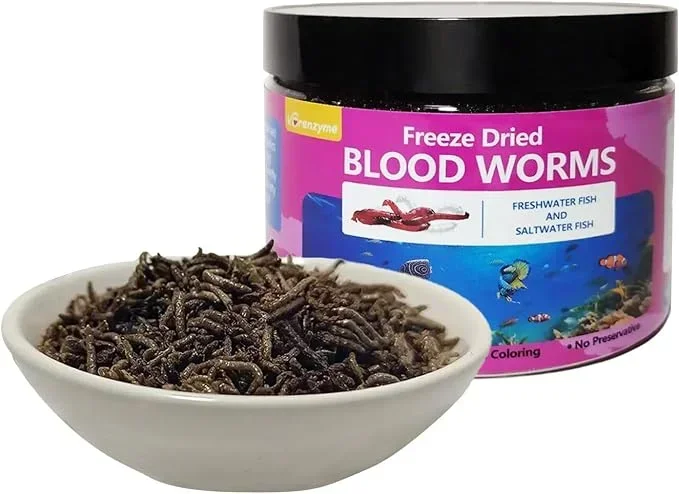
Dehydrated bloodworms are freeze-dried or dried versions of live bloodworms. They come in small cubes, granules, or strips. Manufacturers remove the moisture to extend shelf life and make storage easier. When you add water, they expand and look much like their live counterparts.
Many betta owners love them because they are convenient. You do not need to culture live food or worry about parasites. They are widely available at pet stores and online. Freeze-dried bloodworms and dehydrated bloodworms are essentially the same thing, though some brands use slightly different drying methods.
These worms are high in protein, which makes them perfect for bettas. Bettas are carnivorous by nature. They thrive on a diet rich in animal protein. However, dehydrated bloodworms should never be the only food your betta eats. They work best as a supplement or treat alongside high-quality betta pellets.
How Many Dehydrated Bloodworms Betta Fish Should Eat
This is the million-dollar question every betta owner asks. The answer depends on a few factors, including your fish’s size, age, and overall diet. As a general rule, how many dehydrated bloodworms betta fish need is quite simple. For an adult betta, 2 to 3 small pieces per feeding is the sweet spot.
Here is a quick breakdown:
- Adult bettas: 2 to 3 small cubes or pieces per feeding.
- Young bettas (fry and juveniles): 1 small piece, broken into tiny bits if needed.
- Large bettas (over 3 inches): Up to 4 small pieces, but still not daily.
- Small bettas (under 2 inches): Stick to 1 to 2 pieces max.
A single bloodworm cube from most brands contains multiple pieces. You can break off small sections to control the portion. The goal is to give your betta something it can finish in 2 to 3 minutes. If food sits in the tank uneaten, it will dirty the water fast.
Think of dehydrated bloodworms like candy for humans. A little bit is a fun treat. A whole bag is a health problem. That mindset will serve you well when feeding your betta.
Why Portion Size Matters
Betta fish have small stomachs. Their stomach is roughly the size of their eye. This means even a few extra pieces of bloodworm can fill them up quickly. When a betta eats too much at once, it can lead to bloating and constipation. These conditions are painful and can become serious if not addressed.
Also, uneaten dehydrated bloodworms sink to the bottom of the tank. They start to decay quickly, which spikes ammonia levels. High ammonia is dangerous for bettas and can damage their gills and fins. Keeping portions small protects both your fish and your water quality.
How Often Should You Feed Dehydrated Bloodworms?
Frequency is just as important as portion size. You should not feed dehydrated bloodworms every day. A good schedule is 2 to 3 times per week. This gives your betta the benefits of bloodworms without the risks of overfeeding.
Here is a simple weekly feeding plan:
- Monday: High-quality betta pellets (main meal).
- Tuesday: Skip or offer a tiny pinch of pellets.
- Wednesday: 2 to 3 pieces of dehydrated bloodworms (treat day).
- Thursday: Betta pellets (main meal).
- Friday: Skip or light feeding.
- Saturday: 2 to 3 pieces of dehydrated bloodworms (treat day).
- Sunday: Betta pellets (main meal).
This schedule keeps things balanced. Your betta gets its staple food most days and enjoys a protein-rich treat on the other days. You can adjust the days to fit your routine. The key is to keep bloodworms as an occasional addition, not a daily habit.
Some owners like to offer bloodworms more often because their betta begs so eagerly. But remember, bettas are opportunistic eaters. They will eat anything you put in the tank, even if it is not good for them. Resist the urge to give in every time those big eyes look up at you.
Benefits of Feeding Dehydrated Bloodworms
When fed in the right amounts, dehydrated bloodworms offer several real benefits for your betta. Let us look at why they are worth including in your feeding rotation.
High Protein Content
Bloodworms are packed with protein, typically around 60 to 70 percent protein by weight. Bettas need a protein-rich diet to stay healthy. Protein supports muscle growth, vibrant color development, and energy levels. A well-fed betta with good protein intake will display brilliant reds, blues, and greens.
Great for Picky Eaters
Some bettas can be picky about their regular pellets. Dehydrated bloodworms often solve this problem. The strong smell and natural movement (when rehydrated) trigger a betta’s hunting instinct. Even the fussiest bettas usually go crazy for bloodworms. They make an excellent tool for encouraging eating in reluctant fish.
Easy to Store and Use
Unlike live bloodworms, dehydrated versions last for months in your pantry. You do not need a special setup or feeding routine. Just open the container, break off a piece, soak it, and drop it in the tank. This convenience makes them a favorite among busy fish keepers.
Variety in the Diet
Variety is important for betta nutrition. Feeding the same pellets every day can lead to nutritional gaps. Adding dehydrated bloodworms as a treat introduces different nutrients and keeps mealtime interesting. A varied diet supports better overall health and a stronger immune system.
Risks of Overfeeding Dehydrated Bloodworms
Now let us talk about what happens when you go overboard. Understanding the risks helps you avoid common mistakes.
Constipation and Bloating
Dehydrated bloodworms expand when they absorb water. Inside your betta’s stomach, this expansion can cause bloating and constipation. A constipated betta may stop eating, float oddly, or have a swollen belly. In severe cases, constipation can lead to swim bladder issues, which affect your fish’s ability to stay upright.
If you notice these signs, stop feeding bloodworms immediately. Offer a small portion of high-fiber food like daphnia to help things move along. In most cases, the issue resolves within a day or two.
Poor Water Quality
Uneaten bloodworms decay rapidly in warm water. This decay releases ammonia and nitrites into the tank. Even small amounts of these chemicals can stress your betta and damage its fins. Regular water changes help, but preventing overfeeding is the best defense.
Keep in mind that betta fish can live without food for several days, so skipping a treat day will not hurt your fish. In fact, occasional fasting can help clear their digestive system and prevent buildup from overfeeding.
Nutritional Imbalance
Bloodworms alone do not provide all the nutrients a betta needs. They lack certain vitamins and minerals found in quality betta pellets. If your betta fills up on bloodworms, it may skip its main food and miss out on essential nutrients. This can lead to long-term health issues and a duller appearance.
Bloodworms are a supplement, not a replacement. Always prioritize a complete, balanced betta pellet as the foundation of your fish’s diet.
How to Properly Prepare Dehydrated Bloodworms
Preparing dehydrated bloodworms correctly makes a big difference in safety and enjoyment for your betta. Follow these simple steps every time.
Step 1: Take a Small Piece
Use clean tweezers or your fingers to break off 2 to 3 small pieces. Do not take a whole cube. You can always break a piece in half for smaller bettas. The piece should be roughly the size of your betta’s eye or slightly smaller.
Step 2: Soak in Tank Water
Drop the pieces into a small cup of water from your betta’s tank. Let them soak for 2 to 3 minutes. They will soften and expand during this time. Soaking also removes some of the strong preservative smell that can cloud your tank water when you add the worms directly.
Step 3: Feed Your Betta
Use tweezers or your fingers to drop the softened pieces into the tank. Watch your betta eat. Remove any uneaten pieces after 2 to 3 minutes. This keeps the tank clean and prevents water quality issues.
Some owners prefer to rinse the bloodworms in tank water before feeding. This is a good habit, especially with cheaper brands that may have excess powder or preservatives. A quick rinse keeps the water cleaner and the food safer for your fish.
Step 4: Store Properly
After opening the package, seal the container tightly and store it in a cool, dry place. Some brands recommend refrigeration after opening. Proper storage keeps the bloodworms fresh and prevents mold growth. Never use bloodworms that smell bad or look discolored.
Dehydrated Bloodworms vs. Other Betta Treats
Dehydrated bloodworms are not the only treat option for bettas. Let us compare a few popular choices so you can make informed decisions.
| Treat Type | Protein Level | Convenience | Best For |
|---|---|---|---|
| Dehydrated Bloodworms | High (60-70%) | Very Easy | Protein boost and variety |
| Frozen Bloodworms | High (55-65%) | Moderate | More natural texture and moisture |
| Live Bloodworms | High (60-70%) | Difficult | Active hunting stimulation |
| Daphnia | Moderate (40-50%) | Easy | Digestive health and constipation relief |
| Brine Shrimp | Moderate (50-60%) | Easy | Color enhancement and variety |
Each treat has its place in a betta’s diet. Dehydrated bloodworms win on convenience and shelf life. Frozen bloodworms offer a more natural texture. Live bloodworms provide the most stimulation. The best approach is to rotate between a few options to give your betta a well-rounded treat experience.
If you are curious about whether bettas can thrive on bloodworms alone, the answer is no. Bettas need a varied diet with pellets, occasional treats, and proper nutrition. Can betta fish live off bloodworms? The short answer is no. They need more than just one food source to stay healthy long-term.
Common Mistakes to Avoid
Even experienced betta owners make feeding mistakes. Here are the most common ones to watch out for.
- Feeding too many at once: Stick to 2 to 3 pieces. More than that is too much for one sitting.
- Offering bloodworms daily: Treat them as an occasional snack, not a staple meal.
- Skipping the soaking step: Dry bloodworms expand in the tank and can cause digestive issues.
- Ignoring uneaten food: Remove leftover pieces promptly to protect water quality.
- Using bloodworms as the main diet: High-quality pellets should make up 80 percent or more of your betta’s meals.
- Not adjusting for fish size: A tiny betta needs smaller portions than a large, mature betta.
Avoiding these mistakes will keep your betta healthy and your tank water clean. Small changes in feeding habits can lead to big improvements in fish health and longevity.
Expert Tips for the Best Results
Here are some extra tips from experienced betta keepers to get the most out of feeding dehydrated bloodworms.
- Feed before a water change: This way, any uneaten pieces get removed when you change the water.
- Watch your betta’s response: A healthy betta will eagerly snap up bloodworms. If your betta ignores them, try a different brand or switch to frozen or live alternatives.
- Use bloodworms as a bonding tool: Many bettas learn to recognize their owner during feeding time. Offering treats by hand can build trust and make your fish more interactive.
- Mix things up: Alternate between dehydrated bloodworms, frozen bloodworms, and other treats throughout the week. Variety keeps your betta mentally stimulated and physically healthy.
- Check the ingredient list: Choose brands with minimal fillers and preservatives. The first ingredient should be real bloodworm, not fish meal or starch.
Following these tips ensures that every feeding session is safe, enjoyable, and beneficial for your betta. The goal is a happy, healthy fish that thrives in a clean environment.
Final Thoughts
Knowing how many dehydrated bloodworms betta fish should eat is one of the simplest ways to improve your fish-keeping game. Stick to 2 to 3 small pieces, feed them 2 to 3 times per week, and always soak the worms before offering them. These small steps make a huge difference in your betta’s health, happiness, and lifespan.
Dehydrated bloodworms are a fantastic treat when used correctly. They boost protein intake, add variety, and make feeding time exciting for your fish. Just remember that they are a supplement to a balanced diet, not a replacement for quality betta pellets. Keep portions small, keep the frequency low, and your betta will reward you with vibrant colors and active behavior.
Take what you have learned here and put it into practice at your next feeding. Your betta will thank you with energetic swimming and brilliant colors. Happy fish keeping!
Frequently Asked Questions
Can I feed my betta dehydrated bloodworms every day?
No, feeding dehydrated bloodworms daily is not recommended. They should only be given as an occasional treat, 2 to 3 times per week. Daily feeding leads to overfeeding, which causes bloating, constipation, and poor water quality in your tank.
How do I know if I am giving my betta too many bloodworms?
Signs of overfeeding include a swollen belly, floating issues, uneaten food sinking to the bottom, and cloudy water shortly after feeding. If you notice any of these, reduce the portion size and cut back on how often you offer bloodworms.
Can baby betta fish eat dehydrated bloodworms?
Yes, but in much smaller amounts. Baby bettas should get just 1 small piece, broken into tiny bits. Their stomachs are very small, and they need protein-rich food to support fast growth. Soak the pieces well and remove any uneaten bits quickly.
Are dehydrated bloodworms better than frozen bloodworms for bettas?
Both have their advantages. Dehydrated bloodworms are more convenient and last longer on the shelf. Frozen bloodworms retain more moisture and have a more natural texture. Many betta owners keep both on hand and rotate between them for variety.
What happens if my betta eats too many dehydrated bloodworms?
Eating too many can cause constipation, bloating, and swim bladder problems. The expansion of dried worms inside the stomach is the main issue. If this happens, stop feeding for a day or two and offer daphnia to help digestion.
Should I soak dehydrated bloodworms before feeding them to my betta?
Yes, always soak them in tank water for 2 to 3 minutes before feeding. Soaking softens the worms, removes excess preservatives, and prevents them from expanding inside your betta’s stomach. It also keeps your tank water cleaner.