How Many Days Can I Fast My Betta Fish
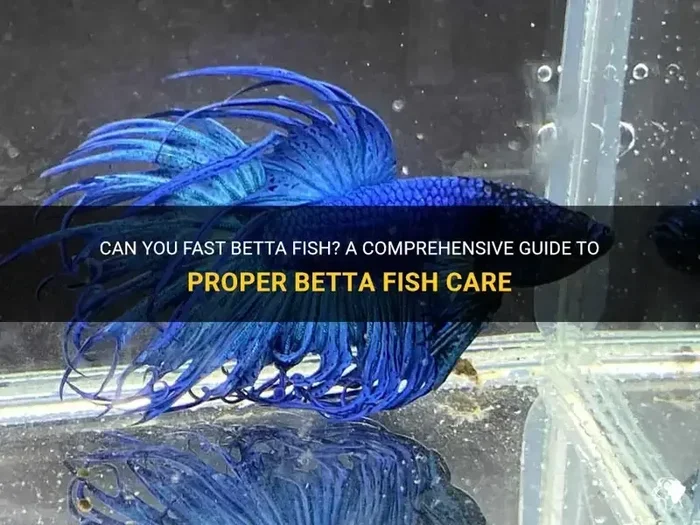
You can safely fast your betta fish for 1 to 3 days without any major health risks. Most betta fish owners fast their fish once a week to support digestion and overall health. Fasting helps prevent bloating, constipation, and overfeeding issues that are common in betta fish care. However, fasting for more than 3 days can be dangerous and should only be done under careful observation.
Many betta fish owners wonder whether they should skip a few meals now and then. The good news is that fasting your betta fish is a safe and simple practice. It can actually improve your fish’s health in surprising ways. In this guide, we will walk you through everything you need to know about betta fish fasting. You will learn how long it is safe, why it helps, and what to watch out for.
Whether you are a new betta owner or have had your fish for years, this article covers it all. We will break down the science behind fasting, share practical tips, and answer the most common questions. Let us dive right in and help you keep your betta fish happy and healthy.
Key Takeaways
- Safe Fasting Window: Betta fish can safely go without food for 1 to 3 days.
- Digestive Health: Fasting gives your betta’s digestive system a much-needed break.
- Overfeeding Is the Real Risk: Most betta fish health issues come from eating too much, not too little.
- Watch for Warning Signs: If your betta shows lethargy or loss of color during a fast, it may need attention.
- Weekly Fasting Is Common: Many experienced betta fish owners fast their fish once a week as a preventive measure.
- Young and Sick Fish Should Not Be Fasted: Juvenile and unhealthy bettas need regular nutrition.
📑 Table of Contents
- How Many Days Can You Safely Fast Your Betta Fish?
- Why Fasting Your Betta Fish Is Beneficial
- What Happens When You Fast Your Betta Fish?
- Signs Your Betta Fish Is Too Hungry or Unwell During a Fast
- How Often Should You Fast Your Betta Fish?
- Common Mistakes to Avoid When Fasting Your Betta Fish
- Expert Tips for a Successful Betta Fish Fast
- Conclusion
How Many Days Can You Safely Fast Your Betta Fish?
The short answer is 1 to 3 days. A healthy adult betta fish can go without food for up to 3 days without any serious problems. In fact, many experienced fish keepers fast their bettas once a week. This is a common and widely recommended practice in the betta fish care community.
However, there are some important factors to consider. The safe fasting window depends on your fish’s age, overall health, and living conditions. Let us look at this more closely.
Fasting for 1 Day
A one-day fast is very safe for almost all betta fish. In fact, many owners do this every week without even thinking twice. A single day without food gives your fish’s digestive system time to process any leftover food in the stomach. This simple step can prevent bloating and constipation in betta fish.
Fasting for 2 Days
A two-day fast is also perfectly fine for a healthy adult betta. Some owners choose to fast their fish for 48 hours when they notice slight swelling or discomfort. Just make sure your fish is eating normally on other days. A healthy appetite on non-fasting days means your betta is getting the nutrition it needs.
Fasting for 3 Days
Three days is the upper safe limit for most healthy bettas. Going beyond this point starts to put stress on your fish’s body. Betta fish need regular nutrients to maintain their energy, immune system, and vibrant colors. If you plan to fast for 3 days, watch your fish closely and make sure the water temperature stays stable.
Why Fasting Your Betta Fish Is Beneficial
Fasting is not just about skipping meals. It serves real health purposes for your betta fish. Understanding these benefits can help you feel confident about your fasting routine.
Supports Healthy Digestion
Betta fish have small stomachs, roughly the size of their eye. When you feed them too often, their digestive system can become overloaded. Fasting gives the gut a chance to rest and reset. This helps prevent common digestive problems like swim bladder issues and blockages. Many betta fish owners notice improved feeding behavior after a short fast.
Prevents Overfeeding Problems
Overfeeding is one of the biggest mistakes new betta owners make. It leads to dirty water, excess waste, and serious health issues. A regular fasting schedule helps you break the habit of overfeeding. It also reduces the amount of uneaten food that decays in the tank. Cleaner water means a healthier fish.
Boosts Overall Health and Longevity
Just like humans sometimes benefit from intermittent fasting, betta fish can too. A short break from eating allows the body to focus on repair and recovery. Fasting can improve your betta’s immune response, making it less likely to fall sick. Over time, this simple practice may even help extend your betta fish lifespan.
What Happens When You Fast Your Betta Fish?
It is helpful to understand what is going on inside your betta’s body during a fast. This knowledge makes it easier to spot any issues early.
Day 1 of Fasting
On the first day, your betta fish will feel completely normal. It may swim around its tank as usual and show interest in food. Some bettas might even beg for food at feeding time. This is completely normal behavior and does not mean your fish is suffering. Betta fish are resilient and can handle a day without food very well.
Day 2 of Fasting
By day two, your betta may become slightly less active. This is expected. The fish is using stored energy from its body. You might notice your betta spending more time resting near plants or decorations. As long as the fish is still responsive and alert, there is no reason to worry.
Day 3 of Fasting
On day three, your betta fish will start to feel the effects of hunger more noticeably. It may swim more slowly and show less interest in its surroundings. This is where you should end the fast and offer a small, easy-to-digest meal. If your fish shows severe signs of distress, it is time to feed and end the fast early.
Signs Your Betta Fish Is Too Hungry or Unwell During a Fast
Not all bettas react to fasting in the same way. Some handle it like pros, while others may show warning signs. Knowing what to look for is essential for responsible fish keeping.
- Lethargy: If your betta is barely moving and stays at the bottom of the tank, this could be a sign of distress.
- Loss of Color: A healthy betta should have bright, vivid colors. Fading color during a fast may signal a problem.
- Clamped Fins: When a betta folds its fins tightly against its body, it often means the fish is stressed or unwell.
- Loss of Appetite After Fasting: If your betta refuses to eat even after the fast ends, something may be wrong.
- Floating or Sinking Problems: Difficulty maintaining buoyancy can indicate digestive trouble, especially after a fast.
If you notice any of these signs, it is best to end the fast and offer a small meal. If the symptoms continue, consider consulting a vet or experienced fish keeper. You can also learn more about how to tell if your betta fish is sick to better understand these warning signals.
How Often Should You Fast Your Betta Fish?
Most experts recommend fasting your betta fish once a week. This is a balanced approach that provides the benefits of fasting without putting unnecessary stress on your fish. A weekly fast fits naturally into a betta fish feeding schedule and is easy to remember.
Some owners choose to fast their bettas for one full day every week. Others prefer a 48-hour fast once or twice a month. Both approaches work well. The key is consistency and observation. Pay attention to how your fish responds and adjust accordingly.
For more guidance on feeding frequency, check out our article on how many times you should feed your betta fish. It covers the ideal feeding routine in detail.
Common Mistakes to Avoid When Fasting Your Betta Fish
Fasting sounds simple, but there are a few mistakes that many betta owners make. Avoiding these pitfalls will keep your fish safe and healthy.
Fasting Too Long
The biggest mistake is fasting your betta for too many days. Going beyond 3 days without food can weaken your fish’s immune system and lead to serious health problems. Never fast a betta fish for more than 3 days unless you are experienced and monitoring the fish closely.
Fasting Sick or Young Fish
If your betta is already sick, injured, or a juvenile, do not fast it. Young betta fish need regular nutrition to grow properly. Sick fish need energy to fight off illness. Always ensure your betta is healthy and fully grown before starting a fasting routine.
Skipping Water Changes During a Fast
Some owners forget that tank maintenance does not stop just because the fish is not eating. Uneaten food and waste still build up in the tank. Continue your regular water change schedule even during a fast. Clean water is just as important as proper feeding.
Feeding Too Much After a Fast
After a fast, it can be tempting to give your betta a big meal. This is a mistake. Start with a small portion and see how your fish responds. Overfeeding after a fast can cause bloating and digestive issues. Offer a moderate, easily digestible meal and let your betta eat at its own pace.
Expert Tips for a Successful Betta Fish Fast
Here are some practical tips from experienced betta fish keepers to make fasting safe and effective for your fish.
- Pick a consistent day: Choose a specific day each week for fasting. This helps you build a routine and remember easily.
- Monitor water parameters: Check your tank’s ammonia, nitrite, and nitrate levels before and after a fast. Clean water supports a healthy fast.
- Keep the temperature stable: Betta fish are sensitive to temperature changes. Maintain a stable temperature between 78 and 80 degrees Fahrenheit.
- Observe your fish closely: Watch your betta’s behavior during the fast. Note any changes in activity, color, or appetite.
- Break the fast gently: Offer a small amount of high-quality food after the fast. Bloodworms or daphnia are great options for a gentle restart.
- Keep a log: Write down your fasting schedule and any observations. This helps you track patterns and catch problems early.
Following these tips will make the fasting process smooth and stress-free for both you and your betta fish. Remember, the goal is to support your fish’s health, not to cause unnecessary stress.
Conclusion
Fasting your betta fish for 1 to 3 days is a safe and beneficial practice when done correctly. It supports digestion, prevents overfeeding, and can improve your fish’s overall well-being. The key is to keep the fast within the safe window, watch your fish closely, and never fast sick or young fish. With a little planning and attention, you can easily add weekly fasting to your betta fish care routine.
Start small. Try a one-day fast this week and see how your betta responds. Once you feel confident, you can gradually extend the fast if needed. Your betta fish will thank you with better health, brighter colors, and a longer, happier life.
Remember, every betta fish is different. What works for one fish may not work for another. Pay attention to your fish’s unique needs and adjust your approach. With the knowledge you have gained from this guide, you are well on your way to becoming a more confident and informed betta fish owner.
Frequently Asked Questions
Can I fast my betta fish for 4 days?
Fasting a betta fish for 4 days is not recommended for most fish. While some healthy adult bettas may survive, it puts unnecessary stress on their body and immune system. Stick to a 1 to 3 day fast for safety and always monitor your fish closely during any fasting period.
Can I fast my baby betta fish?
No, you should never fast a juvenile or baby betta fish. Young bettas need frequent, small meals to grow properly and develop strong immune systems. Only fast adult bettas that are fully grown and in good health. Fasting a baby betta can lead to stunted growth and serious health problems.
What should I feed my betta fish after a fast?
After a fast, offer a small, easily digestible meal. Bloodworms, daphnia, or a small portion of high-quality betta pellets work well. Avoid feeding a large meal right away, as this can cause bloating and digestive discomfort. Let your betta eat slowly and in moderation.
How do I know if my betta fish needs to be fasted?
Signs that your betta may benefit from a fast include bloating, constipation, loss of appetite, and lethargy. If your fish shows these symptoms, a short fast of 1 to 2 days can help its digestive system recover. However, if symptoms persist after fasting, consult a vet or experienced fish keeper for advice.
Does fasting help with betta fish constipation?
Yes, fasting is one of the most effective natural remedies for betta fish constipation. A 1 to 2 day fast gives the digestive system time to clear any blockages. After the fast, feeding a small amount of daphnia or a peeled pea can further help relieve constipation and get your fish back to normal.
Can I fast my betta fish while traveling?
Yes, a 1 to 2 day fast is safe if you are traveling and cannot feed your betta. Most healthy adult bettas can easily handle a weekend without food. If you are traveling for longer, consider using an automatic feeder or asking a friend to feed your fish small portions while you are away.