How Many Betta Fish Survive in Eggs
How many betta fish survive in eggs depends on water quality, temperature, and the health of the parent fish. On average, only about 20 to 30 percent of the original egg count makes it to healthy fry. This guide covers the full journey from fertilization to hatching, with practical tips to improve your betta fish egg survival rate.
Watching how many betta fish survive in eggs is one of the most exciting parts of betta fish breeding. If you have ever raised bettas, you know that the journey from egg to healthy fry is full of surprises. Many new fish keepers wonder about the survival rate and what they can do to help more eggs make it to adulthood.
The truth is, not every betta fish egg will hatch. Some will not be fertilized. Others may develop fungus or fail due to water conditions. Understanding the betta fish eggs survival rate helps you set realistic expectations and take better care of your breeding tank. In this guide, we walk you through everything you need to know about how many betta fish survive in eggs, from fertilization to hatching and beyond.
Whether you are a beginner or an experienced breeder, this article covers the key factors that determine betta fry survival. You will learn what to watch for, common mistakes to avoid, and practical steps to boost your betta fish breeding success. Let us dive right in.
Key Takeaways
- Egg survival varies widely: Only about 20 to 30 percent of betta fish eggs typically survive to the fry stage.
- Water quality is critical: Clean, stable water parameters dramatically improve hatching and survival rates.
- Temperature matters: Keeping water between 78 and 82 degrees Fahrenheit supports healthy egg development.
- Male bettas are key caregivers: The male builds a bubble nest and guards the eggs throughout incubation.
- Fungus is a major threat: White, fluffy growth on eggs can spread quickly and destroy entire clutches.
- Fry care is just as important: Proper feeding and water maintenance after hatching boost betta fry survival significantly.
- Remove the male after hatching: Keeping him in the breeding tank can lead to fry being eaten.
📑 Table of Contents
- Understanding Betta Fish Eggs and the Hatching Process
- The Reality of How Many Betta Fish Survive in Eggs
- Factors That Affect Betta Fish Egg Survival
- How to Improve Betta Fish Egg Survival Rates
- Common Problems That Reduce Betta Fish Egg Survival
- What Happens After Betta Fish Eggs Hatch
- Final Thoughts on Betta Fish Egg Survival
Understanding Betta Fish Eggs and the Hatching Process
Before we talk about survival numbers, it helps to understand what healthy eggs look like and how the hatching process works. Knowledge of betta fish eggs stages gives you a clear picture of what is happening inside your breeding tank at all times.
What Do Betta Fish Eggs Look Like?
Betta fish eggs are tiny, white, and oval-shaped. They look a bit like small grains of salt. Healthy eggs should appear clear or slightly translucent. You may notice a small dark spot inside, which is the developing embryo. If an egg turns white and cloudy, that is often a sign of fungus on betta fish eggs. This is one of the biggest threats to betta fish egg survival. Fungus spreads quickly and can destroy an entire clutch if not removed promptly. This is exactly why many breeders keep a close eye on their eggs during the betta fish egg incubation period.
How Long Does It Take for Betta Fish Eggs to Hatch?
The betta fish egg hatching time is usually around 24 to 72 hours. The exact timing depends on several factors, including water temperature and the male betta’s nest quality. Warmer water tends to speed up the process, while cooler water may slow it down.
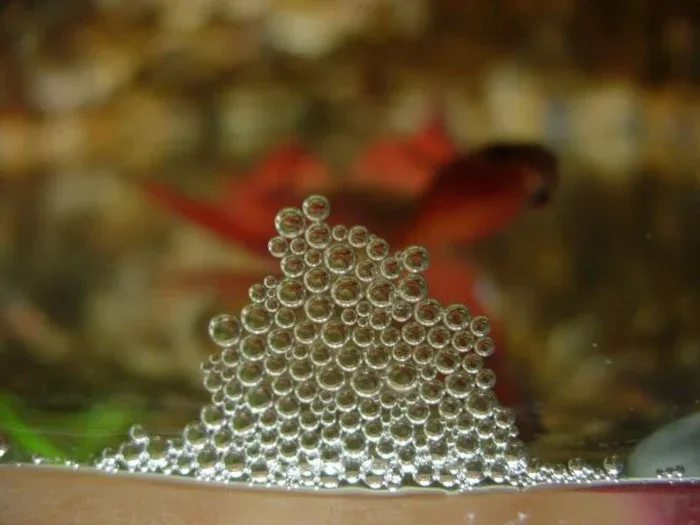
During the betta fish breeding cycle, the male betta guards the eggs in his betta fish nest bubble. He will pick up any eggs that fall and place them back in the nest. This betta fish parent care is essential for the eggs to develop properly. Without an attentive male, the survival rate drops significantly. The male also fans the eggs with his fins to provide oxygen, which is another critical part of successful betta fish hatching.
The Reality of How Many Betta Fish Survive in Eggs
The big question is: how many betta fish survive in eggs? The honest answer is that it varies a lot. A single female betta can lay anywhere from 30 to 500 eggs in one spawning session. But not all of those eggs will be fertilized, and not all fertilized eggs will hatch.
On average, how many eggs a betta fish lays does not equal how many fry you will end up with. A healthy breeding pair might see around 50 to 70 percent of eggs get fertilized. Of those, about 60 to 80 percent may hatch successfully. That means out of 100 eggs, you might get 30 to 50 fry. But how many betta fish survive in eggs also depends on what happens after hatching. Many breeders report that only about 20 to 30 percent of the original egg count makes it to the fry stage with healthy growth. The rest are lost to unfertilization, fungus, or poor water conditions. This is why betta fish egg care is so important from the very start.
Betta Fish Egg Survival Rate by Stage
The betta fish eggs survival rate changes at each stage of development. Below is a comparison of what typically happens at each phase:
| Stage | Approximate Survival | What Happens |
|---|---|---|
| Unfertilized Eggs | 0% | Turn white; never viable |
| Fertilized Eggs | 50–70% of total clutch | Develop normally with proper care |
| Hatched Eggs | 60–80% of fertilized eggs | Fry emerge and attach to surfaces |
| Healthy Fry | 20–30% of original egg count | Grow into free-swimming, active fry |
Understanding these stages helps you focus your efforts where they matter most. Not every egg is meant to survive, and that is perfectly normal in the betta fish breeding process. The numbers may seem low, but a single spawning can still produce dozens of healthy fry with the right approach.
Factors That Affect Betta Fish Egg Survival
Several key factors determine how many betta fish survive in eggs. Let us look at each one in detail so you know exactly what to focus on.
Water Quality and Parameters
Clean water is the foundation of healthy betta fish eggs. Poor water quality is the number one killer of eggs and newly hatched fry. Ammonia and nitrite levels should be at zero. Nitrates should stay below 20 ppm. When you are raising bettas in a breeding tank, frequent water changes are essential. Many experienced breeders suggest changing about 10 to 20 percent of the water daily during the betta fish egg incubation period. This keeps the environment stable and reduces the risk of betta fish eggs not hatching due to toxic buildup.
Water Temperature
Temperature plays a huge role in betta fish egg hatching time and survival. The ideal range is between 78 and 82 degrees Fahrenheit. If the water is too cold, the eggs may not develop properly. If it is too hot, it can stress the male betta and harm the eggs.
A stable temperature is just as important as the right temperature. Sudden swings can shock the eggs and lower the betta fish breeding success rate. Use a reliable heater and monitor the temperature closely throughout the betta fish egg incubation period.
Male Betta Behavior and Nest Quality
The male betta is the primary caregiver during the egg stage. A healthy male will build a strong betta fish nest bubble at the surface of the water. This nest holds the eggs safely and keeps them oxygenated. If the male is stressed, sick, or inexperienced, he may abandon the eggs or eat them. This is not uncommon, especially with first-time breeders. Choosing a healthy, mature male betta improves the chances of successful betta fish parent care and better betta fry survival.
Egg Health and Fertilization
Not all eggs are created equal. Some are simply not fertilized. The female betta releases eggs, and the male fertilizes them externally. If the pair does not spawn successfully, many eggs will remain unfertilized and turn white. The transparency of the eggs is a good indicator. Healthy, fertilized eggs often have a slight amber or translucent glow. Eggs that are completely opaque or white are likely unfertilized or infected. Removing these quickly helps protect the healthy betta fish eggs around them and prevents fungus from spreading.
How to Improve Betta Fish Egg Survival Rates
If you want more of your eggs to survive, there are concrete steps you can take. Here are practical tips that experienced breeders use to boost betta fish egg survival rates.
Set Up a Proper Breeding Tank
A dedicated breeding tank makes a big difference. A 5 to 10 gallon tank with a sponge filter and gentle heater works best. Avoid strong filters that can suck up tiny eggs or stress the fish. Add floating plants or a spawning mop to give the male a place to build his nest. This creates a safe environment for betta fish tank breeding and gives the eggs the best chance of survival.
For more detailed guidance on setting up a breeding environment, check out our article on how to breed betta fish in an aquarium. It covers tank setup, pairing, and spawning techniques in depth.
Maintain Impeccable Water Conditions
Before introducing the breeding pair, make sure the water is pristine. Test for ammonia, nitrite, and nitrate. Use aged or treated water to avoid chlorine and chloramine. Many breeders also use betta fish eggs floating techniques, where they monitor the nest and remove any eggs that fall outside the bubble nest. This careful attention to detail directly improves betta fish hatching outcomes and keeps the water free from decaying organic matter.
Feed the Fry Properly After Hatching
Once the eggs hatch, the real challenge begins. Newborn fry are tiny and need very small food. Infusoria or commercially available fry food works well in the first few days. As the fry grow, you can gradually introduce baby brine shrimp and finely crushed flakes. Proper betta fish fry care during the first weeks is critical. Well-fed fry grow faster and are less vulnerable to disease, which improves overall betta fry survival numbers significantly.
Remove the Male After Hatching
Once most of the eggs have hatched, it is time to remove the male betta. He may start eating the fry or become less attentive to their needs. Transferring him back to his own tank protects the young fish. This step is often overlooked but is crucial for betta fish breeding success. The male’s job is done once the eggs hatch, and keeping him in the breeding tank can actually reduce betta fish egg survival rates for the fry.
Common Problems That Reduce Betta Fish Egg Survival
Even with the best care, problems can arise. Knowing what to watch for helps you respond quickly and save more eggs.
Fungus on Eggs
Fungus is the most common threat to betta fish eggs. It appears as white, fluffy growth on the surface of the egg. Fungus spreads fast and can infect healthy eggs nearby. Some breeders use a dilute methylene blue solution to treat fungus. Others prefer to manually remove infected eggs with a pipette. Acting quickly is the key to protecting the rest of the clutch and maintaining a good betta fish eggs survival rate.
Infertile Eggs
Infertile eggs turn white and never develop. They are a normal part of any spawning event. A female betta may release more eggs than the male can fertilize, especially if the pair is not well-matched. Removing infertile eggs regularly keeps the water clean and prevents fungus from taking hold. This simple practice goes a long way in improving how many betta fish survive in eggs and keeps the breeding tank healthy.
Water Parameter Crashes
Sudden changes in pH, temperature, or hardness can cause eggs to stop developing or fail to hatch. This is especially risky in tanks without stable equipment. Always use a thermometer, a pH test kit, and a reliable heater. Stable parameters are the backbone of successful betta fish egg incubation and healthy betta fish hatching.
What Happens After Betta Fish Eggs Hatch
Once the eggs hatch, you enter the fry stage. At this point, the question shifts from how many betta fish survive in eggs to how many fry will grow into healthy adults. The first few weeks are the most fragile and require the most attention.
Fry stay attached to the nest bubble or tank surfaces for the first day or two. They live off their yolk sac. Once that runs out, they need to start eating. This is when betta fish fry care becomes the top priority. Keeping the water immaculate and feeding small amounts multiple times a day gives the fry the best start. Over time, you will see them grow and become free-swimming. By the time they are a few weeks old, you can start looking at their colors and fin development.
If you want to learn more about raising betta fry, check out our guide on how many fry betta fish have and our article on how to hatch betta fish eggs for detailed step-by-step instructions on the full process.
Final Thoughts on Betta Fish Egg Survival
How many betta fish survive in eggs depends on many factors, from water quality and temperature to the health of the parent fish. There is no magic number, but understanding the process gives you the best chance of success. Focus on clean water, stable conditions, and attentive care. Remove unfertilized and infected eggs promptly. Feed the fry properly once they hatch. Each of these steps plays a role in improving betta fish egg survival and helping more of your bettas reach adulthood.
Breeding bettas is a rewarding experience, even when not every egg makes it. Every successful fry is a testament to your care and knowledge. Keep learning, keep experimenting, and enjoy the incredible journey of betta fish breeding. The more you practice, the better your results will become.
Frequently Asked Questions
How many eggs does a betta fish lay in one spawning?
A female betta can lay anywhere from 30 to 500 eggs per spawning session. The exact number depends on her age, size, and overall health. To learn more about egg counts, check out our guide on how many eggs does a betta fish lay.
What is the survival rate of betta fish eggs?
On average, only about 20 to 30 percent of the original egg count survives to the healthy fry stage. This is because some eggs are unfertilized, some develop fungus, and others fail due to water conditions. Maintaining clean water and stable temperatures significantly improves survival odds.
Why do betta fish eggs turn white?
White eggs are usually a sign of either infertility or fungus. Unfertilized eggs never develop and turn opaque. Fungal infections appear as white, fluffy growth and can spread quickly. Removing affected eggs promptly helps protect the healthy ones in the clutch.
How can I improve betta fish egg survival?
Focus on clean water, stable temperature between 78 and 82 degrees Fahrenheit, and a well-built bubble nest. Remove unfertilized and fungus-infected eggs quickly. After hatching, feed the fry appropriately and remove the male betta from the breeding tank to prevent him from eating the fry.
How long does it take for betta fish eggs to hatch?
Betta fish eggs typically hatch within 24 to 72 hours. Warmer water temperatures speed up the process, while cooler temperatures slow it down. Consistent conditions during the betta fish egg incubation period are essential for healthy hatching.
Should I remove the male betta after the eggs hatch?
Yes, you should remove the male once most eggs have hatched. He may eat the fry or become less attentive to their needs. Moving him to a separate tank protects the young fish and improves overall betta fry survival rates.