How Many Betta Fish Fin Types Are There
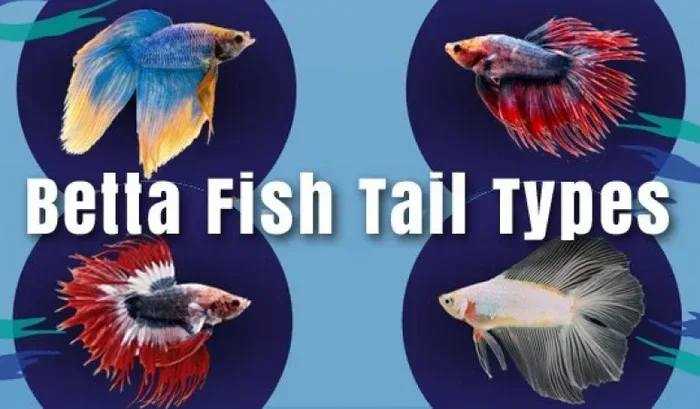
Betta fish come in a surprising number of fin types, each with its own unique look and charm. From the dramatic crowntail to the elegant halfmoon, understanding these varieties helps you pick the perfect fish. This guide covers every major fin type, what sets them apart, and how to care for their beautiful fins.
Betta fish are some of the most beautiful creatures you can keep in a home aquarium. Their flowing fins and vibrant colors make them stand out. But did you know there are many different betta fish fin types? Each type has its own unique shape, size, and style. If you have ever wondered how many fin types exist, you are in the right place.
In this guide, we will walk you through every major betta fish fin type you should know. We will look at what makes each one special. You will also learn tips on keeping those gorgeous fins healthy. Whether you are a beginner or a seasoned fish keeper, this guide has something for you. Let us dive right in!
Key Takeaways
- Multiple fin types exist: There are at least 8 to 10 recognized betta fish fin types, each with distinct shapes and patterns.
- Tail shape defines the type: The way a betta’s tail and fins spread is the main factor in classifying each variety.
- Some fins need extra care: Long-finned varieties like the halfmoon are more prone to fin rot and fin loss.
- Color and pattern add variety: Many fin types also come in stunning colors like purple, black, and rainbow shades.
- Tank setup matters: Choosing the right tank size and mates helps keep your betta’s fins healthy and beautiful.
- Breeding plays a role: Selective breeding over decades created the wide range of fin types we see today.
📑 Table of Contents
- Understanding Betta Fish Fin Types
- The Crowntail Betta Fin Type
- The Veil Tail Betta Fin Type
- The Halfmoon Betta Fin Type
- The Plakat Betta Fin Type
- The Delta and Super Delta Betta Fin Types
- The Double Tail Betta Fin Type
- The Comb Tail Betta Fin Type
- How Many Betta Fish Fin Types Are There in Total?
- Keeping Your Betta’s Fins Healthy
Understanding Betta Fish Fin Types
Betta fish belong to a group called ornamental fish. Over many years, breeders have developed dozens of fin variations. These variations are called finnage. The shape of the tail and the way the fins spread are the main factors that define each type. Some bettas have short, neat fins. Others have long, flowing fins that trail behind them like a cape.
Knowing the different betta fish fin types helps you choose the right fish for your tank. It also helps you provide better care. Long fins need different attention than short fins. Let us explore each type in detail.
What Makes Each Fin Type Unique?
Every betta fin variety has specific traits. These include the tail spread, fin length, and ray count. The ray count is how many bony supports are inside the fin. More rays often mean a more dramatic fin spread. The fin edges can also be smooth, ruffled, or crown-shaped. These details are what give each type its name and identity.
Here are the main factors that set each betta fish fin type apart:
- Tail spread: How wide the tail opens, from narrow to full 180 degrees.
- Fin length: Short fins versus long, flowing fins.
- Ray count: More rays create more dramatic fin shapes.
- Fin edges: Smooth, ruffled, or spiky edges on the fins.
- Body size: Some fin types are paired with specific body shapes.
The Crowntail Betta Fin Type
The crowntail is one of the most popular betta fish fin types. It gets its name from the spiky, crown-like edges on its tail fins. Each ray in the tail fin extends well beyond the webbing. This creates a dramatic, star-like appearance. Crowntails have a very distinct look that stands out in any aquarium.
This fin type comes in many colors and patterns. You can find crowntail bettas in solid shades, bi-colors, and even rainbow betta fish patterns. Their fins can be short or medium-length. The key feature is always the extended rays that give the fin its crown-like look.
Caring for Crowntail Fins
Crowntail fins are fairly easy to maintain. Because the webbing is thin and the rays are long, they can tear easily. Keep your tank water clean and free of sharp decorations. Avoid strong filter currents that can damage delicate fins. A gentle sponge filter works best for this variety.
The Veil Tail Betta Fin Type
The veil tail is one of the oldest and most common betta fish fin types. It features long, flowing tail fins that droop downward like a curtain. The tail fin is very long and graceful. Veil tails also have long dorsal and anal fins that add to their elegant appearance.
Veil tails are often seen in pet stores because they are hardy and affordable. They are a great choice for beginners. If you are shopping for a betta at Pets at Home, you will likely see veil tails available. Their fins can come in many beautiful colors and patterns.
Why Veil Tails Are So Popular
Veil tail bettas are popular for a few reasons. First, they are easy to care for. Second, their long fins create a stunning visual effect. Third, they are widely available and come at a low price point. Many first-time betta owners start with a veil tail because of these benefits.
However, their long fins do require some attention. They are more prone to fin rot than short-finned varieties. Keep the water clean and watch for any signs of tearing or discoloration. If you notice issues, check out our guide on how to fix fin rot on betta fish for helpful tips.
The Halfmoon Betta Fin Type
The halfmoon is famous for its spectacular tail spread. When fully spread, the tail forms a perfect half-circle, or 180 degrees. This makes the halfmoon one of the most visually stunning betta fish fin types. Their fins are long and flowing, and the overall appearance is very dramatic.
Halfmoon bettas come in many color varieties. You can find them in solid colors, multicolors, and even purple betta fish shades. Their large fins make them a favorite among show fish enthusiasts. Breeding halfmoons requires careful selection to achieve the perfect 180-degree spread.
Special Care for Halfmoon Fins
Because halfmoon fins are so large and delicate, they need special care. Here are some tips to keep their fins healthy:
- Use a gentle filter: Strong water flow can damage long fins.
- Keep water clean: Regular water changes prevent infections.
- Avoid sharp decorations: Rough surfaces can tear delicate fins.
- Feed high-quality food: Good nutrition supports fin growth and health.
- Watch for fin rot: Early detection is key to treatment.
If your halfmoon betta ever experiences fin loss, you can learn how to treat it in our guide on how to treat betta fish fin loss. Quick action can help your fish recover fully.
The Plakat Betta Fin Type
The plakat is the complete opposite of the halfmoon. Plakat bettas have short, compact fins that closely resemble wild bettas. Their fins are neat and streamlined. This makes them excellent swimmers and very active fish. Plakats are often called “short-finned bettas” and are a favorite among experienced fish keepers.
Because their fins are short, plakats are less prone to fin damage. They do not get tangled easily, and they are more resistant to fin rot. This makes them a low-maintenance option for those who want a healthy, active betta without the fuss of long fins.
Plakat vs. Long-Finned Varieties
Here is a quick comparison between plakat and long-finned betta types:
- Fin length: Plakats have short fins; other types have long, flowing fins.
- Swimming ability: Plakats swim faster and more actively.
- Maintenance: Plakats require less fin care and attention.
- Appearance: Plakats look more natural; long-finned types look more ornamental.
- Fin rot risk: Plakats have a lower risk of fin rot and fin loss.
Despite their short fins, plakats still come in beautiful colors. You can find black betta fish plakats and rainbow betta fish plakats that are just as stunning as their long-finned cousins.
The Delta and Super Delta Betta Fin Types
The delta and super delta are two closely related betta fish fin types. The delta tail forms a triangle shape when spread. The super delta has a wider spread, usually between 120 and 160 degrees. Both types have long, elegant fins that taper to a point at the edges.
Delta fins are a favorite among hobbyists who want a dramatic look without the extreme spread of a halfmoon. They are also easier to maintain than halfmoons because the fins are slightly shorter. You can find delta bettas in many colors, including purple betta fish and deep black varieties.
How to Identify Delta vs. Super Delta
The main difference comes down to the tail spread angle. A standard delta has a tail spread of about 90 degrees. A super delta spreads between 120 and 160 degrees. The super delta is closer to the halfmoon but does not quite reach the full 180-degree spread. Both are beautiful and make great additions to any aquarium.
The Double Tail Betta Fin Type
The double tail is a unique and eye-catching betta fish fin type. Instead of one tail fin, double tail bettas have two separate tail fins. This gives them a distinctive, almost fan-like appearance. Their caudal fin is split, creating a beautiful and unusual look.
Double tail bettas often have a wider body shape to support their split tail. They come in many colors and patterns. You might even find rainbow betta fish or purple betta fish with the double tail trait. Their unique appearance makes them a conversation starter in any fish room.
Caring for Double Tail Betta Fins
Double tail bettas need some extra attention. Their split fins can be prone to splitting further or tearing. Keep the water quality high and avoid strong currents. Feed them a balanced diet to support healthy fin growth. Regular water changes are essential to prevent infections that could damage their delicate double fins.
The Comb Tail Betta Fin Type
The comb tail is another interesting betta fish fin type. It looks similar to the crowntail, but the rays extend only slightly beyond the webbing. The fins have a comb-like or serrated edge that gives them a unique texture. Comb tails are not as dramatic as crowntails, but they have their own charm.
Comb tails are often confused with crowntails. The key difference is the length of the rays compared to the webbing. In a comb tail, the rays only slightly extend past the webbing. In a crowntail, the rays extend much further. Both are beautiful, but the crowntail has a more striking appearance.
How Many Betta Fish Fin Types Are There in Total?
So, how many betta fish fin types are there exactly? The answer depends on who you ask. Most experts recognize between 8 and 12 main fin types. Some breeders recognize even more sub-varieties. The most commonly accepted types include the crowntail, veil tail, halfmoon, plakat, delta, super delta, double tail, and comb tail.
Beyond these main types, there are also crossbreeds and hybrid varieties. Breeders continue to develop new fin shapes through selective breeding. This means the number of betta fish fin types may grow over time. What is most important is understanding the main types and how to care for them.
Each fin type brings something special to the aquarium world. Whether you prefer the dramatic halfmoon or the sleek plakat, there is a betta fish fin type for everyone. If you are thinking about adding a betta to your tank, consider the fin type and what kind of care it will need.
For those concerned about tank mates, it is worth noting that not all fish get along with bettas. Check out our article on are there other fish that can go with a betta to learn more about compatible tank companions.
Keeping Your Betta’s Fins Healthy
No matter which betta fish fin type you choose, fin health is essential. Healthy fins are bright, smooth, and free from tearing. Unhealthy fins may show signs of rot, discoloration, or fraying. Here are some quick tips to keep your betta’s fins in top condition.
Keep the water clean. Regular water changes prevent bacteria and parasites that cause fin problems. Avoid overcrowding. Too many fish in a tank creates stress and increases the risk of fin damage. Feed properly. Overfeeding can dirty the water and lead to health issues. Watch for signs of trouble. If you see clamped fins, torn edges, or discoloration, act quickly.
For more information on maintaining your betta’s health, visit our page on how many times to change water for betta fish and how many gallons for a betta fish. These resources will help you create the perfect environment for your finned friend.
Remember, each betta fish fin type is a beautiful gift from nature. With the right care and attention, your betta’s fins will stay vibrant and healthy for years to come. Enjoy the journey of discovering the wonderful world of betta fish varieties!
Frequently Asked Questions
How many betta fish fin types are there?
Most experts recognize between 8 and 12 main betta fish fin types. These include crowntail, veil tail, halfmoon, plakat, delta, super delta, double tail, and comb tail. Some breeders also recognize additional sub-varieties and hybrids.
Which betta fish fin type is the easiest to care for?
The plakat betta is the easiest to care for because its short fins are less prone to damage and fin rot. They are hardy, active, and require less maintenance than long-finned varieties like the halfmoon or veil tail.
Can two bettas with different fin types live together?
Generally, no. Male bettas are territorial and should not be housed together, regardless of fin type. Female bettas may sometimes live in groups, but this requires careful setup. Always research compatibility before adding tank mates.
Why do betta fish have different fin types?
Different fin types are the result of selective breeding over many decades. Breeders chose fish with specific fin shapes and bred them together. This process gradually created the wide variety of betta fish fin types we see today.
Are long-finned bettas more prone to health issues?
Yes, long-finned bettas like the halfmoon and veil tail are more prone to fin rot and fin loss. Their long, delicate fins can tear easily and are more vulnerable to bacterial infections. Keeping the water clean and the tank environment gentle helps prevent these issues.
Can a betta’s fin type change over time?
A betta’s fin type does not change, but its fins can become damaged or worn over time. Poor water quality, rough tank mates, or sharp decorations can cause fin tearing. With proper care, fins can regrow and stay healthy.