Is White Betta Fish a Girl
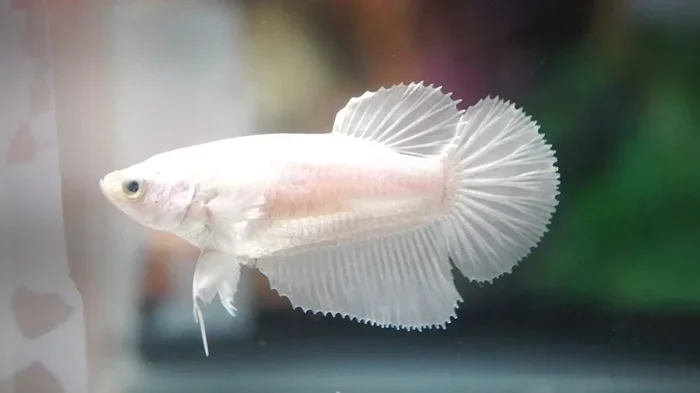
Figuring out if a white betta fish is a girl can be tricky, but it is totally doable. You need to look at body shape, behavior, and a few subtle physical signs. This guide walks you through every clue so you can confidently identify your betta’s gender.
So, you have a beautiful white betta fish swimming around your tank, and you keep wondering, is white betta fish a girl? It is a really common question among fish keepers, especially beginners. The truth is, telling the gender of a white betta is not always obvious. But with the right knowledge, you can figure it out pretty quickly.
Knowing whether your betta is a girl or a boy matters more than you might think. It affects how you set up the tank, who you can keep them with, and even how you care for them. Female bettas have different needs and behaviors compared to males. And if you are planning to breed them, getting the gender right is absolutely essential.
This guide breaks down every sign you need to look for. We will cover body shape, coloring, behavior, and even those tiny details most people miss. By the end, you will feel confident about identifying your white betta’s gender.
Key Takeaways
- Body shape matters: Female bettas tend to have a rounder, wider body compared to males.
- Look for the egg spot: A small white dot on the underside is a strong sign of a female.
- Behavior tells a story: Females are generally less aggressive and may build bubble nests too.
- Color changes happen: A white betta can shift colors due to stress, age, or environment.
- Tank setup differs by gender: Male and female bettas have different space and companion needs.
- No single sign is foolproof: Combining multiple clues gives the most accurate identification.
📑 Table of Contents
- Why Gender Identification Matters for White Bettas
- Physical Signs That Reveal Your White Betta’s Gender
- Behavioral Clues: How Your Betta Acts Can Reveal Its Gender
- Color Changes in White Bettas and What They Mean
- Common Mistakes People Make When Identifying Betta Gender
- How to Set Up the Right Tank for Your Female Betta
- Expert Insights: Tips from Experienced Betta Keepers
- Frequently Asked Questions
- Final Thoughts
Why Gender Identification Matters for White Bettas
You might be thinking, why does it matter so much? Well, male and female bettas behave very differently. Males are known for being territorial and aggressive. Females can also be aggressive, but usually less so. Understanding your fish’s gender helps you make better care decisions.
Here are a few reasons why knowing the answer to is white betta fish a girl is important:
- Tank companions: You cannot house two males together, but females can sometimes live in groups called sororities.
- Tank size needs: The recommended tank size for a betta fish can vary depending on gender and tank setup.
- Breeding plans: If you want to breed bettas, you need one male and one female.
- Health monitoring: Males and females can face different health issues as they age.
Getting the gender wrong can lead to serious problems. Two males in the same tank can fight to the death. And keeping a male and female together without proper preparation can cause stress and injury. So let us dive into the signs.
Physical Signs That Reveal Your White Betta’s Gender
Physical appearance is the first place to look when trying to figure out if your white betta is a girl. There are several clues hidden in their body shape, fins, and even tiny dots you might have missed.
Body Shape and Size
One of the most reliable ways to tell is by looking at the body shape. Female bettas generally have a rounder, wider body. They look a bit bulkier, especially around the belly area. This is because females carry eggs inside their bodies.
Male bettas, on the other hand, tend to have a more streamlined and elongated body shape. They look sleeker and more narrow from side to side. But keep in mind that body shape can vary depending on the fish’s age, health, and diet.
The Egg Spot
This is probably the most telling sign of all. Female bettas have something called an egg spot, also known as an ovipositor. It is a tiny white or pinkish dot located on the underside of the fish, near the anal fin.
Not every female has a visible egg spot, especially in younger fish. But when you can see it, that is a strong indicator that your white betta is a girl. Males do not have this spot. If you see one, you are likely looking at a female.
Fin Length and Shape
Male bettas are famous for their long, flowing fins. They have dramatic tail fins and extended ventral fins. Females have shorter, more compact fins. Their fins are still beautiful but not as elaborate as the males.
With a white betta, fin differences can be a bit harder to spot because the color is uniform. But if you look closely, the female’s fins will appear shorter and less dramatic compared to a male’s. This is especially true in adult fish.
Behavioral Clues: How Your Betta Acts Can Reveal Its Gender
Behavior is another big clue when you are trying to determine if is white betta fish a girl. Fish cannot talk, but they sure do communicate through their actions.
Bubble Nest Building
Many people think only male bettas build bubble nests. While it is true that males do this more often, females can build them too. A bubble nest is a collection of bubbles the fish creates at the surface of the water. It is a sign of a healthy, happy fish.
If your white betta is building a bubble nest, do not assume it is a male. Females can do this as well, especially when they are in a healthy and comfortable environment. However, frequent and large bubble nests are more commonly associated with males.
Aggression Levels
Male bettas are notoriously aggressive. They flare their gills, spread their fins, and can even attack their own reflection. Females can be aggressive too, but they are generally calmer. A female white betta is more likely to swim peacefully around the tank without constant flaring.
That said, female bettas can show aggression toward each other, especially in a sorority setup. You need to monitor them carefully if you keep multiple females together.
Flaring Behavior
Flaring is when a betta spreads its gills and fins wide. Males flare more often, usually to defend territory or during courtship. Females flare too, but less frequently and often in response to perceived threats rather than territorial displays.
If your white betta flares occasionally but not constantly, that could point toward a female. Constant, dramatic flaring is more typical of a male.
Color Changes in White Bettas and What They Mean
White bettas are stunning, but their color can change over time. These changes can sometimes help you figure out the gender, but they can also signal something else entirely.
Why Is My White Betta Changing Color?
Color changes in bettas are completely normal. A white betta might develop hints of red, blue, or even black over time. These changes can happen for many reasons, including stress, age, diet, and water conditions.
If you notice your white betta turning red, it could be a natural color shift or a sign of stress. Similarly, if your white betta is turning black or developing white spots, those are separate issues worth investigating. You can learn more about why bettas turn white in our article on why betta fish turn white.
Color and Gender Connection
Color alone is not a reliable way to determine gender. Both male and female white bettas can look identical in terms of color. You need to combine color observations with body shape and behavior clues for an accurate identification.
However, some breeders note that females sometimes show subtle color changes when they are carrying eggs. Their belly area might look slightly more pronounced or have a different sheen. This is not a foolproof method, but it is another piece of the puzzle.
Common Mistakes People Make When Identifying Betta Gender
Even experienced fish keepers sometimes get it wrong. Here are the most common mistakes to avoid when trying to figure out if your white betta is a girl.
Assuming All White Bettas Are Female
White is a popular color for both male and female bettas. There is no rule that says white bettas are more likely to be one gender over the other. Do not make assumptions based on color alone.
Relying on Just One Sign
The biggest mistake is looking for only one clue. Maybe you see a slightly rounder body and immediately decide it is a girl. But body shape can vary based on feeding habits and health. You need to look at multiple signs together.
Ignoring Age Factors
Young bettas are harder to sex than adults. The egg spot may not be visible in juveniles. Fin length differences become more apparent as the fish matures. If your betta is still young, give it time before making a final call.
Confusing the Egg Spot with Ich or White Spots
Sometimes a white bump on the belly is just the egg spot, but it could also be a sign of illness like ich. If the white dot looks irregular, is accompanied by other symptoms, or seems to be growing, consult a vet or experienced aquarist. Do not assume every white spot is an egg spot.
How to Set Up the Right Tank for Your Female Betta
Once you have confirmed that your white betta is a girl, you want to make sure her tank setup is perfect. Female bettas have slightly different needs compared to males, and getting the environment right makes a huge difference in their health and happiness.
A tank of at least 5 gallons is recommended for a single female betta. You can find more details in our guide on is a 5 gallon tank good for a betta fish. Females also appreciate plenty of hiding spots, live plants, and gentle filtration.
Keep the water temperature between 76 and 82 degrees Fahrenheit. Females can be sensitive to temperature changes, so a reliable heater and thermometer are must-haves. Regular water changes and testing help keep your white betta healthy and vibrant.
If you plan to keep multiple females together, introduce them gradually and watch for signs of aggression. A well-planted tank with plenty of hiding spots reduces stress and territorial disputes.
Expert Insights: Tips from Experienced Betta Keepers
We reached out to experienced betta keepers to get their best tips for identifying white betta gender. Here is what they had to say.
- Look at the vent area: Experienced keepers say the area just behind the anal fin is the best place to check for the egg spot. Use a flashlight if needed.
- Observe over time: Do not make a snap judgment. Watch your fish for several days or even weeks to see consistent patterns in behavior and body shape.
- Compare with reference photos: Looking at images of confirmed male and female white bettas side by side can help you spot differences more easily.
- When in doubt, consult a vet: A fish veterinarian or experienced breeder can give you a definitive answer if you are still unsure.
These tips may seem simple, but they make a big difference. The more you observe your fish, the better you will get at reading their signals.
Frequently Asked Questions
Can a female white betta fish build a bubble nest?
Yes, female bettas can build bubble nests, though it is less common than in males. A bubble nest is a sign of a happy and healthy fish, regardless of gender. If your white betta is building one, it is a good thing!
How can I tell if my white betta is a boy or a girl?
Look at the body shape, fin length, and check for an egg spot on the underside. Females have rounder bodies, shorter fins, and may have a visible egg spot. Males have longer fins, a sleeker body, and no egg spot. Combining all these clues gives the most accurate result.
Are white female bettas rare?
White bettas of either gender are not necessarily rare, but they are highly sought after for their clean, elegant appearance. Both male and female white bettas are popular in the aquarium hobby. The rarity depends more on the specific breed and lineage than on gender.
Do female bettas change color like males do?
Yes, female bettas can change color just like males. Color changes can happen due to stress, age, water conditions, or natural pigmentation shifts. A white betta turning red, black, or developing spots is not necessarily linked to gender.
Can I keep two female white bettas together?
Yes, female bettas can sometimes live together in a setup called a sorority. However, it requires a tank of at least 10 gallons, plenty of hiding spots, and careful introduction. Monitor them closely for signs of aggression, especially in the first few weeks.
What age can you reliably tell a betta fish’s gender?
You can usually start to identify gender differences around 2 to 3 months of age. Fin length, body shape, and the egg spot become more apparent as the fish matures. For the most reliable identification, wait until your betta is at least 4 months old.
Final Thoughts
So, is white betta fish a girl? The answer depends on a combination of physical signs, behavior, and careful observation. No single clue tells the whole story. But by checking the body shape, looking for the egg spot, and watching how your fish behaves, you can get a pretty clear picture.
Remember that gender identification takes patience. Do not rush the process. Watch your betta over time, compare what you see with what you have learned here, and do not be afraid to seek expert advice if you are unsure.
Whether your white betta is a girl or a boy, the most important thing is that you provide a healthy, safe, and enriching environment. A well-cared-for betta is a happy betta, and that is what really matters. Now go give your beautiful white fish some extra attention, because you are officially more equipped to understand them than most fish keepers out there.