How Many Betta Fish Are in the World
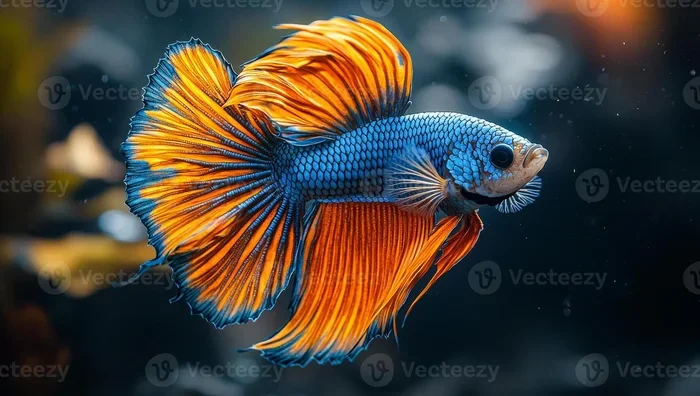
So, how many betta fish are in the world? The exact number is unknown, but millions of betta fish exist globally — mostly in captivity. Wild betta fish populations are far smaller and face serious threats from habitat loss and the pet trade. Understanding their numbers helps us protect these stunning fish for the future.
Have you ever wondered how many betta fish are in the world? These colorful, flowing-finned fish have captured the hearts of aquarium lovers everywhere. From tiny apartments to large fish stores, betta fish are everywhere. But what about their wild cousins? How many betta fish actually live in nature?
The truth is, no one knows the exact number. There is no global headcount for betta fish. What we do know is fascinating. Millions of betta fish live in tanks and bowls across the planet. Meanwhile, wild betta fish populations face growing challenges. In this article, we will explore the numbers, the species, and what the future holds for these beloved fish.
Key Takeaways
- No exact count exists: Scientists have not conducted a global census of betta fish, so the total number remains an estimate.
- Millions in captivity: The vast majority of betta fish live in aquariums, pet stores, and breeding facilities around the world.
- Wild populations are shrinking: Habitat destruction and the aquarium trade are putting wild betta fish at serious risk.
- Over 70 recognized species: The betta genus includes many species, each with unique habitats and population sizes.
- Conservation matters: Protecting betta fish habitats is essential to keeping wild populations stable.
- Responsible ownership helps: Choosing captive-bred betta fish supports conservation efforts and reduces wild capture.
📑 Table of Contents
Understanding Betta Fish Populations Worldwide
When we talk about betta fish numbers, we need to look at two groups: captive fish and wild fish. These two populations are very different. One is huge and growing. The other is small and shrinking.
The Captive Betta Fish Population
Betta fish are one of the most popular aquarium fish on Earth. You can find them in pet shops, online stores, and homes in nearly every country. The pet trade breeds millions of betta fish each year. Most of these fish are Betta splendens, also known as the Siamese fighting fish.
Here are some facts about captive betta fish numbers:
- Global pet trade volume: The aquarium fish industry sells billions of fish each year. Betta fish make up a large share of that number.
- Breeding facilities: Countries like Thailand, Malaysia, and Vietnam are major betta fish breeding hubs. These farms produce fish for the worldwide market.
- Home aquariums: Many hobbyists keep betta fish. A single fish often lives in a small bowl or tank. Multiply that by millions of fish owners, and the number grows fast.
Because no one tracks every betta fish sold or kept at home, the exact captive number is unknown. But experts agree it is in the millions — possibly tens of millions.
The Wild Betta Fish Population
Wild betta fish live in freshwater habitats across Southeast Asia. They prefer slow-moving waters like rice paddies, marshes, and drainage ditches. Unlike their colorful cousins in pet stores, wild betta fish are more dull in color. Their natural look helps them blend in and survive.
Wild betta fish populations are much harder to count. They live in scattered habitats, often in small, isolated groups. Here is what we know:
- Habitat loss is a big threat. Farming, urban development, and pollution destroy the shallow waters betta fish need.
- The pet trade affects wild numbers too. Some wild betta fish are captured and sold in the aquarium trade.
- Climate changes water levels. Droughts and floods can wipe out entire local populations quickly.
Some wild betta species are doing better than others. The Betta splendens wild population has declined significantly. But other species, like Betta imbellis, still hold on in parts of their natural range. You can learn more about whether betta fish can survive in the wild and what challenges they face.
How Many Betta Fish Species Exist?
The betta genus includes many species, not just the famous Betta splendens. Scientists have identified over 70 different species. Each species has its own range, habitat, and population size. Let us break this down.
Recognized Betta Species
Each betta species has a unique look and behavior. Some are brightly colored. Others are more camouflaged. Here are some of the most well-known species:
- Betta splendens: The most popular species. Found in Thailand, Cambodia, and Vietnam. Wild populations are declining.
- Betta imbellis: Known as the peaceful betta. Lives in Malaysia, Thailand, and Indonesia. More common in the wild than B. splendens.
- Betta mahachaiensis: A newer discovery from Thailand. Lives in brackish water near the coast.
- Betta smaragdina: A striking green species found in Thailand and Laos. Popular among hobbyists.
- Betta macrostoma: A large, bold species from Borneo. Known for its big mouth and striking patterns.
Many of these species are poorly studied. Scientists are still discovering new populations and even new species. The true number of betta fish species may be higher than we currently know.
Why Species Count Matters
Knowing how many betta fish species exist helps us understand biodiversity. Each species plays a role in its ecosystem. Losing even one species can ripple through the food chain. Protecting betta fish means protecting their habitats and the other creatures that share those spaces.
Where Do Wild Betta Fish Live?
Wild betta fish are native to Southeast Asia. They live in a wide range of freshwater environments. Understanding their habitats helps us understand why their numbers are so hard to track.
Common Betta Fish Habitats
Betta fish are adaptable. They thrive in places many other fish cannot. Here are some of their favorite wild habitats:
- Rice paddies: Flooded rice fields are perfect for betta fish. They offer warm, shallow water with plenty of hiding spots.
- Slow-moving streams: Small creeks and streams with gentle flow are ideal betta homes.
- Marshes and swamps: These areas have warm, still water rich in plants and insects.
- Drainage ditches: Even human-made water channels can support betta fish populations.
- Flooded forests: During rainy seasons, forests flood and create temporary betta habitats.
Because betta fish spread across many countries and habitats, counting them is a massive challenge. You can read more about where betta fish are found in the wild and why these habitats are so important.
Threats to Betta Fish Numbers
Wild betta fish face many dangers. These threats are real and growing. Understanding them is the first step toward protecting betta fish worldwide.
Habitat Destruction
The biggest threat to wild betta fish is habitat loss. As cities grow and farms expand, natural waterways disappear. Rice paddies are drained. Marshes are filled in. Streams are diverted for irrigation. All of this reduces the space betta fish have to live.
In Thailand, for example, rapid urbanization has destroyed many of the shallow ponds where betta fish once thrived. Pollution from farms and factories makes the remaining water unsafe. Fish that survive in these conditions may face health problems or reduced breeding success.
The Aquarium Trade
The aquarium trade has both positive and negative effects on betta fish numbers. On one hand, captive breeding reduces the need to catch wild fish. On the other hand, some wild populations are still harvested for the pet trade.
Popular wild species like Betta splendens and Betta mahachaiensis are sometimes collected from their natural habitats. This can reduce local populations, especially if collection is not managed sustainably.
Responsible breeders and sellers help by offering captive-bred fish. This takes pressure off wild populations. When you buy a betta fish, choosing one that was bred in captivity makes a difference.
Climate and Weather Changes
Climate change affects water levels and temperatures in betta habitats. Droughts can dry up entire breeding pools. Heavy rains can flood nests and scatter fish. These changes happen fast, and wild betta populations may not be able to adapt quickly enough.
How Scientists Track Betta Fish Populations
Counting fish in the wild is not easy. Scientists use several methods to estimate betta fish numbers. Each method has its strengths and limits.
Field Surveys
Researchers visit known betta habitats and count fish they can find. They may use nets, visual surveys, or environmental DNA (eDNA) sampling. eDNA involves collecting water samples and testing them for fish DNA. This method can detect species without actually seeing the fish.
Captive Breeding Records
Breeding farms and aquarium hobbyists keep records of their fish. These records help scientists understand how many betta fish are born each year. They also reveal which species are most popular in the pet trade.
Conservation Databases
Organizations like the IUCN track species conservation status. They use population data to assess whether a species is at risk. Some betta species are listed as vulnerable or endangered. This status helps direct conservation efforts toward the fish that need it most.
What You Can Do to Help Betta Fish
You might wonder what one person can do to help betta fish populations. The answer is more than you think. Every choice matters.
Choose Captive-Bred Fish
When you buy a betta fish, ask where it came from. Choose fish bred in captivity. This reduces demand for wild-caught fish and supports ethical breeders.
Keep Their Habitat Clean
If you keep betta fish at home, maintain a clean tank. Change the water regularly. Avoid overfeeding. A healthy tank environment keeps your fish happy and reduces waste that can harm local waterways if it ever enters the ecosystem.
Support Conservation Efforts
Many organizations work to protect freshwater habitats in Southeast Asia. Supporting these groups — even with a small donation — helps preserve the environments betta fish need to survive. You can also learn more about betta fish how long betta fish live in the wild and why their survival matters.
Spread the Word
Share what you know about betta fish conservation with friends and family. The more people understand the threats wild betta fish face, the more support conservation efforts will receive.
Conclusion
So, how many betta fish are in the world? The honest answer is that we do not know for sure. Millions live in captivity, but wild populations are smaller and harder to count. What we do know is that betta fish are incredible creatures with a rich diversity of species and habitats.
The betta fish population faces real threats. Habitat loss, pollution, climate change, and the aquarium trade all take a toll. But there is hope. Responsible fish keeping, captive breeding, and habitat conservation can make a real difference.
Every betta fish — whether in a home tank or a wild rice paddy — deserves a chance to thrive. By learning about these fish and making thoughtful choices, we help ensure that future generations can enjoy the beauty of the betta fish species for years to come.
Frequently Asked Questions
Are betta fish endangered in the wild?
Some betta species are considered vulnerable or endangered by conservation groups. Habitat loss is the main reason. The popular Betta splendens wild population has declined significantly in recent decades.
Can betta fish survive outside of captivity?
Yes, wild betta fish survive in their natural habitats across Southeast Asia. However, they face many threats that make survival harder. Pollution, drought, and habitat destruction all reduce their chances of long-term survival.
How many betta fish species are there?
Scientists have identified over 70 betta fish species. New species are still being discovered. The most famous is Betta splendens, but many other species exist in the wild.
Where are most betta fish kept as pets?
Betta fish are kept as pets in nearly every country. The largest markets include the United States, Europe, and Southeast Asia. Most pet betta fish are captive-bred in large breeding facilities.
Does the pet trade hurt wild betta fish?
It can. Some wild betta fish are collected for sale. However, the industry is shifting toward captive breeding, which reduces pressure on wild populations. Choosing captive-bred fish helps protect wild betta fish.
What is the biggest threat to wild betta fish?
Habitat destruction is the number one threat. Farming, urban development, and pollution destroy the shallow, warm waters betta fish need. Climate change adds further pressure by altering water levels and temperatures.