How Long Until Female Betta Fish Reach Adulthood
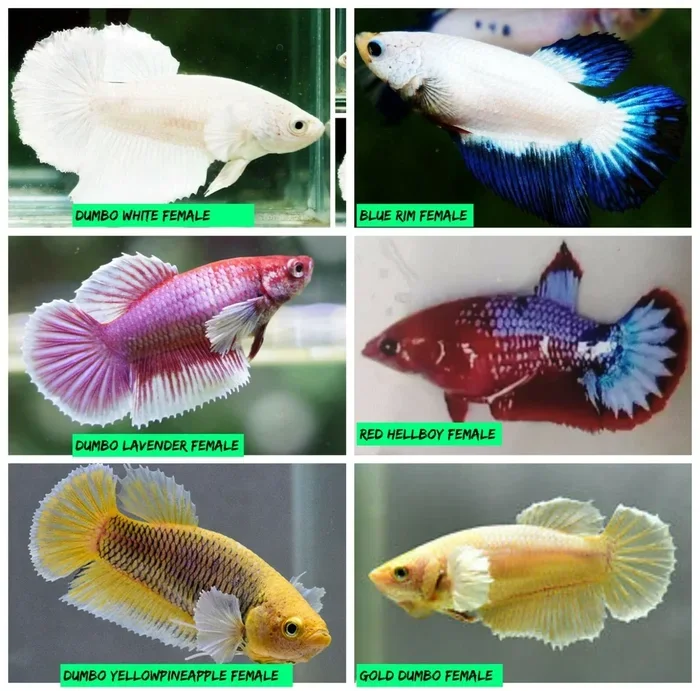
Female betta fish typically reach adulthood between 4 and 6 months of age. During this time, they go through distinct growth stages that every fish keeper should understand. Knowing when your female betta becomes an adult helps you provide the right care, diet, and tank setup for a long, healthy life.
Watching a female betta fish grow is one of the most rewarding experiences for any fish keeper. You start with a tiny fry, and before you know it, your fish is showing off vibrant colors and flowing fins. But how long does this journey take? How long until female betta fish reach adulthood?
The answer is more interesting than you might think. Female bettas don’t just magically become adults overnight. They go through several distinct growth stages, each with its own needs and milestones. Understanding these stages helps you give your fish the best possible care from day one.
In this guide, we will walk you through every stage of female betta development. You will learn what to expect, when to expect it, and how to support healthy growth along the way. Whether you are a beginner or a seasoned hobbyist, this guide has something valuable for you.
Key Takeaways
- Female betta fish reach adulthood around 4 to 6 months old.
- Growth stages include egg, fry, juvenile, and sub-adult phases.
- Signs of maturity include color development, fin growth, and egg spot visibility.
- Proper tank conditions and nutrition speed up healthy growth.
- Female bettas can live 3 to 5 years with good care after reaching adulthood.
- Breeding readiness comes shortly after adulthood is reached.
📑 Table of Contents
- Understanding Female Betta Fish Growth Stages
- When Do Female Betta Fish Reach Adulthood?
- Signs That Your Female Betta Has Reached Adulthood
- Factors That Affect Female Betta Growth
- How to Support Healthy Growth in Your Female Betta
- What Happens After Adulthood?
- Common Mistakes to Avoid During the Growth Phase
- How to Tell the Age of Your Female Betta
- Conclusion
Understanding Female Betta Fish Growth Stages
Female betta fish go through four main growth stages before reaching full adulthood. Each stage lasts a different amount of time and comes with unique changes. Let us break them down so you know exactly what to look for.
Stage 1: The Egg Phase (Days 1 to 3)
It all starts as an egg. Female bettas lay small, tiny eggs that are barely visible to the naked eye. These eggs are usually white or translucent and about the size of a grain of salt. During this phase, the eggs are extremely fragile and need a stable environment.
The water temperature should stay warm, ideally between 78 and 80 degrees Fahrenheit. Any sudden changes can harm the developing eggs. If you are breeding bettas, the male will typically guard the eggs during this early stage.
Stage 2: The Fry Phase (Days 4 to 4 Weeks)
After about 24 to 48 hours, the eggs hatch into fry. At this point, your baby bettas are incredibly tiny, often less than a quarter of an inch long. They still carry their yolk sacs, which provide them with nutrients for the first few days.
During the fry phase, your baby fish need very specific care:
- Feed them infusoria or liquid fry food for the first week.
- Keep the water immaculately clean with frequent small water changes.
- Maintain stable water temperature around 80 degrees Fahrenheit.
- Provide hiding spots like floating plants or mesh barriers.
Fry grow rapidly during this phase. Within the first two weeks, you will start to see tiny bodies forming and early signs of color beginning to appear.
Stage 3: The Juvenile Phase (Weeks 4 to 12)
By around four weeks old, your betta fry enters the juvenile stage. This is when things start to get really interesting. Your fish now has a recognizable body shape, and you can start to see the early development of fins.
Juvenile bettas are still quite small, usually around half an inch to three-quarters of an inch long. Their colors may be dull at this stage, but do not worry. The real vibration of color is still to come. During this phase, you can start transitioning them to larger foods like baby brine shrimp and crushed flakes.
This is also when you can begin to identify the sex of your fish. If you want to learn more about telling males from females, check out our guide on how to identify betta fish male or female. Spotting the differences early helps you plan your tank setup better.
Stage 4: The Sub-Adult Phase (Months 3 to 5)
The sub-adult phase is the bridge between juvenile and full adulthood. During this time, your female betta will start developing her adult colors more intensely. Her fins will grow longer and more defined. You may also notice the egg spot, which is a small white dot on the underside of the fish.
This is a crucial period for nutrition. Feeding high-quality foods like frozen bloodworms, daphnia, and premium pellets supports healthy development. Your fish’s immune system is still developing, so keeping water conditions stable is essential.
By the end of this phase, most female bettas are close to reaching full adulthood. But what exactly does adulthood look like? Let us find out.
When Do Female Betta Fish Reach Adulthood?
Female betta fish typically reach adulthood between 4 and 6 months of age. However, this timeline can vary based on several factors. Some females mature a bit faster, while others take a little longer. The key is to focus on your individual fish and its development rather than comparing it to others.
Here is a general timeline of what to expect:
- 4 months: Early signs of adult coloring and fin development.
- 5 months: Full color display and active behavior.
- 6 months: Considered fully mature and ready for breeding if desired.
Once your female betta reaches adulthood, her needs will shift slightly. Adult females require more space than juveniles. A tank of at least 5 gallons is recommended. You can learn more about tank size and lifespan in our article on how long do betta fish live in a tank.
Signs That Your Female Betta Has Reached Adulthood
How do you know for sure that your female betta has reached adulthood? There are several clear signs to watch for. These indicators help you confirm that your fish has completed its growth journey.
Vibrant Color Development
One of the most obvious signs of adulthood is the full development of vibrant colors. Juvenile bettas often look pale or washed out. As they mature, their colors deepen and become more vivid. You may see blues, reds, greens, and iridescent patterns that were not visible before.
Fin Growth and Shape
Adult female bettas have noticeably longer and more elegant fins compared to juveniles. The fins become more flowing and defined. While female bettas typically have shorter fins than males, adult females still display beautiful finnage that sets them apart from their younger selves.
Visible Egg Spots
The egg spot, also known as the ovipositor, is a small white dot located on the underside of the fish. This spot becomes more prominent as the female reaches adulthood. It is one of the clearest indicators that your betta is sexually mature and capable of breeding.
Behavioral Changes
Adult female bettas behave differently than juveniles. They become more confident and territorial. You may notice your fish flaring at her reflection or establishing a territory within the tank. This is completely normal and is a sign of a healthy, mature fish.
Body Size and Shape
A fully adult female betta has a rounder, more streamlined body compared to a juvenile. She will be visibly larger and more robust. Her body shape becomes more defined, and you can see the difference between her head, midsection, and tail area clearly.
Factors That Affect Female Betta Growth
Not all female bettas grow at the same rate. Several factors influence how quickly a betta reaches adulthood. Understanding these factors helps you create the best environment for your fish.
Water Quality
Clean, well-maintained water is the foundation of healthy growth. Ammonia and nitrite levels should always be at zero. Nitrate should stay below 20 parts per million. Regular water changes, about 25 percent weekly, keep the environment safe and promote steady growth.
Temperature and Tank Conditions
Betta fish are tropical fish and need warm water to thrive. The ideal temperature range is 76 to 82 degrees Fahrenheit. Water that is too cold slows down metabolism and growth. Water that is too hot causes stress and health problems. A reliable heater and thermometer are essential investments.
Nutrition and Diet
What you feed your betta directly impacts her growth rate. A varied diet rich in protein supports healthy development. Here are some excellent food options:
- High-quality betta pellets as the staple diet.
- Frozen or live brine shrimp for protein.
- Daphnia for digestive health.
- Bloodworms as an occasional treat.
- Mosquito larvae for natural enrichment.
Feeding small amounts twice a day is better than one large meal. Overfeeding can lead to bloating and water quality issues, both of which slow growth.
Tank Size and Space
Juvenile bettas can live in smaller containers, but as they grow, they need more space. A cramped tank causes stress, which slows development. Providing at least 5 gallons for an adult female gives her room to explore and stay healthy. This also supports a stable biological filter, which keeps water conditions consistent.
How to Support Healthy Growth in Your Female Betta
Now that you know the stages and factors, here are practical tips to help your female betta reach adulthood strong and healthy.
1. Start With a Proper Tank Setup
Even for young bettas, a properly cycled tank makes a huge difference. Use a gentle filter to avoid strong currents. Add live or silk plants for hiding spots. A soft substrate protects their delicate fins. These small details add up to a healthier, happier fish.
2. Maintain a Consistent Feeding Schedule
Bettas thrive on routine. Feed them at the same times each day. Offer variety in their diet to ensure they get all necessary nutrients. If you are unsure about portion sizes, remember that a betta’s stomach is roughly the size of its eye.
3. Monitor Water Parameters Regularly
Invest in a liquid test kit to check ammonia, nitrite, nitrate, and pH levels. Test the water at least once a week. Catching problems early prevents stress and illness that can stunt growth.
4. Quarantine New Fish
If you plan to introduce new fish to your tank, always quarantine them first. This prevents the spread of diseases that could harm your growing female betta. A quarantine tank also reduces stress for all fish involved.
5. Be Patient
Growth takes time. Some female bettas may look fully grown by four months, while others take closer to six or even seven months. Avoid comparing your fish to others online or at pet stores. Every betta grows at her own pace, and patience is key.
What Happens After Adulthood?
Once your female betta reaches adulthood, her care requirements shift slightly. Adult females are capable of breeding, but breeding should only be attempted by experienced keepers. Even if you do not plan to breed, understanding her adult needs is important.
Adult female bettas need a balanced diet, clean water, and mental stimulation. Adding gentle tank mates or providing enrichment like mirror reflections (in short sessions) keeps them active and engaged. Their lifespan after reaching adulthood is typically 2 to 3 years with excellent care.
Want to learn more about the full lifespan of female bettas? Our article on how long do female betta fish live covers this topic in detail.
As your betta ages, you may notice changes in her activity level and appetite. These are natural parts of the aging process. Providing a stress-free environment and high-quality nutrition throughout her adult years gives her the best chance at a long, happy life.
Common Mistakes to Avoid During the Growth Phase
Even well-meaning fish keepers make mistakes that can slow down growth or harm their bettas. Here are some common pitfalls to watch out for.
- Overcrowding the tank: Too many fish in a small space causes stress and slows growth.
- Feeding too much: Excess food fouls the water quickly and leads to health problems.
- Skipping water changes: Dirty water builds up toxins that stunt development.
- Using cold water: Bettas need warm water. Cold temperatures slow metabolism significantly.
- Ignoring early signs of illness: Catching health issues early prevents setbacks in growth.
Avoiding these mistakes gives your female betta the best possible start in life. Small adjustments in care make a big difference over time.
How to Tell the Age of Your Female Betta
If you have adopted a betta from a pet store and are unsure of her age, there are ways to estimate. The colors, fin length, and overall body condition all provide clues. Young bettas tend to have duller colors and shorter fins. Older bettas may show faded colors or slower movement.
For a more detailed guide on determining your betta’s age, check out our article on how to tell the age of a female betta fish. Knowing her approximate age helps you tailor her care to her specific life stage.
Conclusion
How long until female betta fish reach adulthood? The answer is typically 4 to 6 months. From tiny eggs to vibrant, fully grown females, the journey is fascinating and rewarding. By understanding the growth stages, providing proper nutrition, and maintaining excellent water quality, you set your betta up for a healthy and happy life.
Every female betta is unique. Some may mature faster, while others take a little more time. The most important thing is to provide consistent, loving care throughout every stage of development. Your patience and attention will pay off with a beautiful, thriving fish that brings joy to your home for years to come.
Remember, adulthood is not the end of the journey. It is the beginning of a new phase where your betta needs your support more than ever. Keep learning, keep observing, and enjoy every moment of this incredible experience.
Frequently Asked Questions
How long does it take for a female betta fish to fully mature?
Female betta fish typically reach full adulthood between 4 and 6 months of age. Some may mature slightly faster at around 3.5 months, while others take up to 7 months. Providing optimal care, nutrition, and water conditions helps support steady, healthy growth throughout this period.
What are the first signs that my female betta is reaching adulthood?
The first signs include vibrant color development, longer fins, and a more visible egg spot on the underside. You may also notice behavioral changes such as increased confidence and territorial flaring. These signs usually appear around the 4-month mark.
Can I breed my female betta right after she reaches adulthood?
While a female betta becomes capable of breeding after reaching adulthood, it is best to wait until she is at least 6 months old and in peak health. Breeding too early can stress a young fish and lead to complications. Always ensure she is well-fed and living in optimal conditions before attempting to breed.
Does tank size affect how fast a female betta grows?
Yes, tank size does play a role. A properly sized tank of at least 5 gallons supports stable water parameters, which promotes healthy growth. Overcrowded or too-small tanks cause stress and can slow down development. A clean, appropriately sized environment gives your betta the best chance to reach adulthood at a healthy pace.
How can I tell if my female betta’s growth is normal?
Normal growth shows as steady increases in size, color intensity, and fin length over several weeks. If your betta seems to stop growing or shows signs of lethargy, loss of appetite, or faded colors, check your water parameters and diet. Consulting a veterinarian experienced with fish can help identify any underlying issues.
What should I feed my female betta during the growth phase?
During the growth phase, offer a varied diet of high-quality betta pellets, frozen brine shrimp, daphnia, and occasional bloodworms. Feed small amounts twice a day to avoid overfeeding. A protein-rich diet supports healthy development and helps your betta reach adulthood strong and vibrant.