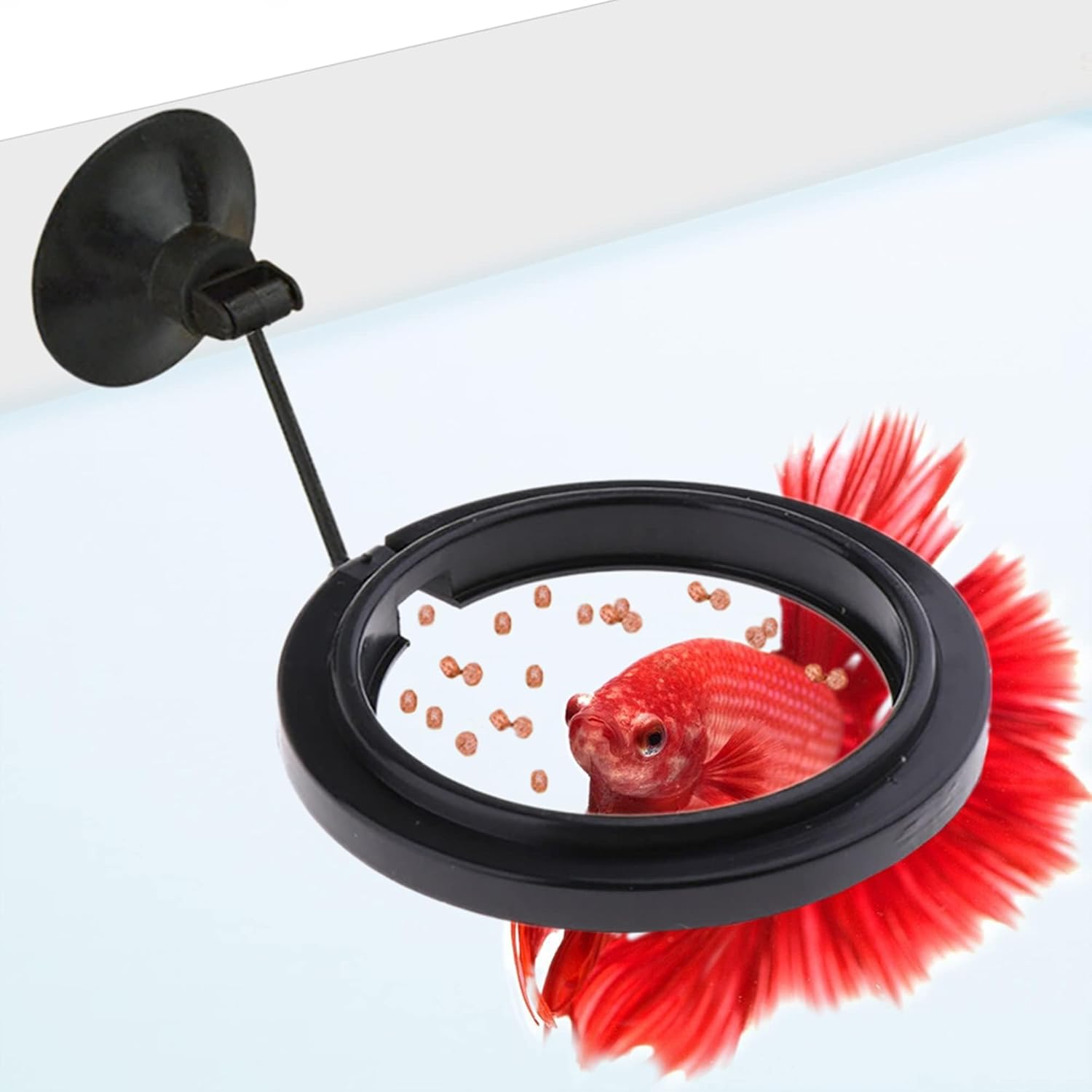
How Long to Feed a Pea to a Betta Fish

Feeding a pea to a betta fish should only take a few minutes per session, and you should offer it 1 to 2 times per week as a gentle laxative. The pea itself should sit in the tank for no longer than 2 to 3 hours before removal, regardless of whether your fish eats it. This simple practice helps prevent betta fish constipation and keeps your fish’s digestive system running smoothly.
Peas might seem like a strange food for a fish, but they are one of the most popular remedies in the betta fish world. If you have ever wondered how long to feed a pea to a betta fish, you are not alone. Many fish owners turn to peas when their betta is constipated or bloated. The answer is simpler than you might think. You only need to feed a pea for a few minutes at a time, and no more than once or twice a week.
In this guide, we will walk you through everything you need to know about feeding peas to betta fish. You will learn the exact timing, how to prepare them, how often to offer them, and what mistakes to avoid. Whether your betta needs constipation relief or you just want to add variety to proper betta nutrition, this article has you covered.
Key Takeaways
- Feed peas only 1 to 2 times per week: Overfeeding peas can cause diarrhea and nutrient imbalances in your betta.
- Remove uneaten peas within 2 to 3 hours: Leftover peas decompose quickly and pollute tank water.
- Always use shelled, softened peas: Frozen or canned peas work best after being thawed and cooked until soft.
- Peas act as a natural laxative: They help relieve constipation and bloating in betta fish effectively.
- Never feed raw or frozen whole peas: The hard shell poses a serious choking and digestive risk.
- Watch for signs of overfeeding: Bloating, lethargy, and cloudy water are red flags you should address immediately.
📑 Table of Contents
- Why Peas Matter for Betta Fish Digestive Health
- How Long to Feed a Pea to a Betta Fish
- Step-by-Step Guide to Preparing and Feeding Peas
- How Often Should You Feed Peas to Your Betta?
- Common Mistakes When Feeding Peas to Betta Fish
- Benefits of Peas for Betta Fish Health
- When NOT to Feed Peas to Your Betta
- Conclusion
Why Peas Matter for Betta Fish Digestive Health
Betta fish are carnivores by nature. They thrive on protein-rich diets like pellets, flakes, and live food. So why do we feed them peas? The answer lies in their digestive system. Peas contain fiber that helps move food through the gut. This fiber acts as a gentle laxative. It can relieve betta fish bloating and constipation fast.
The Fiber Factor
Peas are packed with dietary fiber. Bettas do not produce enough fiber on their own from a standard diet. When you add a soft, shelled pea, it helps regulate digestion. Think of it like adding roughage to a human diet. Without enough fiber, food can build up in the intestines. This leads to discomfort, swelling, and even serious health issues.
Constipation Relief That Actually Works
Constipation is one of the most common health problems in betta fish. It happens when food moves too slowly through the digestive tract. Signs include a swollen belly, difficulty swimming, and loss of appetite. A single softened pea can often solve this problem within hours. This is why so many fish keepers keep frozen peas on hand as part of their first aid kit.
How Long to Feed a Pea to a Betta Fish
The core question is how long to feed a pea to a betta fish, and the answer has two parts. First, there is the feeding session itself. Second, there is the time the pea should remain in the tank.
Feeding Session Duration
A single feeding session should last about 2 to 5 minutes. Drop the prepared pea into the tank and watch your betta. Most bettas will find the pea within a few minutes. If your fish eats it quickly, great. If not, remove the pea after 5 minutes. Do not leave it sitting in the water longer than necessary.
Maximum Time in the Tank
Never leave a pea in the tank for more than 2 to 3 hours. Uneaten peas break down fast. They release waste into the water, which spikes ammonia levels. High ammonia is dangerous for betta fish. It can damage gills and cause stress. Always remove leftover pea pieces promptly. This keeps your tank clean and your fish safe.
If you want to learn more about how much to feed a betta fish in general, check out our detailed guide on feeding portions and schedules.
Step-by-Step Guide to Preparing and Feeding Peas
Feeding a pea to your betta is easy once you know the steps. The preparation is the most important part. A poorly prepared pea can do more harm than good. Follow this simple process every time.
Step 1: Choose the Right Pea
Use frozen or canned green peas. Avoid fresh peas because they are too hard. Frozen peas are the most popular choice among betta keepers. Make sure the peas are plain. No salt, no seasoning, no added sauces. Shelled peas for betta fish are essential. You will remove the outer skin completely.
Step 2: Thaw the Pea
If you are using frozen peas, take one out and let it thaw at room temperature. This takes about 10 to 15 minutes. You can also place it in a small amount of tank water to speed up the process. Never use hot water. It destroys the nutrients and can cook the pea unevenly.
Step 3: Remove the Outer Shell
This step is critical. The outer skin of a pea is tough and rubbery. Bettas cannot digest it easily. It can cause blockages in the gut. Gently squeeze the thawed pea between your fingers. The soft inner part should pop out. Discard the skin completely. Only feed the soft green center.
Step 4: Soften the Pea Further
Some owners like to boil the pea for 1 to 2 minutes to make it extra soft. This is optional but helpful. A very soft pea is easier for your betta to eat and digest. After boiling, let it cool to room temperature before adding it to the tank.
Step 5: Feed Your Betta
Drop the pea into the tank. Use a fork or your fingers to press it slightly so it sinks. Bettas are surface feeders, but they will go down for a pea. Watch your fish eat. Remove any uneaten portion after 2 to 3 hours. You are now done with how long to feed a pea to a betta fish for that session.
If you are new to this and want more details on the full process, our article on how to feed a pea to a betta fish walks you through each step with photos and tips.
How Often Should You Feed Peas to Your Betta?
Frequency matters just as much as timing. Peas are not a staple food. They are a supplement. Using them too often can cause problems. Using them too rarely means you miss their benefits.
The Ideal Feeding Schedule
Feed peas to your betta 1 to 2 times per week. This is enough to support digestive health without causing side effects. On days you feed peas, skip or reduce the amount of regular pellets. Peas should not replace a balanced betta fish food alternative. They work best as a complementary treat.
Signs You Are Feeding Peas Too Often
Watch for these warning signs if you feed peas regularly:
- Loose or watery stool: Too much fiber causes diarrhea in bettas.
- Loss of interest in pellets: Your betta may start preferring peas over proper food.
- Cloudy or dirty water: Uneaten pea residue fouls the water quickly.
- Swelling or bloating: Ironically, too many peas can cause the same problem they are meant to fix.
If you notice any of these signs, stop feeding peas for a week or two. Return to a normal pellet-based diet. For more guidance on overall feeding frequency, see our article on how often to feed a betta fish.
Common Mistakes When Feeding Peas to Betta Fish
Even experienced fish keepers make mistakes with pea feeding. Learning what not to do is just as important as learning what to do. Here are the most common errors we see.
Mistake 1: Feeding the Whole Pea with Shell
The hardest mistake to correct is feeding a pea with its outer shell still on. The shell does not soften enough for a betta to eat. It can block the digestive tract. Always remove the shell completely. This single step prevents the vast majority of pea-related health issues.
Mistake 2: Leaving the Pea in the Tank Overnight
Some owners drop a pea in before bed and forget about it. This is a bad habit. Uneaten peas decay within hours. They release ammonia and nitrites into the water. By morning, your tank water quality could be dangerously low. Always remove leftovers the same day you feed them.
Mistake 3: Feeding Too Large a Pea
A whole pea is too big for most bettas. Cut it into small pieces or use only a quarter of a pea at a time. Your betta’s stomach is roughly the size of its eye. A large pea can fill it up quickly and cause discomfort. Proper betta nutrition means portion control.
Mistake 4: Using Salted or Seasoned Peas
Canned peas often contain added salt. Frozen peas are usually plain, but always check the label. Salt is harmful to betta fish in any amount. Only use unshelled, unseasoned, plain peas. If in doubt, buy frozen peas labeled with no added ingredients.
If you are concerned that your betta might have trouble eating peas, read our guide on can feeding a pea to a betta fish hurt them for more safety information.
Benefits of Peas for Betta Fish Health
When used correctly, peas offer real benefits. They are not just a quick fix for constipation. Regular, proper use of peas supports long-term betta fish digestive health.
Relieves Constipation Naturally
The fiber in peas pushes waste through the intestines. This relieves blockages gently and naturally. Unlike some medications, peas have no harsh side effects. They are safe for most bettas when prepared correctly.
Supports Healthy Swimming Behavior
Constipated bettas often swim erratically. They may float sideways or sink to the bottom. Once the blockage clears, normal swimming returns. A healthy digestive system means a more active, happy fish. Your betta will explore its tank and display natural behaviors more freely.
Adds Dietary Variety
Bettas can get bored with the same pellet diet every day. Peas offer a change of pace. This variety can stimulate appetite in picky eaters. Just remember that variety should never replace a balanced staple diet. Use peas as a supplement, not a replacement.
For more ideas on what to feed a betta fish without fish food, explore our comprehensive guide to alternative betta diets and safe human foods.
When NOT to Feed Peas to Your Betta
Peas are not right for every situation. Knowing when to skip them is just as important as knowing when to use them.
Avoid Peas If Your Betta Is Not Constipated
If your betta is eating well and swimming normally, there is no need to feed peas. Healthy fish do not need extra fiber. Over-supplementing can actually disrupt digestion. Only use peas as a targeted remedy, not as a daily routine.
Avoid Peas for Very Young or Sick Bettas
Baby bettas and fry need specialized food. Their digestive systems are still developing. Peas are too rich for them. Similarly, a severely ill betta may not be able to process peas properly. In these cases, consult a veterinarian or experienced fish keeper before offering any new food.
Avoid Peas as a Primary Food Source
Peas do not contain the protein bettas need to thrive. They are a fiber supplement, not a meal replacement. A diet heavy in peas will lead to malnutrition over time. Always prioritize high-quality betta pellets or flakes as the foundation of your fish’s diet.
For more on building a balanced meal plan, visit our guide on how many pellets to feed a betta fish to understand proper portion sizes.
Conclusion
How long to feed a pea to a betta fish comes down to a few simple rules. Feed for 2 to 5 minutes per session. Remove any uneaten pea within 2 to 3 hours. Offer peas only 1 to 2 times per week. Always shell and soften the pea before feeding. These steps keep your betta healthy and your tank water clean.
Peas are a powerful tool when used correctly. They relieve constipation, support digestion, and add variety to your betta’s diet. But they are not a substitute for a quality pellet-based diet. Think of peas as a helpful supplement, not a main course. Follow the guidelines in this article, and your betta will stay happy, active, and healthy for years to come.
Remember, every betta is different. Watch your fish closely after feeding peas. If you notice any unusual behavior or symptoms, adjust your approach. When in doubt, less is more. A small piece of soft, shelled pea once a week is all most bettas need to stay regular and healthy.
Frequently Asked Questions
How long should I leave a pea in my betta fish tank?
Leave the pea in the tank for no more than 2 to 3 hours. After that time, remove any uneaten pieces immediately. Peas decompose quickly and can raise ammonia levels, which is harmful to your betta. Always monitor your fish during feeding and take the pea out once your betta is done or the time limit is reached.
Can I feed my betta fish peas every day?
No, you should not feed peas to your betta every day. Peas are a supplement, not a staple food. Feeding them more than 1 to 2 times per week can cause diarrhea, bloating, and nutritional imbalances. Stick to a regular pellet or flake diet as the main food source and use peas only as an occasional digestive aid.
What kind of peas are safe for betta fish?
Frozen or canned green peas are the safest options. Always choose plain peas with no added salt, seasoning, or preservatives. Thaw frozen peas before feeding and remove the outer shell completely. The soft inner part of the pea is what your betta can safely eat and digest.
Do peas really help with betta fish constipation?
Yes, peas are one of the most effective natural remedies for betta fish constipation. The fiber in peas acts as a gentle laxative that helps move waste through the digestive tract. Many fish keepers report seeing improvement within hours of feeding a properly prepared pea. However, if constipation persists for more than a day or two, consult a vet.
Can feeding peas to a betta fish hurt them?
Peas are safe when prepared correctly, but they can cause harm if fed improperly. Always remove the outer shell, soften the pea, and feed only small portions. Feeding whole peas with shells or leaving them in the tank too long can lead to choking, blockages, or water quality problems. Follow proper preparation steps to keep your betta safe.
How do I know if my betta fish needs a pea?
Signs that your betta may benefit from a pea include a swollen belly, difficulty swimming, floating at the top of the tank, or refusing to eat. These are common symptoms of constipation or bloating. Offering a single prepared pea can help relieve these issues. If symptoms continue after feeding, seek advice from a fish health professional.