How Long Should Water Sit Before Adding Betta Fish
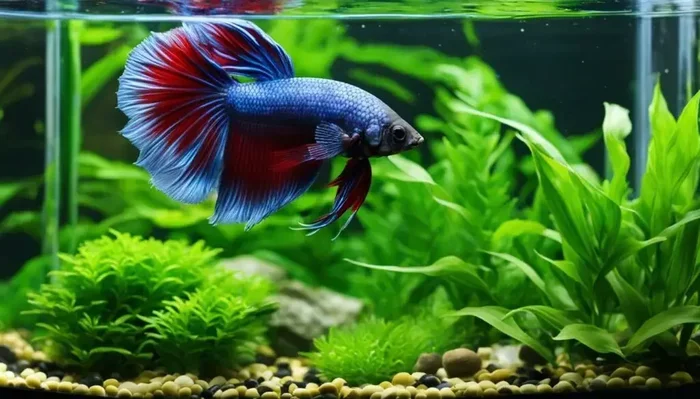
Water should sit for at least 24 hours before adding betta fish to allow chlorine and harmful gases to evaporate. Using a tap water conditioner can speed up the process and keep your betta fish water safe and clean.
Setting up a new tank or doing a water change is one of the most important parts of betta fish care. But many new fish owners make a simple mistake. They add their betta to water too quickly. The question “how long should water sit before adding betta fish” comes up a lot, and for good reason. The answer can mean the difference between a happy, healthy fish and a sick one.
Let’s break it all down. You’ll learn exactly why water needs to sit, how long to wait, and what else you can do to keep your betta fish water safe and clean.
Key Takeaways
- Wait 24 hours minimum: Letting water sit removes chlorine and harmful gases before it’s safe for betta fish.
- Use a water conditioner: A quality conditioner neutralizes chlorine instantly, saving you time and keeping your betta safe.
- Check water temperature: Betta fish thrive in warm water between 76-82°F, so temperature matters just as much as waiting time.
- Test water parameters: Always check pH, ammonia, and nitrite levels before introducing your betta to a new tank.
- Don’t skip the acclimation process: Gradually introducing your betta to new water prevents shock and stress.
📑 Table of Contents
- Why Does Water Need to Sit Before Adding Betta Fish?
- How Long Should Water Sit Before Adding Betta Fish?
- How to Properly Prepare Water for Your Betta Fish
- Common Mistakes People Make When Preparing Betta Water
- Quick Tips for Perfect Betta Water
- What Happens If You Add Betta Fish to Unconditioned Water?
- Expert Insight: How Professionals Prepare Water for Betta Fish
- Conclusion
Why Does Water Need to Sit Before Adding Betta Fish?
Water from the tap contains chemicals that are dangerous to fish. Most municipal water systems use chlorine or chloramine to kill bacteria in the water supply. These chemicals keep humans safe to drink but can be very harmful to betta fish. Even small amounts can damage your fish’s gills, skin, and fins.
When water sits uncovered, two important things happen. First, chlorine slowly evaporates into the air. Second, dissolved gases like carbon dioxide escape from the water. This process is called water settling. The result is water that is much safer for your betta fish tank.
But here is the thing. Sitting water alone does not remove chloramine. Many water treatment plants now use chloramine instead of chlorine because it lasts longer. Chloramine does not evaporate as easily. This is why using a dechlorinator or water conditioner is so important.
The Role of Dissolved Gases
When water sits, it also releases excess dissolved gases. Too much carbon dioxide in water can lower the pH. This creates an acidic environment that stresses betta fish. Letting water sit for 24 hours helps balance the water chemistry before your fish ever touches it.
Another gas to think about is nitrogen. When water sits, nitrogen bubbles can form. While not harmful in small amounts, too many nitrogen bubbles in a tank can cause gas bubble disease in fish. Letting water sit helps reduce this risk.
How Long Should Water Sit Before Adding Betta Fish?
The standard answer is 24 hours. This gives chlorine enough time to evaporate naturally. But the real answer depends on a few factors. Let’s look at them.
24 Hours: The Minimum Rule
For most tap water, 24 hours is the minimum. This is the safest and most widely recommended timeframe. During this time, the chlorine has time to dissipate. The water temperature also has time to reach room temperature or close to it.
If you are in a hurry, you can speed things up. But never skip the waiting period entirely. Even if you use a conditioner, letting water sit for a short time helps with gas release and temperature equalization.
48 Hours for Chloramine-Treated Water
If your local water supply uses chloramine, 24 hours might not be enough. Chloramine is more stubborn and takes longer to break down. Waiting 48 hours gives it more time to dissipate. But even then, you should still use a tap water conditioner to fully neutralize it.
You can find out what your water supply uses by checking your local water report. Most city water utilities publish this information online. It is free and easy to access.
Factors That Affect How Long Water Needs to Sit
Several things change how long water should sit. Here are the main ones to keep in mind:
- Water source: City tap water, well water, and bottled water all have different chemical profiles.
- Room temperature: Warmer rooms help chlorine evaporate faster than cold rooms.
- Surface area: Wide open containers let more gas escape than narrow bottles.
- Airflow: A gentle fan or open window speeds up chlorine removal.
- Water volume: Larger volumes take longer to fully treat than small amounts.
How to Properly Prepare Water for Your Betta Fish
Now that you know how long to wait, let’s talk about the full process. Preparing betta fish water is not just about waiting. It involves several steps to make sure the water is truly safe.
Step 1: Fill the Container
Start by filling a clean container with tap water. Use a bucket or a dedicated plastic container. Never use containers that previously held chemicals or cleaning products. Make sure the container is rinsed thoroughly before use.
Leave the container uncovered. This allows chlorine and other gases to escape into the air. Placing it near a window with indirect sunlight can help speed up the process. Just avoid direct sunlight, which can raise the temperature too much.
Step 2: Add a Water Conditioner
Even if you plan to let water sit for 24 hours, adding a water conditioner is a smart move. A good conditioner neutralizes chlorine, chloramine, and heavy metals instantly. It also adds beneficial slime coat protectants that help keep your betta’s skin healthy.
Follow the dosage instructions on the bottle. Most conditioners work with just a few drops per gallon. If you are unsure, check the label or visit the manufacturer’s website for guidance.
For more detailed instructions on using conditioner, check out our guide on how to use tap water conditioner for betta fish.
Step 3: Check the Temperature
Betta fish are tropical fish. They need warm water to stay healthy. The ideal temperature range is 76 to 82 degrees Fahrenheit. If your tap water is too cold, you need to warm it up before adding your betta.
Use an aquarium thermometer to check the temperature. If the water is too cool, you can gently warm it by placing the container in a warm room. Never use boiling water or a microwave. Sudden temperature changes can stress your fish.
If you need help keeping your tank at the right temperature, read our article on how to keep water warm for betta fish.
Step 4: Test the Water Parameters
Before adding your betta, test the water. You want to check for pH, ammonia, nitrite, and nitrate levels. These water parameters tell you if the water is safe for your fish.
You can buy simple test kits at most pet stores. Liquid test kits are more accurate than strip tests. Here is a quick reference:
- pH: Should be between 6.5 and 7.5
- Ammonia: Should be 0 ppm
- Nitrite: Should be 0 ppm
- Nitrate: Should be below 20 ppm
If any of these levels are off, you may need to adjust the water before adding your betta. For more on preparing water correctly, see our guide on how to prepare water for a betta fish.
Common Mistakes People Make When Preparing Betta Water
Even experienced fish keepers make mistakes. Here are the most common ones to avoid when preparing betta fish tank water.
Mistake 1: Using Water Straight from the Tap
This is the number one mistake new betta owners make. Tap water contains chlorine and chloramine that can harm or even kill your fish. Always let water sit or treat it with a conditioner first.
Mistake 2: Not Waiting Long Enough
Some people wait only a few hours and then add their betta. This is not enough time. Chlorine and chloramine need at least 24 hours to fully dissipate. Cutting corners here puts your fish at risk.
Mistake 3: Forgetting About Temperature
Cold water slows down a betta’s metabolism. Warm water that is too hot can cause stress. Always match the water temperature to the tank temperature before adding your fish.
Mistake 4: Skipping Water Tests
You might think the water looks clean, but appearances can be deceiving. Invisible chemicals and imbalances can still be present. Testing the water takes just a few minutes and can save your fish’s life.
Mistake 5: Using Soap or Cleaners on Containers
Never use soap, detergent, or any cleaning product on containers that will hold fish water. Residue from these products is toxic to betta fish. Stick to hot water and thorough rinsing when cleaning containers.
Quick Tips for Perfect Betta Water
Here are some fast tips to make your water preparation routine easier and more effective:
- Prepare water the night before. This gives it a full 24 hours to sit and settle.
- Use a conditioner every time. Even if the water has sat, a conditioner adds an extra layer of protection.
- Keep a dedicated water container. Having a container just for fish water keeps it clean and free from contaminants.
- Stir the water gently. This helps release dissolved gases faster during the sitting period.
- Keep a log. Write down water change dates and parameters. This helps you spot trends and problems early.
For regular water maintenance, our article on how often to change water for betta fish is a great resource to bookmark.
What Happens If You Add Betta Fish to Unconditioned Water?
Adding your betta to water that has not been properly treated can cause serious problems. The most immediate effect is gill damage. Chlorine burns the delicate gill tissue, making it hard for your fish to breathe.
Over time, exposure to untreated water weakens the immune system. A betta with a weakened immune system is more likely to get sick. Common diseases linked to poor water quality include fin rot, ich, and fungal infections.
In severe cases, adding betta fish to untreated water can be fatal. The fish may show signs of distress within hours. These signs include gasping at the surface, clamped fins, loss of color, and lethargy. If you notice any of these symptoms after a water change, act fast.
For guidance on saving a betta after a bad water change, read our article on how to save dying betta fish after water change.
Expert Insight: How Professionals Prepare Water for Betta Fish
Professional aquarists and betta breeders follow a strict routine. They never add fish to water without treating it first. Most use a two-step process. First, they let water sit for at least 24 hours. Second, they add a quality water conditioner before introducing any fish.
Many pros also pre-mix water the night before a water change. This ensures the water is at the right temperature and chemistry by morning. It also removes the stress of rushing the process on the day of the change.
The key takeaway from experts is simple. Patience and preparation go a long way. Taking a few extra minutes to prepare water properly can add years to your betta fish’s life. The average betta fish lifespan is 3 to 5 years, and proper water care plays a big role in reaching that range.
For more on betta fish lifespan, check out our guide on how long a betta fish live.
Conclusion
So, how long should water sit before adding betta fish? The answer is at least 24 hours. This waiting period allows chlorine to evaporate and dissolved gases to escape. It also gives the water temperature time to stabilize.
But waiting alone is not enough. Always use a water conditioner to neutralize harmful chemicals. Test your water parameters before adding your fish. And never rush the process. Your betta fish depends on you to provide safe, clean water.
Taking the time to prepare water properly is one of the simplest and most important things you can do as a betta owner. Your fish will be healthier, happier, and more active. And you will have peace of mind knowing you gave your betta the best start possible.
Frequently Asked Questions
Can I add my betta fish to water after just 1 hour?
No, one hour is not enough time. Chlorine and chloramine need at least 24 hours to dissipate from tap water. Adding your betta too soon can cause gill damage and stress. Always wait the full 24 hours or use a water conditioner to neutralize harmful chemicals.
Does boiling water remove chlorine faster?
Yes, boiling water for 10 to 20 minutes can remove chlorine quickly. However, boiling does not remove chloramine. You should still let boiled water cool to the right temperature before adding your betta. Never add hot water directly to your tank.
Can I use bottled water for my betta fish?
Bottled water can work, but it depends on the type. Distilled or purified water lacks minerals that betta fish need. Spring water may contain minerals but can also have unknown additives. Always test bottled water parameters before using it in your betta fish tank.
How do I know if my tap water is safe for betta fish?
The safest way to know is by testing your water with a liquid test kit. Check for chlorine, chloramine, ammonia, and pH levels. Even if your water looks clear, it may still contain harmful chemicals. Using a conditioner every time you add water is the best protection.
Should I let water sit in the tank or in a separate container?
It is better to let water sit in a separate container. This gives you more control over the process. You can test the water, adjust the temperature, and add conditioner before it ever enters the tank. It also prevents disturbing your betta’s environment.
What is the best water conditioner for betta fish?
Look for a conditioner that removes chlorine, chloramine, and heavy metals. Many popular brands also add protective slime coats and stress coat additives. For specific product recommendations and usage tips, visit our guide on how to use tap water conditioner for betta fish.