Can Betta Fish Breed Without Bubble Nest

Betta fish usually build a bubble nest to protect their eggs, but under the right conditions they can still breed without one. Understanding the reasons, recognizing signs, and providing proper care can help you raise healthy fry even when the nest is missing.
Key Takeaways
- Bubble nests are not mandatory: Breeding can occur without a nest, though survival rates drop.
- Water quality is crucial: Clean, warm, and slightly acidic water compensates for the lack of a nest.
- Male behavior matters: A healthy, experienced male will still guard and fan eggs even without bubbles.
- Egg placement is key: Providing flat surfaces or plant leaves gives eggs a safe spot.
- Stress reduction improves success: Quiet tanks, proper lighting, and minimal handling help both parents.
- Nutrition influences outcomes: High‑protein foods boost stamina for both male and female during spawning.
- Backup plans help: Having a spare tank or a net ready can rescue stray eggs that drift away.
📑 Table of Contents
- Introduction: Why the Bubble Nest Gets All the Attention
- 1. The Role of the Bubble Nest in Natural Breeding
- 2. Can Betta Fish Actually Breed Without a Bubble Nest?
- 3. Preparing the Tank for Nest‑Less Breeding
- 4. The Breeding Process Without a Nest
- 5. Caring for the Eggs and Fry
- 6. Troubleshooting Common Problems
- Conclusion: Embracing Flexibility in Betta Breeding
Introduction: Why the Bubble Nest Gets All the Attention
When you think of betta breeding, the first image that pops up is usually a frothy, white dome floating on the water’s surface. That’s the bubble nest, a hallmark of the male’s dedication to his future offspring. Most hobbyists believe the nest is the “must‑have” for any successful breeding attempt. While it certainly improves the odds, the reality is a bit more nuanced.
In this article we’ll answer the burning question: can betta fish breed without bubble nest? We’ll explore the science behind the nest, what happens when it’s absent, and step‑by‑step tips to give your fry the best chance of survival. Whether you’re a first‑time breeder or a seasoned enthusiast, you’ll find practical advice you can start using today.
1. The Role of the Bubble Nest in Natural Breeding
What the nest actually does
The bubble nest acts like a floating cradle. The male betta blows bubbles coated with saliva, creating a sticky surface that keeps the eggs together and at the water’s surface. This location gives the eggs access to oxygen‑rich water and protects them from bottom‑dwelling predators.
Why some males stop building nests
Stress, poor water parameters, or age can cause a male to abandon nest building. If you’ve ever wondered why did my betta fish stop making bubble nest, the answer often lies in one of these factors. A stressed male may still attempt to spawn, but the lack of a nest changes the dynamics.
2. Can Betta Fish Actually Breed Without a Bubble Nest?
Scientific observations
Researchers and experienced hobbyists have documented successful breeding events where the male never produced a nest. In these cases, the female releases eggs, and the male immediately fertilizes them. The eggs then drift to the nearest surface—often a leaf, a piece of slate, or even the tank lid.

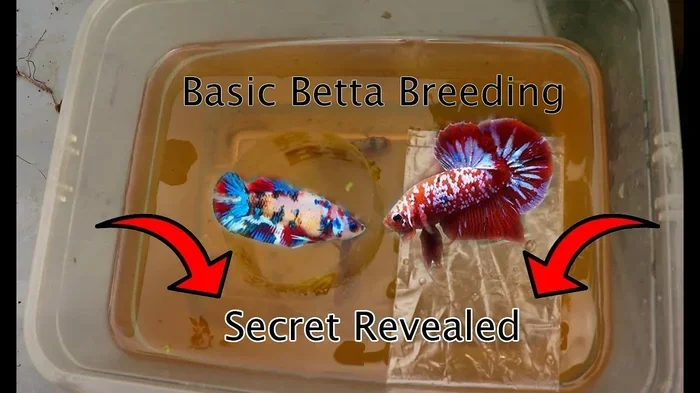
Visual guide about Can Betta Fish Breed Without Bubble Nest
Image source: awe.edu.vn
Survival rates compared to nest‑based breeding
Without a nest, egg mortality can rise from the usual 20‑30 % to as high as 70 %. The main culprits are:
- Insufficient oxygen at the bottom of the tank.
- Eggs being eaten by the parents or tiny invertebrates.
- Physical damage from water currents.
That said, with careful intervention you can still raise healthy fry.
3. Preparing the Tank for Nest‑Less Breeding
Water parameters are your best friend
Keep the water between 78‑80 °F (25‑27 °C) and a pH of 6.5‑7.0. Soft water (4‑6 dGH) mimics the betta’s natural habitat and reduces stress.
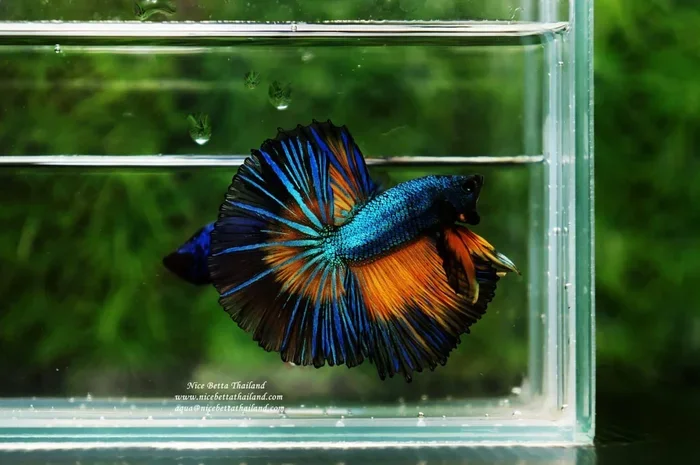
Visual guide about Can Betta Fish Breed Without Bubble Nest
Image source: c.pxhere.com
Choosing the right breeding container
A small 5‑gallon “breeder” tank works well. Fill it with a shallow layer of fine sand or smooth river rock. Add a few broad‑leaf plants (like Java fern) or a piece of slate that can serve as a natural egg‑laying platform.
Providing alternative egg‑attachment sites
If the male isn’t making bubbles, the eggs need somewhere to stick. Place a clean, flat leaf or a piece of smooth plastic near the water surface. The eggs will often adhere to the underside of the leaf.
4. The Breeding Process Without a Nest
Introducing the pair
Put the female in a clear container (a “breeding box”) inside the tank for a few days. This lets the male see her and become territorial without the risk of premature aggression.
Spawning trigger
After 24‑48 hours, gently lower the container into the water. The female will usually display a vertical “T‑position” where she presses against the male’s side. This is the cue for the male to release sperm.
Egg fertilization and placement
Even without bubbles, the male will fan the water with his fins, keeping the eggs in suspension long enough to be fertilized. Once fertilized, the eggs will settle onto the nearest surface—your leaf, slate, or tank lid.
5. Caring for the Eggs and Fry
Removing the parents (optional)
Many breeders choose to remove the male after spawning to prevent him from eating stray eggs. If you do this, use a soft net and transfer him to a separate “recovery” tank.
Ensuring proper oxygenation
Turn on a gentle air stone or a low‑flow filter set to “bypass” so it creates a soft current. This mimics the oxygen‑rich environment the nest would normally provide.
Feeding the fry
Within 24‑48 hours, the fry will absorb their yolk sacs. After that, start offering microworms or infusoria several times a day. Keep the water clean; frequent 20‑30 % water changes help prevent fungal growth.
6. Troubleshooting Common Problems
Eggs sinking and rotting
If you notice eggs clumping at the bottom, gently move them to a floating leaf using a soft paintbrush. This simple action can save up to 50 % of the clutch.
Male attacks the female after spawning
Some males become aggressive once the eggs are laid. Have a spare tank ready so you can quickly relocate the female.
Fry not hatching
Check temperature and water quality. A drop of 2 °F can delay hatching by a day or two. Also, ensure the eggs weren’t exposed to ammonia spikes during the spawning event.
Conclusion: Embracing Flexibility in Betta Breeding
So, can betta fish breed without bubble nest? The short answer is yes, but the long answer is that success requires extra attention to water conditions, egg placement, and parental behavior. By understanding why a male might skip the nest—whether due to stress, age, or environmental factors—you can adapt your breeding setup accordingly.
Remember, the bubble nest is a natural tool, not a legal requirement. With the right preparation, you can still enjoy the wonder of watching tiny betta fry hatch and grow, even when the bubbles never form.
Frequently Asked Questions
Can betta fish still fertilize eggs without a bubble nest?
Yes. The male will still release sperm and fan the water, allowing fertilization to occur even if no bubbles are present.
What should I do if my betta stops building a bubble nest?
Check water temperature, pH, and ammonia levels. Reduce stress by providing hiding spots and limiting tank traffic. See why did my betta fish stop making bubble nest for more details.
Is it safe to keep the parents together after spawning?
It can be risky. Some males will eat stray eggs or become aggressive toward the female. Many breeders remove the male after spawning to protect the clutch.
Do I need a filter in a nest‑less breeding tank?
A gentle, low‑flow filter or air stone helps oxygenate the water, which is especially important when no bubble nest is present.
Can I use a plant leaf as an alternative to a bubble nest?
Absolutely. A broad, healthy leaf provides a surface for eggs to stick and offers some protection from predators.
How long does it take for betta fry to hatch without a bubble nest?
Eggs usually hatch within 24‑36 hours at 78‑80 °F, similar to nest‑based breeding. The main difference is the higher risk of egg loss.