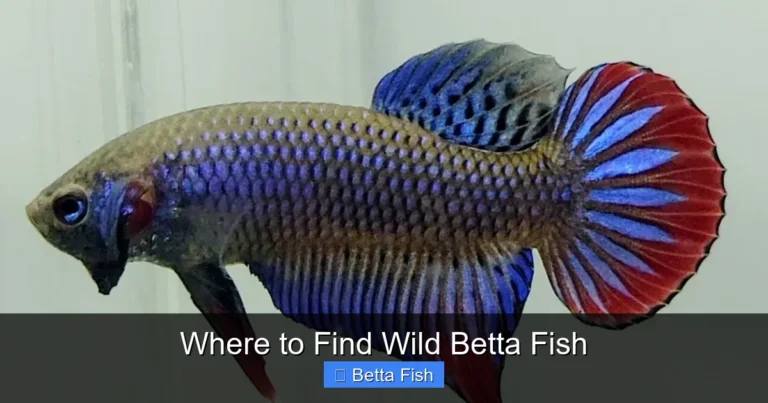
How Long Do It Take Male Betta Fish Tail Baby

Male betta fish tail babies go through an amazing transformation from tiny fry to full-grown warriors. It typically takes 4 to 6 months for a male betta fry to develop its signature flowing tail. Understanding the growth timeline helps you provide the right care at every stage. Patience and proper nutrition are key to raising a healthy betta with a magnificent tail.
Key Takeaways
- Tail development timeline: Male betta fry start showing tail growth around 2-3 weeks and develop full fins by 4-6 months.
- Nutrition matters: High-quality food and proper feeding schedules directly impact how fast and how well a baby betta’s tail grows.
- Water conditions are critical: Clean, warm water (78-82°F) supports healthy growth and prevents disease in fragile fry.
- Genetics play a role: Some betta varieties naturally grow slower or have different tail shapes that affect development speed.
- Separate early: Remove male fry from the breeding tank quickly to prevent aggression and ensure safe growth.
📑 Table of Contents
Understanding Betta Fish Fry Growth
Raising baby betta fish is one of the most rewarding experiences in the aquarium hobby. Those tiny, transparent fry that swim around the breeding tank will eventually grow into stunning fish with flowing fins and bold colors. But the journey from fry to full-grown betta is not instant.
Male betta fish are famous for their long, dramatic tails. But when does that tail actually start to grow? And how long does the whole process take? Let us break it all down for you.
Betta fry growth happens fast compared to many other fish species. Within the first few weeks, you will start to see real changes. The key is knowing what to look for and giving your baby betta the right environment to thrive.
Male bettas develop their signature tails differently than females. Males grow longer, more colorful fins that make them the stars of any aquarium. Understanding this development timeline is essential for every betta owner.
What Happens Right After Hatching
After eggs hatch, baby bettas are called fry. They are incredibly small, often less than a quarter of an inch long. At this stage, they do not have visible tails yet. They feed off their yolk sacs for the first few days.
Once the yolk sac is used up, you need to start feeding them. Live foods like infusoria or baby brine shrimp work best. This early nutrition sets the stage for betta fish development in the weeks ahead.
For more details on the hatching timeline, check out this guide on how long betta fish eggs take to hatch.
The Timeline of Male Betta Fish Tail Development
So, exactly how long does it take for a male betta fish tail baby to fully develop? The answer depends on several factors, but here is a general breakdown of what to expect.
Week 1 to Week 2: The Beginning
In the first two weeks, your fry is barely visible. Growth is slow and the tail is not yet distinguishable. The fry is still very fragile and needs warm, clean water to survive. Most of the energy goes into basic body formation at this point.
You will notice the fry starting to swim more actively. This is a good sign. Their bodies are building the foundation for future growth. Do not rush to change anything at this stage. Keep water conditions stable and feed small amounts frequently.
Week 3 to Week 4: First Signs of Tail
This is when things get exciting. Around the 3-week mark, you should start to see the first hints of fin growth. The tail might look like a small, translucent nub at the back of the fry. It is barely there, but it is a start.
Betta fry tail growth becomes more obvious as the weeks pass. The fins begin to extend outward. You might also start to see color patterns emerging. Male fry often show hints of their future coloration earlier than females.
By the end of the fourth week, the tail is starting to take shape. It is still short, but the distinctive betta fin structure is becoming clear. At this point, you can often tell males from females by how their fins are developing.
Month 2 to Month 3: Rapid Growth Phase
The second and third months are when male betta tail development really kicks into high gear. The tail grows longer and more defined every week. Your fry will start to look more like a miniature version of an adult betta.
Color intensification also happens during this period. Fins become more vibrant, and the body takes on the characteristic shape of a betta fish. Feeding high-quality food is especially important now. The fry need protein and nutrients to support rapid fin growth.
This is also the stage where you might want to consider upgrading to a larger tank. A 5-gallon tank is ideal for growing bettas. It gives them room to swim and develop properly. Learn more about tank size and lifespan in our article on how long betta fish live in a 5-gallon tank.
Month 4 to Month 6: Full Tail Formation
By 4 to 6 months, most male bettas have developed their full, impressive tails. The fins are long, flowing, and show the characteristic colors and patterns of their variety. This is when your betta starts to look like the fish you fell in love with.
Some betta varieties, like halfmoon or plakat, may reach full tail development at slightly different speeds. Halfmoon bettas tend to have more dramatic tails that keep growing for longer. Plakat bettas have shorter fins but may develop them faster in some cases.
The tail is usually fully formed by 6 months, but color deepening can continue for months after that. A mature male betta can keep getting more vibrant for years. For more on how long bettas live overall, read our comprehensive guide on how long betta fish live.
| Growth Stage | Timeframe | What to Expect |
|---|---|---|
| Hatchling | Week 1-2 | Tiny fry, no visible tail, feeding on yolk sac |
| Early Fry | Week 3-4 | First signs of tail, color patterns emerging |
| Juvenile | Month 2-3 | Rapid tail growth, increased color intensity |
| Sub-Adult | Month 4-6 | Full tail formation, mature body shape |
| Adult | 6+ Months | Complete color and tail development |
Factors That Affect Baby Betta Tail Growth
Not all betta fry grow at the same speed. Several factors influence how quickly and how well a male betta develops its tail. Understanding these factors helps you give your fish the best chance at a full, healthy tail.
Nutrition and Feeding
Food is the biggest factor in betta fish growth rate. Fry need small, frequent meals of high-quality food. Here are the best options for growing betta fry:
- Baby brine shrimp: Excellent protein source, promotes fast growth.
- Infusoria: Great for the first few days after the yolk sac is gone.
- Micro worms: Another live food option that supports healthy development.
- High-quality fry flakes: Convenient option, but live food is generally better.
Feeding too much is just as bad as feeding too little. Overfeeding leads to dirty water, which can stunt growth and cause disease. Feed small amounts 2-3 times a day and remove any uneaten food promptly.
Water Temperature and Quality
Betta fish temperature plays a huge role in growth speed. Warm water (78-82°F) boosts metabolism and supports faster growth. Keep the temperature consistent with a reliable heater. Cold water slows everything down and can make your betta sick.
Clean water is equally important. Ammonia and nitrite spikes are deadly for fragile fry. Do regular water changes (20-30% every few days) and always cycle your tank before adding fish. Good water conditions prevent disease and support steady betta fish fry stages of development.
Genetics and Breed Quality
Genetics determine the maximum potential of your betta’s tail. A betta from champion breeding lines will likely grow a more impressive tail than one from average stock. Some varieties are also genetically programmed to grow faster or slower.
For example, Crowntail and Halfmoon bettas have different tail structures. Their growth rates and final tail sizes will naturally differ. Do not compare your betta’s development to a different variety. Compare it to others of the same type for accurate expectations.
Tank Size and Environment
A cramped tank limits growth. Baby bettas need space to swim and explore. Small containers restrict movement and can lead to stunted development. As your betta grows, upgrade to a larger tank progressively.
Adding hiding spots and plants also helps reduce stress. Stressed bettas grow slower and are more prone to illness. A well-planned tank setup promotes healthy betta fish care and supports full tail development.
How to Support Healthy Tail Growth in Baby Bettas
Now that you know the timeline and factors, let us talk about what you can do to help your baby betta grow a beautiful tail. These practical tips will make a real difference.
Start with a Proper Breeding Setup
If you are breeding bettas, the initial setup matters. Use a separate breeding tank with warm water and gentle filtration. A sponge filter is ideal because it does not create strong currents that can tire out fry. After the eggs hatch, remove the male from the breeding area. This prevents aggression and gives the fry the best chance of survival.
For tips on raising male bettas, our guide on how to take care of a betta male fish has helpful advice.
Feed a Varied Diet
Variety in food leads to better growth. Rotate between different protein sources to give your fry balanced nutrition. Live foods should be the staple, but frozen and freeze-dried options work well too. Just make sure to thaw frozen food before feeding.
As your betta grows, gradually increase the size of the food particles. This encourages the fry to develop strong eating habits and supports steady growth. Do not rely on a single food type alone. A varied diet produces healthier, more colorful bettas with better tail development.
Monitor Growth Regularly
Keep track of your fry’s progress. Take photos every week to document changes. This helps you spot problems early. If a fry is not growing or looks weak, separate it from the group. Weak fish need extra attention and better feeding to catch up.
Watch for signs of disease like lethargy, loss of color, or clamped fins. Early treatment prevents bigger problems. Quarantine sick fish immediately to protect the rest of the group.
Maintain Stable Conditions
Sudden changes in water parameters stress your betta and slow growth. Always acclimate new fish slowly. Keep lighting consistent and avoid placing the tank in areas with temperature swings. Stable conditions promote steady development and a strong, flowing tail.
Common Mistakes to Avoid with Baby Betta Fish
Even experienced hobbyists can make mistakes when raising betta fry. Here are the most common errors that hurt tail growth and overall health.
- Overcrowding the tank: Too many fry in a small space leads to competition for food and poor water quality. Separate fast growers from slower ones to give everyone a fair chance.
- Feeding the wrong food: Crushed adult flakes are too large for newborn fry. Use appropriately sized food. Switch to larger food as the fry grows.
- Ignoring water changes: Dirty water is the number one killer of baby bettas. Do not skip water changes. Clean, warm water is non-negotiable for healthy growth.
- Keeping fry in cold water: Cold water slows metabolism and weakens the immune system. Always use a heater to maintain 78-82°F. This supports optimal betta fish tail growth.
- Adding tank mates too early: Baby bettas are best raised alone. Even small tank mates can bully or outcompete fry. Wait until your betta is fully grown before considering companions.
Quick Tips for Faster Tail Development
- Keep water temperature at 80°F for slightly faster growth.
- Feed live food at least twice a day during the juvenile phase.
- Perform 30% water changes every 3 days for the first two months.
- Use a black background behind the tank to enhance color and tail appearance.
- Avoid handling the fry. Use a net if you need to move them.
Expert Insights on Betta Fry Development
Experienced betta breeders agree that patience is the most important trait when raising fry. Most male bettas reach their full tail potential by 6 months, but some keep developing for up to a year. The first 3 months are the most critical. This is when the foundation for tail size and color is built.
Professional breeders also emphasize the importance of selective feeding. Not all fry grow equally. The strongest and fastest growers often become the best adults. Culling weaker fry early gives the best specimens more resources and space to thrive. While it sounds harsh, it is standard practice in the breeding world.
Another expert tip is to pay attention to fin shape early. If a fry develops bent or damaged fins, it may not grow a proper tail. Early intervention with clean water and good food can sometimes correct minor issues. But genetic defects are permanent. Focus on raising fish with the best natural potential.
Conclusion
So, how long does it take for a male betta fish tail baby to fully grow? The answer is typically 4 to 6 months, but the entire journey from egg to adult is a fascinating process. From the first tiny fry with no visible tail to a stunning fish with flowing fins, every stage has its own charm.
Betta fish development depends on nutrition, water quality, genetics, and environment. You can control most of these factors as a fish owner. Give your baby betta the best food, clean warm water, and plenty of space. The result will be a healthy fish with a magnificent tail that you can be proud of.
Remember, every betta is unique. Some may grow faster or slower than average. Do not compare your fish to others and enjoy the journey. With patience and proper care, your male betta will reward you with a beautiful display of color and fin that makes the wait worthwhile.
Frequently Asked Questions
How long does it take for a male betta fry to grow its tail?
Male betta fry typically start showing tail growth around 2-3 weeks after hatching. The tail reaches full length and shape by 4 to 6 months of age. Full color development may continue beyond that.
What should I feed my baby betta to help tail growth?
Feed baby bettas live foods like baby brine shrimp, micro worms, and infusoria. As they grow, you can introduce crushed flakes and frozen foods. A varied, protein-rich diet supports the fastest and healthiest tail development.
Can a baby betta’s tail growth be stunted?
Yes. Poor water quality, incorrect temperature, underfeeding, and overcrowding can all stunt tail growth. Making sure your betta has clean, warm water and proper nutrition is essential to prevent growth problems.
How can I tell if my betta fry is male or female?
It is hard to tell in the first few weeks. By 3-4 weeks, male fry often show faster fin development and longer tail nubs. Color differences also appear over time. You can usually confirm the sex by 2-3 months when males start showing more dramatic fins.
What water temperature is best for betta fry growth?
The ideal temperature for betta fry is between 78°F and 82°F. Keeping the water at around 80°F supports a healthy metabolism and promotes steady growth. Use a reliable heater and thermometer to maintain consistent conditions.
Do male betta tails keep growing after 6 months?
The tail reaches its full physical size by about 6 months, but color intensity can keep improving for months or even years. Some bettas also get slightly fuller fins as they mature. Proper care and good genetics contribute to the best results.