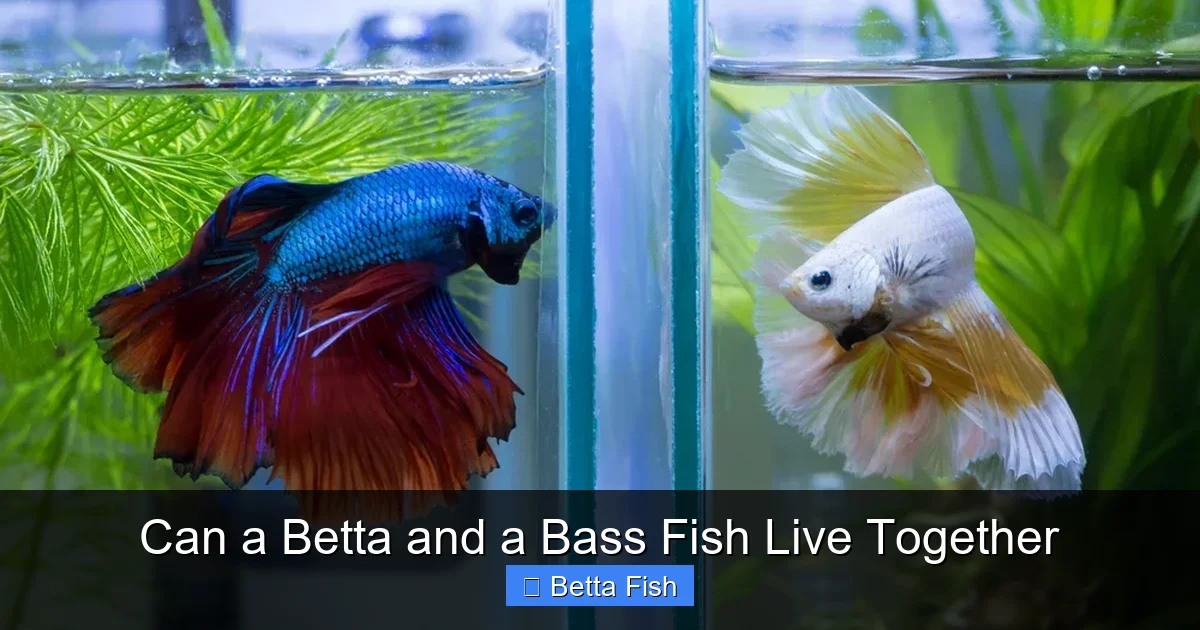
Can a Betta and a Bass Fish Live Together
Betta fish and bass are very different in size, temperament, and water needs, making cohabitation risky. In most cases they should be kept separate, but with the right species of bass, ample space, and careful monitoring, a limited setup may work.
Key Takeaways
- Size mismatch: Most bass grow far larger than bettas, leading to predation or stress.
- Temperament clash: Bass are active swimmers and can out‑compete a betta for territory.
- Water parameters differ: Ideal pH, temperature, and hardness for bass often conflict with betta requirements.
- Tank size matters: A minimum of 30‑gallon tank is needed to give both species enough room.
- Species selection is key: Only very small, peaceful “dwarf” bass may be compatible.
- Monitoring is essential: Daily observation for signs of stress or aggression can prevent tragedy.
- Alternative companions: Consider other peaceful community fish that share the betta’s water preferences.
📑 Table of Contents
- Introduction: Why the Question Comes Up
- 1. Understanding the Basics of Betta and Bass Biology
- 2. Water Parameter Compatibility
- 3. Tank Size and Layout Considerations
- 4. Species Selection: Which Bass Might Work?
- 5. Practical Steps If You Decide to Try
- 6. Safer Alternatives: Better Tank Mates for Betta Fish
- Conclusion: The Bottom Line
Introduction: Why the Question Comes Up
Anyone who has ever set up a community aquarium knows the excitement of mixing colors, shapes, and personalities. A betta’s flamboyant fins and a bass’s sleek, silvery body seem like a match made in fish‑keeping heaven. Yet, the question “can a betta and a bass fish live together?” is more than a curiosity—it’s a safety test for both animals.
In this article we’ll break down the biological differences, explore the water‑parameter puzzle, and give you a clear answer with practical steps. By the end, you’ll know whether to share a tank, how to set it up safely, or which better‑suited tank mates to consider instead.
1. Understanding the Basics of Betta and Bass Biology
Betta fish: the “Siamese fighting fish”
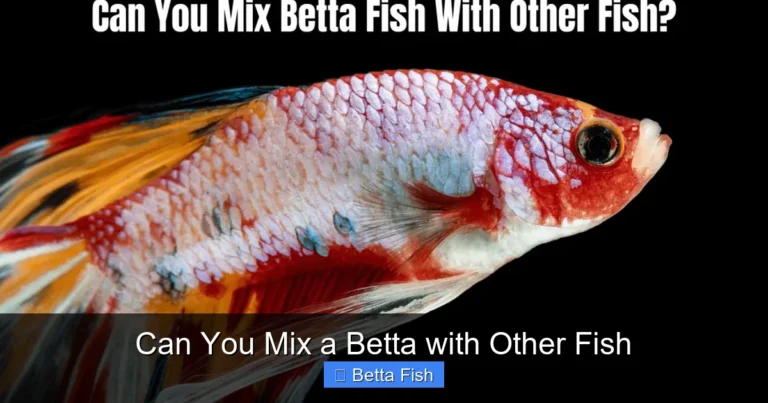
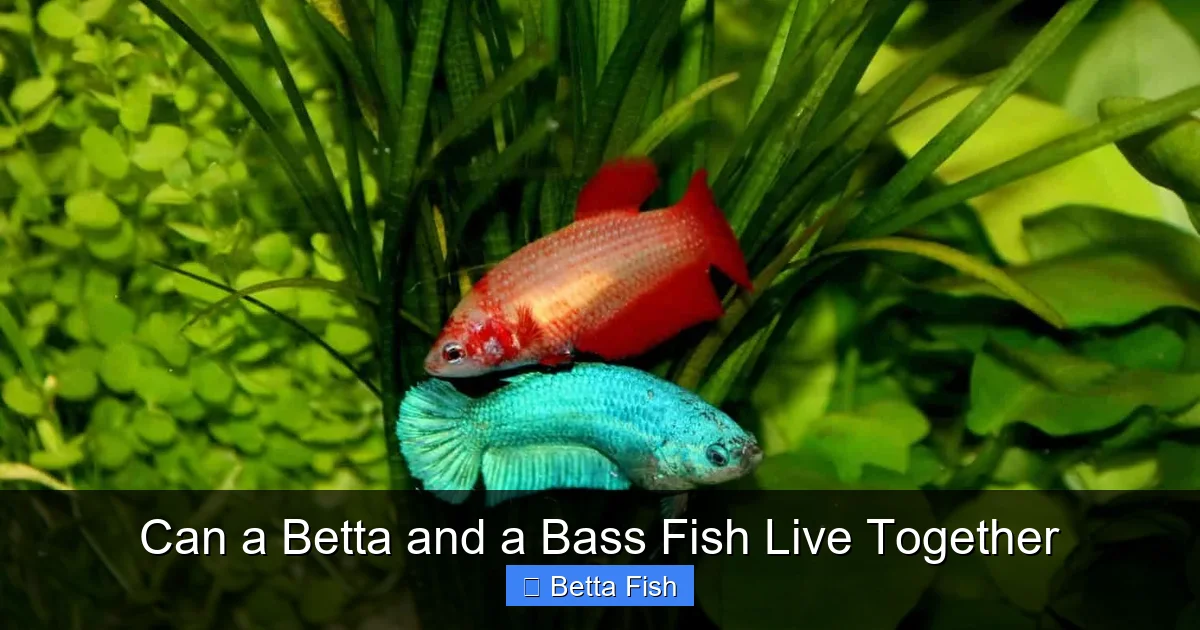
Betta splendens are native to shallow, warm waters of Thailand and Cambodia. They thrive at 76‑82°F (24‑28°C), prefer soft to moderately hard water (pH 6.5‑7.5), and are notorious for their aggressive nature toward other males and similarly‑colored fish.
Visual guide about Can a Betta and a Bass Fish Live Together
Image source: fishlab.com
Bass fish: a diverse group
The term “bass” covers many species, from the tiny dwarf cichlid‑type “dwarf bass” (often called “dwarf gourami” by hobbyists) to the large, predatory largemouth bass (Micropterus salmoides). Most true bass prefer cooler water (68‑78°F or 20‑26°C) and harder, more alkaline conditions (pH 7.0‑8.0). Their size can range from a few inches to over a foot, dramatically larger than a betta.
Key biological differences
- Size: A typical betta reaches 2‑3 inches, while even the smallest “dwarf bass” can grow to 4‑5 inches.
- Activity level: Bass are active mid‑water swimmers; bettas are surface dwellers that like to rest among plants.
- Diet: Both are carnivorous, but bass will often chase and eat smaller fish.
2. Water Parameter Compatibility
Temperature
Betta fish love warm water (76‑82°F). Most bass, especially the true freshwater bass, are comfortable in the low 70s. Trying to keep both at a middle ground (around 74°F) may stress the betta, whose metabolism slows, and may not be ideal for a bass that prefers cooler water.
Visual guide about Can a Betta and a Bass Fish Live Together
Image source: a-z-animals.com
pH and Hardness
Betas thrive in slightly acidic to neutral water (pH 6.5‑7.5) with soft to medium hardness. Bass often prefer neutral to slightly alkaline water (pH 7.0‑8.0) and harder conditions. Adjusting water chemistry to suit both can be a juggling act and may lead to unstable parameters.
Filtration and Flow
Betas are accustomed to relatively still water; strong currents can exhaust them. Bass, on the other hand, enjoy moderate water movement. A compromise is a gentle filter with a spray bar that creates a mild flow without creating a torrent.
3. Tank Size and Layout Considerations
Why space matters
In a cramped environment, aggressive or predatory fish will quickly dominate. For a potential “betta‑and‑bass” community, a minimum of 30‑gallon (113‑liter) tank is recommended. This provides enough vertical space for the bass to swim and enough surface area for the betta to claim a territory.

Visual guide about Can a Betta and a Bass Fish Live Together
Image source: bettacarefishguide.com
Creating distinct zones
- Surface zone: Add floating plants or a leafy canopy where the betta can rest.
- Mid‑water zone: Provide open swimming space for the bass with tall plants or driftwood to break line of sight.
- Bottom zone: Use smooth rocks and substrate for natural foraging.
Hiding places and visual barriers
Strategic placement of plants, caves, and decorations reduces stress by giving each fish a place to retreat. This is especially vital for the betta, which can become territorial if constantly in view of a larger, faster swimmer.
4. Species Selection: Which Bass Might Work?
Dwarf or “mini” bass varieties
Some hobbyists refer to the “dwarf bass” (often actually dwarf gourami or certain small cichlids) as a possible match because they stay under 4 inches and are relatively peaceful. However, they are not true bass and have similar water needs to bettas, making them a safer choice.
True bass to avoid
Large mouth bass, striped bass, and other predatory bass grow too big and are natural hunters. They will almost certainly view a tiny betta as food.
Decision matrix
| Species | Max Size | Temperament | Water Preference | Compatibility Rating |
|---|---|---|---|---|
| Dwarf “bass” (small cichlid‑type) | 4‑5 in | Peaceful‑Semi | Warm, soft | Medium‑High |
| Largemouth Bass | 20‑30 in | Predatory | Cool, hard | Very Low |
| Striped Bass | 30‑40 in | Active predator | Cool, alkaline | Very Low |
5. Practical Steps If You Decide to Try
Step 1: Quarantine both fish
Before introducing any new fish, quarantine them for at least two weeks. This prevents disease transfer and allows you to observe each fish’s health.
Step 2: Set up the tank with zones
Arrange plants, driftwood, and rocks to create separate territories. Use a gentle filter and a heater that can maintain a stable 76°F – the sweet spot for the betta.
Step 3: Gradual introduction
Place the bass in the tank first and let it establish a home base. After 24‑48 hours, introduce the betta in a breeder box. Observe for any signs of stress—fin nipping, frantic swimming, or loss of color.
Step 4: Monitor daily
Watch feeding behavior. Feed the bass a sinking pellet or frozen shrimp in the mid‑water, and give the betta its usual floating pellets or daphnia at the surface. If the bass tries to chase the betta, it’s time to separate them.
Step 5: Have a backup plan
Always be ready with a separate quarantine tank or a larger community tank where the betta can be moved if tensions rise.
6. Safer Alternatives: Better Tank Mates for Betta Fish
If the compatibility hurdles feel too high, consider these proven companions that share the betta’s water preferences and temperament:
- Neon tetras – small, fast swimmers that stay in the mid‑water.
- Corydoras catfish – peaceful bottom dwellers.
- Harlequin rasboras – bright, schooling fish that ignore the betta.
These species thrive at the same temperature and pH as bettas, making a harmonious community much easier to maintain.
Conclusion: The Bottom Line
In short, the answer to “can a betta and a bass fish live together?” is **generally no**, especially with true, larger bass species. The size, temperament, and water‑parameter differences create a high‑risk environment. However, if you select a very small, peaceful dwarf bass‑type, provide a large, well‑planted tank, and commit to vigilant monitoring, a limited cohabitation can be attempted.
For most hobbyists, the safest and most enjoyable route is to choose tank mates that naturally align with the betta’s needs. This reduces stress, prevents predation, and lets you enjoy the vibrant colors of your betta without worry.
Frequently Asked Questions
Can a betta live with a small dwarf bass?
Yes, if the dwarf bass stays under 4‑5 inches, is peaceful, and the tank is at least 30 gallons with plenty of hiding spots, they can sometimes coexist.
What temperature should I set for both fish?
Aim for 76°F (24°C), which is comfortable for bettas and tolerable for many small bass varieties, though it is slightly warm for larger bass.
Will a betta attack a bass?
Betas are territorial and may flare at larger fish that enter their space, but they rarely attack larger, faster swimmers. The bigger risk is the bass seeing the betta as food.
How often should I check water parameters?
Test pH, temperature, and hardness at least twice a week during the initial weeks of cohabitation, then weekly once the system stabilizes.
Can I keep a betta with other community fish instead?
Absolutely. Small, fast‑moving, non‑aggressive fish like neon tetras, harlequin rasboras, and Cory catfish are proven companions for bettas.
What signs show my betta is stressed?
Look for faded colors, clamped fins, constant hiding, or frantic surface swimming. If any appear, consider re‑homing the betta to a separate tank.