How Long Do Betta Fish Live Up To

The how long do betta fish live up to question is one of the most common among new fish owners. On average, bettas live between three and five years, but with the right care, some can reach seven years or more. Understanding their needs for tank size, water quality, diet, and environment plays a huge role in extending their lifespan.
Key Takeaways
- Average Lifespan: Most betta fish live three to five years, with exceptional care pushing them to seven or beyond.
- Water Quality Matters: Clean, warm water between 76 and 82 degrees Fahrenheit is essential for longevity.
- Tank Size Counts: A minimum five-gallon tank provides stability that small bowls cannot offer.
- Diet Affects Lifespan: A protein-rich, balanced diet prevents obesity and supports a longer, healthier life.
- Females Often Live Longer: Female bettas tend to outlive males by a few months on average.
- Wild Bettas Live Shorter Lives: Environmental challenges in the wild reduce their lifespan to two to three years.
- Consistent Care Wins: A simple daily routine of feeding, observing, and maintaining water quality adds months to your betta’s life.
📑 Table of Contents
Understanding Betta Fish Lifespan
When you bring a betta fish home, one of the first things you want to know is how long do betta fish live up to. The answer depends on several factors, but most bettas live between three and five years in captivity. Some well-cared-for bettas can even reach seven years old, which surprises many new fish owners.
The average betta fish lifespan ranges from three to five years. This might sound short, but a lot depends on how you care for your fish day to day. Many people assume bettas are short-lived, but that is not always the case. With proper tank setup, good food, and clean water, you can significantly extend your betta’s life.
The key is understanding what bettas need to thrive. Genetics play a role, but environment matters just as much. A fish kept in a healthy, clean tank with a balanced diet will almost always outlive one kept in poor conditions. Let us explore what really goes into giving your betta a long and happy life.
What Affects the Lifespan of Betta Fish
Several factors determine how long your betta will live. These include water quality, tank size, diet, genetics, and stress levels. Think of it this way: you control most of these variables. That means you have real power to influence your fish’s longevity. A betta fish kept in a stable, clean environment with proper nutrition simply has a better chance of living longer.
Genetics also play a role. Some bettas are simply hardier than others. Fish from reputable breeders tend to have stronger genes than those from mass breeding facilities. However, even the best genetics cannot overcome poor living conditions. This is why tank maintenance and water quality are so important.
Factors That Affect How Long Do Betta Fish Live Up To
Water Quality and Temperature
Water quality is the single biggest factor in your betta’s lifespan. Betta fish are tropical creatures that need warm, clean water to stay healthy. The ideal temperature range is between 76 and 82 degrees Fahrenheit. If the water drops below 74 degrees, your betta can become stressed and more prone to illness.
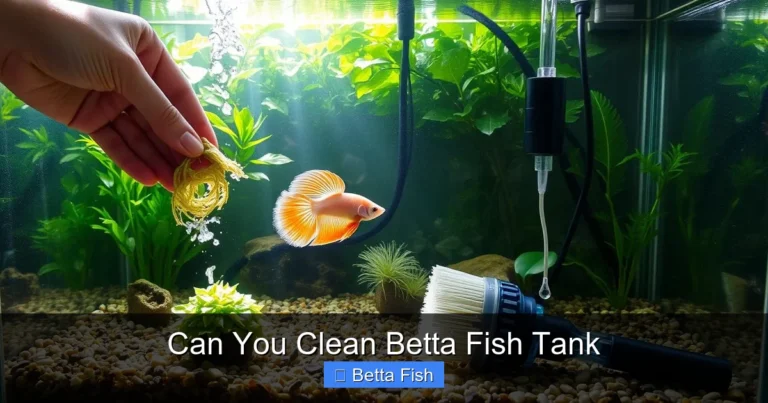
Ammonia and nitrite levels should always be at zero. Nitrate levels should stay below 20 parts per million. Regular water testing helps you catch problems early. Betta fish living in a well-maintained tank consistently outlive those in neglected tanks. Small water changes of 25 to 30 percent every week make a big difference.
Here are the key water parameters to monitor:
- Temperature: 76 to 82 degrees Fahrenheit
- pH Level: 6.5 to 7.5
- Ammonia: 0 ppm
- Nitrite: 0 ppm
- Nitrate: Below 20 ppm
Keeping these levels stable creates a safe environment where your betta can thrive. A proper filtration system helps maintain clean water, but it does not replace regular water changes. Think of filtration as a helper, not a replacement for maintenance.
Tank Size and Habitat
Many people keep bettas in tiny bowls, but this seriously limits their lifespan. A minimum tank size of five gallons is recommended for a single betta. Larger tanks, like ten or twenty gallons, give your fish more room to swim and explore.
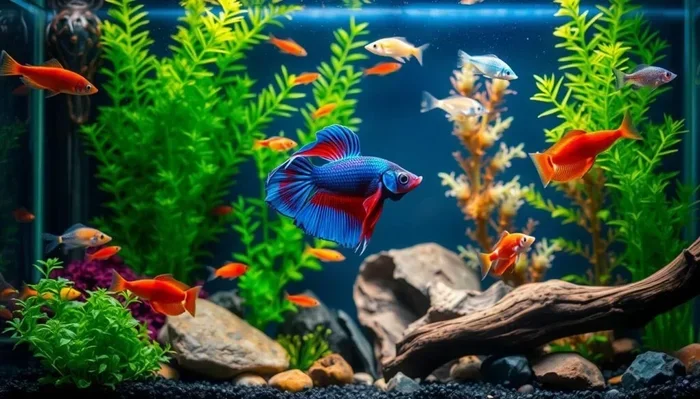
A bigger tank also means more stable water parameters. In a small bowl, toxins build up quickly. In a larger tank, the water stays cleaner longer. Adding plants, hiding spots, and gentle filtration creates a betta fish habitat that mimics their natural environment.
Quick Tip: Avoid sharp decorations. Betta fish have delicate fins that can tear easily. Choose smooth rocks, soft substrate, and live or silk plants. A well-designed aquarium tank gives your fish both physical and mental stimulation, which reduces stress and promotes a longer life.
Wild vs Captive Betta Fish Lifespan
In their natural habitat, bettas face many challenges that shorten their lifespan. Wild bettas live in shallow rice paddies, marshes, and slow-moving streams in Southeast Asia. These environments are unpredictable, with fluctuating temperatures, pollution, and predators.
Wild betta fish typically live only two to three years. Their shorter lifespan is driven by disease, predation, and harsh environmental conditions. They do not have the luxury of filtered water or scheduled meals.
Captive bettas, on the other hand, benefit from stable conditions, regular feeding, and care when needed. This is why most pet bettas live longer than their wild counterparts. Understanding this difference helps you appreciate the role you play in your fish’s quality of life.
| Factor | Wild Betta | Captive Betta |
|---|---|---|
| Average Lifespan | 2 to 3 years | 3 to 5 years (up to 7) |
| Water Conditions | Unfiltered, variable | Filtered, heated, stable |
| Food Source | Inconsistent | Regular, balanced |
| Predators | High risk | None |
| Disease Exposure | High | Low with proper care |
| Stress Levels | Chronic | Manageable |
This comparison shows why captive care makes such a big difference. You control almost every variable that affects your betta’s health and betta fish longevity.
Diet and Nutrition for a Longer Life
Best Foods for Betta Fish
Diet plays a huge role in how long your betta lives. In the wild, bettas are carnivores that eat insects, larvae, and small crustaceans. In captivity, they need a protein-rich diet that mimics what they would find in nature.
High-quality betta pellets should form the foundation of their diet. Look for pellets where the first ingredient is whole fish or fish meal. You can also offer frozen or live foods like brine shrimp, bloodworms, and daphnia as treats. A varied diet keeps your fish healthy and engaged.
Here are the best food options for betta fish:
- Betta pellets: The staple food, fed daily
- Frozen brine shrimp: A protein-rich treat, fed two to three times per week
- Bloodworms: Great for variety but should be given sparingly
- Daphnia: Helps with digestion and adds nutritional variety
Feeding Schedule and Portions
Overfeeding is one of the most common mistakes betta owners make. Bettas have small stomachs, roughly the size of their eye. Feeding them too much can lead to bloating, constipation, and obesity. These conditions shorten their lifespan significantly.
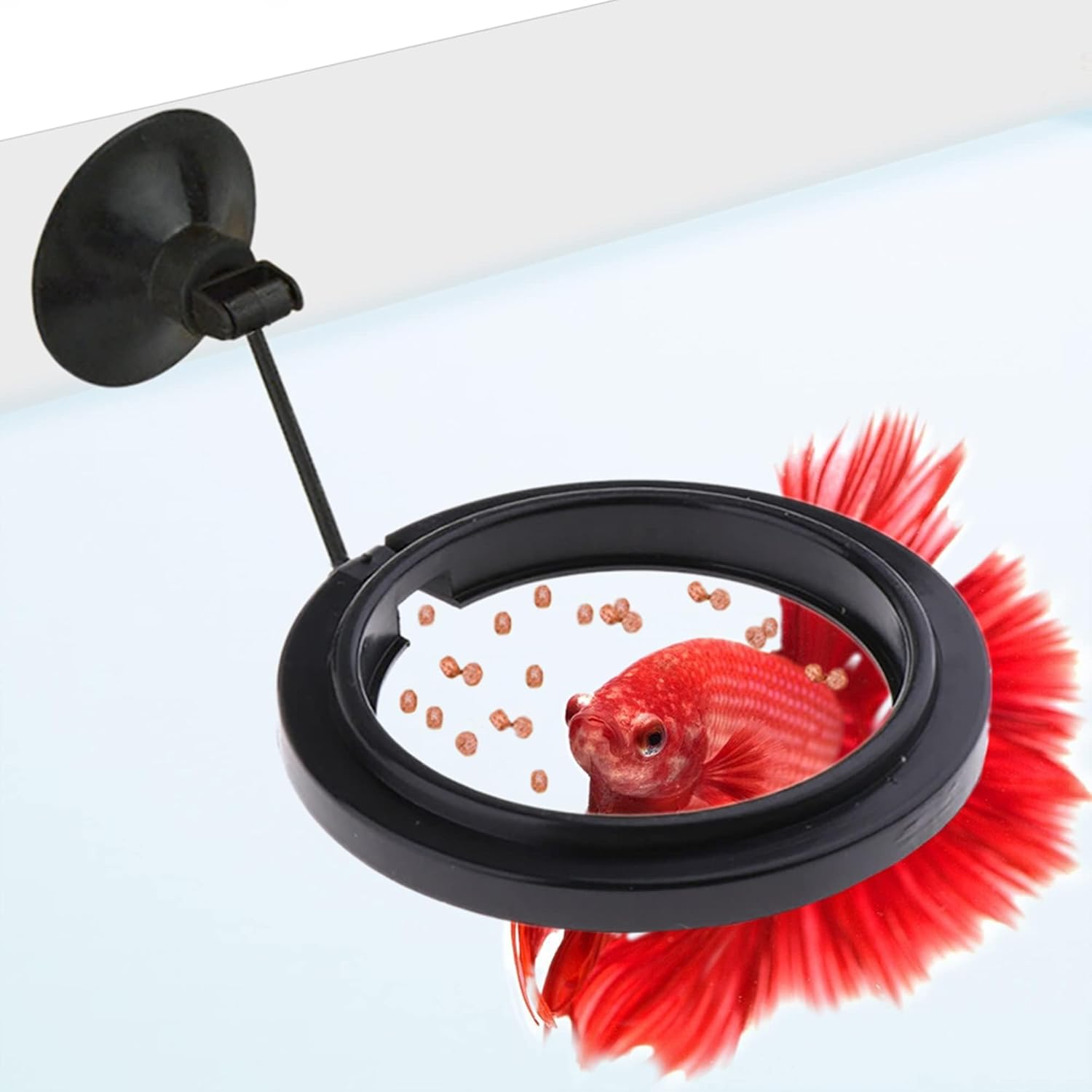
Feed your betta two small meals per day. Each meal should be about two to three pellets. Skip one feeding day per week to help their digestive system reset. This simple habit can add months to your betta’s life. Also, always soak frozen foods before feeding to prevent digestive issues.
Expert Insight: A balanced betta fish diet is the easiest way to add years to your fish’s life. It costs very little and takes almost no extra time, but the benefits are enormous.
Common Health Issues That Shorten Lifespan
Recognizing Early Warning Signs
Betta fish are hardy, but they are not immune to disease. Knowing the early signs of illness can make the difference between a quick recovery and a tragic loss. The sooner you spot a problem, the better your chances of treating it successfully.
Watch for these warning signs:
- Clamped fins: Fins held close to the body signal stress or pain
- White spots: Often a sign of ich, a common parasitic infection
- Loss of color: Fading color can indicate stress or poor health
- Labored breathing: Rapid gill movement may mean low oxygen or ammonia poisoning
- Lethargy: Spending most of the time at the bottom or hiding
Catching these signs early gives you time to act. Quick treatment can save your betta’s life. Keep a basic betta fish first aid kit on hand with medications for common issues like ich and fin rot.
Preventive Care Tips
Prevention is always better than cure. A few simple habits can keep your betta healthy for years. First, always quarantine new fish before adding them to your main tank. This prevents the spread of diseases. Second, keep the tank clean with regular water changes. Third, avoid sudden temperature changes. Fourth, provide enrichment like gentle plants and hiding spots to reduce stress.
A calm, stable environment is the best medicine you can give your fish. Stress weakens the immune system and makes bettas vulnerable to illness. By keeping their surroundings peaceful and predictable, you are giving them the best chance at a long, healthy life.
Male vs Female Betta Fish Lifespan
When people ask about how long do betta fish live up to, they often wonder if gender matters. The answer is yes, to some extent. Female bettas tend to live slightly longer than males on average.
Female betta fish typically live four to five years, while males often live three to four years. The difference is not huge, but it is consistent across many studies and keeper experiences.
Why do females tend to live longer? Several factors contribute. Males are often more colorful and have longer fins, which makes them more vulnerable to fin damage and infections. Males are also more prone to territorial aggression, which causes chronic stress. Females, while they can be territorial too, generally handle group settings better in sorority tanks.
That said, individual care matters more than gender. A well-kept male betta can easily outlive a neglected female. Focus on providing the best conditions regardless of your fish’s sex. The how long do betta fish live up to answer is the same for both: excellent care equals a longer life.
Practical Tips to Maximize Your Betta’s Lifespan
Daily Care Routine
Consistency is key when it comes to extending your betta’s life. Here is a simple daily routine to follow:
- Feed properly: Give two small meals per day. Do not overfeed.
- Check temperature: Make sure the tank stays between 76 and 82 degrees Fahrenheit.
- Observe behavior: Spend a minute watching your betta for any signs of stress or illness.
- Check equipment: Make sure the filter and heater are working properly.
This routine takes less than five minutes a day but pays off enormously in the long run. Think of it as brushing your teeth for your fish. Small, consistent actions prevent big problems down the road.
Common Mistakes to Avoid
Even well-meaning owners can shorten their betta’s life by making common mistakes. Here are the ones to watch out for:
- Keeping bettas in bowls: Bowls are too small and lack proper filtration. Always use at least a five-gallon tank.
- Ignoring water changes: Even with a filter, regular water changes are essential. Aim for 25 percent weekly.
- Overfeeding: This leads to obesity and water quality problems. Stick to small portions.
- Using cold water: Betta fish are tropical and need warm water. Cold water weakens their immune system.
- Housing males together: Two male bettas will fight, often to the death. Always keep males separate.
Avoiding these mistakes gives your betta the best possible chance at a long, healthy life. Each mistake is preventable with a little knowledge and effort.
Key Takeaways for Betta Fish Owners
The how long do betta fish live up to question comes down to one simple truth: care makes all the difference. You cannot control genetics, but you control the environment, the diet, and the daily routine. These are the levers you pull to give your betta the longest possible life.
Start with a proper tank setup. Maintain clean water. Feed a balanced diet. Watch for warning signs. Keep stress low. These five actions alone can add years to your betta’s life. It is not complicated, but it does require consistency.
Conclusion
So, how long do betta fish live up to? The answer is largely in your hands. With the right tank setup, clean water, proper diet, and regular monitoring, your betta can live five years or more. Some dedicated owners have even celebrated seven-year milestones with their fish.
The betta fish lifespan is not set in stone. Every choice you make, from tank size to food quality, shapes your fish’s future. Take the tips from this article and put them into practice. Your betta will thank you with years of vibrant, colorful companionship. Start today, and give your fish the best chance at a long, happy life.
Frequently Asked Questions
Can betta fish live up to 10 years?
It is very rare for betta fish to live past seven years. The average lifespan is three to five years, and reaching seven is considered exceptional. Proper care, a large tank, and excellent water quality are the best ways to maximize your betta’s lifespan.
Why do betta fish in pet stores die so quickly?
Pet store bettas often suffer from poor living conditions, including small cups, cold water, and inconsistent feeding. Many pet stores keep bettas in stressful environments that weaken their immune systems. When you bring one home and provide proper care, their lifespan increases significantly.
Does tank size really affect how long betta fish live?
Yes, tank size has a direct impact on lifespan. A five-gallon tank or larger provides stable water parameters and room for swimming. Small bowls lead to rapid toxin buildup and stress, both of which shorten your betta’s life. Investing in a proper tank is one of the best things you can do.
What is the oldest a betta fish has ever lived?
The oldest recorded betta fish lived to around seven or eight years old. This is extremely rare and required exceptional care, including pristine water conditions, a balanced diet, and a stress-free environment. Most bettas will not reach this age, but excellent care can push the upper limits.
How can I tell if my betta fish is aging?
Signs of aging in betta fish include fading color, slower movement, reduced appetite, and longer rest periods. Their fins may also appear more fragile. These changes are natural, but you can support an older betta by offering easily digestible food and keeping the tank environment calm and clean.
Do betta fish live longer in planted tanks?
Yes, planted tanks can help bettas live longer. Live plants help absorb harmful chemicals like nitrate and ammonia. They also provide hiding spots that reduce stress. A well-planted tank creates a more natural and stable environment, which benefits your betta’s overall health and longevity.