How Do You Know When Your Betta Fish Is Hungry
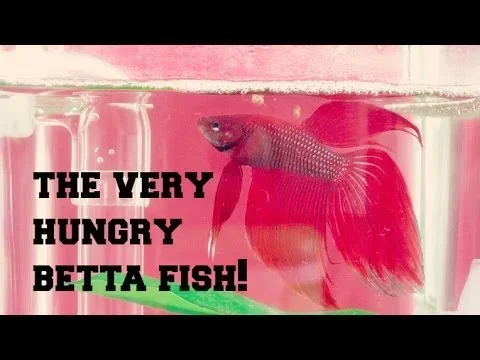
Knowing when your betta fish is hungry is essential for their health and well-being. Bettas show clear hunger signs like begging at the glass, increased activity near the surface, and lip-licking behavior. Understanding these cues helps you establish the right feeding routine and avoid common mistakes like overfeeding or underfeeding your beloved fish.
If you own a betta fish, you have probably wondered at some point, “Is my fish hungry?” It is one of the most common questions new betta owners ask. Bettas are expressive little creatures, and they will let you know when it is mealtime. But understanding their hunger cues takes a bit of observation and patience. In this guide, we break down every sign that tells you your betta is ready to eat.
Feeding your betta fish the right way starts with recognizing hunger. Too much food can harm your fish, and too little can leave them weak and unhappy. By learning the subtle and not-so-subtle signs of hunger, you can create a feeding routine that keeps your betta thriving. Whether you are a complete beginner or a seasoned fish keeper, this guide has practical tips you can use today.
Key Takeaways
- Bettas show obvious hunger signs: Begging at the glass, lip-licking, and increased swimming to the top are clear indicators your fish wants food.
- Feeding frequency matters: Adult bettas do best with 1-2 small meals per day, while younger fish need more frequent feedings.
- Overfeeding is a real danger: Bettas have small stomachs, and excess food can cause serious health problems like swim bladder disease.
- Behavior changes signal hunger or fullness: Learning to read your betta’s body language helps you feed them the right amount every time.
- A consistent feeding schedule builds trust: Your betta will learn when mealtime comes and show excitement at predictable times.
📑 Table of Contents
Why Recognizing Hunger Signs Matters
Bettas are small fish with big personalities. They are also opportunistic eaters by nature. In the wild, bettas eat whenever food is available because they never know when the next meal is coming. This instinct carries over into aquarium life, which means your betta will always act hungry even when they are not.
This is exactly why understanding betta fish hunger signs is so important. If you simply respond to every begging behavior, you risk overfeeding your betta. Overfeeding leads to bloating, constipation, and even swim bladder disease, which can be life-threatening. On the flip side, underfeeding leaves your fish malnourished and stressed. Finding the right balance starts with knowing what real hunger looks like.
The Difference Between Begging and Real Hunger
Here is something many new owners do not realize: bettas learn to beg for food. If you walk past the tank and tap on the glass, your betta will quickly associate your presence with food. They start begging even when their stomach is full. This learned behavior can trick you into feeding them too often.
True hunger looks different from begging. A genuinely hungry betta shows specific physical and behavioral signs that go beyond just swimming to the top of the tank. The key is to watch for patterns over time, not just one-off moments. How do you care for a betta fish properly? Start by understanding the difference between a hungry fish and a fish that has learned to expect food at every glance.
Common Hunger Signs in Betta Fish
Bettas communicate their needs through body language. Once you know what to look for, these hunger cues become easy to spot. Here are the most common signs your betta wants to eat.
Swimming to the Top of the Tank
This is the most well-known hunger sign. When you walk into the room or approach the tank, your betta may swim straight to the surface and hover there. They are looking up because they associate the surface with food. In the wild, bettas often eat insects that land on the water surface, so this behavior is deeply ingrained.
However, keep in mind that bettas naturally spend time at the top of the tank because they breathe air from the surface. So if your fish is hanging out near the top at random times, it might not always mean they are hungry. Watch for this behavior combined with other signs on this list.
Lip-Licking and Mouth Movements
If you notice your betta flicking its mouth or doing what looks like lip-licking, that is a strong hunger signal. Bettas will often mouth the glass, decorations, or plants when they are looking for something to eat. This behavior is called “begging mouthing” and it is one of the clearest betta fish hunger signs you will see.
Some bettas also flare their gills slightly while doing this. It can look funny, but it is their way of saying, “Hey, I am ready to eat!” If you see this regularly, especially around the time you usually feed, your fish has probably learned that feeding schedule pretty well.
Increased Activity and Restlessness
A hungry betta becomes more active than usual. Instead of lounging lazily on a leaf or hiding in a cave, they swim around the tank with purpose. They explore corners, check the substrate, and generally seem more alert and energetic.
This restlessness comes from their natural instinct to search for food. In the wild, bettas constantly patrol their territory looking for small insects and larvae. When your fish is pacing around the tank or darting from one spot to another, they might be telling you they are ready for a meal.
Doing Flares or Dances
Some bettas perform what looks like a little dance when they are hungry. They flare their fins, spread their gills, and do a looping swim pattern near the surface. This behavior is especially common in males, who are naturally more display-oriented.
While flaring can also happen when a betta sees their reflection or feels territorial, hunger-related flaring usually happens near the top of the tank and is paired with other signs. If your fish does this routine every day around feeding time, you have found your answer.
How Often Should You Feed Your Betta Fish?
Now that you know the signs, the next question is how often to feed your betta. The answer depends on your fish’s age, size, and overall health. A proper feeding routine prevents both hunger and overfeeding.
Feeding Schedule for Adult Bettas
Adult bettas do best with one to two small meals per day. Many experts recommend skipping one day per week to give the digestive system a break. This fasting day helps prevent bloating and keeps the digestive system functioning properly.
A good routine looks like this:
- Morning: Feed a small pinch of high-quality betta pellets or flakes.
- Evening: Offer a tiny second portion if your fish finishes the first one.
- One day per week: No food at all. Let your betta fast.
Stick to this routine consistently. Bettas thrive on predictability, and they will quickly learn when mealtime arrives. You will notice your fish showing hunger signs right before feeding time, which confirms they are on a healthy schedule.
Feeding Schedule for Young Bettas
Baby and juvenile bettas need more frequent meals to support their rapid growth. Young fish under six months old do well with three to four small feedings per day. Use very small portions each time. Their stomachs are tiny, about the size of their eye, so less is always more.
As your betta grows, gradually reduce the number of daily feedings. By the time they reach adulthood, the one-to-two-meal routine is ideal. If you are unsure about portion sizes, remember that a betta’s stomach is very small. Two to three pellets per meal is usually plenty.
What Happens When You Overfeed Your Betta?
Overfeeding is the number one mistake betta owners make. It is easy to do because your fish acts so hungry every time you approach the tank. But giving in to every begging request can have serious consequences for your fish’s health.
Digestive Problems and Bloating
Bettas have a very small digestive tract. When you feed them too much, the excess food sits in their stomach and begins to decompose. This causes bloating, which makes it hard for your fish to swim properly. A bloated betta may float sideways or struggle to stay upright.
Bloating often leads to constipation, which is painful and can become a serious health issue if not addressed. If you notice your fish’s belly looking swollen and they are not passing waste, you may be overfeeding. Reduce portion sizes immediately and consider a day of fasting to help their system reset.
Water Quality Decline
Uneaten food does not just disappear. It sinks to the bottom of the tank and starts breaking down, releasing ammonia and other harmful toxins into the water. This degrades your water quality quickly, which stresses your fish and can lead to diseases.
Even with a good filter, excess food can overwhelm the system. This is why feeding small portions is so important. Your betta should finish their food within two to three minutes. If food is left floating or sinking after that time, you have given too much.
What to Do When Your Betta Won’t Eat
Sometimes the opposite problem occurs. Your betta refuses food, and you are not sure why. A loss of appetite can signal several things, ranging from normal behavior to serious health concerns.
Common Reasons for Loss of Appetite
Before you panic, consider these common reasons your betta might not be eating:
- Boredom with food: Bettas can get tired of the same food. Try rotating between pellets, frozen bloodworms, and brine shrimp.
- Water temperature issues: Bettas are tropical fish and need warm water between 76 and 82 degrees Fahrenheit. Cold water slows their metabolism and kills their appetite.
- Stress or illness: If your fish is sick or stressed, they may stop eating. Look for other signs like faded colors, clamped fins, or lethargy.
- Overfeeding recovery: If you have been overfeeding, your betta might simply not be hungry yet. A day or two of fasting is normal and healthy.
If your betta refuses food for more than three days, it is time to investigate further. Check your water parameters and temperature first. If everything looks good but your fish still will not eat, consult a vet or experienced fish keeper. Knowing what to do when your betta fish won’t eat can make all the difference in catching problems early.
Creating the Perfect Feeding Routine
A consistent routine helps your betta feel secure and makes it easier to spot hunger patterns. Here is how to build a feeding schedule that works for both you and your fish.
Choose the Right Food
Not all fish food is created equal. Bettas are carnivores and need a protein-rich diet. Look for high-quality betta pellets with real fish meal as the first ingredient. You can supplement with frozen or live foods like bloodworms, daphnia, and brine shrimp as occasional treats.
Avoid feeding your betta generic tropical flakes. These are often filled with fillers and lack the nutrition bettas need. A balanced diet of quality pellets with occasional protein treats keeps your fish healthy and maintains their vibrant colors.
Stick to a Consistent Schedule
Feed your betta at the same times every day. Morning and evening work well for most owners. Consistency helps your fish develop a natural rhythm, and they will start showing hunger signs around those times. This makes feeding much more intuitive and enjoyable.
Also, make feeding time a calm experience. Avoid tapping on the glass or making loud noises near the tank. Bettas are sensitive to stress, and a chaotic feeding environment can cause them to eat less or behave erratically. A peaceful approach to feeding your betta builds trust and strengthens your bond with your fish.
Quick Tips for Feeding Success
Here are some practical tips to make feeding time easier and more effective:
- Use a small scoop or tweezers to place food precisely and avoid overfeeding.
- Soak pellets before feeding if they float, so your betta can eat them more easily at any depth.
- Watch your fish eat and remove any uneaten food after two minutes.
- Keep a log of feeding times and amounts to track patterns and spot problems early.
- Vary the diet weekly with different protein sources to keep your betta interested and well-nourished.
Following these simple tips will help you maintain a healthy feeding routine and keep your betta fish in great shape. Remember, a well-fed betta is a happy betta, and understanding their hunger is the first step toward excellent fish care.
Conclusion
Learning to recognize when your betta fish is hungry is one of the most important skills you can develop as a fish owner. From swimming to the surface and lip-licking to increased activity and fin flaring, your betta gives you plenty of signals. The key is to observe patterns, not just isolated moments, and to respond with a balanced feeding routine that meets their nutritional needs without going overboard.
Remember that every betta is an individual. Some are voracious eaters, while others are more laid back about meals. Pay attention to your specific fish and adjust accordingly. By following the tips in this guide, you will build a feeding routine that keeps your betta healthy, active, and happy for years to come. The relationship you build through proper feeding is one of the most rewarding parts of betta fish ownership.
Frequently Asked Questions
How do I know if my betta fish is actually hungry or just begging?
Bettas learn to beg for food, especially if they have been fed on a schedule. True hunger signs include lip-licking, restlessness, and actively searching the tank. If your fish only shows these behaviors around regular feeding times, they are likely responding to learned routine rather than genuine hunger.
Can I feed my betta fish once a day instead of twice?
Yes, once a day is perfectly fine for adult bettas. Many experienced fish keepers prefer a single daily feeding with one fasting day per week. Just make sure the portion is large enough to satisfy your fish but small enough to avoid overfeeding.
What is the best food for a hungry betta fish?
High-quality betta pellets should form the foundation of their diet. Supplement with frozen or live foods like bloodworms and brine shrimp for variety. A balanced diet rich in protein keeps your betta healthy and maintains their vibrant colors.
How long can a betta fish go without eating?
Adult bettas can safely go three to five days without food. In fact, a weekly fasting day helps their digestive system stay healthy. If your betta misses a day or two, there is no need to worry, but anything beyond five days requires attention.
Why does my betta fish act hungry even after eating?
Bettas are natural foragers and will continue to look for food even when full. This instinct comes from their wild ancestors who never knew when the next meal would come. If your fish acts hungry right after eating, they are displaying natural behavior, not actual hunger.
Should I skip a day of feeding if I accidentally overfed my betta?
Yes, skipping a day is a great idea if you overfeed. A fasting day gives your betta’s digestive system time to process any excess food and recover. This simple practice helps prevent bloating, constipation, and other digestive issues that stem from overfeeding.