Do Betta Fish Eat A Complete Guide to Betta Fish Food

If you have asked, “do betta fish eat” plants, flakes, or human food, the short answer is that bettas need a mainly meat-based diet. A quality betta pellet should be the staple for most adult fish. Safe frozen, freeze-dried, or live foods can add variety as small treats. Feed small meals, remove leftovers, and watch your betta’s body, fins, appetite, and waste. This guide gives you a clear feeding plan, a safe food list, and simple ways to spot trouble early.
Key Takeaways
- Meat comes first: Bettas are carnivorous fish. They need animal-based protein to stay strong.
- Use a good staple: A quality betta pellet should make up most meals.
- Add treats in small amounts: Brine shrimp, bloodworms, and daphnia can add variety.
- Feed small meals: Give only what your betta can finish in about two minutes.
- Avoid risky foods: Skip bread, rice, seasoned meat, and wild insects.
- Protect the water: Remove leftovers at once. Overfeeding can harm water quality.
- Watch your fish: Appetite, body shape, fins, and waste can show how well the diet is working.
📑 Table of Contents
Do Betta Fish Eat More Than Pellets?
Many new owners ask the same question: do betta fish eat only pellets, or can they enjoy other foods? The answer is yes to variety. But the main diet still matters.
Bettas have small bodies and simple food needs. They do not need a long menu each day. They do need the right kind of food in the right amount.
This guide explains a safe betta fish diet. You will learn what to use, what to skip, and how to set a feeding routine that keeps both fish and tank healthy.
What bettas eat in the wild
Wild bettas live in warm, shallow water. They spend much of their time near the top. There, they hunt small prey.
Their natural meals may include:
- Mosquito larvae and other insect larvae
- Tiny crustaceans
- Zooplankton
- Small aquatic insects
- Occasional bits of organic matter
Those last bits do not make bettas plant eaters. A betta may peck at a leaf by chance. Its body is built to get most nutrition from animal prey.
What this means at home
Do not try to copy every wild food. Some wild prey can carry germs or chemicals. Instead, use safe foods made or raised for aquarium use.
A good home diet has two parts. Use a complete pellet as the base. Then add a small treat now and then for variety.
Best Staple Foods for a Healthy Betta Fish Diet
A staple food is given most often. For most adult bettas, this should be a high-quality pellet made for bettas. It can provide balanced protein-rich foods in each small meal.
A good staple may provide around 80 to 90 percent of all meals. This leaves room for safe treats without making the diet hard to manage.
Why betta pellets work well
Betta pellets come in sizes that fit a small mouth. Many float or sink at a slow rate. This suits a fish that often feeds near the surface.
Choose a pellet your fish can swallow with ease. Store it in a cool, dry place. Close the lid well to keep the food fresh.
- Check the use-by date.
- Buy a size made for small fish.
- Start with a small amount.
- Watch how fast your betta eats it.
Pellet size and soaking
If your betta spits out a pellet, it may be too large or hard. Try a smaller pellet. You can soak it for a few seconds in tank water first.
Soaking does not cure swim bladder problems. It only makes the food softer. If bloating or odd swimming continues, check the water and seek expert help.
Can bettas eat flakes?
Yes. Some bettas eat fish flakes. The flake should be rich in animal ingredients and easy to break into small bits.
Many bettas will also eat regular fish food. Yet “can eat” does not mean “best choice.” Some tropical formulas have too much plant matter for daily betta meals. Flakes can also break apart and foul the water.
| Food | Best use | Main caution |
|---|---|---|
| Betta pellets | Daily staple | Match the size and avoid extra pieces |
| Fish flakes | Backup staple | Choose meat-based flakes and clear leftovers |
| Frozen foods | Small treat | Thaw first and avoid dirty liquid |
| Freeze-dried foods | Small treat | Soak in tank water before feeding |
| Live foods | Rare treat | Use trusted, disease-free sources |
How to read a food label
You do not need a long list of claims. Look for simple facts. Animal ingredients should appear near the start.
- Fish, shrimp, or insect meal
- A clear protein and fat level
- A small pellet or flake size
- Clear storage and use dates
Quick tip: Change foods slowly. Mix a little new food with the old food for a few days. This can help a picky betta accept the change.
Safe Treats and Supplemental Foods
Treats make meals more interesting. They should not take over the diet. Aim for most meals to come from the staple food.
Frozen and freeze-dried options
Safe frozen foods can be a useful part of a betta fish diet. Good choices include:
- Brine shrimp
- Bloodworms
- Daphnia
- Mysis shrimp
- Mosquito larvae from a safe source
Thaw frozen food first. Use only a tiny piece. Pour off extra liquid if it looks dirty, and do not refreeze unused food.
Rehydrate freeze-dried food in a small cup of tank water. Dry pieces can swell after your betta eats them. Soaking them first is a simple precaution.
When live food is safe
Live food can spark natural hunting behavior. But it must come from a safe source. Never grab insects from the yard or wild water. Pests and sprays may harm your fish.
If you want to offer live food, use a trusted seller and learn how to keep it safe. Some live foods need a clean holding tank. Others may carry germs if they are not raised well.
How often should bettas have treats?
One or two treat meals each week is plenty for most adults. Keep each piece small. A good rule is to let treats make up less than one fifth of all food.
Bloodworms are rich and should stay a treat. Daphnia can add variety, but it is not a cure for illness. No single treat can fix poor water or bad feeding habits.
Betta Fish Feeding Schedule and Portion Size
A steady feeding schedule helps you avoid giving too much. It also makes changes in appetite easier to spot.
How much food does a betta need?
A betta’s stomach is often said to be about the size of its eye. It is only a guide, but it shows why small meals work best.
As a start, give two or three small pellets once or twice a day. Adjust for the pellet size, your fish, and the label. A large pellet may mean fewer pieces.
- Feed what your betta can finish in about two minutes.
- Use fewer pellets if any are left.
- Break large flakes into smaller bits.
- Reduce food if the belly looks round or swollen.
A simple weekly routine
You do not need a new menu every day. A calm routine is easier for you and your fish.
- Morning: Give the usual small pellet meal.
- Evening: Offer a second small meal, if needed.
- Treat day: Swap one meal for a tiny treat.
- Light day: Feed less if your betta seems full.
A fasting day is optional. Healthy adult bettas may skip food for one day, but they do not need a weekly fast. Never fast a young, thin, or sick fish without expert advice.
The best way to feed
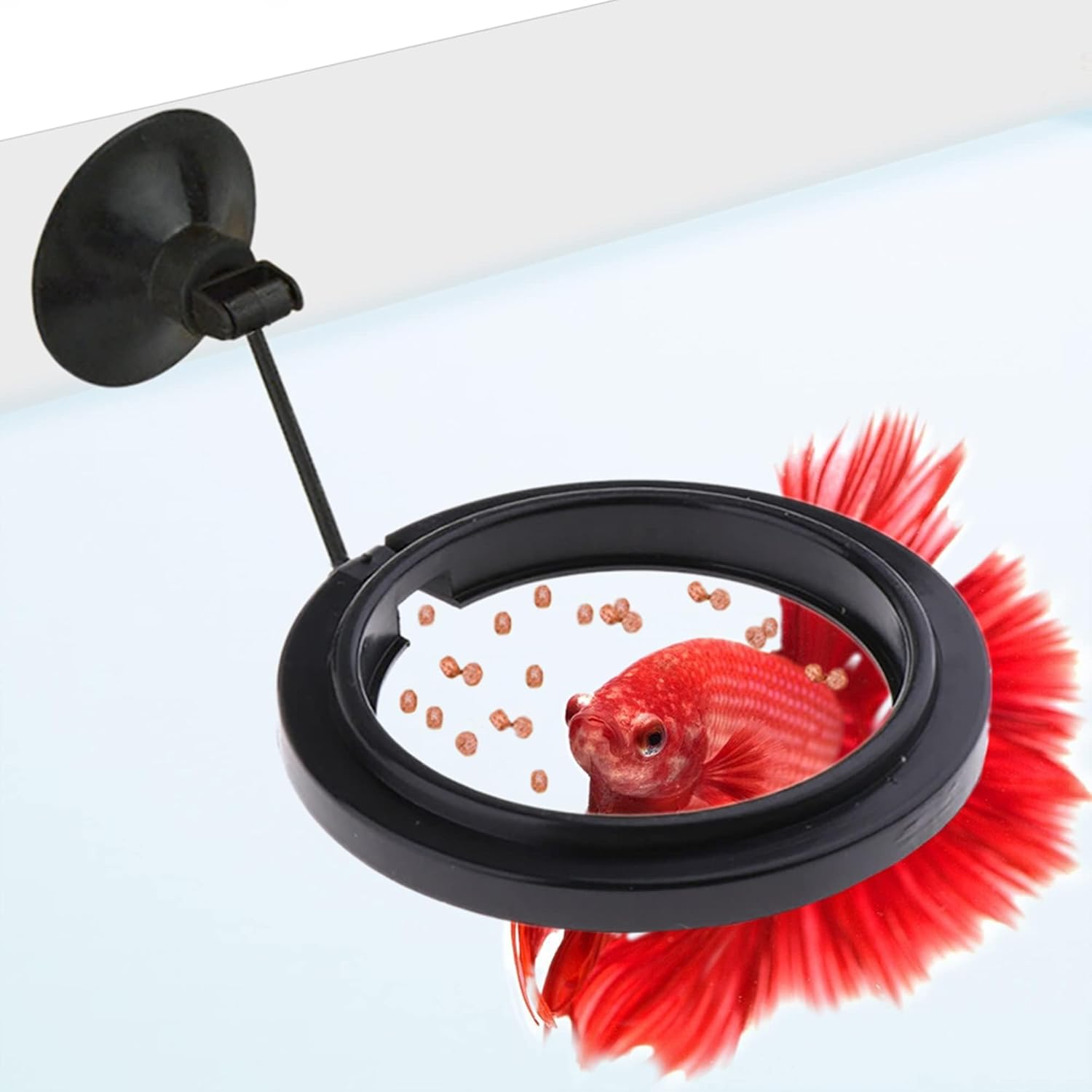
Add food one piece at a time. This lets you see what your betta eats. It also stops extra food from falling into hidden spots.
Watch the fish for about two minutes. Then remove any food left in the tank. Use a small net or siphon. Do this even if the food looks tiny.
Leftover food breaks down fast. It can raise waste levels and hurt water quality. Clean water also helps your betta digest food well.
Keep the tank warm and stable, often near 78°F to 80°F. Cool water can slow digestion. Use a reliable heater and thermometer.
If your betta seems constipated
If the fish is mildly bloated but still alert, skip food for about 24 hours. Check that the water is warm, clean, and stable. Then resume with a small meal.
Do not force peas or other plants on a betta. They are not a needed cure. If swelling, odd waste, or loss of appetite continues, contact an aquatic veterinarian.
What about young bettas?
Fry and young bettas need more meals and much smaller food. They may eat baby brine shrimp or other tiny foods several times a day. This adult feeding plan does not fit a growing fry.
Foods to Avoid and Common Betta Feeding Mistakes
Some foods are unsafe. Others are safe in theory but poor choices in real life. When in doubt, leave the food out.
Foods your betta should not eat
Avoid these items:
- Bread, crackers, cereal, and cookies
- Rice, pasta, and dry grains
- Salty, spicy, fried, or seasoned meat
- Onion, garlic, citrus, and sugary foods
- Insects from the yard or the wild
- Unknown feeder fish or pond prey
- Plant flakes made for herbivore fish
- Food with mold or an old, stale smell
These foods may cause harm, add little nutrition, or spoil the tank. Bettas do not need human snacks. Plain does not always mean safe for fish.
Common mistakes to stop
These habits cause many diet and tank problems:
- Overfeeding: More food does not mean better health.
- Too many bloodworms: A treat should not become the main meal.
- Free-feeding: Food left all day can rot in the water.
- Ignoring pellet size: A large, hard pellet may need a smaller brand.
- Skipping tank care: Good food cannot make up for dirty water.
- Using food as medicine: Diet can help, but it cannot cure every illness.
- Feeding in the dark: Bettas rely on sight, so feed when the room light is on.
Make one change at a time. That way, you can tell what helped. It also keeps a shy or stressed fish from facing too much at once.
Will a betta eat tank mates?
Yes, a betta may attack very small tank mates. Shrimp, fry, and tiny fish can fit in its mouth. Even a calm betta may hunt when hungry or stirred up.
If you plan to add shrimp or small fish, first check whether betta fish may kill and eat tank mates. Pick species with care. Always have a backup plan and watch each fish after changes.
How to Know Whether Your Betta’s Food Plan Is Working
The best diet is not just safe. It should help your betta look and act well. Watch the whole fish, not just the bowl or tank.
Good signs
Look for:
- A steady interest in food
- A smooth body with no sharp weight loss
- Clear eyes and relaxed fins
- Normal waste and steady swimming
- Bright color for the fish’s normal pattern
- Stable water between routine care days
Warning signs
A missed meal can happen once in a while. Stress, cool water, or a new tank may be the cause. Check the basics first.
Get help if your betta will not eat for more than a day or two. Also seek advice for fast weight loss, swelling, clamped fins, odd waste, or weak swimming. An aquatic vet can find the cause.
Expert insight: food and water work together
A fresh diet cannot fix dirty water. Test the tank if appetite changes. Heat, filtration, and routine water changes all help digestion.
Conclusion
So, do betta fish eat many foods? They can enjoy a varied menu. Yet their best meals are simple: a quality pellet, small safe treats, and clean water.
Start with a small daily amount. Watch your betta after each meal. Remove leftovers and adjust the plan as needed.
A good diet supports energy, color, and long-term health. Feed for your fish, not for habit. Your betta will do best when every meal is small, safe, and suited to its meat-based needs.
Frequently Asked Questions
Frequently Asked Questions
Do betta fish eat plants?
They may peck at soft leaves, but plants should not be a staple. Bettas are carnivorous fish and get most nutrition from animal-based foods. Focus on pellets and safe protein treats.
Can betta fish eat tropical fish flakes?
Yes, if the flakes are meat-based and small enough. Many tropical fish flakes are made for community fish, so remove leftovers quickly and watch the water.
How often should I feed my betta fish?
Most adult bettas do well with one or two small meals each day. Start with two or three small pellets per meal, then adjust for the food size and your fish.
Are bloodworms enough for a betta fish diet?
No. Bloodworms should be an occasional treat, not the main food. A complete betta pellet gives your fish a more balanced daily diet.
Why is my betta fish not eating?
Check the water, temperature, stress level, and freshness of the food. Remove old food, and seek help from an aquatic vet if the fish will not eat for more than a day or two.
Can betta fish eat shrimp or small fish?
They may try. Shrimp, fry, and very small fish can fit in a betta’s mouth. Research every tank mate with care and be ready to separate the fish if needed.