Do Betta Fish Disappear on Purpose or From Stress Alone

Do betta fish disappear is a question many owners ask when their pet seems to vanish. The answer ranges from normal hiding to serious stress caused by water conditions, tank size, or other environmental factors. This guide will help you spot the signs, understand the causes, and take action to keep your betta safe.
Why do betta fish disappear? This is a question that many fish owners ask when they notice their betta is missing from view. It can be a normal behavior or a sign of a problem. Understanding the difference is the first step to keeping your fish healthy.
There are two main categories of disappearance. The first is natural hiding, where the fish seeks a safe spot. The second is stress‑related hiding, which can be caused by poor water conditions, an inappropriate tank, or other factors. In this article we will explore both and provide practical advice.
Key Takeaways
- Betta fish hide naturally: They seek secure spots to feel safe.
- Stress causes disappearance: Poor water quality, wrong temperature, or small tanks can trigger hiding.
- Proper tank setup matters: A spacious tank with good filtration reduces stress.
- Watch for warning signs: Lethargy, loss of color, or rapid breathing indicate trouble.
- Adjust environment slowly: Change water, add plants, and keep tank mates compatible.
- Seek vet help if needed: Persistent hiding may signal disease or injury.
📑 Table of Contents
Do Betta Fish Disappear? Common Reasons
Natural Hiding Behavior
Betta fish are instinctive hiders. In the wild they hide among plants and rocks to avoid predators. In an aquarium they will look for similar spots. This behavior helps them feel secure and reduces their stress levels.
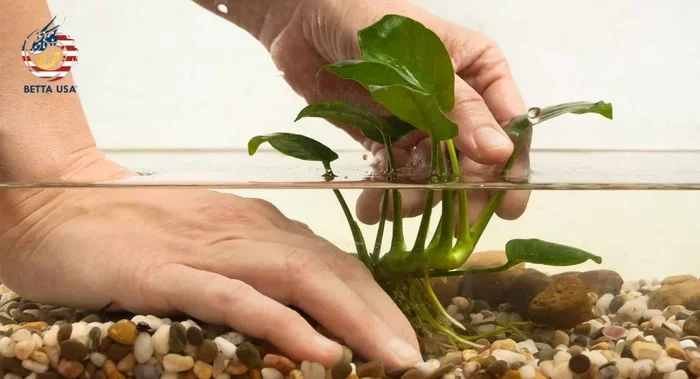
- They like to rest in dense plants such as java fern or Anubias.
- They often choose caves, PVC pipes, or decorative ornaments.
- They may stay hidden for short periods, especially at night when they are less active.
Many betta owners report that their fish like to hide under rocks, which is a natural behavior. For more on this, see Do Betta Fish Hide Under Rocks.
Stress and Environmental Factors
When the environment is not ideal, a betta may hide more than usual. Stress can come from many sources. Poor water quality is a common cause. Ammonia, nitrite, and nitrate levels that are too high can irritate the fish and make it seek shelter.
- Poor water quality, such as high ammonia or nitrite.
- Incorrect temperature, either too hot or too cold.
- Small tank size that limits swimming space.
- Lack of filtration or strong water flow that creates current.
- Presence of aggressive tank mates that nip fins or chase the betta.
| Aspect | Normal Hiding | Stress Hiding |
|---|---|---|
| Frequency | Occasional, short periods | Frequent, long periods |
| Behavior | Rests, may come out to eat | Stays hidden, may ignore food |
| Physical Signs | Healthy color, clear eyes | Faded color, clamped fins, rapid breathing |
| Environment | Stable water, adequate space | Poor water, overcrowded tank |
Recognizing Stress and Illness
Physical Signs
When a betta is stressed or sick, you may notice changes in its appearance. These signs are often the first indicators that something is wrong.
- Loss of bright colors, turning pale or dull.
- Clamped fins held close to the body.
- Rapid gill movement or gasping at the surface.
- White spots, fuzzy growths, or red patches on the body.
- Swollen or cloudy eyes.
Behavioral Signs
Behavior changes can be just as telling. A healthy betta will swim actively and explore its tank. A stressed betta may act differently.
- Refusing to eat even when food is offered.
- Staying at the bottom of the tank most of the time.
- Erratic swimming or darting around suddenly.
- Hiding in new or unusual places, such as behind the filter.
- Flashing or rubbing against objects in the tank.
In some cases, a betta may hide to the point of not eating, which can be a sign of severe stress. Learn more about this in Do Betta Fish Hide To Die.
Common Mistakes
- Keeping the tank too small.
- Skipping regular water changes.
- Overcrowding with other fish.
- Using tap water without dechlorinator.
Creating a Stress‑Free Environment
Tank Size and Setup
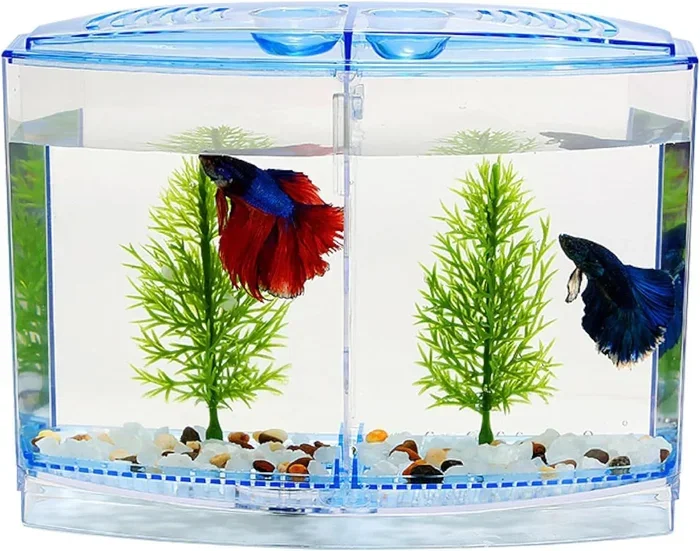
Providing the right tank size is crucial. A 5‑gallon tank is the minimum for one betta, but a 10‑gallon tank offers more swimming room and stability. Include live or silk plants, driftwood, and caves to create hiding spots.
Water Quality and Filtration
Clean water is essential. Perform weekly water changes of 25‑50 %. Use a filter to remove waste and maintain a nitrogen cycle. Test the water for ammonia, nitrite, and nitrate at least once a week. Keep ammonia and nitrite at zero, and nitrate below 20 ppm.
Temperature and pH
Maintain a temperature between 76 °F and 82 °F. Use a heater and a thermometer to monitor it. The pH should be between 6.5 and 7.5. Avoid sudden changes in temperature or pH, as they can shock the fish.
Tank Mates
Choose peaceful companions. Avoid fin‑nippers like guppies or tetras. Betta fish can be kept with snails, shrimp, or other calm species, but always observe their interactions. Some bettas are aggressive and may need to be kept alone.
Another factor is whether the betta should be kept alone; some bettas need their own space. Read more at Do Betta Fish Have To Be Kept Alone.
Quick Tips
- Feed a varied diet of high‑quality pellets and occasional live food.
- Provide a gentle filter to avoid strong currents.
- Include live or silk plants for hiding.
- Observe your fish daily for any changes in behavior.
When to Seek Veterinary Assistance
Warning Signs
If your betta shows any of the following signs, consult a vet. These symptoms may indicate a disease that requires treatment.
- Open sores or ulcers on the body.
- Weight loss despite eating.
- Severe lethargy that does not improve with water changes.
- Visible parasites, fungus, or cotton‑like growths.
- Loss of appetite for more than a few days.
Treatment Options
A veterinarian may prescribe antibiotics, antifungal medications, or suggest environmental adjustments. Follow the instructions carefully to avoid harming the fish. In some cases, improving water quality alone can resolve the issue.
Expert Insights
According to experienced betta keepers, consistency is key. Stable water parameters and a well‑cycled tank reduce stress dramatically. Adding a few hiding places, such as a small cave or a leaf, can make the fish feel secure without causing it to disappear for long periods.
Final Thoughts and Action Steps
In summary, do betta fish disappear can be a normal part of their behavior or a warning sign of stress. By providing a proper tank, maintaining water quality, and monitoring your fish, you can prevent unnecessary hiding. Remember to watch for changes and act quickly if needed. With the right care, your betta will stay active and visible, bringing joy to your aquarium.
Frequently Asked Questions
Why does my betta fish keep hiding?
Your betta may hide because it feels insecure or stressed. Natural hiding is normal, but constant hiding can signal poor water quality, an inappropriate temperature, or the presence of aggressive tank mates.
Can stress cause a betta to disappear?
Yes, stress can make a betta hide for long periods. Causes include ammonia spikes, incorrect pH, overcrowding, or loud noises. Reducing stressors helps the fish return to normal behavior.
How can I tell if my betta is sick or just hiding?
Look for physical signs like faded color, clamped fins, or rapid breathing. If the fish also refuses food, swims erratically, or shows lesions, it is likely sick and may need veterinary care.
What water parameters are best for bettas?
Ideal conditions include a temperature of 76‑82 °F, pH between 6.5 and 7.5, zero ammonia and nitrite, and nitrate below 20 ppm. Regular testing and water changes maintain these levels.
Should I keep my betta alone or with other fish?
Many bettas do best alone because they can be aggressive. However, some can live with peaceful tank mates like snails or shrimp. Always monitor interactions and be ready to separate if needed.
When should I take my betta to a vet?
Take your betta to a vet if you notice open sores, persistent lethargy, weight loss, visible parasites, or any signs that do not improve after water quality adjustments. Early treatment can prevent serious disease.