Do Betta Fish Dig Holes and Why They Do It at Home

Betta fish dig holes for several natural reasons, including nesting, foraging, and comfort. This behavior is usually normal but can signal stress or poor tank conditions. Understanding why your betta digs helps you provide a better home. We cover the top reasons, when to worry, and simple fixes.
Key Takeaways
- Nesting Behavior: Female bettas often dig to create bubble nests or resting spots.
- Foraging Instinct: Digging helps bettas search for food hidden in substrate.
- Stress Signal: Excessive digging can mean poor water quality or an uncomfortable tank.
- Territorial Action: Bettas dig to claim space, especially in smaller tanks.
- Tank Setup Matters: The right substrate and decorations reduce unwanted digging.
- Health Check: Sudden digging changes may indicate illness or discomfort.
📑 Table of Contents
Do Betta Fish Dig Holes and Why They Do It at Home
Have you ever watched your betta fish swim down to the bottom and start digging? It can look strange. You might wonder if something is wrong. The good news is that digging is a totally normal behavior for bettas. But it can also mean your fish is trying to tell you something.
In this guide, we will explore every reason why betta fish dig holes. We will cover natural instincts, stress signs, and tank setup tips. By the end, you will know exactly what your betta is trying to do. You will also learn how to keep your fish happy and healthy.
Betta fish digging is more common than most owners think. Whether your fish is a male or female, digging serves an important purpose. Let us break down the top reasons behind this behavior.
Natural Instincts Behind Digging
Betta fish come from warm, shallow waters in Southeast Asia. In the wild, they constantly search for food and build resting spots. Digging is part of their DNA. Even in a home tank, this instinct stays strong.
Foraging for Food
Bettas are natural foragers. They look for tiny insects, larvae, and plant matter on the bottom. When your fish digs through gravel, it is searching for food. This is a healthy behavior that keeps your betta active and engaged.
In a tank with live plants and substrate, bettas find more opportunities to forage. The digging motion mimics their natural feeding habits. It gives them mental stimulation and physical exercise.
Creating Resting Spots
Female bettas often dig to create soft resting areas. They push substrate aside to make a cozy spot on the tank floor. This is especially common before spawning. The dug hole becomes a safe place to relax and recover energy.
Male bettas also dig near surfaces to prepare for bubble nest building. The area around the nest needs to be clear of debris. Digging helps them clean the spot before placing bubbles.
When Digging Signals Stress
Not all digging is harmless. Sometimes, it is a sign that your betta is stressed. You need to watch for other clues along with the digging behavior.
Poor Water Quality
Dirty water makes bettas uncomfortable. When ammonia or nitrite levels rise, fish try to escape the conditions. Digging at the bottom can be a response to bad water. Your betta might be looking for a cleaner spot.
Check your water parameters regularly. Keep ammonia at zero, nitrite at zero, and nitrate below 20 ppm. A cycled tank with proper filtration makes a huge difference.
Lack of Space
Bettas need room to explore. In a tiny tank, they may dig out of boredom or frustration. A small space limits natural movement and causes stress. This is why many experts recommend at least a 5-gallon tank.
If you want to learn more about space needs, check out our guide on do betta fish like a lot of space. It covers tank size requirements in detail.
Aggressive Tank Mates
Bettas are territorial. If other fish bother them, they may dig as a coping mechanism. Hiding and digging give them a sense of security. But constant stress weakens their immune system over time.
Tank Setup and Substrate Choices
The type of substrate you use affects digging behavior. Some materials encourage it, while others discourage it. Choosing the right setup makes a big impact on your betta’s comfort.
Best Substrate Options
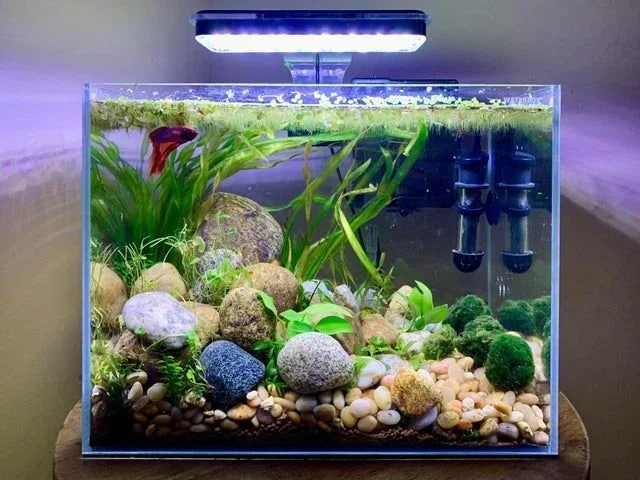
Fine gravel or sand works best for betta tanks. Sharp or coarse substrate can hurt their delicate fins. Smooth materials let them dig without injury. Here are popular choices:
- Fine sand: Easy to dig, natural look, gentle on fins
- Smooth gravel: Good for planting, allows foraging
- Bare bottom: Easy to clean, no digging possible
Avoid rough or jagged substrates. These can damage your betta’s body and cause infections. Always rinse new substrate before adding it to the tank.
Decorations That Reduce Excessive Digging
Adding caves, plants, and hiding spots gives your betta alternatives to digging. When fish have enrichment, they dig less out of boredom. A well-decorated tank keeps them entertained and calm.
Make sure decorations have smooth edges. Sharp plastic or metal can tear fins. Live plants like java fern and anubias add natural beauty and comfort.
Health Issues Linked to Digging
Sometimes digging points to a health problem. If your betta suddenly starts digging more than usual, watch for other symptoms.
Signs of Illness
Look for these warning signs along with digging:
- Loss of appetite
- Faded colors
- Clamped fins
- Floating or sinking issues
- Visible spots or lesions
If you notice any of these, test the water and check for disease. Early treatment prevents serious problems. A sick betta may dig to find relief from discomfort.
Parasites and Infections
Skin parasites can make bettas dig at the bottom. They try to scrape off irritants from their body. Ich, velvet, and fungal infections often cause this behavior.
Quarantine new fish before adding them to your main tank. This prevents the spread of parasites. Regular water changes also reduce infection risks.
How to Respond to Digging Behavior
Now that you know why bettas dig, here is how to respond. Most digging is normal, but you should still monitor the situation.
Observe the Pattern
Watch when and where your betta digs. Morning digging near a nest site is normal. Constant digging across the whole tank may signal stress. Keep a simple log of behavior changes.
Test Water Parameters
Use a liquid test kit to check ammonia, nitrite, nitrate, and pH. Bettas prefer slightly acidic to neutral water, around 6.5 to 7.5 pH. Stable parameters reduce stress-related digging.
Improve Tank Enrichment
Add more hiding spots, plants, and floating logs. A bored betta will find ways to entertain itself, including digging. Enrichment keeps their mind active and reduces unwanted behaviors.
Adjust Feeding Routine
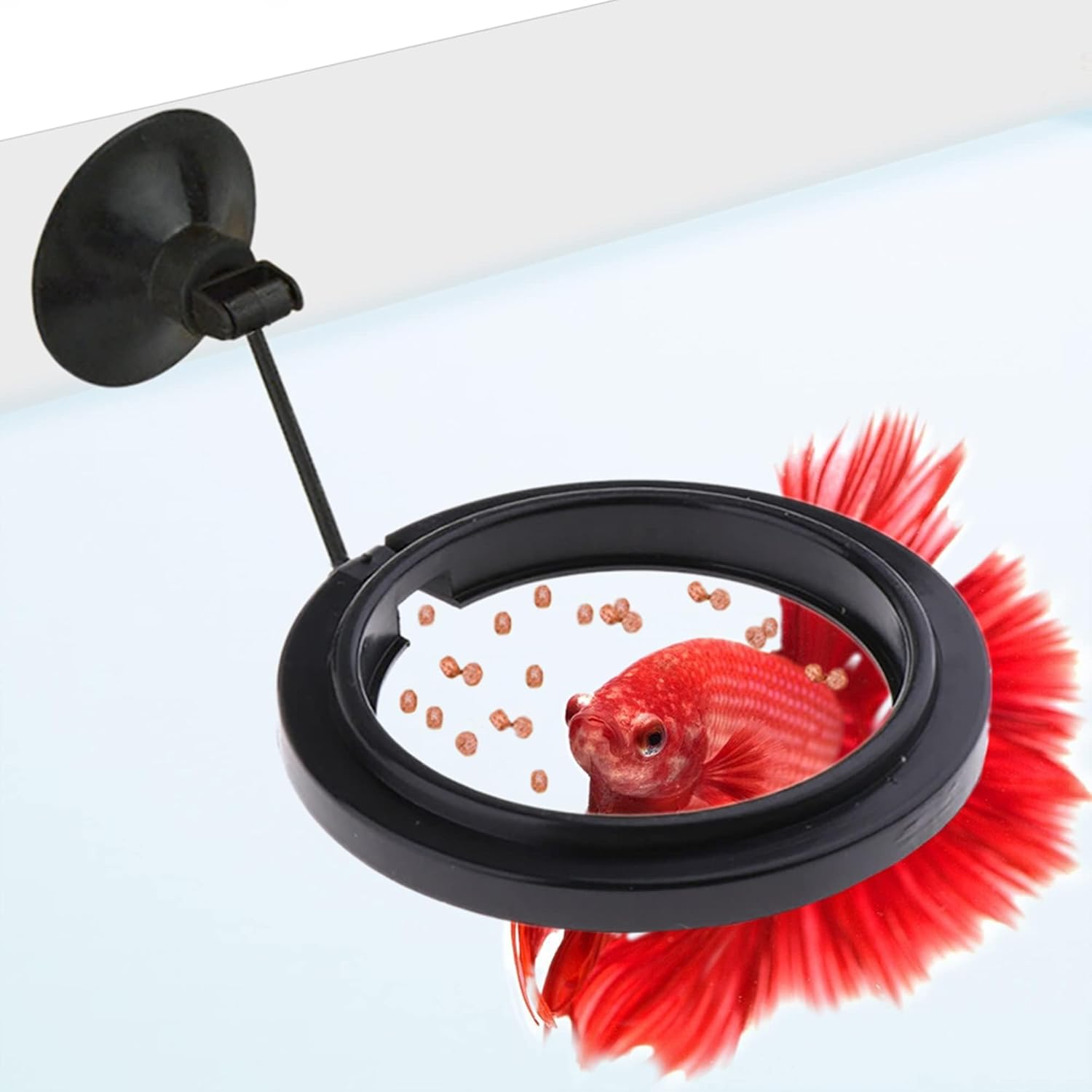
Make sure your betta gets enough food. Underfed fish dig more in search of scraps. Feed small amounts twice a day. Remove uneaten food after five minutes to keep water clean.
Common Mistakes Owners Make
Many betta owners unknowingly encourage digging through poor practices. Here are the most common mistakes to avoid.
Using Rough Substrate
Cheap gravel with sharp edges hurts betta fins. The fish dig less comfortably and may avoid the bottom entirely. Choose smooth, betta-safe materials.
Ignoring Tank Size
A tiny bowl or vase limits movement and causes stress. Bettas need at least 5 gallons for healthy behavior. Smaller tanks require more frequent maintenance.
Overcrowding the Tank
Too many fish or decorations creates territorial stress. Bettas need open swimming space plus hiding spots. Balance is key to a happy tank.
When to Call a Vet
Most digging does not require veterinary care. But if your betta shows signs of illness, contact a fish vet. Rapid gilling, bloating, and immobility are serious warning signs.
A professional can diagnose parasites, bacterial infections, or water issues. Early intervention saves lives. Do not wait too long if behavior changes suddenly.
Quick Tips for a Happy Betta
- Keep water clean with regular changes
- Use smooth substrate to protect fins
- Add plants and caves for enrichment
- Feed a varied diet of pellets and live food
- Monitor water parameters weekly
- Watch for behavior changes daily
Conclusion
So, do betta fish dig holes? Yes, they do, and it is usually perfectly normal. Digging helps bettas forage, nest, and explore their environment. But it can also signal stress, illness, or poor tank conditions.
The key is to observe your fish and respond to the context. A betta that digs occasionally and eats well is likely fine. A betta that digs constantly and shows other symptoms needs attention.
By understanding the reasons behind digging, you become a better owner. You can adjust the tank, improve care, and enjoy a happier fish. Your betta relies on you for its well-being. A little knowledge goes a long way in providing a great home.
If you want to dive deeper into betta behavior, explore our other guides on tank enrichment and bottom resting habits. These resources help you understand your fish even better.
Frequently Asked Questions
Why does my betta fish dig at the bottom of the tank?
Betta fish dig at the bottom for several reasons. They may be foraging for food, creating a resting spot, or building a nest. This behavior is natural and common. However, if digging is constant and paired with other symptoms, check water quality and stress levels.
Is digging a sign that my betta is stressed?
Yes, excessive digging can indicate stress. Poor water, small tanks, and aggressive tank mates often cause this. Watch for faded colors, clamped fins, and loss of appetite. Improving tank conditions usually reduces stress-related digging.
What substrate is best for a betta tank?
Fine sand or smooth gravel works best. These materials are gentle on fins and allow natural digging. Avoid sharp or coarse substrates that can injure your fish. Always rinse new substrate before adding it to the tank.
How can I reduce my betta’s digging behavior?
Add more enrichment like plants, caves, and floating logs. Keep water clean and parameters stable. Feed a balanced diet and avoid underfeeding. A well-setup tank gives your betta alternatives to constant digging.
Should I be worried if my female betta digs a lot?
Female bettas often dig more than males, especially before spawning. This is normal nesting behavior. But if digging is extreme or paired with lethargy, test the water and look for illness signs. Early detection prevents serious problems.
Can digging hurt my betta fish?
Normal digging does not hurt bettas. But rough substrate can damage fins and body. Sharp gravel or decorative pieces with jagged edges pose risks. Choose smooth materials and inspect decorations regularly for safety.