How Do You Feed Betta Fish

Feeding your betta fish properly is one of the most important parts of keeping them healthy and happy. This guide covers everything you need to know about how do you feed betta fish, including the best food types, how often to feed, portion sizes, and common mistakes to avoid. Whether you are a new betta owner or looking to improve your current routine, you will find practical tips and expert advice inside.
Key Takeaways
- Feed your betta 1-2 times daily with small portions to avoid overfeeding and digestive issues.
- Use a varied diet that includes pellets, frozen, and live foods for complete nutrition.
- Soak dry food before feeding to prevent bloating and help your betta digest it properly.
- Remove uneaten food within 5 minutes to keep the tank clean and water quality high.
- Skip one feeding day per week to give your betta’s digestive system a break.
- Watch for signs of overfeeding like bloating, constipation, and cloudy water.
- Adjust feeding based on your betta’s age and activity level for the best results.
📑 Table of Contents
How Do You Feed Betta Fish The Right Way
Feeding betta fish might seem simple on the surface. Just toss in some food, right? Not quite. Betta fish have specific dietary needs that directly impact their health, color, and lifespan. Getting the feeding routine right can mean the difference between a vibrant, active fish and one that struggles with health problems.
In this guide, we will walk you through everything you need to know about how do you feed betta fish. We cover the best foods, how often to feed, portion sizes, and the mistakes most new owners make. By the end, you will feel confident and ready to give your betta the nutrition they deserve.
Betta fish are carnivores by nature. In the wild, they eat insects, larvae, and small crustaceans. This means they need a protein-rich diet that differs from what you might feed other tropical fish. Understanding this is the first step toward proper care.
Best Foods For Your Betta Fish
Not all fish food is created equal. Bettas thrive on a diet that closely mimics what they would eat in their natural habitat. Let us break down the best food options available.
Betta Pellets
Betta pellets are the staple food for most betta owners. They are specially formulated to meet the nutritional needs of bettas. High-quality pellets float on the surface, which is perfect because bettas are top-feeders. Look for pellets where the first ingredient is fish meal or whole fish. Avoid pellets that are filled with fillers like corn or wheat.
A good pellet food provides the protein and nutrients your betta needs every day. Many brands make pellets specifically for bettas, and they come in small sizes that are easy to portion out.
Frozen and Freeze-Dried Foods
Frozen and freeze-dried foods are excellent supplements to your betta’s diet. Bloodworms, brine shrimp, and daphnia are all popular choices. These foods are packed with protein and can make your betta’s colors really pop.
Freeze-dried foods are convenient and have a long shelf life. However, you should always soak them in tank water before feeding. This prevents them from expanding inside your betta’s stomach, which can cause bloating and constipation.
Live Foods
Live foods are the closest thing to what bettas eat in the wild. Mosquito larvae, brine shrimp, and micro worms are great options. Many bettas go absolutely crazy for live food. It stimulates their natural hunting instincts and provides excellent nutrition.
You can buy live foods from pet stores or even raise them at home. Just make sure any live food you add to the tank comes from a clean, safe source to avoid introducing parasites or bacteria.
Betta Flakes
Betta flakes are another option, but they are not ideal as the primary food. Flakes tend to lose their nutritional value quickly once the container is opened. They also sink, which means your betta might not eat them before they get soggy and dirty. If you use flakes, feed sparingly and remove any uneaten portions promptly.
For more details on flakes specifically, check out our guide on how often do you feed betta fish flakes.
How Often Should You Feed Betta Fish
The feeding frequency is one of the most discussed topics among betta owners. The answer depends on your betta’s age, size, and activity level. But here are some general guidelines that work for most bettas.
Feeding Schedule for Adult Bettas
For adult bettas, feeding once or twice a day is the sweet spot. Each feeding should be a small portion, about the size of your betta’s eye. A good routine is to feed in the morning and again in the evening. This mimics the natural eating pattern of wild bettas who forage throughout the day.
If you are wondering exactly how often do you feed a betta fish, the answer is consistency matters more than frequency. A regular schedule helps your betta’s digestive system work efficiently.
Feeding Schedule for Baby Bettas
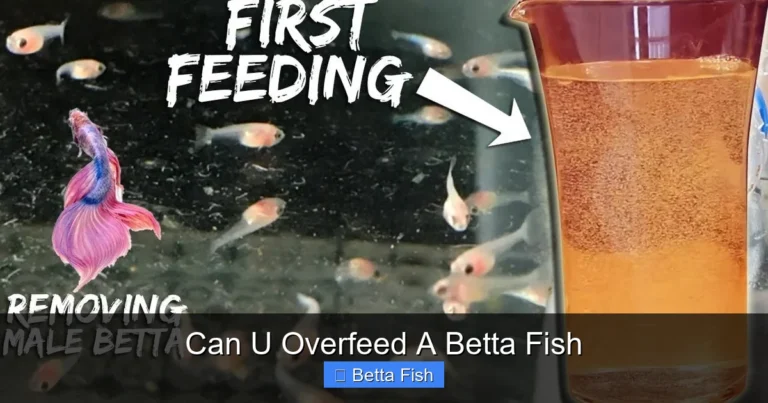
Young bettas and fry need more frequent feedings. You should feed baby bettas 2 to 3 times a day with very small amounts. Their stomachs are tiny, and they need steady nutrition to grow properly. Use crushed pellets or live baby brine shrimp for the best results.
How Much Should You Feed
The portion size is just as important as frequency. A good rule of thumb is to feed only what your betta can eat in 2 to 3 minutes. Overfeeding is one of the most common mistakes betta owners make. Excess food decays in the tank, which spikes ammonia levels and ruins water quality.
For specific guidance on portions, you might want to read our article on how much do u feed a betta fish.
When to Feed Your Betta
Timing matters when it comes to feeding bettas. The best time to feed is in the morning, around the same time you turn on your tank lights. Bettas are most active during daylight hours and are ready to eat when the lights come on. A second feeding in the early evening works well too.
Consistency in timing helps regulate your betta’s metabolism and appetite. Your fish will start anticipating meals, and you will notice them swimming to the surface eagerly when it is feeding time.
Common Feeding Mistakes To Avoid
Even experienced betta owners can fall into bad feeding habits. Here are the most common mistakes and how to fix them.
Overfeeding
Overfeeding is the number one killer of betta fish. Bettas have small stomachs, and they will eat as much as you give them. Uneaten food sinks to the bottom, decomposes, and releases toxic ammonia into the water. Signs of overfeeding include bloating, lethargy, and cloudy water.
The fix is simple. Feed less than you think your betta needs. If there is any food left after a few minutes, remove it immediately with a small net or turkey baster.
Feeding the Wrong Foods
Not all fish food works for bettas. Tropical flakes designed for community tanks often lack the protein levels bettas need. Some foods contain fillers that bettas cannot digest properly. Always choose foods made specifically for bettas or carnivorous fish.
Ignoring Fasting Days
Many people do not realize that bettas benefit from a fasting day once a week. Skipping one feeding day gives your betta’s digestive system time to process and clear out any remaining food. This helps prevent constipation and bloating. Sunday is a popular choice for a weekly fast.
Feeding Too Fast
Bettas are not speedy eaters. They prefer to take their time with food. If you drop a large pellet in the tank and it sinks too fast, your betta might not notice it right away. Break larger pellets into smaller pieces and watch your betta eat to make sure they are getting enough.
Creating the Perfect Feeding Routine
A solid routine makes feeding easier and keeps your betta healthy. Here is a step-by-step approach you can follow every day.
- Morning feeding: Give your betta a small portion of pellets or their preferred food. Watch them eat for 2 to 3 minutes.
- Evening feeding: Offer a second small portion. This can be the same food or a mix, such as a pellet plus a few frozen bloodworms.
- Check the tank: After both feedings, look for any uneaten food and remove it.
- Weekly fast: Skip one feeding day each week to let your betta’s stomach rest.
- Rotate foods: Switch between pellets, frozen foods, and occasional live foods throughout the week for balanced nutrition.
Sticking to this routine takes a few weeks to build into a habit. But once it becomes second nature, you will not even have to think about it. Your betta will thank you with bright colors, active swimming, and a healthy appetite.
Special Feeding Situations
Sometimes your normal feeding routine needs to adjust. Here are a few situations where you might need to change your approach.
Feeding Your Betta While on Vacation
Going on vacation does not mean your betta goes without food. For trips lasting 3 to 5 days, your betta can safely skip meals. Bettas can go several days without eating without any harm. For longer trips, consider an automatic fish feeder or ask a friend to feed your betta in small amounts every other day.
For more tips, check out our guide on how do I feed my betta fish on vacation.
Feeding a Sick Betta
When your betta is not feeling well, their appetite often decreases. If your betta refuses food, do not force it. Try offering softer, easier-to-digest foods like soaked pellets or live brine shrimp. If your betta still will not eat after a couple of days, it is time to check for illness and consult a fish vet.
Picky Eaters
Some bettas can be surprisingly picky. They might turn their nose up at certain foods or only want one type. If your betta is a picky eater, try offering a variety of foods and rotating them regularly. Sometimes it takes a few attempts before a betta accepts a new food type. Patience is key.
Quick Tips for Better Betta Feeding
- Soak dry food for a few minutes before adding it to the tank.
- Use a feeding ring to keep food in one place and prevent it from spreading across the tank.
- Wash your hands before and after feeding to avoid introducing contaminants.
- Do not feed your betta human food like bread or crackers. These offer no nutritional value and can harm your fish.
- Observe your betta after feeding to make sure they are eating properly and showing no signs of distress.
- Store food in a cool, dry place to preserve its nutritional value.
Conclusion
Learning how do you feed betta fish properly is one of the most rewarding parts of betta ownership. A good feeding routine keeps your fish healthy, colorful, and active for years to come. Remember to use high-quality pellets as the base of their diet, supplement with frozen or live foods, and always stick to appropriate portion sizes.
Avoid the common traps of overfeeding and inconsistent schedules. Your betta depends on you for every meal, and getting it right shows how much you care. Start applying these tips today and watch your betta thrive.
For more information on betta care, visit our how do you care for a betta fish guide to explore all aspects of keeping your betta happy and healthy.
Frequently Asked Questions
How Many Times a Day Should You Feed a Betta Fish?
Most adult bettas do well with one to two feedings per day. Each feeding should be a small portion that your betta can finish in about 2 to 3 minutes. Consistency in timing and portion size matters more than the exact number of feedings.
What Is the Best Food for Betta Fish?
The best food for bettas is a high-quality betta pellet as the staple, supplemented with frozen or freeze-dried bloodworms, brine shrimp, and occasional live foods. A varied diet ensures your betta gets all the protein and nutrients they need to stay healthy and vibrant.
Can You Overfeed a Betta Fish?
Yes, overfeeding is very common and can be dangerous. Bettas have tiny stomachs, and uneaten food decays quickly in the tank, which can spike ammonia levels. Always feed small portions and remove any food your betta does not eat within a few minutes.
Do Betta Fish Need a Fasting Day?
Yes, giving your betta a fasting day once a week is beneficial. It helps their digestive system process any remaining food and prevents constipation and bloating. Most betta owners skip one feeding day each week without any issues.
Can Betta Fish Eat Betta Flakes?
Betta flakes can be fed occasionally, but they are not ideal as a primary food. Flakes often sink, lose nutrients quickly, and may not provide enough protein for a betta’s needs. Pellets and frozen foods are better staples for your betta’s daily diet.
How Long Can a Betta Fish Go Without Eating?
A healthy adult betta can go 3 to 5 days without food without any problems. In fact, a short fasting period is good for their digestion. If you are going on a short vacation, your betta will be perfectly fine skipping meals for a few days.