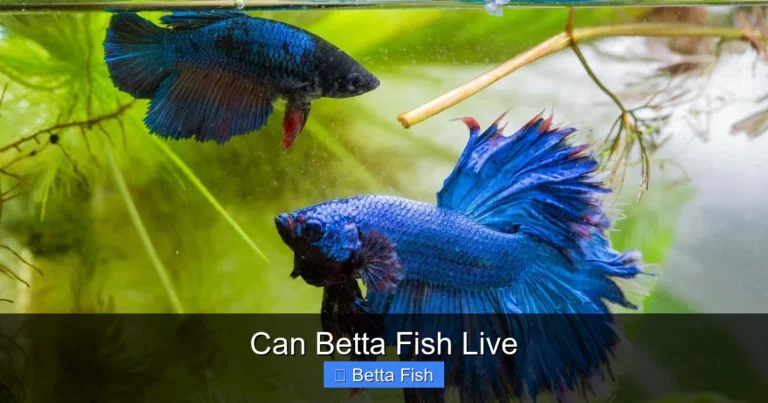
How Do Halfmoon Betta Fish Eyes Help Them Survive

Halfmoon betta fish eyes play a vital role in their survival, helping them hunt, navigate, detect danger, and even communicate. These stunning fish have unique visual abilities that set them apart from other aquarium pets. Understanding how their eyes work can help you provide better care and keep your betta healthy and thriving.
Halfmoon betta fish are some of the most beautiful creatures you can keep in an aquarium. Their flowing fins and vibrant colors turn heads. But there is something even more fascinating about these fish than their looks. Their eyes do incredible things that help them survive in the wild and in home tanks. Understanding how halfmoon betta fish eyes help them survive opens your eyes to just how special these creatures really are.
If you have ever watched your betta swim around the tank, you may have noticed how their eyes move. They seem to watch everything. That is not an accident. Betta fish vision is finely tuned to help them hunt, avoid danger, and interact with their world. In this article, we will explore the amazing ways halfmoon betta fish use their eyes to stay alive and thrive.
Whether you are a new betta owner or a seasoned hobbyist, this guide will give you useful insights. You will learn about betta fish anatomy, how their eyes work, and what you can do to keep those eyes healthy. Let us dive in.
Key Takeaways
- Halfmoon betta fish eyes are adapted for low-light conditions, helping them survive in murky waters.
- Betta fish vision allows them to detect movement, spot prey, and recognize their owners over time.
- Common eye problems like pop eye or bulging eyes can threaten a betta’s survival if left untreated.
- Proper tank setup and water quality are essential for maintaining healthy betta fish eyes.
- Halfmoon bettas use their eyes alongside other senses to navigate their environment and avoid predators.
- Regular observation of your betta’s eyes can help you catch health issues early and save your fish’s life.
📑 Table of Contents
- How Halfmoon Betta Fish Eyes Work
- How Eyes Help Halfmoon Bettas Detect Danger
- Common Eye Problems in Halfmoon Betta Fish
- How to Keep Your Halfmoon Betta’s Eyes Healthy
- The Connection Between Eyes and Other Senses
- How Long Can Healthy Eyes Help a Halfmoon Betta Live?
- Comparing Halfmoon Betta Vision to Other Fish
- Final Thoughts
How Halfmoon Betta Fish Eyes Work
Halfmoon betta fish eyes are built differently from human eyes. They have adapted over thousands of years to survive in shallow, warm waters across Southeast Asia. Their eyes are designed to work well in low-light conditions and murky environments. This gives them a real edge in the wild.
Unlike many other aquarium fish, bettas have excellent color vision. They can see a wide range of colors, which helps them spot prey and recognize other fish. Their eyes are also positioned on the sides of their head. This gives them a wide field of view. They can see almost all around them without turning their head.
The Structure of Betta Fish Eyes
A betta fish eye is made up of several parts that work together. The cornea protects the eye. The lens focuses light onto the retina. The retina contains cells that detect color and movement. All of these parts work together to give the betta a clear picture of its surroundings.
One interesting fact is that betta fish eyes can move independently. This means each eye can look in a different direction at the same time. This ability helps them watch for predators while searching for food. It is like having two cameras built into one head.
How Vision Helps With Hunting
Halfmoon bettas are carnivores. They eat insects, larvae, and small crustaceans in the wild. Their eyes help them spot tiny movements in the water. When a bug lands on the surface or a small creature stirs in the water, the betta sees it right away. This quick detection is key to their survival.
In a home aquarium, you can see this hunting instinct in action. Many bettas will watch their food float down before striking. Their eyes track the movement precisely. This is why live or frozen foods often trigger a strong feeding response. The betta can see the movement and react instantly.
How Eyes Help Halfmoon Bettas Detect Danger
Survival in the wild is not just about finding food. It is also about staying alive. Halfmoon betta fish eyes help them spot threats early. This early warning system gives them time to escape or hide.
In their natural habitat, bettas live in shallow rice paddies, streams, and floodplains. These environments have many predators. Birds, larger fish, and even frogs can threaten a betta. Their wide-angle vision helps them see danger coming from almost any direction.
Recognizing Movement and Shadows
Betta fish are very sensitive to movement. Even a slight shadow passing over the tank can catch their attention. This is a survival trait that has been passed down through generations. In the wild, a shadow might mean a predator is approaching. The betta needs to react fast.
At home, this is why you should avoid tapping on the glass or making sudden loud noises near the tank. Your betta can see you approaching and may become stressed. Keeping the tank in a calm area helps your fish feel safe.
The Role of Eyes in Territory Defense
Male halfmoon bettas are known for being territorial. They use their eyes to spot other males and defend their space. When two male bettas see each other, they flare their gills and spread their fins. The eyes play a key role in this display. They help the betta assess the threat and decide how to respond.
This is also why you should never house two male halfmoon bettas together. They will fight, and injuries can be serious. Their eyes help them lock onto each other and never look away during a confrontation. Understanding this behavior is important for every betta keeper.
Common Eye Problems in Halfmoon Betta Fish
Even though betta fish eyes are well adapted, they are not indestructible. Several health issues can affect their vision and overall survival. Knowing these problems helps you act fast if something goes wrong.
Pop Eye (Exophthalmia)
Pop eye is one of the most common eye problems in bettas. The eye swells and may protrude from the socket. This condition can be caused by poor water quality, bacterial infections, or injury. If left untreated, it can lead to blindness or even death.
Signs of pop eye include a cloudy or swollen eye. The fish may also rub its eye against decorations in the tank. If you notice these symptoms, test your water parameters immediately. A sick betta fish needs prompt care to recover fully.
Eye Infections and Cloudiness
Cloudy eyes in bettas can signal an infection or poor water conditions. Bacteria, fungi, or parasites can all cause eye issues. These infections can impair vision and make it hard for the fish to find food or avoid danger.
Regular water changes are the best prevention. A clean tank keeps harmful bacteria under control. If your betta develops cloudy eyes, consider doing a salt bath for betta fish as a first-aid treatment. This can help reduce swelling and fight mild infections.
Eye Injuries from Tank Decorations
Sharp decorations or rough surfaces can scratch or damage a betta’s eye. Halfmoon bettas have long, flowing fins that can get caught on sharp edges. When they thrash to free themselves, they may injure their eyes in the process.
Always choose smooth, safe decorations for your betta tank. Avoid plastic plants with sharp edges. Live plants are a great alternative. They look natural and are gentle on your fish. Keeping the tank layout safe is a simple way to protect your betta’s vision.
How to Keep Your Halfmoon Betta’s Eyes Healthy
Prevention is always better than cure. There are many things you can do to keep your halfmoon betta fish eyes healthy and strong. A healthy betta is a happy betta, and healthy eyes are a big part of that.
Maintain Clean Water
Water quality is the foundation of betta health. Dirty water leads to stress, disease, and eye problems. You should test your water parameters regularly. Keep ammonia and nitrite levels at zero. Nitrate should stay below 20 parts per million.
Perform partial water changes every week. This removes toxins and keeps the tank fresh. A clean betta fish bowl or tank goes a long way in preventing eye infections and other health issues.
Feed a Balanced Diet
What your betta eats affects its overall health, including its eyes. A diet rich in protein and nutrients supports healthy eye function. Feed your betta a mix of high-quality pellets, frozen bloodworms, and brine shrimp.
Avoid overfeeding. Uneaten food decays in the water and pollutes the tank. Feed small amounts twice a day. Your betta should eat everything within two to three minutes. This keeps the water clean and your fish well-nourished.
Provide Proper Lighting
Halfmoon bettas do not need bright lights. In fact, too much light can stress them and strain their eyes. Use a gentle LED light with a timer. Keep the light on for 8 to 10 hours a day. This mimics their natural environment and supports a healthy day-night cycle.
Some betta keepers also add floating plants to diffuse the light. This creates a more natural and comfortable environment. Your betta will appreciate the softer glow, and its eyes will stay healthier over time.
Monitor Your Betta’s Eyes Daily
Make it a habit to check your betta’s eyes every day. Look for clarity, brightness, and equal size. Both eyes should look the same. If you notice any swelling, cloudiness, or discoloration, act quickly. Early detection is the key to successful treatment.
You can also watch how your betta uses its eyes. A healthy betta tracks movement smoothly and responds to its surroundings. If your fish seems disoriented or bumps into objects, there may be a vision problem. Catching these signs early can make all the difference.
The Connection Between Eyes and Other Senses
While halfmoon betta fish eyes are impressive, they do not work alone. Bettas rely on a combination of senses to survive. Their eyes work together with their lateral line system, hearing, and sense of smell. This multi-sensory approach helps them navigate the world effectively.
The Lateral Line System
The lateral line is a sensory organ that runs along the sides of a betta’s body. It detects vibrations and changes in water pressure. This helps the betta sense movement nearby, even in complete darkness. The eyes and lateral line work as a team to give the fish a complete picture of its surroundings.
This is why bettas can sometimes find food in dimly lit tanks. Their eyes may not see well in the dark, but their lateral line picks up the vibrations of sinking food. Together, these senses make the betta a highly effective survivor.
How Smell and Taste Play a Role
Betta fish also use their sense of smell to detect food and other fish. They have taste buds on their fins and mouth. This helps them identify what is safe to eat. While the eyes are important for spotting movement, smell and taste help the betta make final decisions about what to consume.
Feeding your betta becomes easier when you understand how these senses work together. Your fish can smell food from a distance and track it visually before eating. It is a remarkable system that has kept bettas thriving for millions of years.
How Long Can Healthy Eyes Help a Halfmoon Betta Live?
A halfmoon betta with healthy eyes has a much better chance of living a long, happy life. The average betta lifespan is 3 to 5 years with proper care. But eye health plays a bigger role than many people realize. A betta that can see well will eat better, avoid danger, and stay active longer.
Tank size matters too. A 5-gallon tank or larger gives your betta room to swim and explore. This reduces stress and supports overall health, including eye health. A stressed fish in a cramped tank is more likely to develop health problems, including eye issues.
Regular checkups and good husbandry habits add years to your betta’s life. Clean water, a balanced diet, and a safe environment all contribute to sharp, healthy eyes. Your halfmoon betta depends on you to give it the best chance at a long life.
Comparing Halfmoon Betta Vision to Other Fish
Not all fish see the world the same way. Halfmoon bettas have some visual advantages over many common aquarium fish. Understanding these differences helps you appreciate what makes bettas so special.
| Feature | Halfmoon Betta | Goldfish | Guppy |
|---|---|---|---|
| Color Vision | Excellent | Good | Good |
| Low-Light Vision | Very Good | Moderate | Moderate |
| Field of View | Wide (side-mounted eyes) | Moderate | Moderate |
| Movement Detection | Highly Sensitive | Good | Good |
| Depth Perception | Moderate | Moderate | Low |
This comparison shows that halfmoon bettas have strong visual abilities. Their eyes are built for survival in challenging environments. Whether in a rice paddy or a home aquarium, their vision gives them a real advantage.
Understanding how halfmoon betta fish eyes help them survive also helps you become a better owner. You can design a tank that supports their natural vision. You can choose lighting, decorations, and tank mates that work with their visual strengths. This creates a better life for your fish and a more rewarding experience for you.
Final Thoughts
Halfmoon betta fish eyes are truly remarkable. They help these beautiful fish hunt, avoid danger, defend territory, and navigate their world. From their wide field of view to their sensitivity to movement, every aspect of betta vision serves a purpose. It is all about survival.
As a betta owner, you have the power to protect and support your fish’s eye health. Clean water, proper nutrition, safe decorations, and regular observation go a long way. If you ever notice something unusual with your betta’s eyes, do not wait. Take action quickly. Your prompt response could save your fish’s life.
The next time you watch your halfmoon betta glide through the tank, take a moment to appreciate its eyes. Those beautiful, watchful eyes are the windows to a survival story millions of years in the making. Give your betta the care it deserves, and those eyes will keep shining bright for years to come.
Proper care is the foundation of a healthy, happy betta. Learn more about betta fish care and give your fish the best life possible. Your halfmoon betta will thank you with vibrant colors, active behavior, and clear, bright eyes.
Frequently Asked Questions
Can halfmoon betta fish see in the dark?
Halfmoon bettas cannot see well in complete darkness, but they have decent low-light vision. Their eyes are adapted to the dim conditions of their natural habitat. They also rely on their lateral line system to navigate when light is low.
Why do halfmoon betta fish eyes pop out?
Pop eye in bettas is usually caused by bacterial infection, poor water quality, or physical injury. The eye swells and may protrude from the socket. Treating the underlying cause quickly with clean water and possible salt baths can help resolve the issue.
How can I tell if my halfmoon betta is losing its eyesight?
Signs of vision loss include bumping into objects, not responding to movement, and cloudiness in the eyes. If you notice these symptoms, check your water parameters and look for signs of infection. Early treatment can often restore partial vision.
Do halfmoon bettas recognize their owners through sight?
Yes, bettas can recognize their owners over time. Their excellent color vision and movement detection help them associate you with feeding and care. Many bettas will swim to the front of the tank when their owner approaches.
Can eye injuries in halfmoon bettas heal on their own?
Minor eye injuries may heal with proper tank maintenance and clean water. However, serious injuries or infections usually require treatment. A salt bath and improved water quality can support healing, but severe cases need targeted medication.
Are halfmoon betta fish more prone to eye problems than other betta varieties?
There is no evidence that halfmoon bettas are more prone to eye problems than other varieties. All bettas can develop eye issues if kept in poor conditions. Proper care and clean water are the best prevention for any betta type.
=== END FAQS ===