How Do Betta Fish Eat Their Food

Understanding how do betta fish eat their food is essential for every betta owner. These colorful fish have unique feeding behaviors, from swallowing food whole to preferring certain food sizes. In this guide, you’ll learn everything about their eating habits, diet preferences, and how to feed them properly.
Have you ever watched your betta fish at mealtime and wondered exactly how they manage to eat? It might look simple, but how do betta fish eat their food is actually a fascinating topic. These vibrant little fish have unique feeding behaviors that differ from most other pets. They don’t use utensils, they don’t chew, and they have very specific preferences when it comes to mealtime.
Knowing betta fish feeding habits is more than just a fun fact. It directly affects your fish’s health, energy levels, and overall well-being. When you understand the way your betta eats, you can make smarter choices about food types, portion sizes, and feeding schedules. This guide covers everything you need to know about betta fish eating behavior, from what they eat to how they consume it.
Whether you’re a new betta owner or have had these fish for years, this article will give you practical tips and valuable insights. Let’s dive into the world of betta fish nutrition and discover the best ways to keep your finned friend happy and well-fed.
Key Takeaways
- Betta fish swallow food whole: They don’t chew their food, relying on their digestive system to break it down instead.
- Food size matters greatly: Choosing the right-sized food pieces prevents choking and ensures proper nutrition for your betta.
- Variety is key: A mix of pellets, flakes, frozen, and live food provides balanced nutrition and keeps mealtime exciting.
- Overfeeding is a common mistake: Feeding too much or too often leads to health problems and poor water quality in the tank.
- Feeding schedule matters: Feeding your betta 1-2 times per day with small portions keeps them healthy and active.
- Observe their eating behavior: Watching how your betta eats helps you spot health issues early and adjust their diet accordingly.
📑 Table of Contents
How Do Betta Fish Eat Their Food
The way betta fish eat their food might surprise you. Unlike humans or even some other fish species, bettas have a very straightforward approach to eating. They don’t spend time chewing or grinding their food. Instead, they grab it and swallow it whole. This is completely normal and part of their natural design.
Understanding Betta Fish Feeding Behavior
Bettas are surface feeders by nature. In the wild, they hunt near the water’s surface, where insects and small prey fall or float. This instinct carries over to captivity. You’ll notice your betta swimming up to grab food right at the top of the tank. They rarely go deep down for food unless it has been sitting on the bottom for a while.
Their mouths are small and shaped for grabbing food quickly. When food hits the water surface, a betta will dart forward, create a small suction, and pull the food into its mouth. The food then travels down the esophagus and into the stomach. Betta fish swallowing food whole is completely safe as long as the pieces are the right size.
Some owners worry about this process, but it’s perfectly natural. Bettas have evolved to handle this feeding style efficiently. Their digestive system is designed to process food without the need for chewing. Think of it like how some people swallow smaller bites without chewing much. It works.
The Role of Food Size and Type
One of the most important parts of understanding how do betta fish eat their food involves food size. If the food is too large, your betta may struggle to swallow it. This can lead to choking or discomfort. Always choose food specifically designed for bettas, as these pieces are sized correctly.
Here are some common food sizes and what to watch for:
- Micro pellets: These are the most popular choice. They’re small enough for bettas to swallow easily and come in high-quality formulations.
- Flakes: Standard fish flakes can work, but they often crumble and become too small or messy. Betta-specific flakes are a better option.
- Freeze-dried food: These need to be soaked in water before feeding. Dry pieces can expand inside your betta’s stomach and cause problems.
- Frozen food: Frozen bloodworms or brine shrimp are excellent options. Thaw them slightly before dropping them in the tank.
- Live food: Live food mimics natural hunting behavior and provides great nutrition. To learn more about bettas and live food, check out our article on Do Betta Fish Eat Live Food.
Food type also affects eating behavior. Some bettas prefer floating pellets, while others go after sinking ones. Experiment with different options to see what your fish enjoys most. Just remember that betta fish food preferences can vary from one fish to another.
What Do Betta Fish Eat?
Now that you understand the basics of betta fish eating behavior, let’s talk about what they actually eat. In the wild, bettas are carnivores. They hunt insects, larvae, small crustaceans, and tiny worms. Their natural diet is rich in protein and animal-based nutrients.
Best Food Options for Betta Fish
Captive bettas thrive on a varied diet. Here are the top food choices that mimic their betta fish natural diet closely:
- High-quality pellets: These should be your betta’s staple food. Look for pellets with high protein content and minimal fillers. Pellets maintain their shape in water, which is a big plus for clean tank maintenance.
- Betta-specific flakes: These are formulated for bettas and break down less than generic fish flakes. They float on the surface, which matches your betta’s natural feeding zone.
- Frozen bloodworms: A favorite treat. Bloodworms are rich in protein and bring out your betta’s natural hunting instincts. Feed these as a supplement, not a main diet.
- Frozen brine shrimp: Another excellent treat. Brine shrimp are small, nutritious, and easy for bettas to consume. They also encourage active feeding behavior.
- Daphnia: These tiny crustaceans are great for digestion. Daphnia acts as a mild laxative and helps prevent constipation in bettas.
- Live insects: In the wild, bettas eat real insects that fall into the water. You can feed small live insects like fruit flies or even tiny mealworms as occasional treats.
For more details on special food options, you can read our guide on Do Betta Fish Eat Special Food. It covers some unique food choices that might benefit your betta.
Foods to Avoid Feeding Your Betta
Not everything that looks like food is safe for your betta. Here are items you should never put in the tank:
- Goldfish food: It lacks the protein content bettas need. Learn more in our article on Do Betta Fish Eat Goldfish Food to understand why it’s a poor choice.
- Tropical fish food: Generic tropical food doesn’t meet the specific nutritional needs of bettas. Their bodies require higher protein levels.
- Rice or grains: These are hard to digest and offer little nutritional value. Do betta fish eat rice? Technically yes, but it should never be part of their diet.
- Bread or crackers: These expand in water and can cause serious digestive blockages.
- Raw meat: While bettas are carnivores, raw meat from your kitchen can contain harmful bacteria and parasites.
- Overfed pellets: Giving too many pellets at once leads to uneaten food rotting in the tank, which ruins water quality.
Betta Fish Feeding Habits and Schedule
Understanding how often do betta fish eat is crucial for their health. Bettas have strong stomachs, but they don’t need large meals. In fact, overfeeding is one of the most common problems betta owners face.
The Ideal Feeding Schedule
Follow these guidelines for a healthy betta fish feeding schedule:
- Feed 1-2 times per day. Most experts recommend two small meals per day, about 12 hours apart. Some experienced keepers feed once daily, which also works well.
- Keep portions small. A good rule of thumb is the amount of food your betta can eat in about 2 minutes. If food floats around uneaten after that, you’ve given too much.
- Skip feeding once a week. Some experienced hobbyists recommend a fasting day once a week. This helps clear the digestive system and prevents bloating.
- Be consistent. Feed at roughly the same times each day. Bettas appreciate routine and will eagerly anticipate mealtime.
If you want more detailed information on feeding frequency, our article on How Often Do Betta Fish Eat provides in-depth guidance and expert recommendations.
How Long Can Betta Fish Go Without Food?
Bettas can survive without food for up to 2 weeks in most cases. However, this doesn’t mean you should test that limit. Healthy adult bettas can handle a short fast, but younger or smaller fish may struggle. If you’re going on vacation, one or two days without food is perfectly safe. Consider using an automatic feeder for longer trips rather than relying on their fasting ability.
Common Mistakes When Feeding Betta Fish
Even experienced owners sometimes make mistakes with betta fish mealtime. Being aware of these common errors helps you avoid them.
Overfeeding
This is the number one mistake. It’s easy to feel sorry for your fish and give them extra food. But overfeeding leads to obesity, bloating, and poor water conditions. Uneaten food decays quickly, raising ammonia and nitrite levels. Your betta might seem hungry, but their stomach is roughly the size of their eye. That’s how little they actually need.
Feeding the Wrong Food
Many beginners feed their bettas generic tropical flakes or pellets. These don’t provide the right nutritional balance. Always choose food labeled specifically for bettas. Check the ingredient list and make sure protein comes first. Betta fish food quality directly impacts their color, energy, and lifespan.
Ignoring Food Behavior
Some owners don’t pay attention to how their betta eats. If you notice your fish spitting out food, it might be too large. If they ignore certain foods, they may not like the type. Do betta fish chew their food? No, they don’t. If food comes back out, it could mean they couldn’t swallow it properly. Adjust the size or try a different brand.
Not Varying the Diet
Feeding only one type of food leads to nutritional gaps. Even if your betta loves their pellets, they need variety. Rotate between pellets, frozen treats, and occasional live food to ensure complete nutrition. This also keeps mealtime interesting for your fish.
Tips for Encouraging Healthy Eating in Betta Fish
Getting your betta to eat properly sometimes takes patience. Here are practical tips to improve their betta fish nutrition and feeding habits.
Use Feeding Time as Enrichment
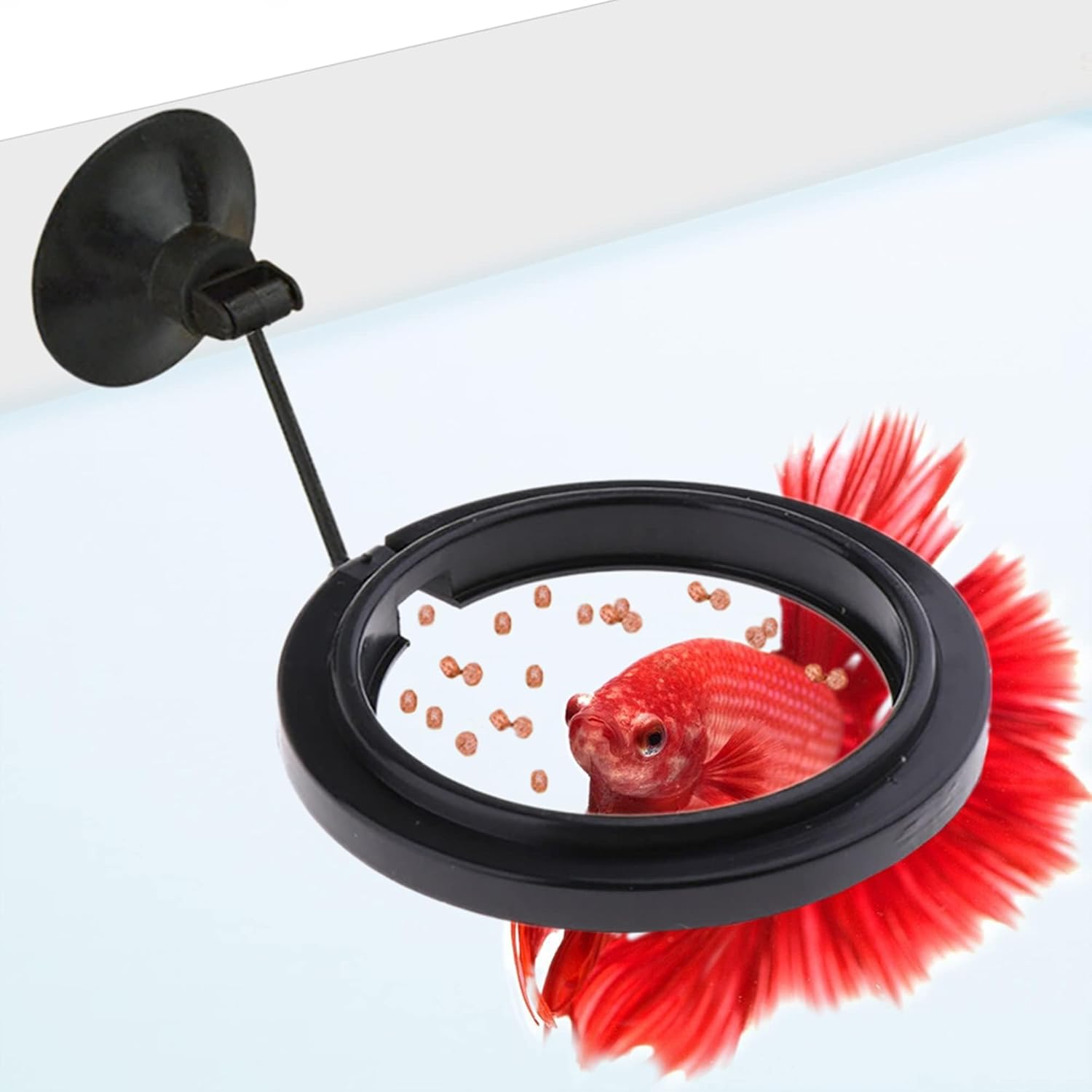
Bettas are curious fish. Make feeding time engaging. Try floating a single pellet on the surface and letting your betta hunt for it. This mimics natural foraging behavior and provides mental stimulation. You can also use a feeding ring to keep food in one spot, encouraging your betta to swim to a specific area.
Soak Freeze-Dried Food Before Feeding
Freeze-dried foods like bloodworms are great treats, but they must be soaked first. Dry food can expand inside your betta’s stomach, causing discomfort or even serious health issues. Simply drop the food in a small cup of tank water for 5-10 minutes before feeding. This softens it and makes it safe to eat.
Watch for Signs of a Good Appetite
A healthy betta with a good appetite shows these positive signs:
- Swimming eagerly to the surface when you approach the tank
- Eating food quickly and completely within 2 minutes
- Maintaining a rounded but not bloated belly
- Showing bright colors and active behavior after eating
If your betta stops eating or shows little interest in food, something might be wrong. Check water parameters first. Poor water quality often causes appetite loss. Also consider whether you’ve recently changed their food. Sometimes a switch to regular fish food from a different brand takes a few days for them to adjust. You can learn more about this in our article on Do Betta Fish Eat Regular Fish Food.
Quick Tips for Better Betta Feeding
- Feed at the surface. Bettas naturally feed near the top. Drop food where they can easily reach it.
- Remove uneaten food. Use a small net to scoop out any food your betta doesn’t eat within 2 minutes.
- Don’t hand-feed. While it seems fun, hand-feeding can introduce oils or soap residue into the tank. It can also stress some bettas.
- Use a feeding schedule. Consistency helps your betta anticipate meals and stay on a healthy routine.
- Observe your betta. Each fish is unique. Pay attention to their individual preferences and adjust accordingly.
Conclusion
Understanding how do betta fish eat their food gives you a real advantage as a betta owner. These fish have simple but specific needs. They swallow food whole, prefer surface feeding, and need the right-sized pieces to stay healthy. Their betta fish diet should be high in protein, varied in type, and controlled in portions.
By following the tips in this guide, you’ll create a feeding routine that keeps your betta happy, active, and thriving. Avoid common mistakes like overfeeding and poor food choices. Pay attention to your fish’s eating behavior and adjust as needed. Remember that every betta is different, and learning your fish’s individual preferences is part of the joy of fish keeping.
Betta fish eating behavior tells you a lot about their overall health. A happy eater is usually a healthy fish. Keep their tank clean, feed them quality food, and enjoy watching these beautiful creatures do what they do best. Your betta will thank you for it.
Frequently Asked Questions
Do betta fish chew their food before swallowing?
No, betta fish do not chew their food. They have no teeth for chewing. Instead, they grab food with their mouths and swallow it whole. Their digestive system handles breaking down the food after swallowing. Make sure food pieces are small enough to prevent choking.
How do I know if I’m feeding my betta fish the right amount?
A good guideline is to feed only what your betta can consume in about 2 minutes. Their stomach is very small, roughly the size of their eye. If food remains floating after 2 minutes, you’re feeding too much. Reduce portions and try again. Following a consistent betta fish feeding schedule helps regulate appetite.
Can betta fish eat their food at the bottom of the tank?
Bettas are surface feeders, so they prefer eating at the top. Sinking food often goes uneaten unless your betta searches for it. Over time, food sitting on the bottom rots and pollutes the water. Choose floating pellets or flakes, and remove any uneaten food promptly to maintain clean water conditions.
What should I do if my betta fish refuses to eat?
If your betta stops eating, first check water quality using a test kit. Poor water parameters are the most common cause of appetite loss. Also check the temperature, as cold water slows metabolism. Try offering a different food type, such as frozen bloodworms. If your betta still won’t eat after 2-3 days, consider consulting a fish health expert.
Is it okay to feed my betta fish multiple types of food at once?
Yes, offering variety is actually great for your betta’s nutrition. You can combine high-quality pellets with a frozen treat like bloodworms. Just keep portions small and ensure everything gets eaten within 2 minutes. Variety covers different nutritional needs and keeps betta fish mealtime interesting and engaging.
How does eating behavior change as betta fish age?
Young bettas are aggressive eaters and grow quickly, so they need more frequent small meals. Adult bettas do well with 1-2 meals per day. Older bettas may slow down and eat less, which is normal. Senior bettas sometimes prefer softer foods like soaked pellets. Always watch their eating behavior and adjust portions to match their activity level. Understanding how do betta fish eat their food at every life stage helps you provide the best care possible.