Finding a healthy betta fish goes far beyond just picking one up from a store shelf. The best sources are specialized local fish shops, dedicated online breeders, and rescue organizations, while big-box retailers often pose significant health and welfare risks. Always prioritize sellers who provide detailed care information, pristine tank conditions, and a clear health guarantee. Your choice directly impacts the betta’s lifespan and your success as a keeper.
Key Takeaways
- Wild Origins: All pet bettas are descendants of wild Betta splendens from Southeast Asia, but modern captive breeding has created the diverse colors and fin types seen today.
- Local Fish Shops Are Gold: Independent, fish-focused pet stores are often the best source, offering healthier stock, expert advice, and the ability to inspect the fish in person before purchase.
- Avoid Big-Box Retailers: Large chain stores typically source from wholesale distributors, keeping bettas in small, stressful containers with poor water quality, leading to high mortality and chronic health issues.
- Online Requires Research: Buying bettas online can yield exceptional specimens from top breeders, but you must thoroughly vet the seller’s reputation, shipping policies, and live-arrival guarantees.
- Adoption is a Noble Option: Betta rescues and rehoming groups provide a second chance for fish in need, often with detailed history and support, though patience is required for a potentially skittish fish.
- Ethical Sourcing is Paramount: Seek out breeders and sellers who prioritize fish welfare over mass production, practice selective breeding for health, and provide proper husbandry information.
- Quarantine is Non-Negotiable: Regardless of source, always quarantine a new betta for 2-4 weeks in a separate tank to prevent introducing diseases to your established aquarium.
📑 Table of Contents
- The Vital First Step: Understanding Betta Origins
- Local Pet Stores: The Best First Stop (If You Know What to Look For)
- The Big-Box Betrayal: Why to Avoid Major Retail Chains
- Online Retailers & Dedicated Breeders: A World of Choice
- Beyond Purchase: Adoption, Rescue, and Rehoming
- Ethical Considerations and The Future of Betta Sourcing
- Bringing Your Betta Home: The Final, Crucial Steps
- Conclusion: Your Search is an Act of Advocacy
The Vital First Step: Understanding Betta Origins
Before you even begin your search, it helps to know where betta fish truly come from. The vibrant, flowing beauties in our glass tanks are all descendants of a fierce, wild fighter. The species Betta splendens, commonly called the Siamese fighting fish, is native to the shallow, slow-moving waters of Thailand, Cambodia, Vietnam, and Malaysia. In the wild, they live in rice paddies, drainage ditches, and stagnant ponds, breathing air from the surface with a specialized organ called a labyrinth.
Wild bettas are typically green, brown, or grey with short, subdued fins—a far cry from the electric blues and giant ruffles of today. The journey from wild riverbank to decorated aquarium began over a century ago with selective breeding for aggression. This later pivoted to beauty, creating the myriad color morphs (like halfmoon, plakat, and delta) we adore. So, when you ask where do you find betta fish, the answer starts with understanding that every captive betta traces back to these wild ancestors, and the ethics of its breeding and care vary dramatically along that chain.
This history matters because it highlights the disconnect between a betta’s natural needs and how they are often treated in the pet trade. A wild betta’s world is warm (78-82°F), vegetated, and spacious. The tiny, isolated cups at many stores are a world away from this. Your sourcing decision is the first and most critical act of care. It tells the industry what you will and will not accept.
The Crucial Difference Between Captive-Bred and Wild-Caught
It is extremely rare and generally discouraged to find a truly wild-caught betta for the aquarium hobby. The vast, vast majority of bettas are captive-bred through generations. This is a good thing for conservation, as it removes pressure from wild populations. However, “captive-bred” is a broad term that spans a spectrum from horrific mass-production facilities to meticulous, health-focused hobbyist breeders.
The key distinction is not wild vs. captive, but rather the conditions of that captivity. A betta from a breeder who selects for robust health, proper fin structure, and temperament is a world apart from one from a facility that breeds thousands in bare, stacked trays with no enrichment. When you ask where do you find betta fish, you are ultimately asking about the philosophy and conditions of the breeder or distributor behind that fish.
Local Pet Stores: The Best First Stop (If You Know What to Look For)
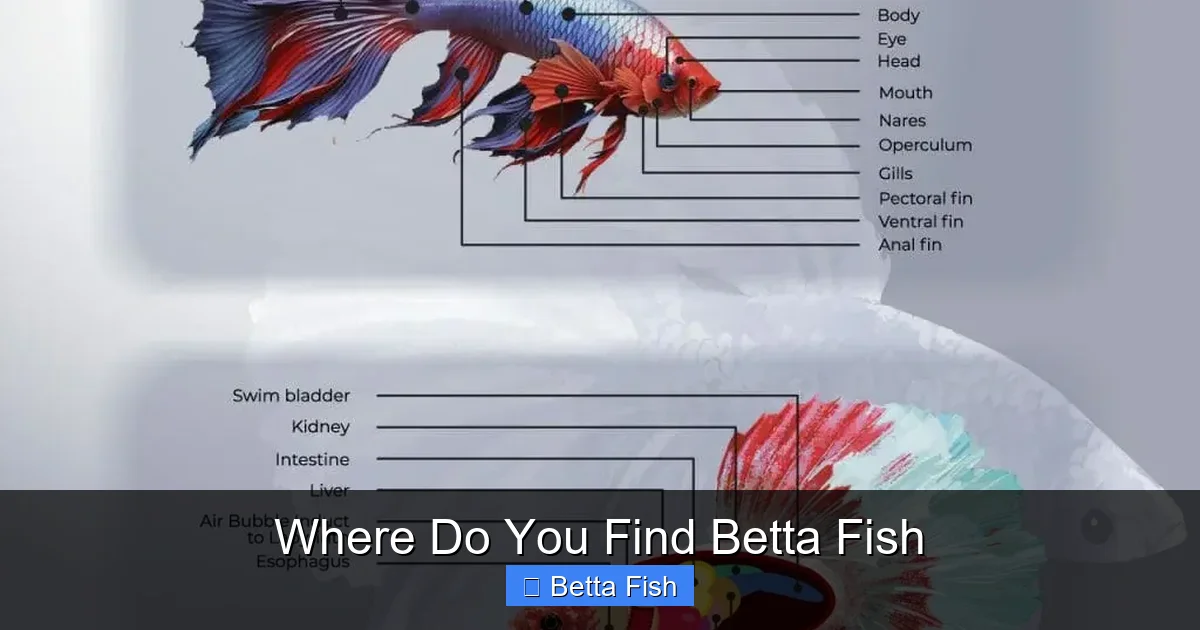
For many enthusiasts, the ideal starting point is a local, independent pet store that specializes in fish. These are not the giant corporate chains, but the family-run shops where the owner’s name is on the door and their passion is evident. Here, you can see the fish in person, assess their health directly, and ask detailed questions of knowledgeable staff.
Visual guide about Where Do You Find Betta Fish
Image source: ekk4j69ebaa.exactdn.com
Finding such a store requires a bit of legwork. Use online maps and reviews, searching for terms like “fish store,” “aquarium shop,” or “specialty pet store.” Look for stores with active social media pages showing their fish stock and tank setups. A good sign is a dedicated betta display—not just a single row of cups, but individual, filtered, heated tanks or spacious containers with plants and hiding spots.
What a Healthy Local Betta Setup Looks Like
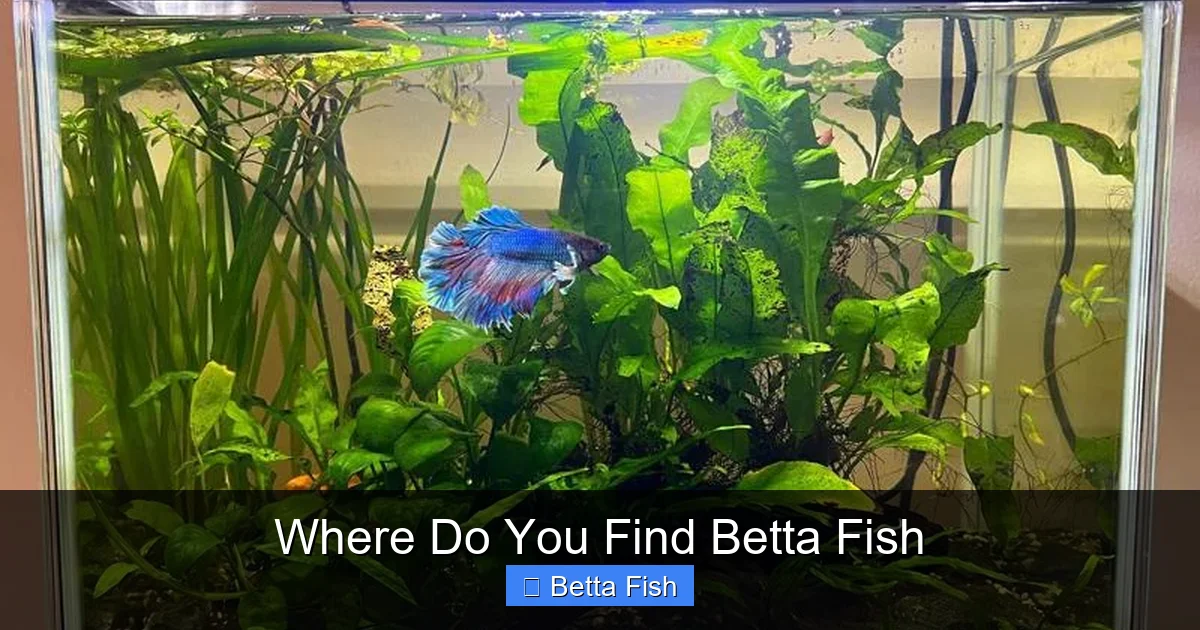
When you visit, do a quick environmental scan. The water should be clear, not cloudy or algae-choked. Tanks should have gentle filtration (betta fins are delicate) and, most critically, a reliable heat source. You should see thermometers. Each betta should have a minimum of a gallon of clean, warm water, with plants (real or silk) for security. A stressed betta will be pale, clamped (fins held tight), and hiding. A healthy one is alert, with vibrant color, fins slightly spread, and active interest in your approach.
Ask the staff specific questions: “How often do you change the water in these display tanks?” “What do you feed them?” “Do you know when this fish arrived?” A knowledgeable, proud owner will have detailed answers. They should be able to tell you the betta’s age (ideally 3-6 months old is prime) and any known quirks. This interaction is invaluable and something no online description can replicate.
The Pitfalls of Farm & Feed Stores
Not all local stores are created equal. Large farm supply or general “farm & feed” stores often have a small pet section where bettas are treated as an afterthought. They may be housed in tiny, unheated containers on a shelf near dog food. The turnover can be high, but the care is almost always minimal. While you might occasionally find a healthy survivor, the risk of purchasing a fish already compromised by poor conditions (like fungal infections, fin rot, or parasites) is very high. It’s generally worth bypassing these for a dedicated fish store.
The Big-Box Betrayal: Why to Avoid Major Retail Chains
This section is blunt for a reason: the single most common and damaging source for beginner betta owners is the large, national pet supply chain. Here, where do you find betta fish often means a small, plastic cup on a crowded shelf. These stores source from massive wholesale distributors who prioritize volume over welfare. The bettas arrive in shipping boxes, are quickly unpacked into their display cups, and may sit there for weeks with infrequent water changes and no heat.
Visual guide about Where Do You Find Betta Fish
Image source: acaquarium.com
The “cup system” is a welfare disaster. Bettas are territorial and intelligent; a cup provides no stimulation, no space to flare or explore, and poor water quality. They live in their own waste. The stress suppresses their immune system, making them vectors for disease like velvet, dropsy, or internal parasites. You are not buying a “deal”; you are often buying a fish already on the brink, with a high probability of dying within weeks, regardless of your excellent care at home. The visual appeal of a “cheap” price is almost always a false economy.
The Hidden Costs of a “Convenient” Purchase
The financial cost extends beyond the $5-$10 price tag. You will likely need to invest in medications, a proper quarantine setup, and potentially a replacement fish. The emotional cost of watching a vibrant betta rapidly decline is far greater. Furthermore, by purchasing from these stores, you financially support a supply chain that perpetuates these conditions. Your dollar is your vote. Choosing not to buy from these outlets is a direct statement that such practices are unacceptable.
There are rare, positive exceptions. A few chains have made efforts to improve, using larger, filtered, heated display systems. If you must shop at a chain, be a hyper-vigilant inspector. Demand to see the filtration and heating systems. Look for individual bettas in at least 0.5-gallon containers with plants and clean water. If the setup fails this basic test, walk away. No fish is worth supporting that level of neglect.
Online Retailers & Dedicated Breeders: A World of Choice
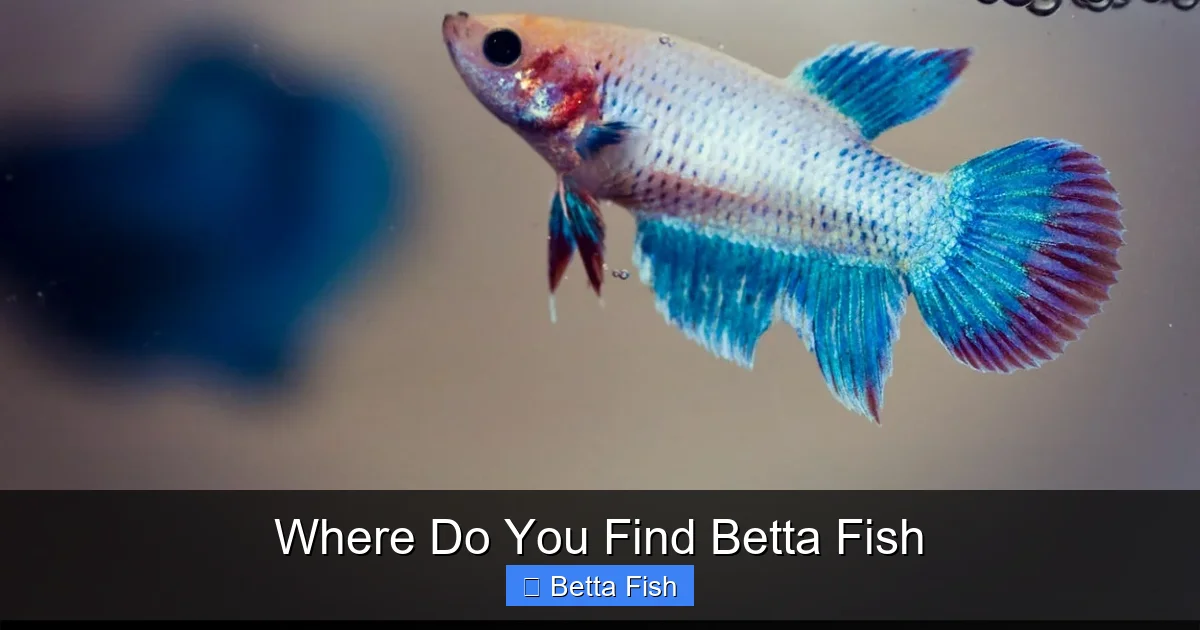
The internet has revolutionized the betta hobby, connecting buyers directly with passionate, small-scale breeders across the country and globe. This is where you find the truly exceptional, show-quality bettas with perfect symmetry, vivid color, and massive, healthy fins. However, the online world is also a minefield of scams and irresponsible sellers. Success here depends entirely on research.
Visual guide about Where Do You Find Betta Fish
Image source: buildyouraquarium.com
Start your search on platforms like Aquabid, or better yet, find breeders directly through social media (Instagram, Facebook groups like “Betta Fish Addicts”). Look for breeders with a consistent, transparent history. They should have a professional website or established sales thread with clear pricing, shipping policies, and customer feedback/testimonials.
Vetting an Online Seller: The Essential Checklist
Before you even consider a purchase, grill the seller. A reputable breeder will welcome questions.
- Health Guarantee: What is their policy? Do they offer a live-arrival guarantee (typically 24-48 hours)? A guarantee for a certain number of days (e.g., 7-14 days) against specific diseases is a major green flag.
- Shipping Method: How are fish shipped? They should use insulated boxes with heat or cold packs depending on season, and oxygenated bags. Shipping should be overnight or 1-2 day max. Ask about their shipping cutoff times and days (they shouldn’t ship on Fridays or before holidays).
- Quarantine Practices: A good breeder quarantines all new stock for at least 30 days before selling. Ask if they do this. It’s a critical sign of professionalism.
- Photos & Video: They should provide current, clear photos and video of the exact fish you’re buying, not just stock photos. Video shows movement and fin integrity.
- Care Information: Do they provide detailed care sheets? A breeder who cares about the fish’s future will educate you.
Beware of prices that seem too good to be true. A $20 halfmoon from a top breeder is a red flag; it might be a poorly bred fish or a scam. Expect to pay $40-$150+ for a quality specimen. The investment reflects the time, expertise, and husbandry that went into raising that fish from a tiny fry to a stunning adult.
Navigating Shipping Stress
Even from the best breeder, shipping is incredibly stressful for a betta. Upon arrival, your fish may be lethargic, clamped, or discolored. Do not panic. This is often just shock. Immediately acclimate the bag to your tank’s temperature by floating it for 15-20 minutes. Then, gently net the fish into its prepared, cycled quarantine tank. Do not pour shipping water into your system. Offer a small, easily digestible meal (like frozen daphnia) after 24 hours if the fish is active. Monitor closely for the next week. A well-packaged fish from a reputable seller will recover from transit shock in a few days.
Beyond Purchase: Adoption, Rescue, and Rehoming
Not every betta needs to come from a commercial source. Adoption is a compassionate and increasingly popular option. Dedicated betta rescue organizations, often run by volunteers via Facebook or dedicated websites, save fish from neglectful situations, store returns, or owner surrenders. These groups provide medical treatment, quarantine, and foster care before placing the fish in a vetted, permanent home.
Finding a betta to adopt usually involves filling out an application, sometimes with a small donation to cover medical costs. The process can take time as you wait for a suitable match. The fish available are often adults with established personalities. Some may have minor past health issues (like healed fin damage) but are otherwise perfectly healthy. Adopting a rescue betta is a deeply rewarding experience, giving a second chance to a fish that has often known hardship.
Rehoming and “Free to Good Home” Listings
You can also find bettas through local rehoming posts on community boards (like Craigslist, Facebook Marketplace, or Nextdoor). Owners may be moving, losing interest, or unable to care for a fish. These can be excellent opportunities, as you often get the entire setup (tank, filter, heater) for a low cost or free. However, caution is paramount. You must ask the same probing questions as you would a seller: Why are they rehoming? What is the fish’s health history? Can you see the current tank and water conditions? Be prepared for a betta that may be stressed from a move and require extra patience. Always quarantine a rehomed fish; its previous care is an unknown variable.
The Emotional and Practical Rewards of Adoption
A rescue betta might not be as “flashy” as a newly purchased one, but the bond can be stronger. You are providing a safe, stable environment to a creature that may have known instability. These fish often show remarkable resilience and gratitude. The rescue community is also an fantastic support network, offering advice specific to your fish’s history. While the initial health might be uncertain, with proper care, a rescued betta can thrive for years, becoming a stunning centerpiece in your aquarium.
Ethical Considerations and The Future of Betta Sourcing
Your search for a betta is more than a transaction; it’s an ethical choice that supports a particular model of animal husbandry. The worst practices in the betta trade are fueled by consumer demand for cheap, impulse buys. By consciously choosing to buy from—or adopt from—ethical sources, you help shift the market. You support breeders who see bettas as living beings, not disposable commodities, and who work to improve the breed’s health (fighting fin-biting, poor body form, and genetic defects).
Red Flags of Irresponsible Breeding
Be aware of practices that prioritize looks over health. Extreme fin mutations, like oversized halfmoon tails that constantly drag and tear, or “dragon scale” bettas prone to scale loss, are often the result of inbreeding and poor genetics. Avoid breeders who consistently produce these extreme types without acknowledging their health drawbacks. Also, be wary of “mystery” or “fry” sales where you buy a juvenile of unknown sex or quality. Reputable breeders sell young adults whose sex and quality are confirmed.
Supporting Conservation in the Hobby
Interestingly, the popularity of wild-type bettas (the natural, greenish-brown forms with short fins) is growing among purists. These fish, often sourced from specialized breeders working with wild-caught imports, help maintain genetic diversity and connect keepers to the species’ natural history. Supporting these breeders encourages conservation-minded practices. Furthermore, some hobbyists and organizations support in-situ conservation projects in Southeast Asia to protect the wild habitats of Betta splendens and its many fascinating cousin species. Your interest in proper sourcing can extend to supporting these broader efforts.
Bringing Your Betta Home: The Final, Crucial Steps
So, you’ve found your betta from a source you trust. The journey isn’t over. How you introduce your new fish to its home is critical for its long-term health, regardless of its origin. The single most important rule is quarantine. Never, under any circumstances, directly introduce a new betta to your main display tank.
The Non-Negotiable Quarantine Tank
A quarantine tank is a simple, bare setup: a 5-10 gallon tank with a heater (set to 78-80°F), a gentle sponge filter (to avoid fin damage), and a few silk plants or a hide for security. No substrate is easiest for cleaning. This tank is cycled and ready before your betta arrives. You will house the new betta here for a minimum of 2 weeks, preferably 4. During this time, you observe for any signs of disease: clamped fins, lethargy, white spots (ich), cotton-like growth (fungus), raised scales (dropsy), or scratching on objects (velvet/parasites). Feed a high-quality diet. This period protects your entire aquarium ecosystem from a potential outbreak.
Proper Acclimation and Long-Term Care
When your betta arrives (whether from a store or shipped), float the bag in the quarantine tank for 15-20 minutes to equalize temperature. Then, slowly add small amounts of quarantine tank water to the bag over 30-45 minutes. Finally, net the betta out and gently place it in the tank. Discard the bag and its water. Do not feed for the first 24 hours. Offer a tiny meal after that.
Remember the betta’s wild needs: warm, clean water, and places to rest near the surface (a floating leaf or hammock is ideal). Perform regular water changes (25-50% weekly in the quarantine tank, more in the main tank). Feed a varied diet of high-quality pellets, frozen or live foods like daphnia or brine shrimp. A well-sourced betta, given proper care from day one, will reward you with years of vibrant life and fascinating behavior.
Conclusion: Your Search is an Act of Advocacy
To answer where do you find betta fish is to answer what kind of fish keeper you want to be. The path of least resistance—grabbing a cup from a big-box shelf—is a path that perpetuates suffering and often leads to heartbreak. The path of research, patience, and ethical choice leads to a healthier, more vibrant companion and supports a growing community of responsible breeders and rescuers. Start your search at a local fish shop, explore the online breeder world with diligence, or open your home to a rescue. Ask hard questions, inspect conditions, and never underestimate the power of your choice. The betta you bring home is a direct reflection of the value you place on its life. Choose wisely, and you’ll be rewarded with one of the most captivating and personable fish in the hobby.
Frequently Asked Questions
Can you find betta fish in the wild?
Yes, wild Betta splendens still exist in shallow waters across Southeast Asia, but they are not typically collected for the pet trade today. All aquarium bettas are captive-bred descendants of these wild fish. Some specialty breeders work with wild-caught imports to preserve genetic diversity, but these are rare and not for beginners.
Is it ever safe to buy a betta from a big-box pet store?
While possible to find a healthy individual, it is statistically unlikely and carries high risk. The standard cup display system causes chronic stress and poor health. If you must, inspect the store’s setup meticulously—look for heated, filtered individual tanks with clean water. If the store fails this basic test, the ethical and practical choice is to shop elsewhere.
How do I know if an online betta breeder is reputable?
Look for a professional online presence with clear policies, customer reviews, and photos/video of their actual stock. They should offer a live-arrival guarantee, practice quarantine, and be willing to answer detailed questions about their breeding and shipping practices. Avoid sellers with prices that seem too low or stock photos. Seek recommendations from established betta forums or social media groups.
Do I need to quarantine a betta from a reputable local fish store?
Yes, absolutely. Even the healthiest-looking betta from the best store could be carrying a latent disease or parasite. A 2-4 week quarantine in a separate, cycled tank is the only way to protect your main aquarium’s inhabitants. This is a fundamental rule of responsible fishkeeping, regardless of source.
Can I keep a betta from a rescue with my other fish?
Only after a full quarantine period. A rescue’s health history is often unknown, so quarantine is even more critical. Once cleared, you must research betta compatibility thoroughly. Bettas are often aggressive, especially males. Tankmates must be peaceful, fast-moving, and not resemble other bettas (no long, flowing fins). Always have a backup plan and a separate tank ready.
Why is my new betta from a good source still pale and clamped?
This is almost always stress from transport and a new environment. Even from the best source, moving is traumatic. Ensure your tank is properly heated (78-80°F), has hiding spots, and has pristine water. Give it a few days to a week to acclimate without disturbance. Offer high-quality food. If the pallor and clamping persist beyond a week or other symptoms appear, it may indicate an underlying illness that was incubating.