How Can I Feed Other Fish in My Betta Tank
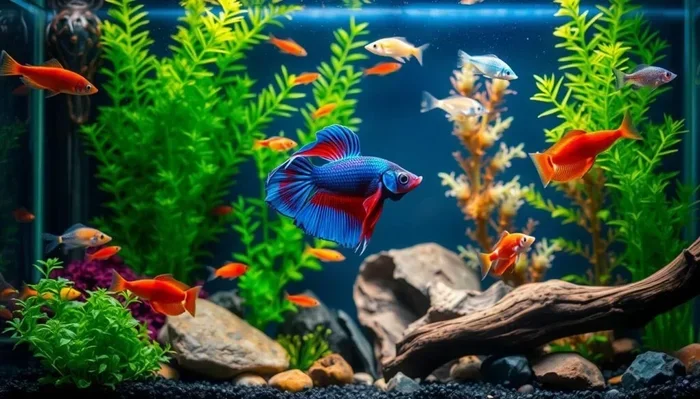
Feeding other fish in a betta tank requires careful planning and the right strategy. You need to choose compatible tank mates, pick foods that work for everyone, and watch for signs of stress during mealtime. This guide covers betta tank feeding tips, food types, schedules, and common mistakes to help you keep all your fish healthy and well-fed.
Keeping a betta tank with other fish can be a rewarding experience. But one of the biggest challenges is making sure every fish gets fed properly. Bettas can be picky eaters, and they sometimes bully other fish during mealtime. If you have ever wondered how to feed other fish in the same tank as your betta, you are not alone.
This guide walks you through everything you need to know about feeding fish together in a betta tank. From choosing the right foods to setting up a feeding routine, you will find practical tips that actually work. Whether you just added tank mates or are planning to, this article has you covered.
Key Takeaways
- Choose the right tank mates: Not all fish can share a tank with a betta. Pick peaceful species that won’t compete or trigger aggression.
- Use the right food for all fish: Some fish need different diets. Find foods that meet the needs of both your betta and other species.
- Feed in small portions multiple times a day: This reduces waste and ensures every fish gets enough to eat.
- Watch for feeding aggression: Bettas can be territorial at mealtime. Use feeding rings or target feeding to prevent bullying.
- Adjust feeding based on tank size: Overfeeding is a real risk in smaller tanks. Less is often more when sharing a tank.
- Clean up leftovers quickly: Uneaten food degrades water quality fast, which harms all fish in the tank.
📑 Table of Contents
- Why Feeding Other Fish in a Betta Tank Can Be Tricky
- Choosing the Right Food for a Mixed Betta Tank
- How to Set Up a Feeding Routine for Multiple Fish
- Tips to Prevent Aggression During Feeding Time
- How Much Should You Feed Other Fish in a Betta Tank?
- Special Considerations for Different Tank Mates
- Common Mistakes to Avoid When Feeding Fish in a Betta Tank
- Final Thoughts on Feeding Other Fish in Your Betta Tank
Why Feeding Other Fish in a Betta Tank Can Be Tricky
Bettas are naturally territorial. They guard their space and can become aggressive when food is involved. This makes feeding multiple fish in a shared tank a bit tricky. Some fish eat fast, while others are slow eaters. If you are not careful, one fish may end up eating everything while the others go hungry.
Another challenge is that different fish species have different dietary needs. Bettas are carnivores and need protein-rich food. Other fish, like tetras or corydoras, may need more plant-based or omnivore diets. So you cannot just throw one type of food in the tank and expect everyone to thrive.
Before adding any tank mates, it helps to research what fish can I put in my betta tank. Choosing compatible species makes the feeding process much smoother and less stressful for everyone.
Common Feeding Problems in Betta Tanks
- Betta bullies other fish: Your betta may chase other fish away from the food.
- Uneaten food sinks and rots: This pollutes the water and harms all fish.
- Overfeeding happens fast: Small tanks collect waste quickly, leading to poor water quality.
- Slow eaters miss out: Fish like corydoras or shrimp may not get enough food.
- Aggression spikes during meals: Some fish become territorial when food is present.
Knowing these problems ahead of time helps you plan a better feeding strategy. The good news is that most of these issues can be solved with a few simple adjustments.
Choosing the Right Food for a Mixed Betta Tank
When you have multiple fish species in one tank, one size does not fit all. You need to pick foods that work for your betta and your other fish. The goal is to find a balance that meets everyone’s nutritional needs without overfeeding.
Best Food Options for Bettas
Bettas do best on a diet rich in protein. Here are some top food choices:
- Betta pellets: These are specially made for bettas and sink slowly, giving other fish time to eat too.
- Frozen bloodworms: A favorite treat for bettas. They also attract other fish to the feeding area.
- Brine shrimp: Nutrient-dense and easy for most fish to eat.
- Daphnia: Great for digestion and safe for most tank mates.
Foods That Work for Multiple Fish Species
If you want to simplify feeding, look for foods that both bettas and other fish enjoy. Here are some options:
- Sinking pellets for omnivores: These work well for bottom feeders like corydoras and also attract bettas.
- Flake food: Many community fish eat flakes, and bettas will often nibble on them too.
- Freeze-dried bloodworms: A shared favorite among bettas, tetras, and gouramis.
- Vegetable matter: Blanched spinach or zucchini can feed herbivore tank mates while your betta ignores them.
Keep in mind that not every food suits every fish. If you are unsure about a specific species, it is worth checking out can I put other fish in with a betta for guidance on compatible diets and tank setups.
How to Set Up a Feeding Routine for Multiple Fish
A consistent feeding routine makes a huge difference. When fish know when and where food appears, they become less stressed. This is especially important in a betta tank where territorial behavior can flare up during meals.
Feeding Schedule Tips
- Feed small amounts 2 to 3 times a day. This prevents overfeeding and gives slow eaters a chance to grab food.
- Feed at the same times each day. Fish respond well to routine. They will learn to come to the feeding area at set times.
- Spread food across the tank. Drop some food near your betta and some near the bottom for other fish.
- Remove uneaten food after 2 to 3 minutes. This keeps the water clean and prevents health issues.
Using a Feeding Ring
A feeding ring is a small circle you place on the water surface. You drop food inside the ring, and it stays contained. This is a great way to make sure your betta eats first without stealing food from other fish. Many betta owners swear by feeding rings because they reduce aggression during mealtime.
Target Feeding for Slow Eaters
If you have fish like corydoras or shrimp that eat slowly, try target feeding. Use a pipette or turkey baster to drop food directly near them. This way, they get their share without competing with faster eaters. It takes a little extra effort, but your slow eaters will thank you.
Tips to Prevent Aggression During Feeding Time
Feeding time is when tank aggression is most likely to show up. Bettas may flare at other fish that come near their food. Other fish may nip or chase. The key is to manage the feeding environment so that everyone stays calm.
Strategies to Reduce Feeding Aggression
- Distract your betta first: Drop a small pellet near your betta before feeding other fish. This keeps them occupied.
- Feed in different spots: Spread food across the tank so fish do not crowd one area.
- Use a tank lid with a lid: If your betta jumps during feeding, a lid keeps them safe and focused.
- Add plants and hiding spots: Fish that feel safe are less likely to act aggressively at mealtime.
- Feed your betta first: A full betta is a calmer betta. Give them their food first, then feed other fish.
If you are dealing with a particularly aggressive betta, you might want to look into whether your tank setup is right. Sometimes the issue is not the food but the tank environment. Checking out resources like can I put algae eaters in with my betta fish can give you ideas for peaceful tank mates that won’t cause feeding conflicts.
How Much Should You Feed Other Fish in a Betta Tank?
Overfeeding is one of the most common mistakes in mixed tanks. When multiple fish are eating, it is easy to think they need more food than they actually do. But excess food sinks to the bottom, rots, and releases harmful chemicals into the water.
Here is a simple rule of thumb: feed only what each fish can eat in 2 to 3 minutes. For a betta, that is usually 2 to 3 pellets or a small pinch of food. For smaller fish like tetras or rasboras, even less is needed.
Signs You Are Overfeeding
- Food sits on the bottom of the tank for more than a few minutes.
- The water becomes cloudy or develops a bad smell soon after feeding.
- Your betta seems bloated or refuses food at the next feeding.
- Algae starts growing faster than usual due to excess nutrients.
When in doubt, feed less. Fish can go a day without food without any harm, but overfeeding can cause serious water quality problems fast. If you ever need to leave your tank for a few days, most healthy fish can handle a short fasting period just fine.
Special Considerations for Different Tank Mates
Not all fish eat the same way or at the same speed. Understanding how each species feeds helps you create a routine that works for everyone.
Feeding Bottom Dwellers
Fish like corydoras, kuhli loaches, and shrimp tend to eat from the bottom of the tank. They need food that sinks. You can use sinking pellets or wafers designed for bottom feeders. Drop the food near the substrate and let them find it. Your betta will likely ignore this food, which is actually a good thing because it means the bottom dwellers get their share.
Feeding Mid-Level Fish
Tetras, rasboras, and guppies swim in the middle of the tank. They eat flake food, small pellets, and even frozen foods. These fish are generally fast eaters, so they may grab food before your betta notices. To level the playing field, feed your betta first and then sprinkle food for the mid-level fish.
Feeding Top Dwellers
Fish like hatchetfish or certain types of gouramis stay near the surface. They prefer floating food. Since bettas also feed at the surface, there can be competition. Using a feeding ring helps here too. It keeps the betta focused on one spot while other top dwellers eat from a different area.
Common Mistakes to Avoid When Feeding Fish in a Betta Tank
Even experienced fish keepers make mistakes when feeding a mixed tank. Here are some common errors to watch out for:
- Feeding too much at once: This is the number one mistake. Excess food ruins water quality fast.
- Ignoring slow eaters: Fish like shrimp or corydoras get pushed aside if you do not target feed them.
- Using the wrong food type: Not all fish can digest the same foods. Betta pellets are great for bettas but may not provide enough nutrition for omnivore tank mates.
- Skipping water changes after overfeeding: If you accidentally overfeed, do a partial water change to remove waste and toxins.
- Not adjusting the routine as fish grow: Bigger fish need more food. Smaller fish need less. Adjust as your tank community changes.
Another mistake is assuming all fish in the tank are getting enough food. Watch your fish closely after each feeding. Are they all eating? Is anyone hiding or looking thin? These are signs that your feeding routine needs tweaking.
Final Thoughts on Feeding Other Fish in Your Betta Tank
Feeding other fish in a betta tank does not have to be stressful. With the right food, a solid routine, and a little extra attention, you can keep every fish in the tank healthy and well-fed. Start by choosing compatible tank mates, pick foods that work for everyone, and set up a feeding schedule that suits your setup.
Remember that every tank is different. What works for one betta tank may not work for another. Pay attention to your fish, adjust as needed, and do not be afraid to experiment. The more you learn about your fish and their needs, the easier feeding becomes. If you are still deciding on tank mates, check out can I have 2 betta fish in 1 tank for more advice on managing multiple fish in a shared space.
The most important thing is to keep an eye on your fish during feeding time. A calm, well-fed tank is a happy tank. And a happy tank means healthier fish, cleaner water, and a more enjoyable experience for you as the keeper. So take your time, get to know your fish, and enjoy the process of building a thriving community tank.
Frequently Asked Questions
Can bettas and other fish eat the same food?
Sometimes yes, but not always. Bettas need protein-rich food, while other fish may need a more balanced or plant-based diet. Look for foods that work for both species, like sinking pellets or freeze-dried bloodworms that most fish enjoy.
How many times a day should I feed fish in a betta tank?
Feeding 2 to 3 times a day in small portions works best. This prevents overfeeding and gives every fish a chance to eat. Stick to a consistent schedule so your fish know when to expect food.
What should I do if my betta steals all the food?
Try feeding your betta first with a small portion so they are less hungry. Then scatter food for other fish in different parts of the tank. A feeding ring can also help keep your betta focused in one spot.
Can I feed my betta and other fish at the same time?
Yes, but spread the food out. Drop some near your betta and some toward the bottom or sides of the tank for other fish. This reduces competition and helps slower eaters get their share.
Is it okay to skip feeding other fish if my betta seems full?
Do not skip feedings for other fish just because your betta is full. Different fish have different energy needs. If your betta has had enough, remove their food and make sure the other fish still get their portion.
How do I know if my other fish are getting enough to eat?
Watch your fish after each feeding. Look for signs like fish hovering near the bottom, hiding more than usual, or losing color. These can mean they are not getting enough food and you may need to adjust your feeding routine.
=== CONCLUSION ===
Feeding other fish in your betta tank is all about balance and observation. Pick the right foods, set up a consistent routine, and keep an eye on how each fish behaves during meals. With the tips in this guide, you can create a feeding setup that works for everyone in your tank. Your betta and their tank mates will be healthier, happier, and less stressed. Start applying these strategies today and enjoy a more harmonious feeding experience in your betta tank.