User Safety safe
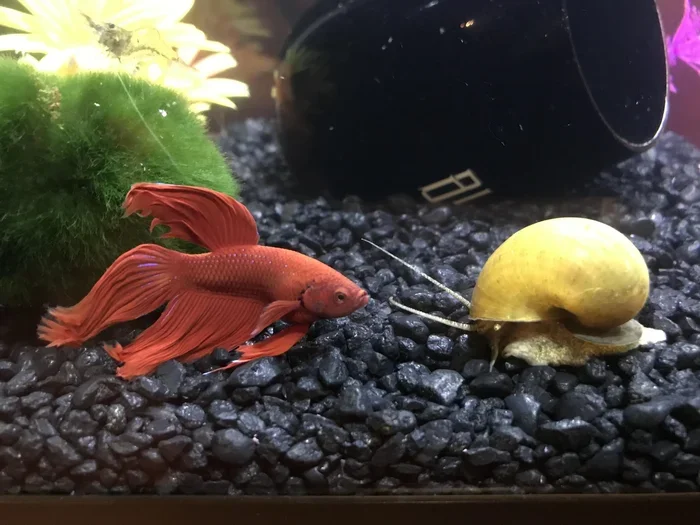
Putting snails in a betta fish tank can be a smart move if done right. This guide walks you through snail compatibility, the benefits they bring, and how to avoid common pitfalls. You’ll discover which snail species thrive with bettas, how they help keep the tank clean, and what signs to watch for to ensure both pets stay happy and healthy.
If you’ve ever stared at a calm betta floating near a glass wall, you might think about adding a little extra life to the environment. Snails can bring movement, curiosity, and practical help to a betta aquarium. But the question many beginners ask is: can you put snails in a betta fish tank? The short answer is yes—but only if you follow the right steps. This article will guide you through the entire process, from choosing the perfect snail species to maintaining a harmonious tank ecosystem. By the end, you’ll have a clear roadmap to safely introduce snails and enjoy the many benefits they provide.
Key Takeaways
- Compatibility Matters: Choose peaceful snail species that won’t stress your betta or compete for food.
- Natural Cleaners: Snails help control algae, leftover food, and waste, acting as living filter keepers.
- Risk Awareness: Overpopulation, aggression, and disease can arise if you ignore proper tank balance.
- Best Species: Nerite, Mystery, and Assassin snails are top picks for betta tanks.
- Tank Setup: Stable water parameters, hiding spots, and adequate space keep both creatures comfortable.
- Ongoing Care: Regular feeding, water changes, and monitoring prevent problems and promote a healthy ecosystem.
- Long‑Term Benefits: A well‑balanced snail‑betta tank adds beauty, reduces maintenance, and creates an engaging environment.
📑 Table of Contents
Why Consider Adding Snails to a Betta Tank?
When you think about tank mates for a betta, snails might not be the first creatures that come to mind. Yet, they can be excellent additions for several reasons. First, snails act as natural cleaners. They graze on algae, sift through substrate, and eat leftover food that would otherwise decompose and cloud the water. This helps keep the water crystal clear and reduces the workload for you.
Second, watching a snail slowly explore the décor adds visual interest. Their gentle movements can be soothing for betta owners, especially when the betta itself seems bored. Finally, a healthy snail population can contribute to a balanced ecosystem. They break down organic waste, which can improve water quality over time.
For more detailed information on how living cleaners can help, you might want to read our guide on tank cleaning fish. It covers similar principles and offers extra tips for maintaining a pristine aquarium.
Understanding Betta Behavior and Snail Compatibility
Betta fish are known for their vibrant colors and territorial nature. In the wild, they patrol small pools and protect their space fiercely. When you introduce a snail, the betta’s reaction can vary. Some bettas ignore snails completely, while others may see them as potential food.
Research shows that slow‑moving, non‑aggressive snail species are less likely to trigger a betta’s hunting instinct. Snails that stay near the bottom or on surfaces, rather than darting across the tank, tend to be safer choices. Also, the size of the snail matters. Tiny baby snails are more vulnerable, whereas larger, adult snails can defend themselves better.
Additionally, the tank environment plays a huge role. If the betta has plenty of hiding spots, live plants, and room to swim, it will feel more secure and less likely to chase the snail. A stressed betta may become aggressive, so always monitor both fish and snail closely during the first few days.
Benefits of Keeping Snails with Bettas
Natural Cleaning and Waste Management
Snails are efficient at consuming algae and leftover food particles. They help keep the tank walls clear of unsightly brown or green films. In addition, their feeding activity aerates the substrate, which can improve oxygen exchange and reduce harmful buildup.
Improved Water Quality
When snails break down organic matter, they convert it into less harmful substances. This natural process can lower ammonia spikes and keep nitrate levels more stable. Many betta owners notice clearer water and fewer water change requirements when a healthy snail population is present.
Educational and Aesthetic Value
Watching a snail glide across a leaf or a rock provides a calming visual. It can also be a teaching moment for new aquarium keepers, showing how different species can coexist. The gentle presence of a snail can also reduce the betta’s stress by adding a subtle, living element to the tank.
Potential Risks and Common Pitfalls
Aggression and Predation
Although many bettas ignore snails, some will view them as snacks. If you notice your betta constantly chasing or attempting to eat the snail, it’s best to remove the snail or provide more hiding places for the snail. A betta’s aggressive behavior can be stressful for both animals.
Overpopulation
Snails reproduce quickly, especially species like Mystery snails. Without control, you might end up with too many snails competing for food and space. Overpopulation can lead to overcrowding, poor water quality, and increased waste.
For a broader perspective on adding companions to a betta tank, see our article on other fish compatibility. It explores how different species interact and what to watch for when mixing aquatic life.
Disease Transmission
Snails can carry parasites or bacteria that might affect bettas. Always quarantine new snails for at least 2‑4 weeks, observing them for signs of illness before introducing them to the betta tank. Clean water changes and regular health checks reduce this risk.
Choosing the Right Snail Species for Your Betta
Not all snails are created equal when it comes to betta tanks. Here are some top choices that tend to thrive alongside bettas:
- Nerite Snails: Small, peaceful, and excellent algae eaters. Their zebra pattern adds visual interest without overwhelming the betta.
- Mystery Snails (Malaysian Trumpet): Larger, they help clear debris from the substrate and can tolerate a range of water parameters.
- Assassin Snails: Predatory by nature, they can help control snail overpopulation, but they must be used carefully to avoid harming other tank mates.
- Japanese Trapdoor Snails: Quiet bottom dwellers that stay out of the betta’s way while providing substrate aeration.
- Goldner Snails: Brightly colored and gentle, they are a good choice for visually appealing tanks.
For detailed care instructions on freshwater snails, check out our dedicated guide at freshwater snails in betta tanks. It covers feeding, breeding, and troubleshooting common issues.
Setting Up the Ideal Environment
Water Parameters
Bettas prefer warm water between 78‑82°F (25‑28°C) with a pH of 6.5‑7.5. Most snail species can adapt to similar ranges, but avoid extreme fluctuations. Use a reliable heater and test the water weekly to maintain stability.
Tank Size and Space
A 5‑gallon tank is the minimum for a single betta, and adding snails requires extra volume. More water dilutes waste and gives snails room to roam. Provide at least 2‑3 gallons per snail to reduce competition.
Hiding Spots and Décor
Snails love caves, driftwood, and live plants. These features give them places to hide from a curious betta. Java fern, Anubias, and Amazon swords are excellent choices. They also help replicate a natural habitat, which benefits both fish and snails.
Substrate Choice
A fine, smooth substrate like sand or fine gravel works well. Snails use their foot to explore and can injure themselves on sharp or rough surfaces. Also, avoid substrates with sharp stones that could damage the snail’s soft body.
Caring for Snails in a Betta Tank
Feeding
Snails are omnivores. Offer them commercial snail pellets, blanched vegetables (like zucchini or spinach), and occasional protein treats such as shrimp or fish food. Feed sparingly—about a pinch once a day—to prevent water fouling.
Water Maintenance
Regular water changes (10‑15% weekly) keep nitrate levels low and support snail health. Because snails contribute to waste breakdown, monitor ammonia and nitrite closely, especially during the first month after introduction.
Health Monitoring
Look for signs of stress or illness: a withdrawn snail hiding constantly, discoloration, or visible lesions. Healthy snails move steadily, explore surfaces, and have clear shells. If you notice problems, consider adjusting temperature, checking water chemistry, or quarantining the snail.
Conclusion
Adding snails to a betta fish tank can be a rewarding experience when done thoughtfully. By selecting compatible species, creating a stable environment, and staying vigilant about health and behavior, you can enjoy the many benefits snails bring—natural cleaning, aesthetic appeal, and a more dynamic ecosystem. Remember to research each snail type, monitor interactions, and keep the tank balanced. With these guidelines, your betta and new snail friends will thrive together, creating a beautiful and harmonious aquarium that you can be proud of.
Start slowly, observe closely, and adjust as needed. The journey of creating a thriving betta‑snail tank is both educational and rewarding. Happy fishkeeping!
Frequently Asked Questions
Can betta fish eat snails?
Yes, some bettas will view small snails as food. Choose larger, slower snails and provide plenty of hiding spots to reduce the chance of predation.
What snail species are safest with bettas?
Nerite snails, Mystery snails, and Japanese Trapdoor snails are generally peaceful and compatible with bettas when tank conditions are stable.
How many snails can I add to a betta tank?
A good rule of thumb is 1 snail per 2‑3 gallons of water. Start with one or two and observe how they interact before adding more.
Do snails require separate feeding from bettas?
Snails can eat leftover betta food, algae, and vegetable matter. Occasional supplemental feeding with snail pellets ensures they get adequate nutrition.
What signs indicate a snail is stressed?
A stressed snail may stay hidden, refuse food, or have a retracted body. It might also show signs of shell damage or discoloration. Check water parameters and reduce any aggressive betta behavior.