Can you put marbles in a betta fish tank Find out
Marbles can add visual interest to a betta tank, but they must be safe, smooth, and properly sized. This guide covers the risks of sharp edges, how to clean around marbles, and the best alternatives like sand or live plants. By following these tips, you’ll create a stress‑free environment that keeps your betta healthy and thriving.
Can you put marbles in a betta fish tank is a question many new betta owners ask. Marbles can create an interesting visual effect and give your betta places to explore. However, not all marbles are safe for fish. The key is to choose the right type, size, and placement so your betta remains comfortable and healthy. In this article, we’ll explore the safety considerations, benefits, and alternatives to using marbles in a betta tank.
Key Takeaways
- Safety First: Use only smooth, aquarium‑safe marbles to prevent injuries to your betta’s delicate fins.
- Proper Size Matters: Choose marbles no larger than 1 inch so your betta can swim freely and hide safely.
- Cleaning Is Essential: Regularly siphon debris around marbles and avoid trapping waste in gaps.
- Water Flow Considerations: Marbles can disrupt gentle water flow; position them where currents remain calm.
- Alternative Décor Options: Gravel, sand, or live plants often provide better natural habitats.
- Monitor Betta Behavior: Watch for signs of stress or fin damage after adding marbles.
- Expert Insight: Many seasoned betta keepers recommend smooth, small décor items over marbles for enrichment.
📑 Table of Contents
Understanding Betta Tank Safety
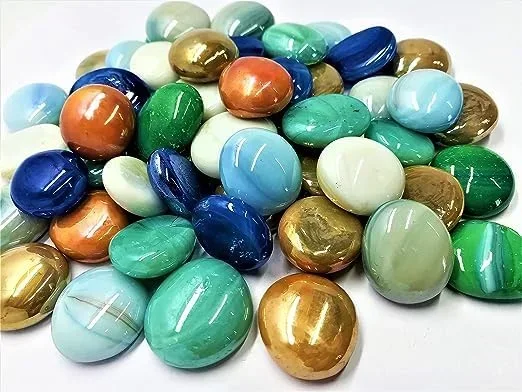
When you introduce any new item into a betta’s environment, think about the fish’s natural habitat. In the wild, bettas swim among plants, roots, and smooth river stones. Sharp or rough surfaces can tear delicate fins and cause infections. Marbles that are cracked, jagged, or made from rough materials pose a risk. Always inspect each marble for chips or sharp edges before placing them in the tank.
Why Smooth Surfaces Matter
Smooth marbles reduce the chance of fin abrasion. If a betta brushes against a rough piece, it can create tiny tears that become infection sites quickly. Look for glass or ceramic marbles that feel polished to the touch. Small, uniformly round marbles also prevent your betta from getting stuck.
Choosing the Right Size and Quantity
Size is critical. Marbles larger than one inch can block swimming paths and create hidden corners where waste accumulates. A good rule of thumb is to use marbles no bigger than a quarter. Limit the number of marbles to keep at least 70% of the tank floor open for swimming.
Calculating Safe Numbers
- Measure your tank’s floor space.
- Reserve at least 70% for open swimming.
- Place marbles in uneven patterns to create interesting exploration zones without crowding the center.
Benefits of Adding Marbles
Marbles are not just decorative; they can provide subtle environmental enrichment. The varied surface can encourage natural foraging behavior as your betta explores different heights and angles. Additionally, marbles can help stabilize live plants by adding weight to the pot base, especially when using lightweight potting materials.
Enrichment Through Variation
Rotate marble placements every few weeks. This change keeps the environment stimulating and mimics the ever‑changing river currents that bettas experience in nature. It also gives you a chance to inspect for any buildup of algae or debris that may have collected.
Potential Risks and How to Mitigate Them
Even safe marbles can create problems if not maintained. Gaps between marbles can trap uneaten food and waste, leading to poor water quality. Marbles can also affect the flow of water from filters or air stones, creating dead zones where bacteria thrive.
Cleaning Around Marbles
Perform a partial water change weekly. Use a gravel siphon to reach into the spaces between marbles and remove debris. If you notice cloudy water or a musty smell, increase the frequency of water changes and consider adding a small filtration system to keep the water circulating evenly.
Alternatives to Marbles
Many betta keepers find that natural substrates like sand or fine gravel provide a more authentic look and feel. Live plants such as lucky bamboo or Java fern add oxygen, hide, and visual interest without the risk of sharp edges. Artificial plants and driftwood also create hiding spots and enrichment.
Comparison Table: Marbles vs. Natural Substrates
| Feature | Marbles | Sand | Gravel |
|---|---|---|---|
| Visual Appeal | Modern, sleek | Natural, soft | Varied, textured |
| Cleaning Difficulty | Moderate (gaps) | Easy (siphon) | Easy (siphon) |
| Risk of Sharp Edges | Low (if smooth) | Low (fine) | Low (rounded) |
| Benefit to Betta | Exploration | Natural foraging | Hide and swim |
Expert Tips for Adding Marbles
Step‑by‑Step Placement
- Rinse marbles thoroughly with dechlorinated water.
- Arrange them in a loose pattern, leaving open swimming lanes.
- Secure live plant pots with marbles at the base for stability.
- Run a small water flow test to ensure circulation isn’t blocked.
- Monitor your betta for the first 48‑72 hours for any signs of stress.
Quick Tips Section
- Always use aquarium‑safe glass or ceramic marbles.
- Keep marbles under 1 inch in diameter.
- Siphon between marbles during weekly water changes.
- Place marbles away from filter outlets to avoid disrupting flow.
- Observe your betta’s behavior; if it hides excessively, reconsider the décor.
Common Mistakes to Avoid
Many beginners make the mistake of filling the tank with too many marbles, thinking more décor equals a better habitat. This can create cramped swimming space and hide water quality issues. Another mistake is using marbles that are too large, which can cause your betta to bounce and injure itself. Finally, neglecting to clean the gaps between marbles leads to hidden debris and bacterial growth.
Expert Insights: What seasoned keepers say
Experienced betta enthusiasts often recommend starting with a small number of marbles and gradually increasing if the betta shows no stress. They also suggest using marbles as a base for live plants rather than as the primary décor. Many keepers note that the subtle movement of water around smooth marbles can mimic natural currents, providing mental stimulation for the fish.
Conclusion
Can you put marbles in a betta fish tank? The answer is yes, as long as you choose smooth, appropriately sized, and safe marbles, and you maintain proper cleaning routines. Marbles can add visual interest and enrichment when used correctly, but they are not essential. For many betta owners, natural substrates and live plants provide a safer, more authentic environment. Always watch your betta’s behavior and adjust the décor accordingly. By following the guidelines above, you’ll create a beautiful, safe, and stimulating home for your beloved betta.
Frequently Asked Questions
Are all marbles safe for betta fish?
No. Only smooth, aquarium‑safe glass or ceramic marbles are safe. Rough, cracked, or sharp marbles can damage your betta’s delicate fins and cause infections.
What size marbles should I use?
Marbles should be no larger than 1 inch (about the size of a quarter). Larger marbles can block swimming paths and create hiding spots for waste.
Do marbles affect water flow?
Yes, if placed directly in front of filter outlets they can disrupt gentle water currents. Position marbles away from strong flow to maintain even circulation.
How often should I clean around marbles?
Perform a weekly partial water change and siphon debris from between marbles. Increase cleaning frequency if you notice cloudy water or a musty odor.
Can marbles help secure live plants?
Yes. Adding a few marbles at the base of plant pots can provide stability, especially for lightweight potting mixes. This can reduce plant movement and keep them upright.
What are good alternatives to marbles?
Natural substrates like fine sand or gravel, live plants such as lucky bamboo or Java fern, and smooth driftwood are excellent alternatives that provide hiding spots and enrichment without the risks associated with marbles.