Can You Put Betta Fish With Tetras Complete Compatibility Details
Finding the right tank mates for your Betta Fish With Tetras can be tricky, but with the right knowledge you can create a harmonious community tank. This guide explores behavior, water needs, and practical steps to ensure Betta Fish With Tetras live together safely. You’ll learn quick tips, common mistakes to avoid, and expert insights that make mixing these species easier than you think. By the end, you’ll have a clear action plan for a thriving, stress‑free aquarium.
When hobbyists ask whether they can keep Betta Fish With Tetras, the answer is not a simple yes or no. It depends on species selection, tank environment, and careful observation. This article breaks down the science behind mixing these two popular aquarium residents, offering step‑by‑step guidance, real‑world examples, and actionable tips you can apply today. Whether you are a beginner setting up your first tank or an experienced keeper looking to add new life, the information below will help you make an informed decision.
Key Takeaways
- Understand Betta Behavior: Betta fish are territorial; they may see fast‑moving tetras as prey or a threat.
- Match Water Parameters: Both species thrive in similar temperature (78‑80°F) and pH (6.5‑7.5) ranges.
- Provide Adequate Space: A 20‑gal tank gives room for swimming lanes and hiding spots.
- Choose Peaceful Tetra Species: Neon tetras, glofish tetras, and ember tetras are among the safest options.
- Monitor Interactions Closely: Watch for fin‑nipping, stress stripes, or aggression in the first 2‑4 weeks.
- Use Proper Tank Setup: Live plants, driftwood, and caves reduce stress and create visual barriers.
📑 Table of Contents
Understanding Betta Fish Behavior
Natural Instincts. Betta fish originate from rice paddies and slow‑moving waters in Southeast Asia. In the wild they patrol small territories, using bright colors to communicate with rivals and attract mates. Their性格 includes rapid bursts of aggression, especially toward anything that enters their space.
Territorial Nature. A male betta will flare his gills and spread his fins when he perceives a threat. This behavior is most pronounced in confined spaces where there is no escape route. Fast‑moving fish like tetras can trigger this response because they constantly dart through the water column.
Stress Signs. Look for vertical stress stripes appearing near the betta’s abdomen, clamped fins, or reduced appetite. These indicators suggest the betta feels threatened. Early detection helps you adjust the tank before serious harm occurs.
Quick Tips for Managing Betta Aggression
- Provide at least 5‑gal of water per inch of betta length.
- Add visual barriers such as plants or driftwood to break line‑of‑sight.
- Introduce tetras in small groups after the betta has settled for 48 hours.
- Observe for 2‑4 weeks before making any permanent decisions.
Tetra Fish Characteristics
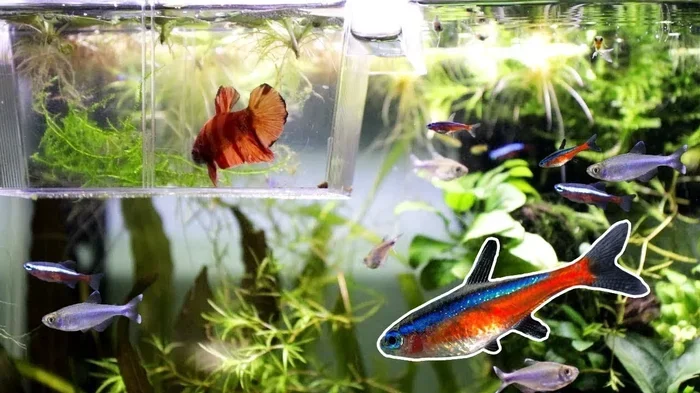
Schooling Behavior. Tetras are social creatures that thrive in groups of six or more. Their coordinated swimming patterns create a dynamic environment that can be both beautiful and stressful for a solitary betta. Neon tetras, glofish tetras, and ember tetras are among the most popular choices for community tanks.
Compatibility Temperament. Most tetra species are peaceful and focus on foraging near the middle and upper water layers. However, some larger tetras may nibble on betta fins, especially if they are hungry or bored.
Size & Space Needs. Adult neon tetras reach about 1.5 inches, while glofish tetras can grow slightly larger. Providing enough swimming space reduces competition and the likelihood of aggressive encounters.
Common Mistakes When Adding Tetras
- Overstocking the tank, leading to cramped conditions.
- Failing to acclimate tetras gradually, causing shock.
- Choosing aggressive tetra varieties that harass bettas.
- Neglecting to feed a varied diet, which can increase nipping behavior.
Compatibility Factors
Water Parameters. Both betta fish and tetras prefer warm, slightly acidic water. The ideal range is 78‑80°F (25‑27°C) and pH 6.5‑7.5. Sudden fluctuations can stress both species, leading to disease susceptibility.
Tank Size & Layout. A minimum of 20‑gal is recommended for a betta‑tetra combination. Larger volumes dilute waste and stabilize temperature. Arrange the tank with a mix of open swimming area, floating plants, and low‑lying vegetation to create distinct zones.
Diet & Feeding Habits. Betta fish are carnivorous, needing protein‑rich foods. Tetras are omnivorous and accept flakes, pellets, and live foods. Feeding twice daily, with occasional live treats, keeps both healthy and reduces competition at feeding time.
Comparison Table: Water Parameter Needs
| Parameter | Betta Fish | Typical Tetra Species |
|---|---|---|
| Temperature (°F) | 78‑80 | 78‑80 |
| pH Level | 6.5‑7.5 | 6.5‑7.5 |
| Hardness (dGH) | 4‑10 | 5‑12 |
| Water Flow | Low to moderate | Moderate |
Tank Setup for Mixed Species
Choosing the Right Substrate. A dark substrate can enhance the colors of both bettas and tetras while providing a natural foraging surface. Avoid sharp gravel that could injure delicate fins.
Adding Plants & Hiding Spots. Live plants such as Java Fern, Anubias, and Amazon Sword create natural barriers. Driftwood and rock caves give the betta a place to retreat when feeling overwhelmed. Ensure there are enough hiding spots for each fish.
Filtration & Water Flow. A gentle filter flow mimics the betta’s natural habitat. Over‑powering currents can cause stress, while too weak flow may lead to poor water quality. Position filter outlets away from the betta’s favorite hideout.
Expert Insights
Experienced aquarists often recommend a “half‑and‑half” approach: place the betta in one half of the tank and the tetra school in the other half, separated by a visual barrier. This allows both species to adjust gradually. Many also suggest performing a 25 % water change weekly to maintain stable water quality and reduce ammonia spikes.
Potential Risks and Solutions
Aggression & Nipping. Some tetras, especially larger ones, may nip at betta fins. If this occurs, consider increasing the number of hiding spots or reducing the tetra school size temporarily. Adding faster‑moving tank mates can distract the betta from focusing on fin‑nipping.
Disease Transmission. Mixing species can spread parasites or bacteria. Quarantining new fish for 2‑4 weeks, using a separate hospital tank, is a best practice. Regular observation helps catch early signs of ich or fin rot.
Environmental Stress. Sudden temperature changes or poor water parameters can cause both bettas and tetras to display abnormal behavior. Investing in a reliable heater and testing kits reduces these risks.
Common Mistakes to Avoid
- Neglecting to cycle the tank before introducing fish.
- Overfeeding, which clouds the water and creates ammonia spikes.
- Choosing incompatible tetra species that are too aggressive.
- Failing to monitor behavior after the initial introduction.
Final Recommendations
When to Avoid Mixing. If your betta shows chronic aggression, displays severe stress stripes, or if you have a very small tank (under 15 gal), it’s best to keep them separate. Some betta keepers find that a community tank without tetras is more stable and visually pleasing.
Expert Insights. Veteran hobbyists often advise starting with a single neon tetra and gradually adding more after observing the betta’s reaction. They also recommend reading detailed guides such as Can You Put Betta Fish With Neon Tetras for real‑world outcomes and troubleshooting tips.
Quick Tips for Success. Keep a tight lid on the tank to maintain humidity and prevent jumps. Use live plants to break lines of sight. Feed a varied diet to reduce competition. Perform regular water changes and monitor ammonia, nitrite, and nitrate levels.
By following these guidelines, many aquarists have achieved a thriving mixed tank where Betta Fish With Tetras coexist peacefully. Remember that each fish is an individual; observation and flexibility are key to long‑term success.
Additional Resources
For a broader perspective on tank mates, check out Can You Put Other Fish With A Betta. This article covers a wide range of compatible species and offers tips for building a balanced community aquarium.
Finally, experimenting with different plant arrangements and décor can further reduce stress. The goal is to create an environment where both the Betta Fish With Tetras feel secure, allowing you to enjoy a vibrant, harmonious tank for years to come.
Frequently Asked Questions
Can betta fish live with neon tetras in the same tank?
Yes, but only under specific conditions. A tank of at least 20 gallons, plenty of hiding spots, and careful observation are essential. Many keepers successfully combine them, especially when using live plants to break line‑of‑sight. Always monitor for aggression or stress signs.
What tetra species are safest to mix with betta fish?
Neon tetras, glofish tetras, and ember tetras are among the safest choices. They are peaceful, stay in the middle water column, and have similar water parameter requirements. Avoid larger, more aggressive tetra varieties.
How do I introduce tetras to a betta tank without causing stress?
Acclimate tetras gradually using a drip method over 30‑60 minutes. Keep the tetra school in a separate container initially, then release them slowly. Provide visual barriers and monitor both fish for 2‑4 weeks.
What tank size is recommended for betta fish with tetras?
A minimum of 20 gallons is ideal. This volume gives the betta space to establish territory and allows tetras to swim in groups without overcrowding. Larger tanks provide more stability.
How can I tell if my betta is stressed after adding tetras?
Watch for vertical stress stripes, clamped fins, reduced appetite, or constant flaring at the tetras. If these signs appear, increase hiding places, reduce lighting, and consider removing the tetras temporarily.
Do betta fish and tetras need different feeding schedules?
Both species can be fed the same high‑quality flake or pellet food, supplemented with occasional live or frozen treats. Feed twice daily, offering only what they can consume in a few minutes to keep water quality optimal.