Can You Over Feed a Betta Fish Surprising Truth Revealed
Yes. Even one extra meal can spoil the water and upset a betta’s small stomach. Learn safe portions, feeding signs, and the simple steps to take after an overfeeding mistake.
Can You Over Feed a Betta Fish Surprising Truth Revealed
Can you over feed a betta fish? Yes. Even one extra meal can leave food behind, spoil the water, and upset a small fish’s stomach. Overfeeding can also cause constipation, bloat, low oxygen, and stress. A single mistake is not usually fatal, but repeated meals can make a healthy routine turn risky fast. This guide shows you the right portion, feeding schedule, warning signs, and safe steps to take after a feeding slip.
Betta fish often look hungry, even when they are full. They may dart to the surface or follow you around. That does not always mean they need more food.
The goal is not to keep the tank empty. It is to give your betta enough nourishment without leaving waste behind.
Key Takeaways
- One small meal is best: Most healthy adult bettas do well with one meal each day.
- Portion control matters: Start with one or two small pellets, then adjust for the brand and fish size.
- Remove leftovers: Take out any food that remains after two to three minutes.
- Watch the water: Rotting food can cause an ammonia spike and poor water quality.
- Beware of bloating: A swollen belly, floating, and little or no feces may point to constipation.
- Act with care: Pause feeding, test the water, and make a partial water change if needed.
📑 Table of Contents
Why Overfeeding a Betta Fish Is Risky
A small stomach needs small meals
Adult bettas need far less food than many new owners think. Their stomachs are small, so a large serving can sit inside them for hours. Wild bettas also eat small insects and other items, not one large meal that lasts all day.
A single extra pellet will not usually harm a healthy adult. The real danger comes from food left in the tank or meals given every day in large amounts. If you want more detail, this guide on can you over feed a betta fish explains the issue in depth.
Uneaten food can spoil the water
Food sinks, breaks apart, or sits near gravel. It then decays and releases waste. In a cycled tank, the biofilter can process some of this waste. However, too much food can still cause an ammonia spike.
Ammonia can burn the gills and stress the fish. The cycle may then create nitrite, which is also harmful. Cloudy water, bad odor, and a sudden loss of appetite can all be signs that water quality has fallen.
Watch for these warning signs
- Food is still in the tank after a few minutes.
- Your betta has a very round or soft-looking belly.
- The fish hides more than usual or refuses food.
- It swims strangely or floats upside down.
- There is little or no visible feces.
- The water turns cloudy soon after a meal.
How Much and How Often Should You Feed?
A simple feeding schedule for adults
Most healthy adult bettas do best with one small meal each day. Some owners offer two meals, but each should be much smaller. The total amount should not rise just because you split it into two parts.
Young or fast-growing fish may need more meals. Their needs depend on age, size, health, and the food used. A short fasting day can be useful for many adults, but it is not right for every fish. If you are unsure, do not switch to feeding a betta every other day without a clear reason.
Use a small, set portion
Start with one or two small pellets or a few crumbles. Some brands count one pellet as a full serving, while others need two or three. Always read the package, then adjust for your fish.
The food should be no larger than the fish’s eye. Remove anything left after two to three minutes. Do not leave pellets in the water, even if they seem to float.
Food may be too much when your betta eats fast, then stops, hides, or shows a swollen belly. Learn more about when betta fish food may be too much before changing the routine.
| Plan | Typical Amount | Best Use |
|---|---|---|
| Healthy adult | 1–3 small pellets | One meal most days |
| Young betta | Several tiny meals | Only when growth needs it |
| Treat day | One small item | Use sparingly |
| Rest day | No food | Short break for many adults |
Adjust slowly, not suddenly
Keep a simple feeding log for two weeks. Note the amount, time, and any change in activity or stool. Then reduce the portion a little at a time if the fish seems too full.
Quick Tip: Use the same feeder or a small spoon. This stops you from guessing and pouring in extra food.
Can You Tell if You Have Overfed Your Betta Fish?
Body signs that need attention
A healthy betta may have a rounded belly. It should still swim with ease, hold its fins out, and respond to normal care. Trouble is more likely when several signs appear together.
- Very full belly: The abdomen looks much larger than usual.
- Constipation: The fish strains, stays low, or passes no feces.
- Bloating: The body looks puffy or uneven.
- Loss of color: The fish may look dull when stressed.
- Clamped fins: The fins stay tight against the body.
- Strange swimming: The fish sinks, rises, or floats at odd angles.
Signs that the tank has too much waste
Check the water before assuming the diet is the only cause. Cloudy water, strong odor, high ammonia, or rising nitrite all point to a care problem. A larger tank can slow a change, but it does not remove the need for testing and regular cleaning.
Not every swollen belly is overfeeding
A round belly can also come from infection, injury, or dropsy. Pinecone scales, red streaks, sores, rapid breathing, or a very swollen lower body need prompt care from an aquatic vet. Do not treat these signs as a simple food issue.
What to Do After You Overfeed a Betta Fish
Use these six calm steps
- Remove leftovers. Use a siphon or net to take out food at once.
- Pause feeding. Skip the next meal and consider a 24–48 hour break for a healthy adult.
- Test the water. Check ammonia, nitrite, nitrate, and pH.
- Make a partial water change. Replace about 25–40% with dechlorinated water that matches the tank temperature.
- Keep the temperature stable. Avoid rapid changes. A steady tropical range near 78–80°F is often suitable.
- Restart with less food. Offer half the usual amount after normal behavior returns.
Do not add more food to “wash down” the meal. Do not starve the fish for a week, and do not move it into plain tap water. Sudden changes can add stress.
Help a constipated betta
After the short fast, offer a tiny amount of high-fiber food. Good options include rehydrated daphnia or a small piece of peeled, cooked green pea. Let the food cool before adding it. These foods should be occasional help, not a daily fix.
Keep the water clean and warm, but not hot. Watch for normal swimming and visible feces over the next day or two. Many mild cases improve after a short rest and a water change.
When you need an aquatic vet
Call a reptile and aquatic veterinarian if bloating lasts, the fish cannot swim, or it has red streaks, sores, or pinecone scales. Seek help sooner if the betta stops eating or seems weak. Do not use human medicine or try to squeeze the belly.
Best Foods and Common Feeding Mistakes
Build a simple, balanced diet
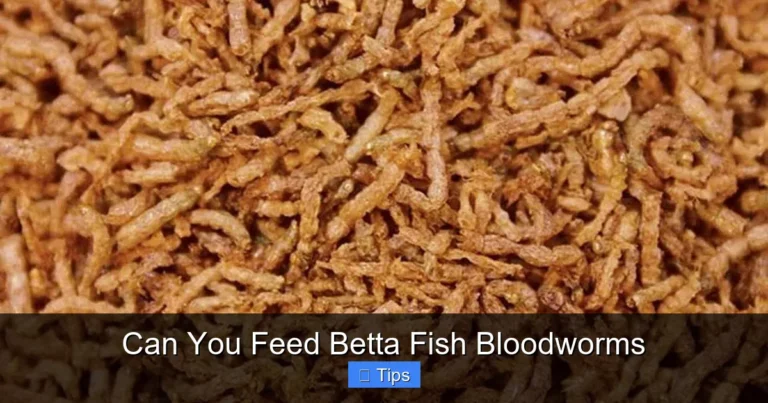
A quality betta pellet or crumble should be the main food. Add suitable frozen or freeze-dried foods in small amounts. Options may include bloodworms, brine shrimp, daphnia, blackworms, and mosquito larvae. Always rehydrate dried food before serving it.
Treats should stay small
Protein treats are not a full meal. Offer them one or two times a week, unless a vet gives other advice. Cut frozen food into tiny pieces. One large worm or a handful of flakes can be far too much.
Avoid these common mistakes
- Feeding by sight instead of using a set portion.
- Leaving pellets or flakes in the water.
- Changing brands without mixing foods slowly.
- Using bread, crackers, rice, or salty human food.
- Feeding more when the fish follows you to the glass.
- Assuming a clean tank means no water test is needed.
Expert Insight: The best diet is one your betta can finish in a few minutes. Any food left behind should be treated as waste, not a second chance.
Final Safe Feeding Plan for Your Betta
Your daily checklist
- Give one small meal to most healthy adults.
- Use food no larger than the fish’s eye.
- Remove leftovers after two to three minutes.
- Watch the belly, fins, swim style, and feces.
- Test the water and keep a steady routine.
Clean water is part of feeding
A working filter, stable temperature, and regular partial water change help handle normal waste. They do not cancel out overfeeding. Keep test strips or a liquid kit near the tank, and follow the needs of the fish and filter.
Conclusion
Yes, you can over feed a betta fish, but the risk is easy to manage. Use portion control, remove leftovers, and watch for bloating or poor water quality. The best sign is not an empty bowl. It is a bright, active betta that swims well and passes normal feces.
Frequently Asked Questions
How often should I feed an adult betta fish?
Most healthy adults do best with one small meal each day. Some owners split this into two smaller meals, but the daily amount should stay the same.
What should I do if I overfeed once?
Remove any food left after a few minutes, then pause feeding for 24–48 hours. Test the water and make a partial water change if it looks cloudy or tests unsafe.
How do I know if my betta is constipated?
Signs can include a swollen belly, little or no feces, straining, and odd swimming. Floating or sinking soon after eating can also point to a digestive issue.
Can I feed my betta every other day?
Some adult bettas can handle this, but it is not needed for every fish. Young, small, or sick fish may lose too much energy if meals are spaced too far apart.
Why is my betta floating after eating?
Food weight, constipation, swim bladder problems, or poor water can all affect buoyancy. Remove leftovers, check the water, and watch for lasting balance or swimming problems.
How long can a betta go without food?
A healthy adult can often handle a short 24–48 hour break. Longer fasting is not a routine cure and may be unsafe for young or weak fish.