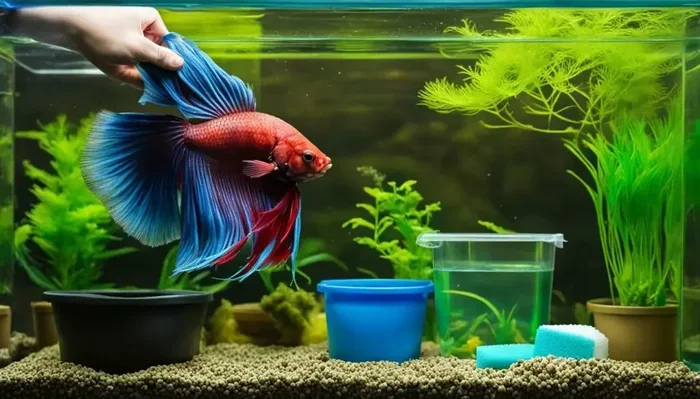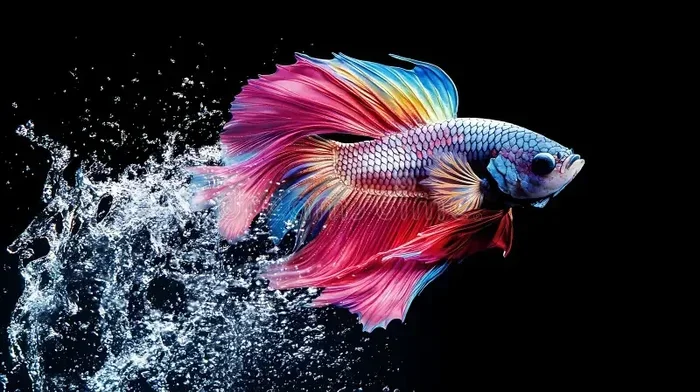
What Can U Feed Betta Fish Optimal Diet And Nutrition Guide
Betta fish need a protein-rich diet to stay healthy and vibrant. Knowing what can u feed betta fish helps you avoid common mistakes like overfeeding or giving unsafe foods. This guide covers the best flakes, pellets, live treats, and vegetables for your fish. You will also learn proper feeding amounts and schedules. Follow these tips to keep your betta active and happy.
Owning a betta fish is a wonderful experience. These colorful fish bring life to any room. But keeping them healthy takes more than just a nice tank. You must understand their dietary needs. Many new owners ask what can u feed betta fish to keep them thriving. The answer matters a lot for their long-term health.
Betta fish have specific nutritional needs. They are not like goldfish or tropical community fish. Their bodies are built for a high-protein diet. Giving them the wrong food can cause health issues. It can also lead to poor water quality. This guide will walk you through everything you need to know. You will learn about the best foods and safe treats. You will also discover proper feeding habits.
Key Takeaways
- High Protein Needs: Betta fish are carnivores and require food with at least 35% protein.
- Best Staple Foods: High-quality pellets and flakes made specifically for bettas work best.
- Safe Treats: Brine shrimp, bloodworms, and daphnia make excellent occasional treats.
- Feeding Amount: Feed only what your fish can eat in two minutes, usually 2-3 pellets per meal.
- Feeding Schedule: Adult bettas do well with one or two meals per day.
- Foods to Avoid: Never feed bread, crackers, or human snacks to your betta fish.
- Water Quality: Remove uneaten food quickly to prevent ammonia spikes and dirty water.
📑 Table of Contents
Understanding Betta Fish Dietary Needs
Betta fish come from shallow waters in Southeast Asia. In the wild, they eat insects, larvae, and small crustaceans. This natural diet shapes what they need in captivity. Their digestive systems are designed for protein. They cannot process large amounts of plant matter well. This is why betta fish nutrition focuses on animal-based proteins.
A balanced diet supports vibrant colors and strong fins. It also boosts their immune system. Fish with poor diets often look dull. They may also get sick more easily. You want your betta to live a long and active life. Choosing the right food is the first step. Always look for products made specifically for bettas. These formulas match their natural needs.
Protein Requirements for Bettas
Protein is the most important nutrient for betta fish. Their food should contain at least 35% protein. Some premium brands offer even higher levels. This protein comes from fish meal, shrimp meal, or other marine sources. These ingredients are easy for bettas to digest. They provide the building blocks for muscle and tissue.
You should check the ingredient list on any food package. The first few ingredients matter the most. Look for whole proteins near the top. Avoid foods with lots of fillers. Corn, wheat, and soy are common fillers. These offer little nutritional value for bettas. They can also cloud your tank water faster.
Carnivorous Nature of Betta Fish
Bettas are obligate carnivores. This means they need meat to survive. Their short digestive tracts cannot break down heavy plant fibers. While some plant matter is okay in small amounts, it should not be the main ingredient. A carnivorous fish diet keeps their energy levels stable. It also prevents bloating and digestive stress.
Many commercial foods try to cut costs with grains. These products may look cheap but they cost more in health problems. Stick to brands that prioritize animal proteins. Your betta will show better color and more activity. They will also grow stronger over time.
Best Staple Foods for Betta Fish
The foundation of your betta’s diet should be high-quality pellets or flakes. These foods are convenient and nutritionally complete. They are designed to meet daily needs. You do not need to guess about vitamins or minerals. Good staple foods make feeding simple and reliable.
Pellets are often the top choice for betta owners. They sink slowly and stay intact in water. This makes them easy for bettas to catch. Pellets also produce less waste than some flakes. Flakes work well too but they can break apart quickly. Some bettas prefer one texture over the other. You may need to try both to see what your fish likes.
Premium Betta Pellets
High-quality pellets are the gold standard for betta care. Look for brands that list whole fish or shrimp as the first ingredient. These pellets usually float or sink slowly. They hold their shape well in the water. This helps your betta eat every piece without making a mess.
Good pellets also contain added vitamins. Vitamin C and vitamin E support immune health. Some formulas include color enhancers like spirulina or astaxanthin. These ingredients bring out the bright reds and blues in your fish. Always follow the feeding guidelines on the package. But remember that guidelines are just a starting point. Watch how much your fish actually eats.
High-Quality Betta Flakes
Flakes are another popular option for daily feeding. They are lightweight and easy to portion. Many bettas enjoy chasing flakes around the tank. This mimics their natural hunting behavior. Flakes work well for bettas that prefer surface feeding.
The downside of flakes is that they can dissolve fast. Broken pieces may sink and rot at the bottom. This creates waste and harms water quality. To avoid this, feed small amounts at a time. Remove any uneaten flakes after a few minutes. You can also look for thicker flakes that hold together better.
Safe Treats and Supplements for Bettas
Staple foods cover daily needs. But treats add variety and extra nutrients. Treats should only make up a small part of the diet. Too many treats can upset your betta’s stomach. They can also lead to overfeeding. Use treats once or twice a week for best results.
Live and frozen foods are excellent choices. They are close to what bettas eat in the wild. These foods are rich in protein and natural enzymes. They also trigger hunting instincts. Your betta will be more active and engaged during feeding time.
Live and Frozen Foods
Live betta fish food options include brine shrimp, bloodworms, and daphnia. These are widely available at pet stores. You can also culture some of them at home. Live foods are very nutritious and easy to digest. They make great rewards for training or bonding.
Frozen foods are a convenient alternative to live options. They are flash-frozen to preserve nutrients. You simply thaw a small amount before feeding. This reduces the risk of parasites that can come with live foods. Frozen bloodworms and brine shrimp are very popular. They are safe and easy to store.
Brine Shrimp and Bloodworms
Brine shrimp are tiny crustaceans packed with protein. They are gentle on the digestive system. Baby brine shrimp are especially good for young bettas. Adult brine shrimp work well for fully grown fish. They are a great way to add variety to the diet.
Bloodworms are another favorite treat. They are the larvae of midge flies. Despite the scary name, they are completely safe. They are high in protein and very palatable. Bettas usually go crazy for them. Use bloodworms in moderation. Too many can cause constipation in some fish.
Vegetables and Plant-Based Options
Bettas do not need vegetables as a main food source. But small amounts can be helpful in some cases. Vegetables provide fiber and certain vitamins. They may help with digestion when used carefully. Always prepare vegetables properly before feeding them.
Some owners wonder can you feed betta fish vegetables as part of a balanced diet. The answer is yes, but only in tiny amounts. Vegetables should never replace protein-based foods. They are more like a supplement than a meal. Use them sparingly to avoid digestive issues.
Blanched Peas for Digestion
Peas are a well-known home remedy for betta constipation. They contain fiber that helps move things along. Always cook or blanch peas before feeding them. Remove the outer skin and mash the inside into small pieces. Offer only a tiny bit at a time.
Many bettas will ignore peas at first. This is normal since they prefer meat. You can try mixing a small pea piece with their regular food. Over time, some fish accept it better. If your betta has no digestion issues, you may not need peas at all. They are mainly useful when problems arise.
Other Safe Vegetables in Moderation
Some other vegetables can be offered very occasionally. Zucchini and spinach are sometimes used in small amounts. Always blanch them first to soften the fibers. Cut them into pieces smaller than your betta’s mouth. Remove any uneaten vegetable matter quickly.
Remember that betta fish diet balance is key. Vegetables should not become a regular habit. Too much plant matter can cause bloating. Stick to protein as the main focus. Use vegetables only when there is a clear reason.
Foods to Avoid Feeding Your Betta
Not all foods are safe for bettas. Some common household items can harm them. Others simply offer no nutritional value. Feeding the wrong things can cause illness or death. It is important to know what to skip. This keeps your fish safe and your tank clean.
One common mistake is giving human food to fish. People sometimes think a tiny crumb is harmless. But human food contains salt, oil, and preservatives. These ingredients are dangerous for fish. They can damage gills and upset the stomach. Always stick to foods made for aquatic pets.
Bread, Crackers, and Human Foods
Bread is a big no for betta fish. It expands in water and in the stomach. This can cause severe bloating and swimming issues. Bread also breaks down into mush that clouds the tank. Many owners ask can you feed betta fish bread and the answer is always no.
Crackers and chips are just as bad. They contain salt and artificial flavors. These additives are toxic to fish in small amounts. Even plain crackers offer no real nutrition. They dissolve quickly and foul the water. Keep all human snacks away from the aquarium.
Goldfish Food and Other Inappropriate Diets
Goldfish food is not suitable for bettas. Goldfish are omnivores that eat more plants and carbs. Their food has less protein and more fillers. This does not match what a betta needs. Using goldfish food regularly can lead to malnutrition. You can read more about this in our guide on can u feed a betta fish goldfish food.
Some people also wonder about feeding bettas turtle food or cichlid food. These products are formulated for different species. They may contain ingredients that are too heavy for bettas. It is always best to use betta-specific food. If you run out, it is better to wait than to use the wrong product.
Feeding Schedule and Portion Control
How much and how often you feed matters just as much as what you feed. Overfeeding is one of the most common mistakes. It leads to obesity, dirty water, and shortened lifespans. A proper schedule keeps your betta healthy and your tank stable.
Adult bettas usually do well with one or two feedings per day. Young bettas may need more frequent meals for growth. The key is to feed small amounts each time. Your fish should finish everything within two minutes. If food remains, you are giving too much.
How Much to Feed Daily
A good rule is 2 to 3 pellets per feeding. This may seem small but bettas have tiny stomachs. Their stomach is roughly the size of their eye. Overfeeding stretches the stomach and causes stress. It also creates excess waste in the tank.
You can adjust portions based on your fish’s activity level. A very active betta may need slightly more. A less active fish may need less. Watch their body shape over time. A healthy betta has a smooth, streamlined look. A swollen belly is a sign of too much food.
Signs of Overfeeding and Underfeeding
Overfeeding shows up in several ways. The most obvious sign is leftover food in the tank. You may also see cloudy water or algae growth. Your betta might look bloated or swim oddly. In severe cases, overfeeding can cause fatty liver disease. This is why many owners learn about can yoy over feed a betta fish before problems start.
Underfeeding is less common but still a risk. A hungry betta may look thin or have a sunken belly. Their colors may fade over time. They might also become lethargic. If you notice these signs, slowly increase the portion. Do not double the amount all at once. Gradual changes are safer for their system.
Fasting Days and Their Benefits
Some owners use fasting days to help digestion. This means skipping one feeding per week. Fasting gives the digestive system a rest. It can help prevent constipation and bloating. Many bettas handle a skipped meal very well. They can go a day or two without food safely.
Fasting is not required for every fish. Healthy bettas with good portions may not need it. But it can be a useful tool if you notice digestion issues. Always make sure your fish is otherwise healthy before trying this. Young or sick fish should not fast without advice.
Tips for Healthy Feeding Habits
Good feeding habits go beyond just dropping food in the tank. How you feed affects your fish’s behavior and health. A calm feeding routine reduces stress. It also helps you monitor your betta’s condition. Here are some practical tips to follow.
Always feed at the same time each day. This creates a routine your betta can learn. They will start to recognize you and come to the surface. This makes feeding more enjoyable for both of you. It also helps you spot appetite changes quickly.
Water Quality and Food Waste
Uneaten food is a major source of tank pollution. As it breaks down, it releases ammonia into the water. This harms your fish and stresses the filter. Always remove leftover food after feeding. Use a small net or siphon to clean the bottom.
Regular water changes also help manage waste. Even with careful feeding, some debris will accumulate. A clean tank supports better appetite and health. It also keeps colors bright and fins healthy. Good water quality and proper feeding work together.
Hand Feeding and Bonding
Some owners enjoy hand feeding their bettas. This can build trust and reduce fear. You can learn more about this in our article on can you hand feed betta fish. Hand feeding works best with calm, tame fish. It takes patience but the results are rewarding.
Start by holding the food near the surface. Let your betta come to you. Do not rush or make sudden movements. Over time, your fish may swim right up to your fingers. This bonding activity also helps you check their health up close. You can spot injuries or color changes more easily.
Expert Insights and Common Mistakes
Even experienced owners make feeding mistakes. Learning from common errors saves time and protects your fish. Here are some expert tips and pitfalls to avoid. These insights come from years of betta care practice.
One big mistake is assuming all fish food is the same. Betta food is specially formulated. Using generic tropical fish food may not meet their needs. Some community fish foods have too many fillers. Your betta may survive on them but will not thrive. Always choose betta-specific products when possible.
Quick Tips for Betta Feeding
- Rotate foods occasionally to prevent nutritional gaps and boredom.
- Thaw frozen foods completely before offering them to your fish.
- Use a feeding ring to keep food in one area and reduce waste.
- Watch your betta’s belly weekly to track body condition.
- Keep a feeding log if you notice appetite or behavior changes.
- Store food properly in a cool, dry place to maintain freshness.
- Replace old food after a few months to ensure nutrient quality.
Common Mistakes to Avoid
- Feeding too much at once leads to waste and health problems.
- Using bread or crackers as treats harms digestion and water quality.
- Ignoring leftover food causes ammonia spikes and algae growth.
- Switching foods too fast can upset the digestive system.
- Skipping water changes while overfeeding creates a toxic environment.
- Assuming a hungry fish needs more when it may just be begging.
- Feeding human food like meat or peanut butter is dangerous for fish.
Many bettas beg for food even when they are full. This is a natural behavior from the wild. In nature, food is scarce so they eat whenever they can. In a tank, food is always available. Do not let begging trick you into overfeeding. Stick to your schedule and portion sizes. Your fish will be healthier for it.
Another common issue is feeding the wrong treats too often. Some owners give bloodworms every day. This can cause constipation and nutrient imbalance. Treats should stay occasional. A varied diet with staple foods as the base is the safest approach.
Storage matters more than many people realize. Fish food loses nutrients over time. Heat and moisture speed up this process. Keep food containers sealed and away from sunlight. If the food smells rancid or looks clumped, throw it out. Fresh food supports better health and digestion.
Finally, remember that each betta is unique. Some fish are picky eaters. Others will try anything. Pay attention to what works for your specific fish. Adjust portions and food types as needed. The goal is a healthy, active, and colorful companion.
Conclusion
Feeding your betta fish the right way is one of the most important parts of care. When you know what can u feed betta fish, you give them the best chance to thrive. A diet rich in protein, paired with proper portions, keeps them strong and vibrant. High-quality pellets and flakes should form the base of their meals. Safe treats like brine shrimp and bloodworms add variety and excitement.
Avoid harmful foods like bread, crackers, and human snacks. These offer no real benefit and can cause serious health issues. Stick to a consistent feeding schedule and watch for signs of overfeeding. Clean water and good habits make a huge difference too. With the right approach, your betta will stay healthy and beautiful for years to come.
Frequently Asked Questions
What is the best food for betta fish?
The best food for betta fish is high-quality pellets or flakes made specifically for bettas. Look for options with at least 35% protein and whole fish or shrimp as the first ingredient. These staple foods provide the nutrition your fish needs every day.
Can I feed my betta fish vegetables?
Yes, you can feed betta fish small amounts of vegetables like blanched peas. Vegetables provide fiber and may help with digestion. However, they should only be given occasionally since bettas are carnivores and need protein as their main diet.
How often should I feed my betta fish?
Adult betta fish usually do well with one or two feedings per day. Feed only what they can eat in two minutes, which is typically 2 to 3 pellets per meal. Consistency matters more than quantity, so stick to a regular schedule.
Can betta fish eat goldfish food?
No, goldfish food is not ideal for betta fish. Goldfish food contains more plant matter and fillers, which do not match a betta’s high-protein needs. Using it regularly can lead to poor nutrition and health issues over time.
Is it safe to hand feed a betta fish?
Yes, hand feeding is safe and can help build trust with your betta. Start slowly by holding food near the surface and letting your fish approach you. Always use clean, wet hands and avoid sudden movements to keep your fish calm.
What happens if I overfeed my betta fish?
Overfeeding can cause bloating, constipation, and fatty liver disease in betta fish. It also leaves uneaten food that pollutes the water and raises ammonia levels. Stick to small portions and remove any leftovers to keep your fish and tank healthy.