Will Betta Fish Kill Goldfish Learn The Truth Before You Mix
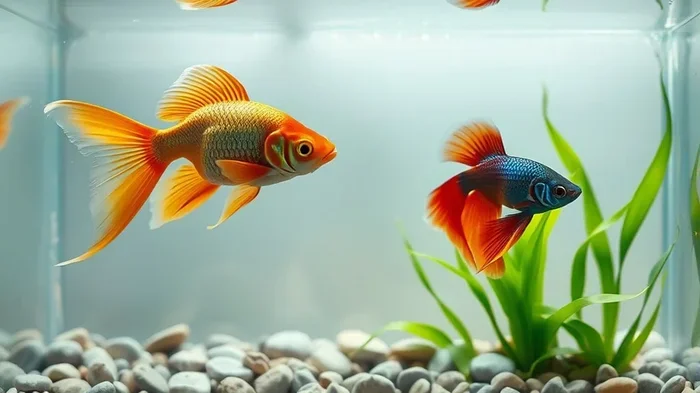
If you are asking will betta fish kill goldfish, the honest answer is that they usually should not share a tank because their needs clash and stress can lead to harm. Goldfish create heavy waste, prefer cooler water, and can nip at long fins, while bettas need warm, clean water and may become territorial. You can keep them safer by choosing the right tank size, watching behavior closely, and providing plenty of hiding spots. This guide explains the real risks, common myths, and practical steps so you can make a smart choice for your aquarium.
Key Takeaways
- Will betta fish kill goldfish: They rarely hunt goldfish, but stress, fin nipping, and poor water conditions can cause serious harm.
- Temperature mismatch: Bettas need warm water around 78-80°F, while goldfish do better in cooler water around 65-72°F.
- Waste and water quality: Goldfish produce a lot of waste, which can foul the water and stress a betta quickly.
- Tank size matters: Small tanks increase aggression and water problems, so bigger is always safer for mixed species.
- Watch body language: Flaring, chasing, hiding, and torn fins are warning signs that the pairing is not working.
- Better alternatives exist: Peaceful, tropical tank mates are usually safer than goldfish for a betta community tank.
- Plan ahead: If you still want to try, use a large tank, strong filtration, and careful monitoring to reduce risk.
📑 Table of Contents
- Will Betta Fish Kill Goldfish: The Real Answer
- Understanding Betta Temperament And Goldfish Behavior
- Will Betta Fish Kill Goldfish Due To Aggression
- Water Temperature And Tank Conditions Matter
- Can You Put Betta Fish And Goldfish Together Safely
- Common Mistakes When Mixing Bettas And Goldfish
- Final Thoughts Before You Decide
Will Betta Fish Kill Goldfish: The Real Answer
Many new fish keepers ask one simple question: will betta fish kill goldfish. It is a fair question, especially when you see colorful fish pictures online and want a beautiful community tank. The short answer is that bettas do not usually hunt goldfish for food. However, mixing them can still lead to stress, injuries, and even death if the tank setup is wrong. That is why it helps to look at the whole picture instead of just one behavior.
A betta is often famous for its bold personality. People sometimes call them aggressive, but that label is not the full story. Bettas can be territorial, especially in small spaces. Goldfish are also different from bettas in many ways. They grow larger, produce more waste, and usually prefer cooler water. When you put those differences together, trouble can start even without true hunting behavior.
So the safest answer is this: a betta may not try to kill a goldfish on purpose, but the two species can still make each other sick or stressed. If you want a peaceful tank, you need to understand their temperaments, water needs, and space requirements before you combine them.
Understanding Betta Temperament And Goldfish Behavior
Bettas are not mindless fighters. They are smart, alert, and very aware of their surroundings. In the wild, they live in shallow waters where space is limited. Because of that, they can become defensive when they feel crowded or threatened. In a tank, this may show up as flaring, patrolling, or chasing. That does not always mean violence, but it does mean you should pay attention.
Goldfish behave very differently. They are usually calm, curious, and active swimmers. Some goldfish are gentle, while others can be a little pushy during feeding time. A bigger goldfish may also accidentally bump into a betta or nip at its fins. That can be stressful for the betta, even if the goldfish never means any harm.
When people worry that a betta fish and goldfish pairing will end badly, they are often thinking about two different problems at once. One is aggression. The other is compatibility. A tank can fail even when neither fish is truly violent, simply because their habits do not match well.
Why Bettas Can Become Territorial
Bettas often claim a space and defend it. This is more likely when the tank is small or lacks places to hide. A betta may see another fish as an intruder, especially if that fish swims into its favorite area again and again. Bright colors and long fins can also catch a betta’s attention, which may increase tension.
This does not mean every betta will attack every tank mate. Many bettas live peacefully with the right companions. The key is to give them enough room and a calm environment. If a betta has places to rest and clear boundaries, it may be far less likely to act defensively.
How Goldfish Act In Community Tanks
Goldfish are social and often enjoy the company of other fish. They tend to swim constantly and search for food. That constant movement can bother a betta that prefers a quieter space. Some goldfish are also messy eaters. They stir up substrate and leave bits of food behind, which can affect water quality.
In a mixed tank, goldfish may not be aggressive in the same way a betta might be. Still, their size and activity can create problems. A goldfish may outcompete a betta for food, or simply make the tank feel crowded and stressful.
Will Betta Fish Kill Goldfish Due To Aggression
This is the part many people really want to know. Will betta fish kill goldfish because of aggression? In most cases, the answer is no, not in a direct hunting sense. Bettas are more likely to chase, flare, or nip than to kill a much larger fish. A goldfish is usually too big for a betta to treat as prey.
That said, aggression can still cause damage. A betta may bite fins. A goldfish may bump or chase. Repeated stress can weaken a fish’s immune system. Over time, that can lead to illness, hiding, loss of appetite, or death from stress rather than a single attack. So even if the betta does not “kill” the goldfish in a dramatic way, the pairing can still turn dangerous.
Signs Of Trouble To Watch For
If you already have both fish in the same tank, watch their behavior closely. Some warning signs include:
- Constant chasing or cornering
- Flaring gills for long periods
- Torn or frayed fins
- Hiding all day
- Loss of appetite
- Rapid breathing
- Fish staying on opposite sides of the tank
These signs do not always mean disaster, but they do mean the setup may be failing. If you see them, be ready to separate the fish.
When Aggression Is More Likely
Aggression is more likely when the tank is too small, the water is dirty, or the fish have no place to retreat. It can also happen if one fish is especially bold and the other is shy. A stressed betta may become more reactive. A stressed goldfish may become more erratic. That combination is not ideal.
If you want to reduce the chance of conflict, start with a well-planned tank. Give the betta visual breaks and resting spots. Keep the environment calm. And remember that even peaceful fish can turn tense when conditions are poor.
Water Temperature And Tank Conditions Matter
One of the biggest problems with mixing these fish is that they do not enjoy the same environment. Bettas are tropical fish. They usually do best in warm water. Goldfish are cooler-water fish. They usually prefer lower temperatures. That difference matters a lot when you ask will betta fish kill goldfish, because environment can affect behavior more than people realize.
Warm water can make goldfish less comfortable. Cooler water can slow a betta’s metabolism and weaken its health over time. If the temperature is not right, both fish may become more stressed. Stressed fish are more likely to fight, hide, or get sick.
Temperature Needs Explained Simply
A betta generally likes steady warmth. A goldfish usually prefers cooler, well-oxygenated water. If you try to meet both needs in one tank, you may end up with a compromise that works poorly for one of them. That is why many experienced keepers advise against this pairing in the first place.
If you still want to keep them together, you must choose a temperature range carefully and monitor it often. Even then, you should watch for signs that one fish is not thriving. A fish that is too cold or too warm may become sluggish, stop eating, or breathe heavily.
Filtration, Space, And Water Quality
Goldfish produce a lot of waste. That waste can quickly affect water quality, especially in smaller tanks. Poor water quality is one of the fastest ways to stress a betta. It can also lead to cloudy water, ammonia spikes, and oxygen problems.
A larger tank with strong filtration is much better than a small cramped setup. More water means more stability. Better filtration means cleaner conditions. Both of those help reduce stress and lower the chance of conflict. If you are considering a mixed tank, do not start with a tiny bowl or beginner tank. That is a recipe for trouble.
Can You Put Betta Fish And Goldfish Together Safely
People often search for can you put betta fish and goldfish together because they want a colorful tank without a lot of hassle. The truth is that it is possible in some situations, but it is not the easiest or safest choice for beginners. You need the right tank size, good filtration, careful feeding, and regular observation. Even then, the risk of stress is higher than with better-matched tank mates.
If you are thinking about this combination, ask yourself a few questions first. Do you have a large enough tank? Can you keep the water clean? Are you ready to separate the fish if needed? If the answer to any of those is no, it may be better to choose a different setup.
Best Practices If You Try The Pairing
If you decide to move forward, these steps can help reduce problems:
- Use a spacious tank with plenty of swimming room
- Add plants, rocks, or decorations for hiding places
- Keep water quality high with regular maintenance
- Watch feeding times so one fish does not bully the other
- Monitor behavior daily, especially in the first few weeks
- Be ready to separate them if tension rises
The goal is not just to keep them alive. The goal is to keep both fish comfortable. That takes effort and patience.
Better Tank Mate Options For Bettas
If your main goal is a peaceful community tank, there are often safer choices than goldfish. Small, calm, tropical fish that enjoy similar water conditions may be a better fit. The right tank mates depend on your tank size, your experience, and your betta’s personality. Some bettas are calm and accept companions well. Others are more territorial and do better alone.
It is also worth remembering that a single betta can live happily in a well-decorated tank without other fish. A solo setup is not boring if you give it plants, gentle lighting, and a clean environment. Sometimes the simplest choice is the best one.
Common Mistakes When Mixing Bettas And Goldfish
A lot of trouble comes from simple mistakes. One of the most common is assuming that all fish can live together if they look nice together in a store display. Another mistake is choosing a tank that is too small. Small tanks make water quality worse and increase conflict.
Another common error is ignoring temperature. If you keep the water too warm for the goldfish or too cool for the betta, one of them will suffer. People also forget that goldfish grow. A tiny goldfish can become a large fish quickly, and that changes the whole tank dynamic.
Quick Mistakes To Avoid
- Starting with a tank that is too small
- Ignoring temperature preferences
- Overfeeding and letting water quality drop
- Adding fish without a backup plan for separation
- Assuming calm behavior at the store means long-term peace
- Forgetting that goldfish can get large and active
Avoiding these mistakes does not guarantee success, but it gives you a much better chance.
Expert Insight On Mixed Species Tanks
Experienced keepers usually say that compatibility is about more than temperament. It is also about water needs, size, activity level, and waste production. A tank is a small ecosystem. Every fish changes it in some way. When two species have very different needs, the setup becomes harder to manage.
If you want a peaceful tank, choose fish that share similar requirements. That makes feeding, cleaning, and monitoring much easier. It also lowers the chance that one fish will slowly stress the other.
Final Thoughts Before You Decide
So, will betta fish kill goldfish? Usually not in a direct attack, but the combination can still create serious problems. Stress, poor water quality, temperature mismatch, and size differences can all cause harm over time. That is why this pairing is often riskier than it first appears.
If you love both fish, you can still enjoy them, just not necessarily in the same tank. A betta can thrive in a warm, clean, well-decorated tropical setup. Goldfish can do well in their own cooler, spacious environment. Giving each species the right home is often kinder than forcing them to share.
If you decide to try a mixed tank, go in with a plan. Be observant. Keep the water clean. Watch for stress signs. And do not hesitate to separate the fish if the situation turns tense. The best aquarium is one where every fish can feel safe and comfortable.
Frequently Asked Questions
Will betta fish kill goldfish on purpose?
Usually not. Bettas are more likely to chase or flare than to hunt a goldfish, but stress and poor conditions can still cause harm.
Can you put betta fish and goldfish together in the same tank?
You can try in a large, well-filtered tank, but it is not ideal because their temperature and water needs differ a lot. Careful monitoring is essential.
Why are goldfish and bettas often a bad match?
Goldfish prefer cooler water and produce more waste, while bettas need warmer, cleaner tropical conditions. Those differences can create stress for both fish.
What are the warning signs that the pairing is not working?
Look for constant chasing, torn fins, hiding, loss of appetite, and heavy breathing. These signs often mean the fish are too stressed.
Do goldfish nip betta fins?
Sometimes they can, especially if they are active or food-motivated. Fin nipping can injure a betta and lead to further stress or infection.
What is a safer alternative to goldfish for a betta tank?
Small, peaceful tropical fish with similar water needs are usually safer choices. A solo betta tank with plants and hiding spots can also be a great option.